 3080
3080In today's digital era, TikTok has become an important battlefield for brand marketing, especially for smart home brands targeting young consumers. This platform is not only a window for showcasing products, but also an excellent channel for building brand awareness and cultivating user loyalty.
So, how can smart home brands effectively attract the attention of young people on TikTok? Next, let's reveal the winning viral formula for smart home brands on TikTok through three successful brand cases.
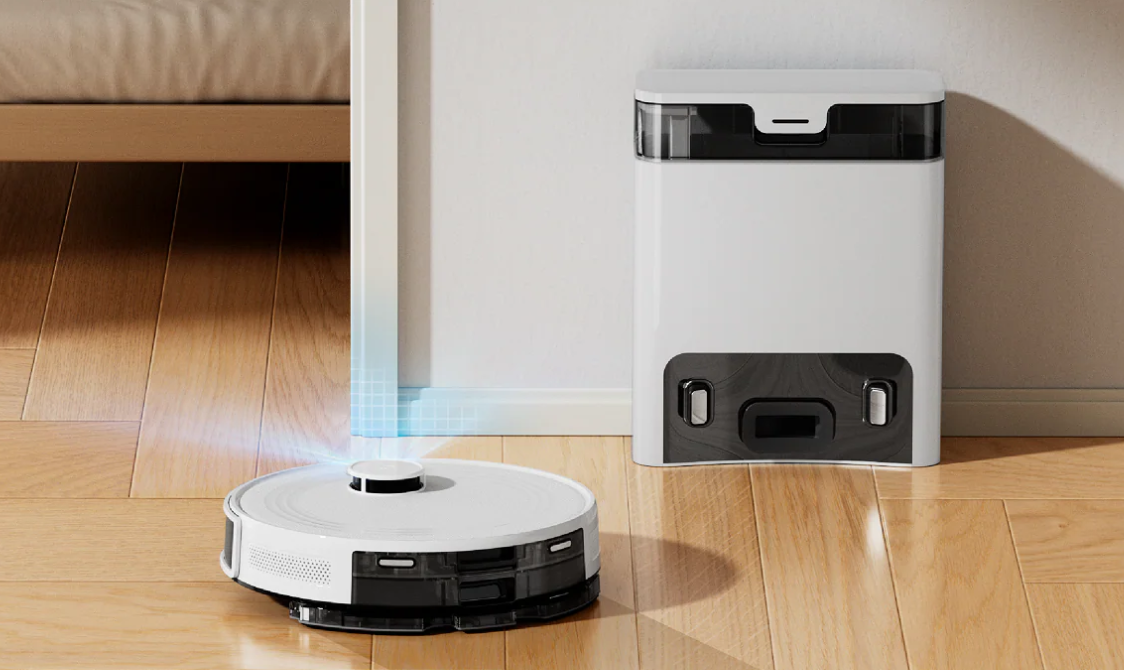
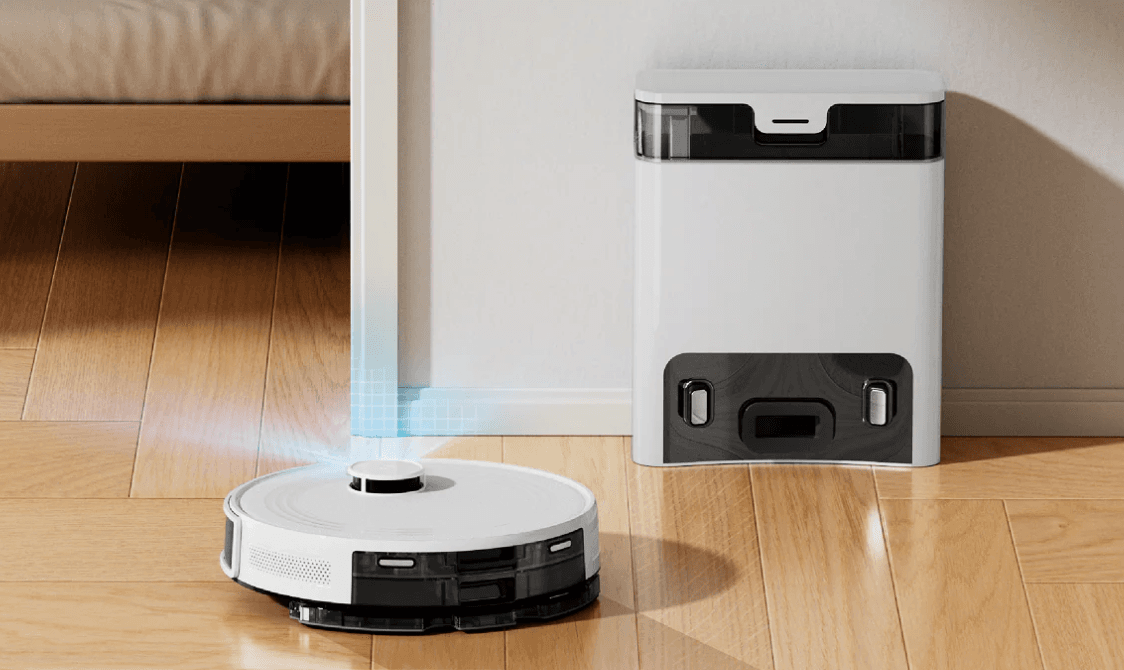
Image source: Lefant
Bring Product Features to Life
The successful practice of the Eufy brand provides a reference case for the industry. When promoting on the TikTok platform, they completely abandoned the traditional method of piling up technical parameters commonly used by smart home brands, and instead adopted a "scenario restoration" marketing strategy.
On their official TikTok account @eufyofficial, you won't see any professional terms about motor speed or suction power. Instead, you see life-like scenarios such as vacuum cleaners cleaning pet hair and smart doorbells preventing couriers from stealing packages.
The correctness of this strategy lies in its perfect fit with the characteristics of the TikTok platform. Users are often in a purposeless browsing state when swiping videos, and only content that can immediately resonate with them can make them stop scrolling.
The viral video that Eufy co-created with cleaning expert @suuuuupoido is the best proof. In just 16 seconds, it shows the entire process of the vacuum cleaner cleaning a room full of dust, without a single line of narration, yet it garnered 125.2 million views and 3.7 million likes.
From this, it can be seen that on TikTok, showing is more powerful than explaining. Young people don't care how advanced the brand's technology is; they just want to know whether the product can solve their actual problems. Put the product into the scenarios most familiar to the target users and let the features "speak" for themselves—this is the key to moving Generation Z.
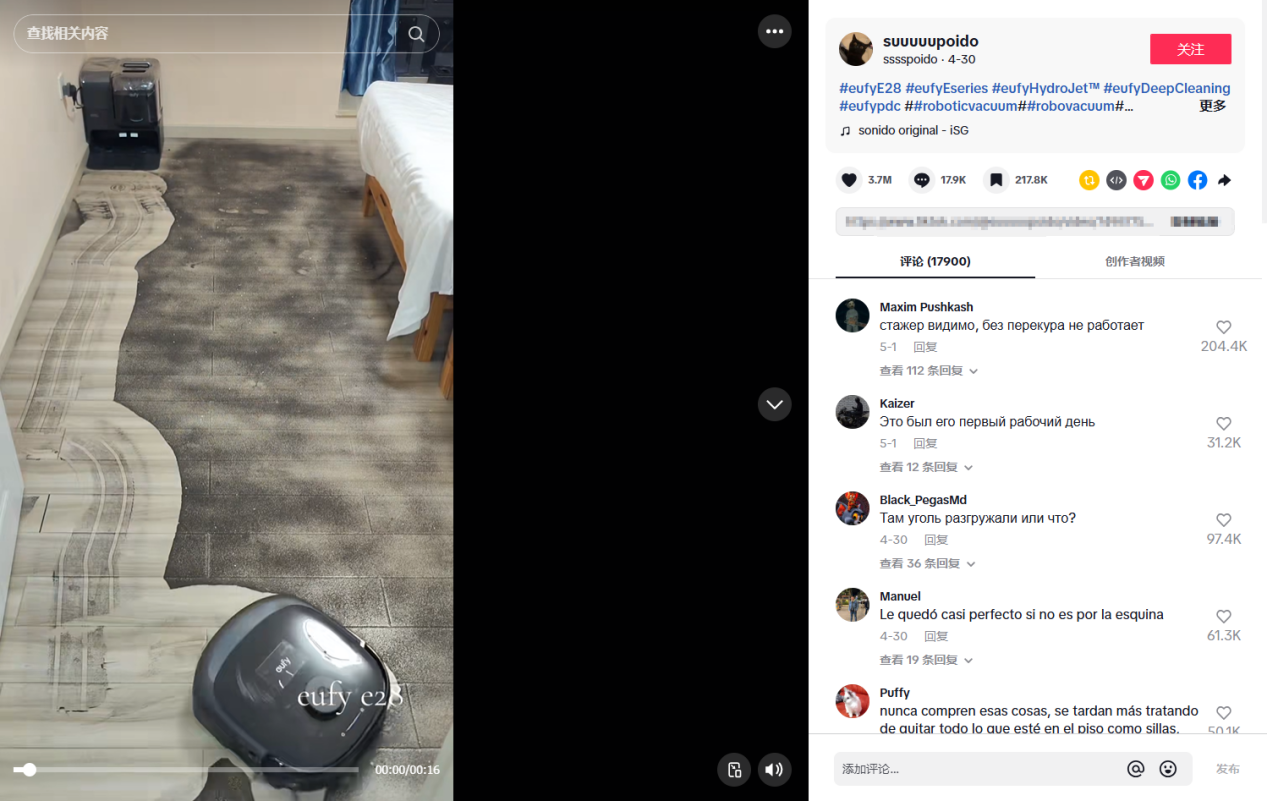
Image source: TikTok
Find the Brand’s “Super Spreaders”
The case of the SwitchBot brand shows us the right way to do influencer marketing. Unlike blindly pursuing top influencers, they specifically targeted vertical creators in the tech field.
In collaboration with tech influencer @giftgecko, who has 566,900 followers, the video shows the influencer lying in bed in pajamas using a mobile app to control smart curtains with one click. This seemingly simple everyday scene directly hits the user's pain point and ultimately achieved 5.3 million views.
The key to success lies in two points: first, the precision in influencer selection—tech creators’ professional interpretation of smart products is more convincing; second, the precision in scenario design—capturing the specific moment of getting up in the morning, perfectly aligning product features with user needs.
This case fully proves that in influencer collaborations, quality is far more important than quantity. A mid-tier influencer who is highly aligned with the brand's tone may have a much greater selling power than an entertainment blogger with tens of millions of followers.
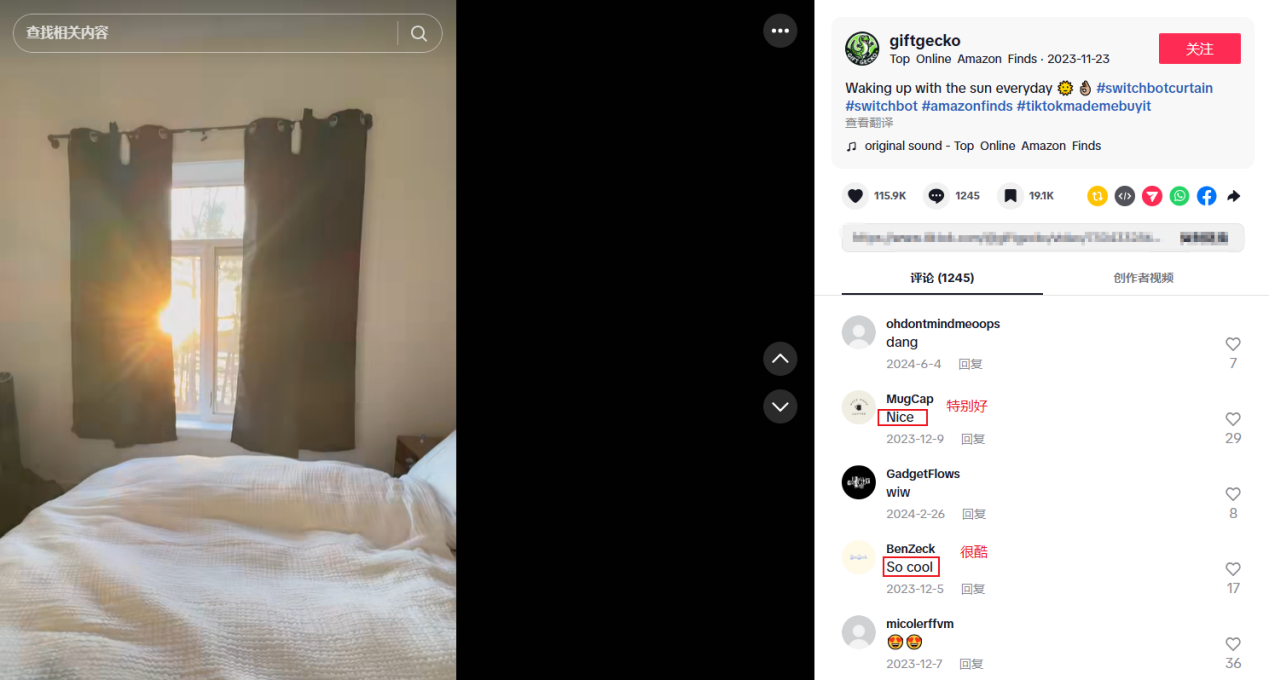
Image source: TikTok
Break Through from a Niche Market
While most smart home brands are still generally promoting whole-house intelligence, Lefant has taken a different approach, choosing to focus deeply on the niche track of pet household cleaning.
Their content strategy is highly targeted, with every video showing how the robot vacuum "battles" pet hair—from scattered cat litter to tangled dog hair, even deliberately creating extreme test scenarios. This "self-torturing" content creation has brought unexpected results.
In a video in collaboration with influencer @lifetipsfromus, who has 821,900 followers, the real process of the product handling dog hair on carpets is shown, resonating strongly with pet owners. The comment section turned into a product Q&A site: "Is it suitable for long-haired cats?" "Can it clean up debris brought out by cat litter?" These questions precisely prove the success of the content positioning—the brand has successfully occupied the minds of its target users.
Through Lefant's case, we can conclude that in the fiercely competitive smart home market, it is better to become an expert in a specific niche than to be an all-rounder. When you perfect a particular scenario, you will naturally win the love of that group.
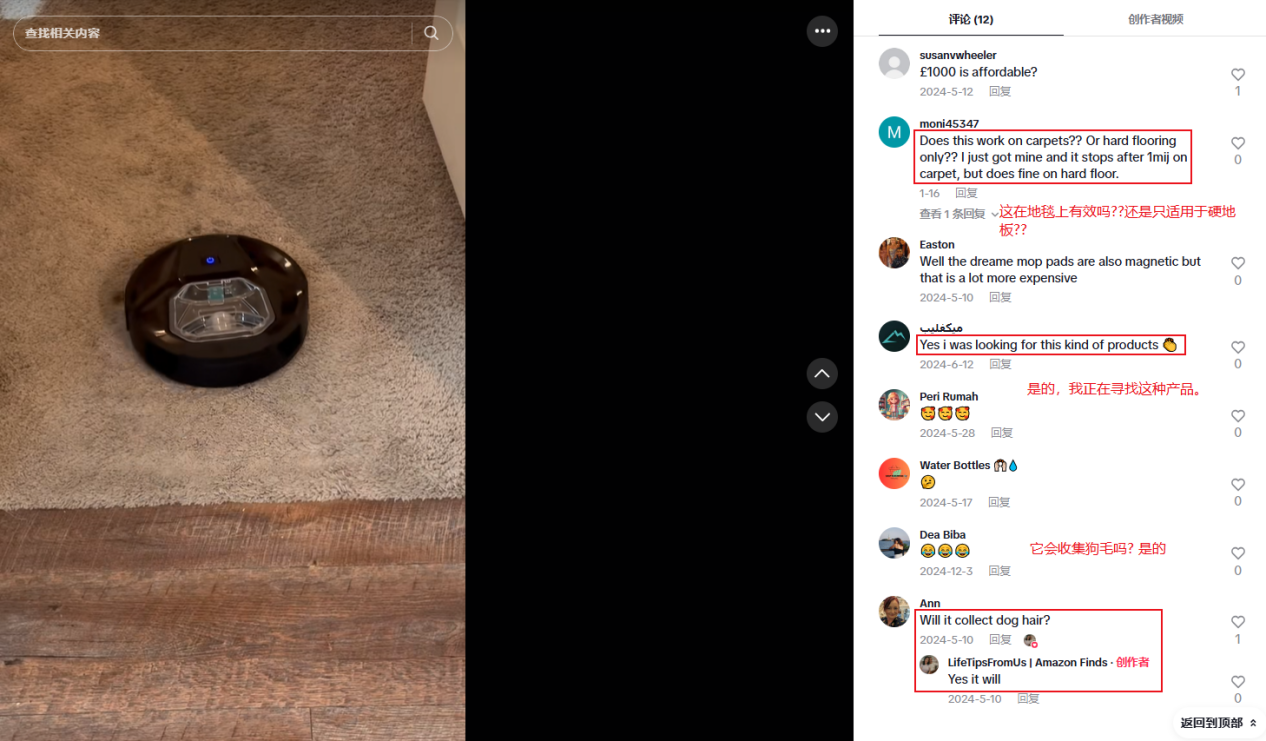
Image source: TikTok
Conclusion
In summary, it is not difficult to see that in this era of scarce attention, if smart home brands want to win the favor of young people, they must learn to tell stories in their language. When your marketing content can meet the needs of the younger generation, viral success will naturally follow.
On the TikTok stage, whoever lets go of their ego first and truly thinks from the user's perspective will gain the upper hand in this battle for attention.