 2797
2797It’s no surprise to anyone that celebrities have side businesses these days.
In recent years, there have been plenty of examples both at home and abroad: Wang Feng’s FIIL headphones, Jackson Wang’s Team Wang, Rihanna’s Fenty Beauty... These brands have had different fates—some faded away, some are still going strong, and some are developing quite well.
But in the travel luggage sector, the BÉIS brand founded by Shay Mitchell, star of “Pretty Little Liars,” is definitely a standout success story. Not only did it break free from the fleeting “celebrity halo” effect, but it also truly won the hearts (and wallets) of millions of female users.
So, how did they do it?
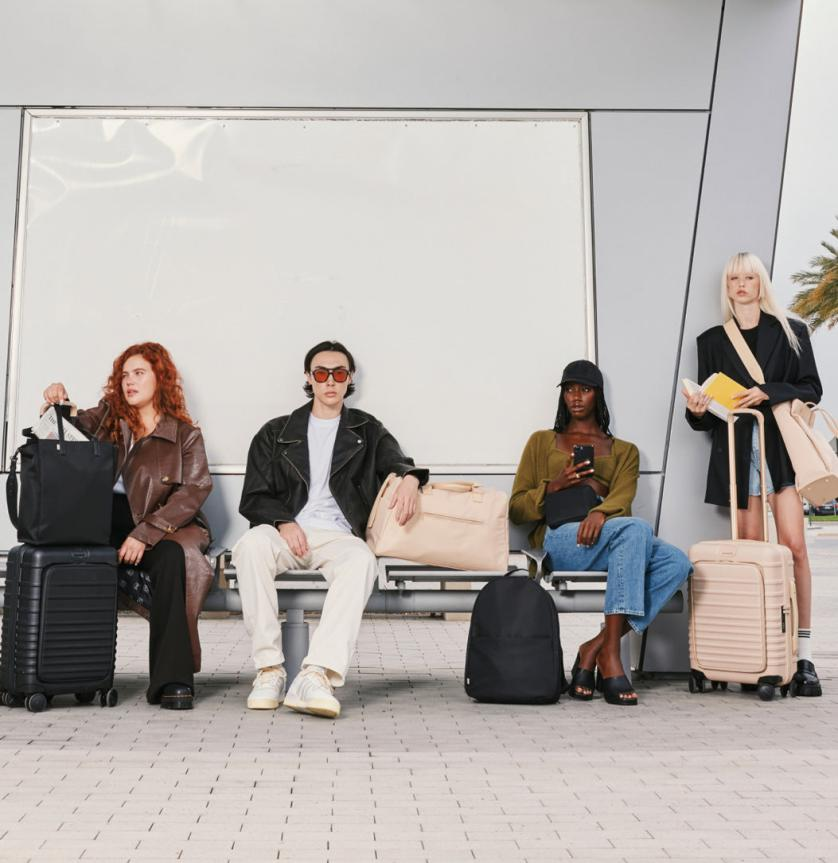
Image source:BÉIS
First, let’s get to knowBÉIS
BÉIS is a brand founded by Shay Mitchell in 2018, focusing on travel products—from suitcases and weekend bags to travel accessories—positioned as “affordable luxury” and targeting mainly young women.
Don’t be fooled by its late start—the growth rate is astonishing.
When it was first founded in 2018, annual revenue was only $20 million. By 2023, it had soared to $200 million, with a year-on-year growth rate as high as 180%.
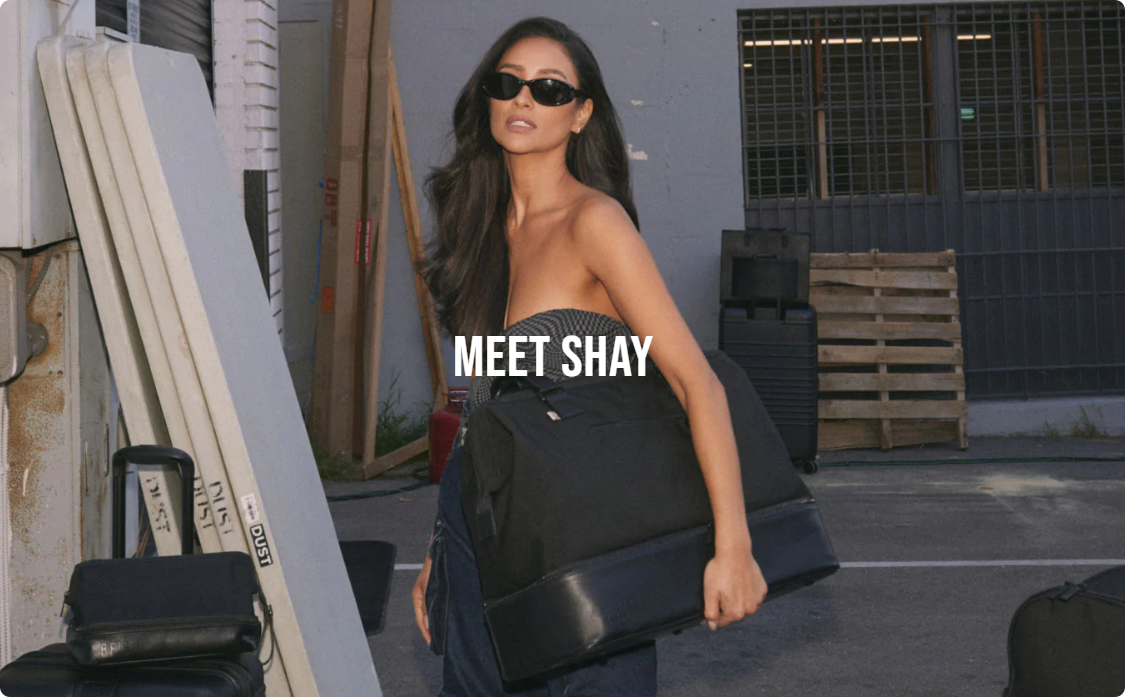
Image source:BÉIS
The core of this explosive growth isn’t about how disruptive the product is, but about mastering social media.
According to data, the brand now has over 1.86 million followers combined on TikTok and Instagram, with engagement rates far above the industry average.
For Tuke merchants, BÉIS started out much like many other brands: no mature global channels, no huge marketing budget, but managed to build brand awareness and user trust from scratch through social media.
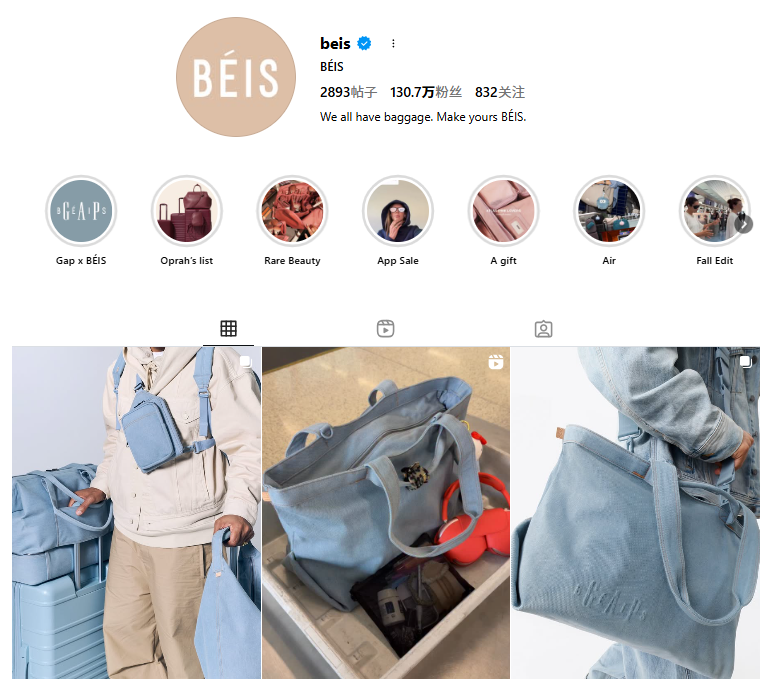
Image source:Instagram
Social Media Core Play: Not Just Selling Products
The social media logic of the BÉIS brand is essentially “using language users understand to solve their real needs”—this is the core that any brand wanting to do overseas social media should grasp.
They never see themselves as traditional advertisers, but insist on communicating with consumers as part of the user community.
On TikTok, BÉIS likes to showcase the practical use of products in various travel and daily life scenarios, subtly conveying brand value.
This “soft placement” approach makes it easier for viewers to accept, and has helped the brand win over 560,000 TikTok followers.

Image source:TikTok
Besides these lifestyle contents, BÉIS regularly releases videos specifically responding to product reviews—something many brands lack.
Of course, this doesn’t mean brands have to “please” consumers, but rather interact reasonably based on the actual situation.
For example, BÉIS will clap back at unreasonable reviews, but respond with a completely different attitude to kind comments. This adds a human emotional touch to the brand and is a unique way of building its IP.
In the latest response video, BÉIS stuck to its usual style and achieved nearly 405,000 views.
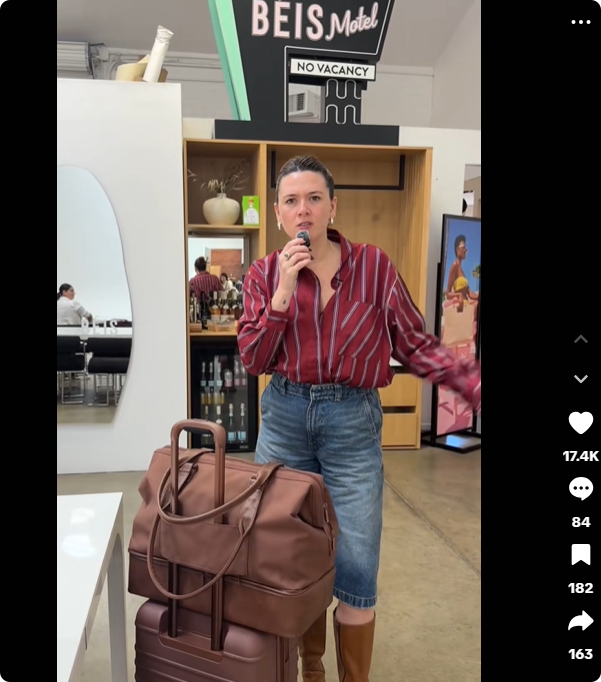
Image source:TikTok
However, when imitating, you must strike the right balance—otherwise, being too aggressive may cause user backlash, like this ↓. After all, everything is about moderation.
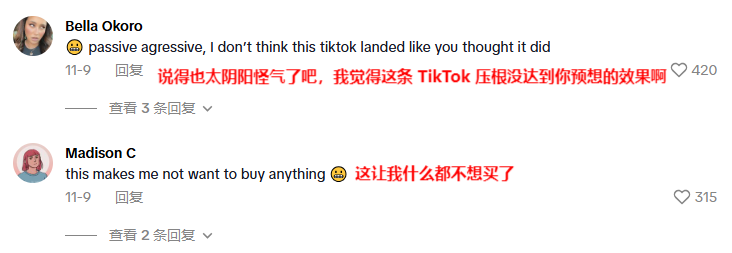
Image source:TikTok
In addition, as a brand built on a celebrity IP, BÉIS is well aware of the effect influencer traffic can bring.
They didn’t go for top-tier influencers with tens of millions of followers, but chose mid-tier creators whose style and audience matched the brand—such as vloggers, travel influencers, and professional women.
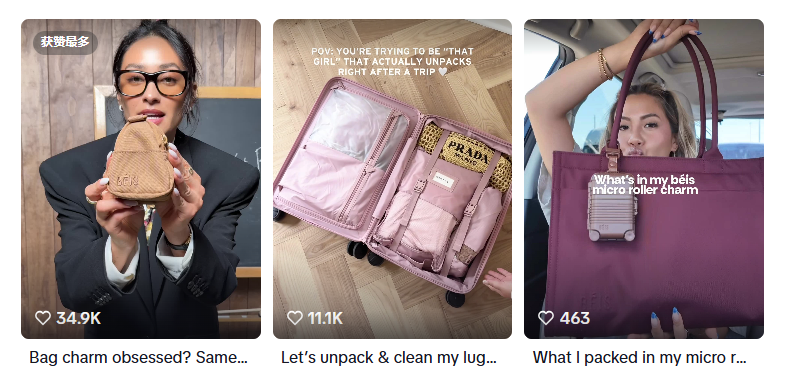
Image source:TikTok
These creators don’t hard-sell products, but integrate the brand’s suitcases and tote bags into their daily sharing, such as “travel packing vlogs” and “commuting essentials recommendations”—the content is authentic and natural.
For example, the travel suitcase organization video posted by TikTok influencer @teresalauracaruso brought the brand over 1.4 million views, with great engagement and inquiries.

Image source:TikTok
Is the current luggage market still viable?
After seeing BÉIS’s social media strategy, looking back at the travel luggage industry, you’ll find this track is enjoying a double dividend of demand and channels.
According to the latest industry analysis, the global luggage market size has reached about $190.2 billion in 2024, and will continue to grow steadily over the next five years.
Meanwhile, China’s luggage market is also showing strong vitality. In 2024, the market size has reached 146.4 billion yuan, firmly ranking as the world’s second largest luggage market.
For domestic luggage brands, now is the perfect time for Tuke, and we hold the core advantage of the supply chain in our hands, so we can fully learn from BÉIS’s approach to break through quickly.
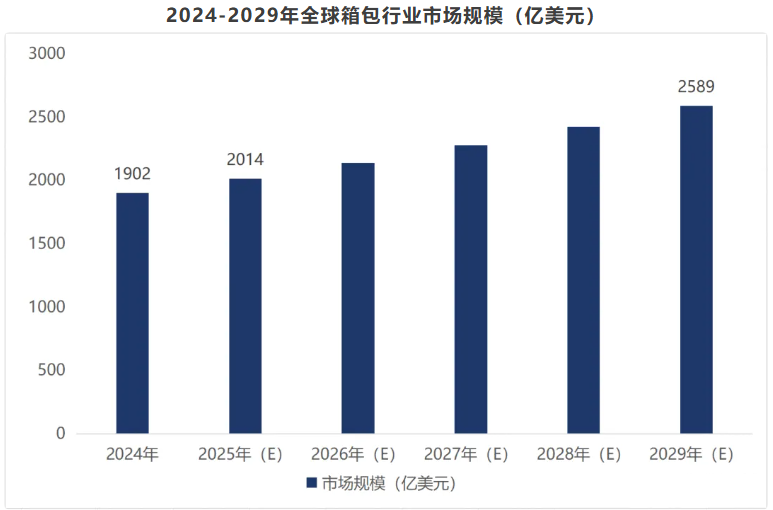
Data source: Euromonitor; Minsheng Securities Research Institute
Know how to showcase, convey meaning
The meaning of life is to encounter beauty, and the meaning of a good brand is to become a beautiful part of someone else’s life.
What BÉIS does is actually very straightforward: turning the suitcase from a mere storage tool into a prop people want in their travel photos. This isn’t some complicated business theory—it’s about understanding that in the age of social media, users have needs beyond utility; they want to express themselves.
We don’t need to shout slogans about “building a brand.” As long as we have good products and use social media to slowly tell the right people about their quality and understanding, there will naturally be people willing to pay for them.