 2007
2007This summer is exceptionally hot. Hashtags like #EuropeHeatwaveYiwuFansUmbrellasGoViral# and #GermansStartSpendingOnChineseACs# frequently trended on domestic hot search.
Meanwhile, the consumer market in the US is also bustling. Americans' love for iced drinks has fully erupted under the heat, with over 46,000 videos on TikTok related to '#icemaker' and cumulative views exceeding 1.5 billion.
In this wave, a brand called Cowsar from Ningbo quietly rose to the forefront.
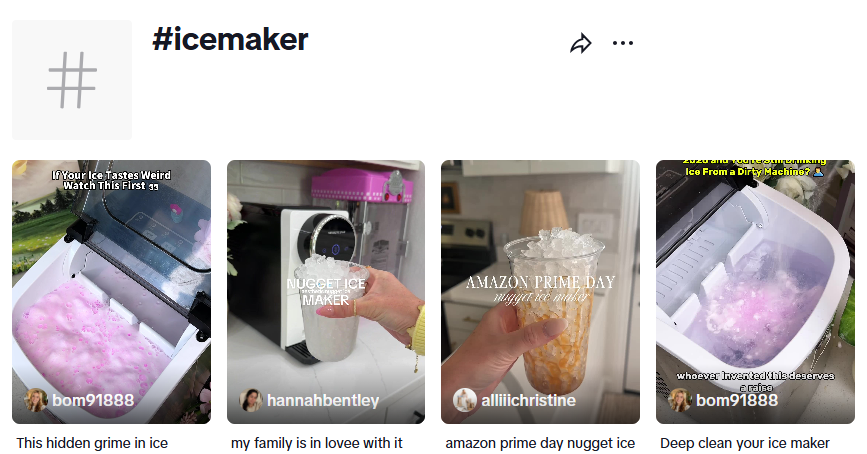
Source: TikTok
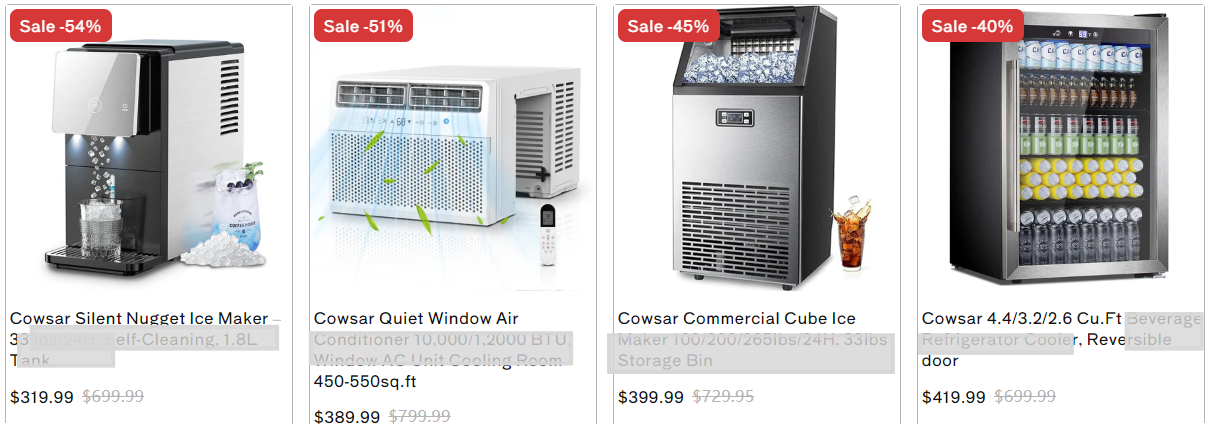
According to public data, Cowsar's flagship ice maker once ranked in the TOP 3 of its category on Amazon; on Walmart, it is priced at $170, more than three times the price of low-end brands in the same category, yet it remains sold out for a long time.
What's more, in the 2025 TikTok Shop US Cross-border POP Annual List, Cowsar won the 'Annual Influential Merchant' in the 3C home appliance category, with total sales exceeding $48,628,700.
Today, Tuke will show you how this brand achieved it.

Source: Cowsar
Engineer Entrepreneurship: From OEM to Brand
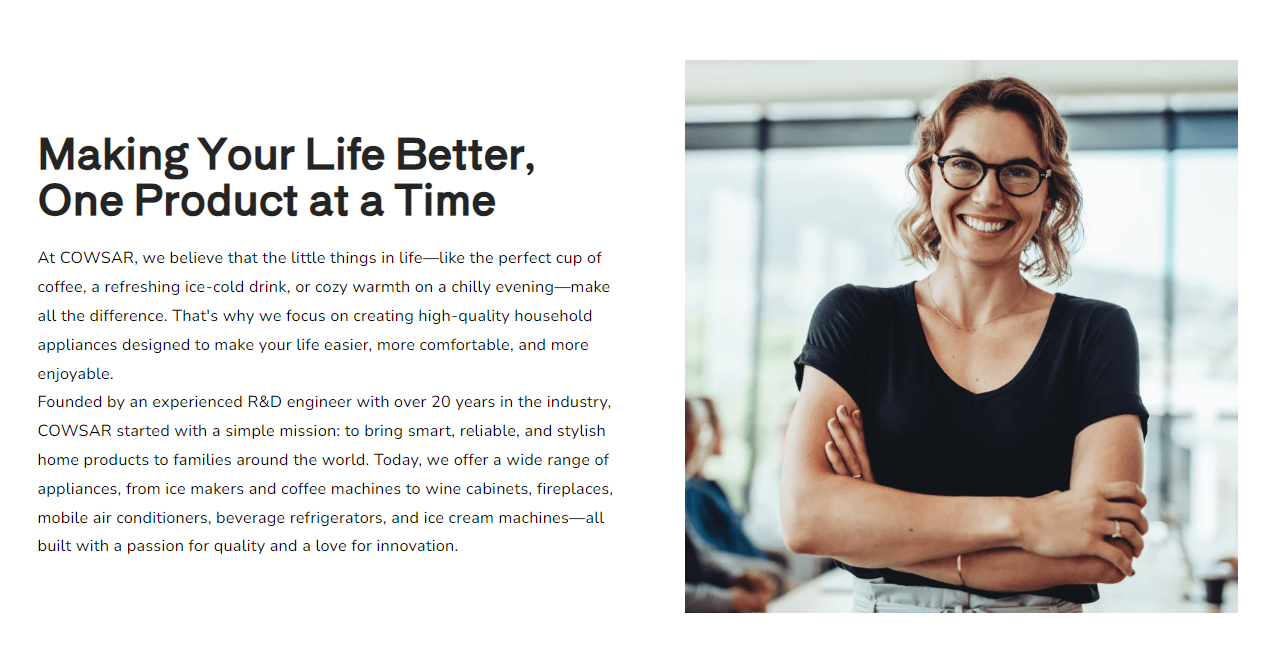
Cowsar is an overseas brand under Ningbo Luowa Electric, positioned as high-end, focusing on the 'home bar + kitchen' scenario, with product lines covering ice makers, coffee machines, wine coolers, etc.
The founder of the parent company Luowa Electric is an engineer by background, and has mentioned in introductions that he is an R&D engineer with 20 years of industry experience.
Source: Cowsar
Luowa Electric started with OEM in 2008 and was formally established as a company in 2013. Because the founder was used to focusing on technology, the products were solid but the brand never gained much recognition.
Luowa's real turning point came in 2015. That year, the team made a major reduction—cutting all miscellaneous categories and keeping only refrigeration, heating, and environmental small appliances, specifically four lines: fireplaces, heaters, mobile air conditioners, and ice makers. This strategy later became known as 'Temperature Economy': selling fireplaces and heaters in cold weather, air conditioners and ice makers in hot weather, and filling the gap with seasonal items like coffee machines.
In 2017, Luowa seized the opportunity of cross-border e-commerce to complete its transformation. By 2024, Luowa's annual sales had reached about 2 billion yuan, and the target for 2025 is directly set at 3 billion yuan. In terms of channels, it has a presence on all major platforms such as Amazon, Walmart, TikTok Shop, Home Depot, Lowe's, and Wayfair. It has also built self-operated overseas warehouses covering over 100,000 square meters across the eastern, central, and western regions of the US, providing solid fulfillment capabilities.
Source: Cowsar
How to Play on TikTok? Breaking the High-Ticket Barrier Simply
High unit prices on TikTok naturally face three obstacles: price concerns, trust barriers, and a decision cycle of 3 to 7 days.
Cowsar's pricing is more than three times that of peers ($170 on Walmart vs. low-end competitors). In theory, it should be hard to sell in an 'impulse buying' scenario like TikTok. But Cowsar made it work with a combination of strategies.
1. De-functionalize content, emphasize 'emotional value'
High-ticket users are not buying specs; they buy solutions.
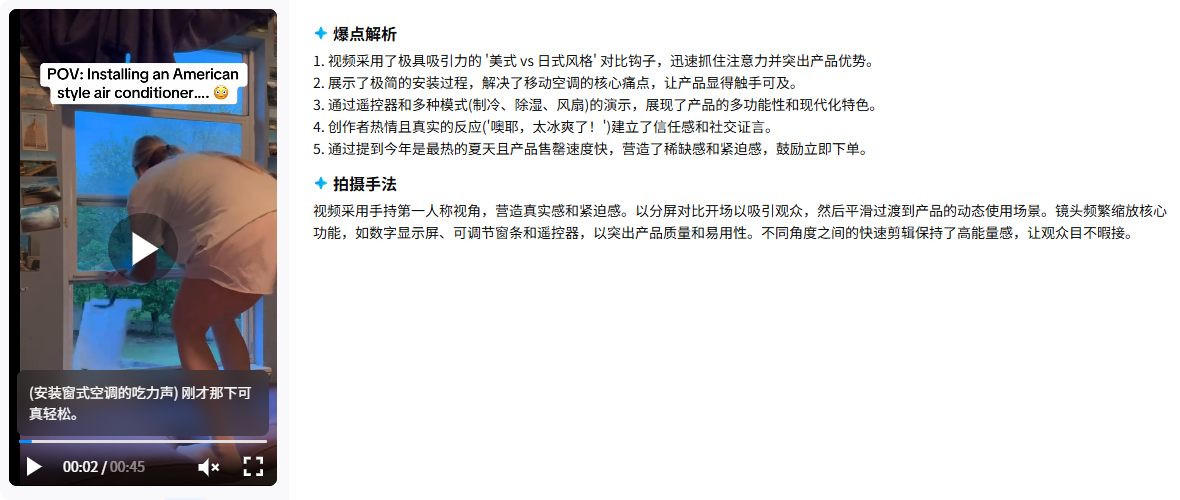
For example, when promoting mobile air conditioners, the video opens with an 'American vs. Japanese style' comparison hook to quickly grab attention, then shows the extremely simple installation process, directly crushing the core pain point of 'complicated installation'. Then, it demonstrates switching between cooling, dehumidifying, and fan modes with the remote control, showcasing the product's multifunctionality.
The creator's genuine reaction of 'Oh yeah, so icy!' in front of the camera is more convincing than any spec. After this whole process, the $249 price tag seems reasonable.
Source: kalodata
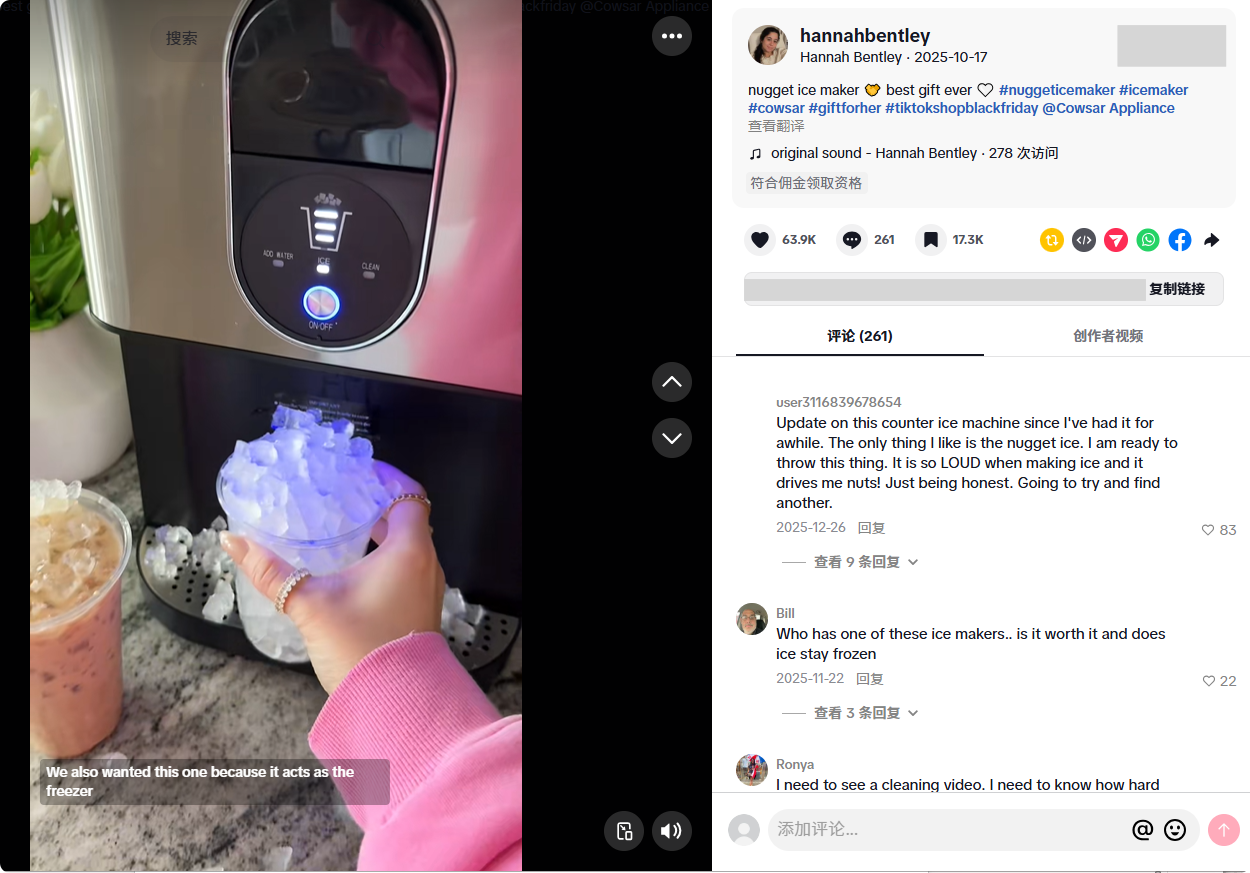
As for ice makers, they extensively use ASMR close-ups: the sound and image of a finger pressing the ice dispense button and crystal clear crushed ice falling into a glass, combined with exquisite kitchen counter floral arrangements, creating a sense of healing.
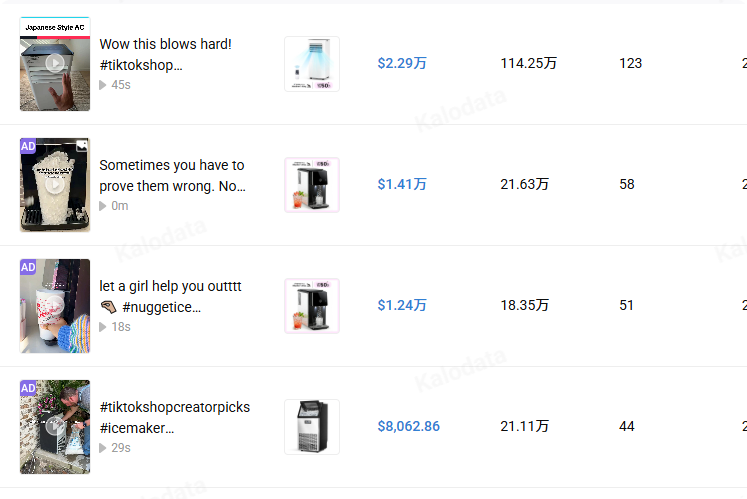
For example, this video posted by influencer @hannahbentley garnered nearly 9.6 million views, and sales reached over $410,000, showing very obvious effects.
Source: TikTok
2. Multi-layer trust endorsement to eliminate concerns
Addressing the US market's emphasis on safety, Cowsar does not hesitate to zoom in on ETL/UL certification labels in videos and verbally emphasizes the 3-year warranty. At the same time, they edit a large number of real user videos showing unboxing and one-week usage feedback, highlighting pain points such as 'low noise, fast ice making'.
More interestingly, they specifically seek out small and medium home appliance review influencers, and even allow them to mention flaws in videos (e.g., 'occasionally needs manual draining but it's acceptable'). This imperfection actually greatly enhances trust.
Source: kalodata
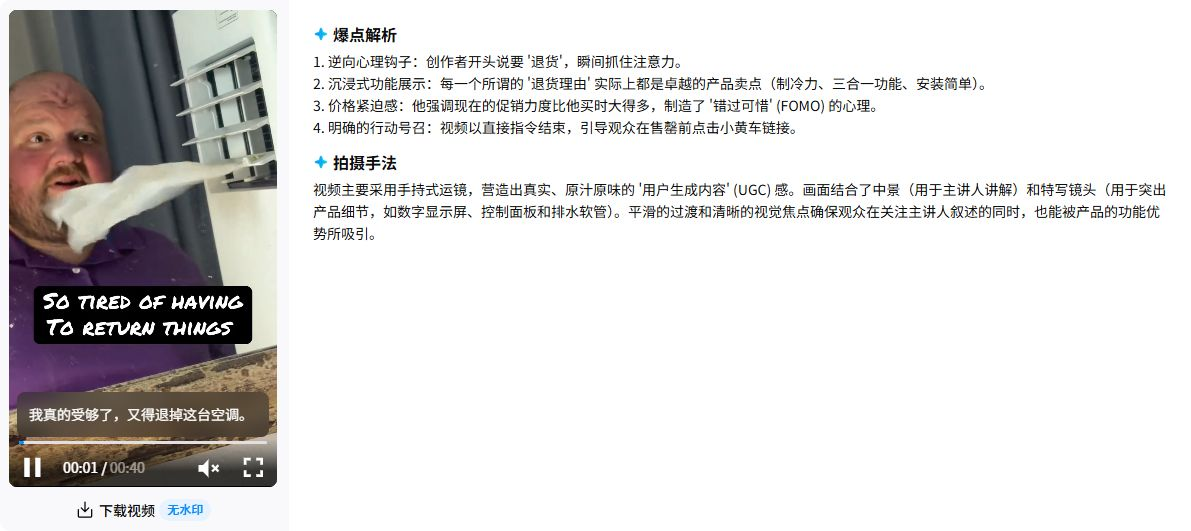
For example, a viral video by Cowsar promoting a portable air conditioner used this sincere and genuine review style. At the start of the video, the influencer directly says, 'I'm so fed up, I have to return this air conditioner again.' A 'reverse psychology' hook instantly grabs attention. Viewers think it's another product quality disaster, but as they watch further, they realize that every so-called 'reason for return' is actually the core selling point of the product.
The entire video uses handheld camera movements to create a genuine UGC feel, with smooth transitions between mid-range explanations and close-up product details. This video ultimately garnered nearly 916,200 views and drove sales of $30,000.
Thus, it can be seen that using a 'reverse' opening to build trust and real content to close deals is far more effective than hard advertising.
Source: kalodata
3. Precise audience targeting
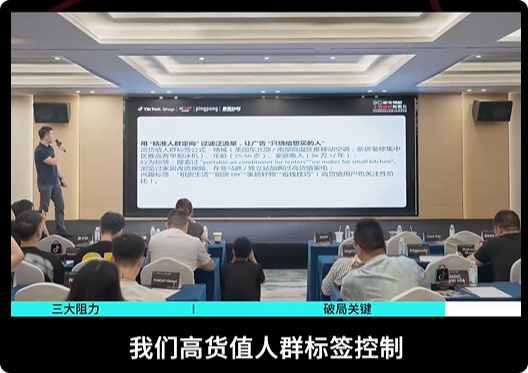
According to officially released brand sharing materials, Cowsar's strategy for traffic investment is also very clear:
Targeting by region (Northeast/South high-temperature areas for air conditioners, new home renovation concentration areas for ice makers) + age 25-50 + household annual income above $60,000 + behavior tags (searched 'ice maker small kitchen', browsed home renovation content), the ad budget is mainly allocated to people with clear purchase intent, rather than burning money on broad traffic.
This way, they avoid low-price competition and steadily maintain the conversion rate of high-unit-price products at a high industry level.
Source: TikTok Shop Cross-Border E-commerce
Final Thoughts
Looking back at Cowsar's overseas expansion path over the past few years, every step has been right at the transition point of cross-border e-commerce from 'listing logic' to 'brand logic.' But what this article really wants to say is not how great Cowsar is.
What Tuke wants to say is that the accumulation of China's manufacturing industry over the past thirty years—supply chain capabilities, engineer dividend, product iteration speed—has never been so close to overseas consumers as it is today. Platforms like TikTok, Amazon, and Walmart have flattened information asymmetry, allowing a brand from Ningbo to directly communicate with American households.
The path Cowsar has taken in three years proves one thing: Chinese brands can absolutely sell at a premium, build awareness, and create momentum overseas.