 1866
1866Topped Europe, leaving even foreigners thoroughly convinced.
Often, market demand is right in front of us, and business opportunities are not hard to discern. The key lies in whether we can offer differentiated products that precisely address users' actual pain points.
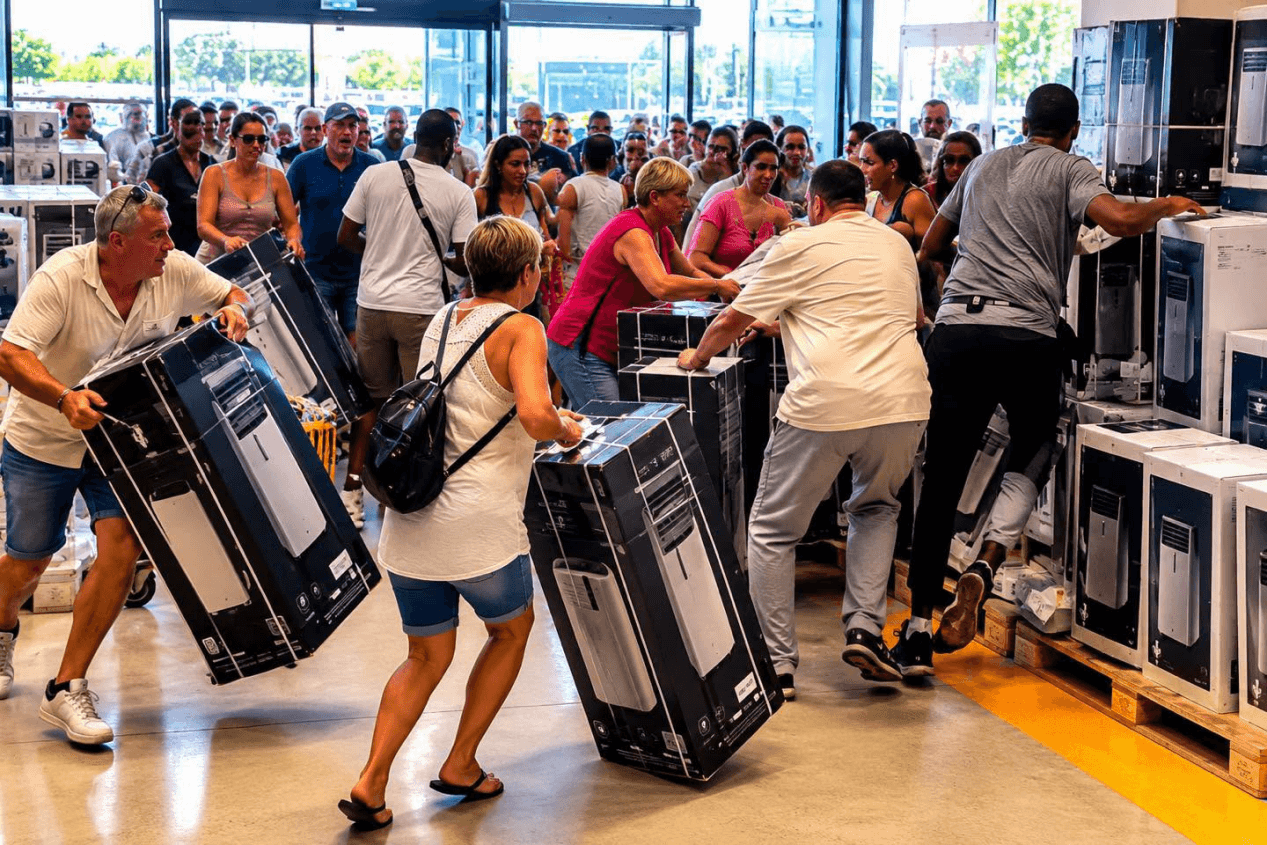
Just as France recently experienced extreme high temperatures that occur once in eighty years, with an air conditioner penetration rate of only 25% and a severe supply-demand imbalance, it triggered a nationwide buying frenzy, even leading to chaotic scenes of people fighting in supermarkets and damaging store doors.
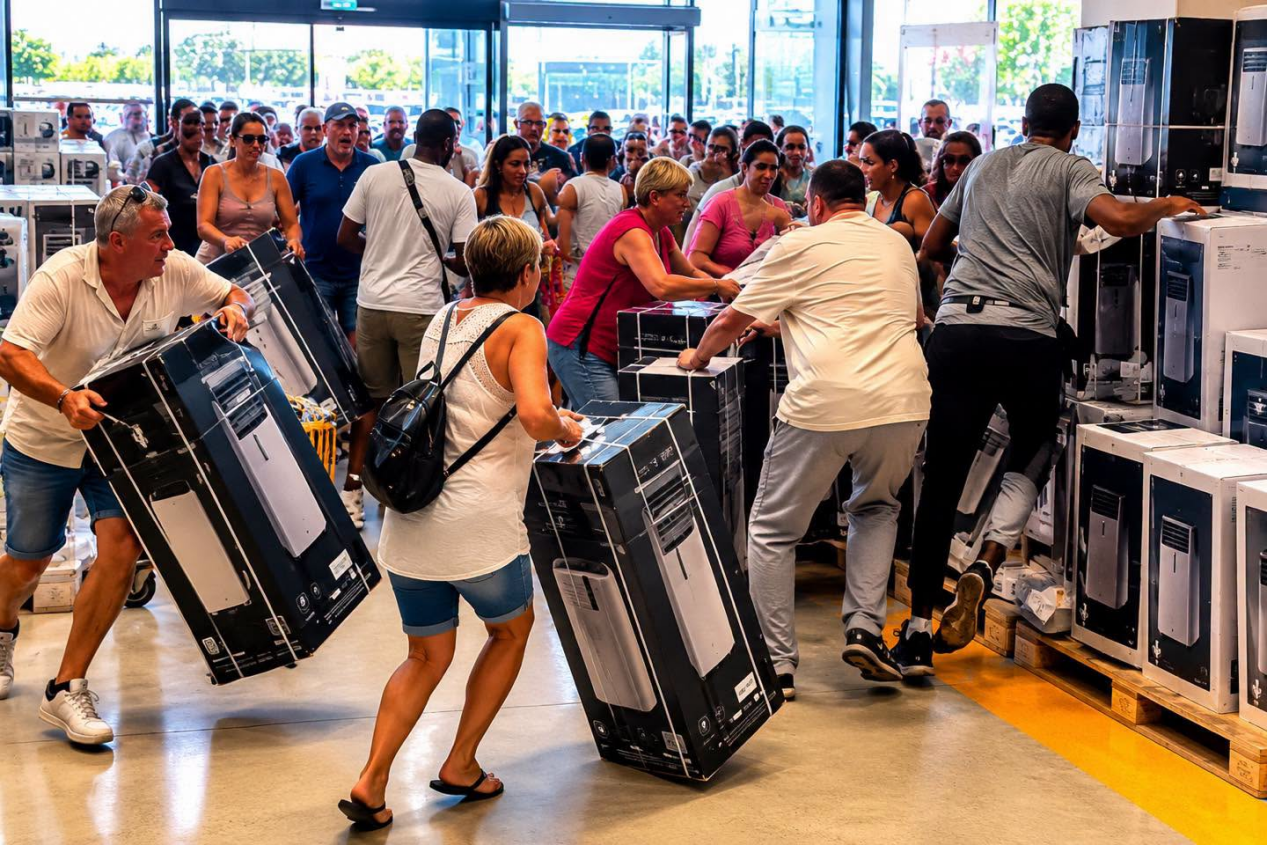
Image source: ifengzhong
At this moment, the differentiated thinking rooted in China's intelligent manufacturing allowed the brand to capture tangible commercial returns.
A hole-free portable split air conditioner under Midea, designed specifically for the European market, precisely meets local demand with its advantages of self-assembly and no drilling required. Sales surged in a short period, reaping substantial profits through localized design.
From this incident, a business logic can be seen: as long as a brand precisely addresses the essential needs of a specific target group, it can create room for profitability. The key lies in the brand's willingness to adapt product design to local conditions.
This line of thinking also applies to the energy storage industry. Currently, most leading brands in the industry are promoting energy storage devices that are bulky, involve complicated installation processes, and remain prohibitively priced, making them difficult for ordinary households to afford. They completely overlook the fact that a large number of old apartments and small houses in Europe lack the hardware conditions to accommodate large residential energy storage devices, creating numerous obstacles for installation and use.
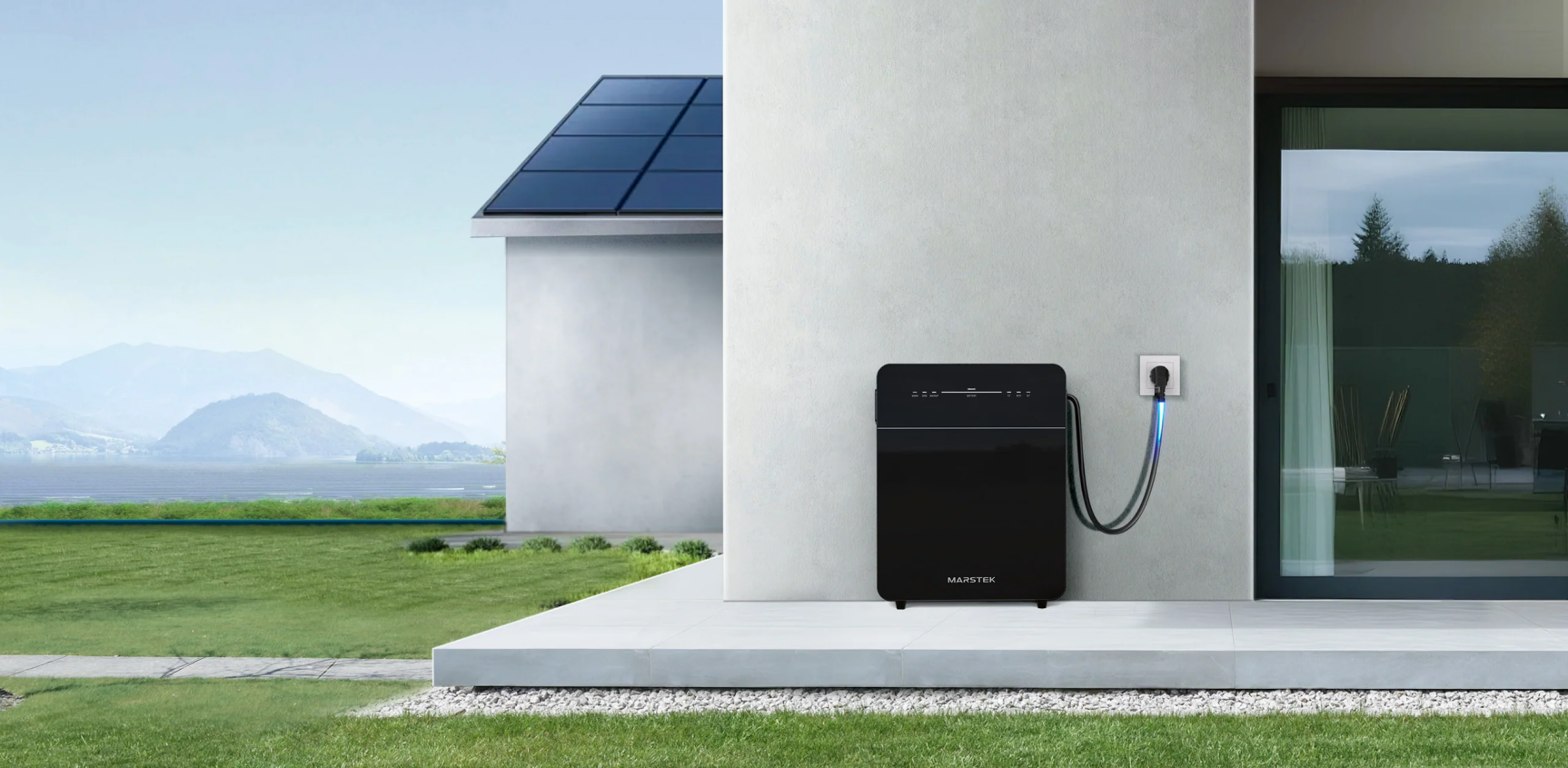
Image source: MARSTEK
But a Chinese brand has seized the business opportunity, launching the world's first household micro photovoltaic energy storage system, precisely hitting the market gap in Europe where small apartments and flats cannot install large household energy storage, differentiating itself from the industry's general large-scale storage, and opening up a unique niche track for micro energy storage.
From January to August last year, sales of its balcony energy storage products in Europe reached 293,000 units, clinching the top spot in micro energy storage sales.
This brand is MARSTEK, a subsidiary of Shenzhen Huamei Xingtai.
Next, let's take a look at how it harvests European wallets, step by step expanding its micro energy storage product line, and continuously capturing overseas market share.
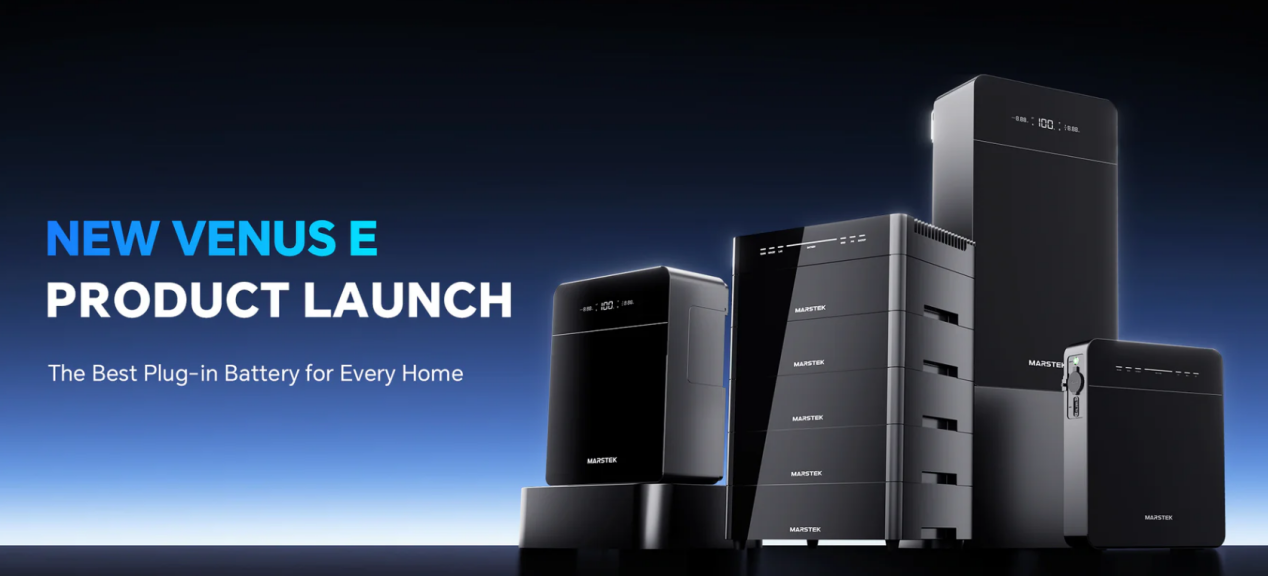
Image source: MARSTEK
Identify pain points, innovate
According to public information, in 2009, MARSTEK's parent company, Shenzhen Huamei Xingtai, was founded, focusing on the R&D and production of lithium battery cells, power banks, and photovoltaic supporting batteries. It has long served as an OEM for overseas energy brands, thoroughly understanding the underlying pain points of European and American household energy storage and micro-storage users, thereby laying a technical and channel foundation for the overseas expansion of its own brands.
In 2020, founder Peter officially launched MARSTEK, an independent energy storage brand. It precisely targeted the problems of narrow hallways and insufficient installation space in many old apartments and small-sized homes in Europe, focusing on the track of lightweight, high adaptability, and low cost. It mainly offers micro home energy storage products, including balcony micro-storage and small wall-mounted energy storage series.
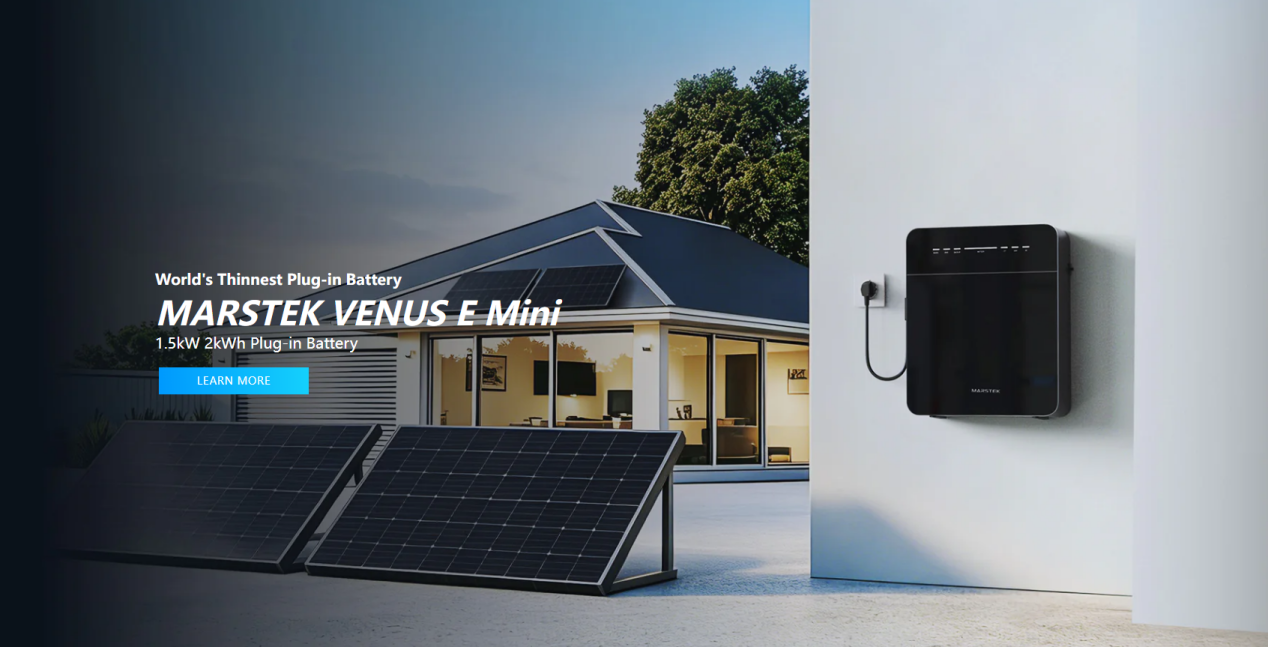
Image source: MARSTEK
Leveraging its self-developed stacked lithium iron phosphate battery cell technology, the brand greatly simplifies product structure and installation process, requiring no professional operation—ordinary users can install it themselves.
At the same time, leveraging mature supply chain and cost control advantages accumulated through years of ODM manufacturing, it effectively reduced product pricing, breaking the industry pain points of traditional home energy storage devices being bulky, expensive, and complicated to install. This made the storage products truly suitable for ordinary European households, quickly gaining favor from a large number of overseas consumers.
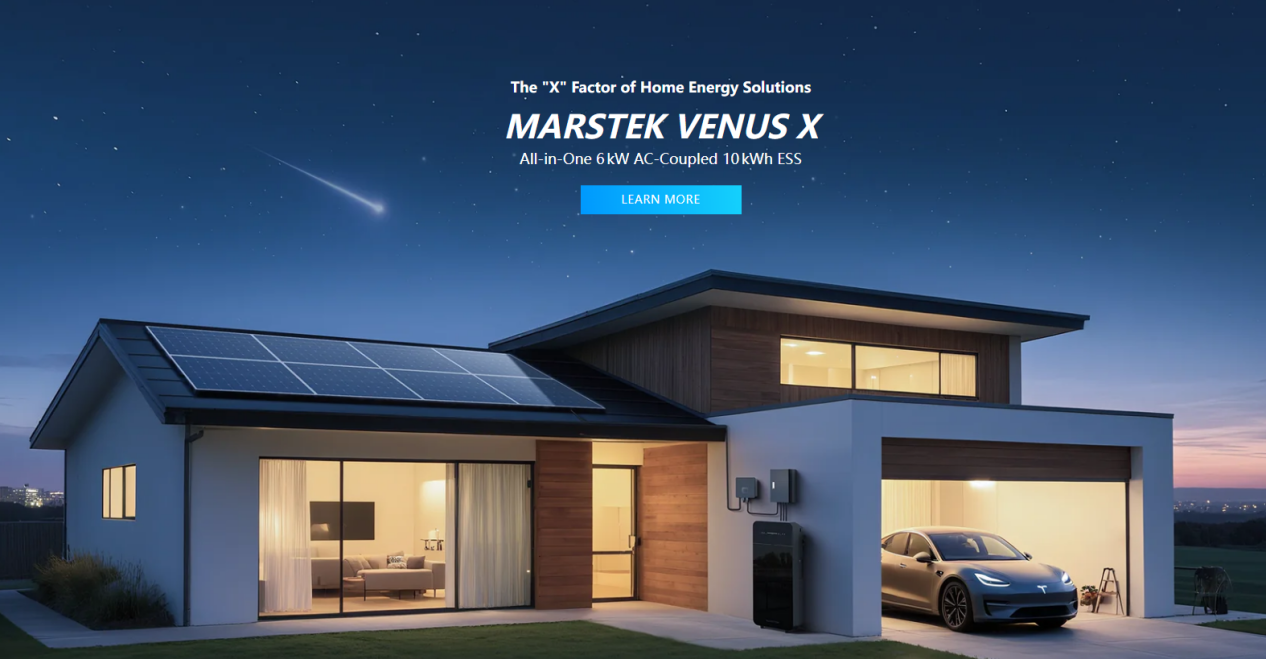
Image source: MARSTEK
While deeply cultivating the European core market, MARSTEK has not limited itself to a single track, but continues to explore emerging markets such as Southeast Asia and Australia.
As the demand for outdoor off-grid camping and household emergency backup power continues to rise in these regions, home energy storage is gradually evolving from an energy-saving auxiliary tool into an essential emergency device.
Based on changes in market demand, MARSTEK seized the opportunity to launch a dual-line layout of micro home energy storage and outdoor portable power stations, achieving simultaneous revenue growth in both the home energy-saving and outdoor leisure tracks, further amplifying its market advantages.
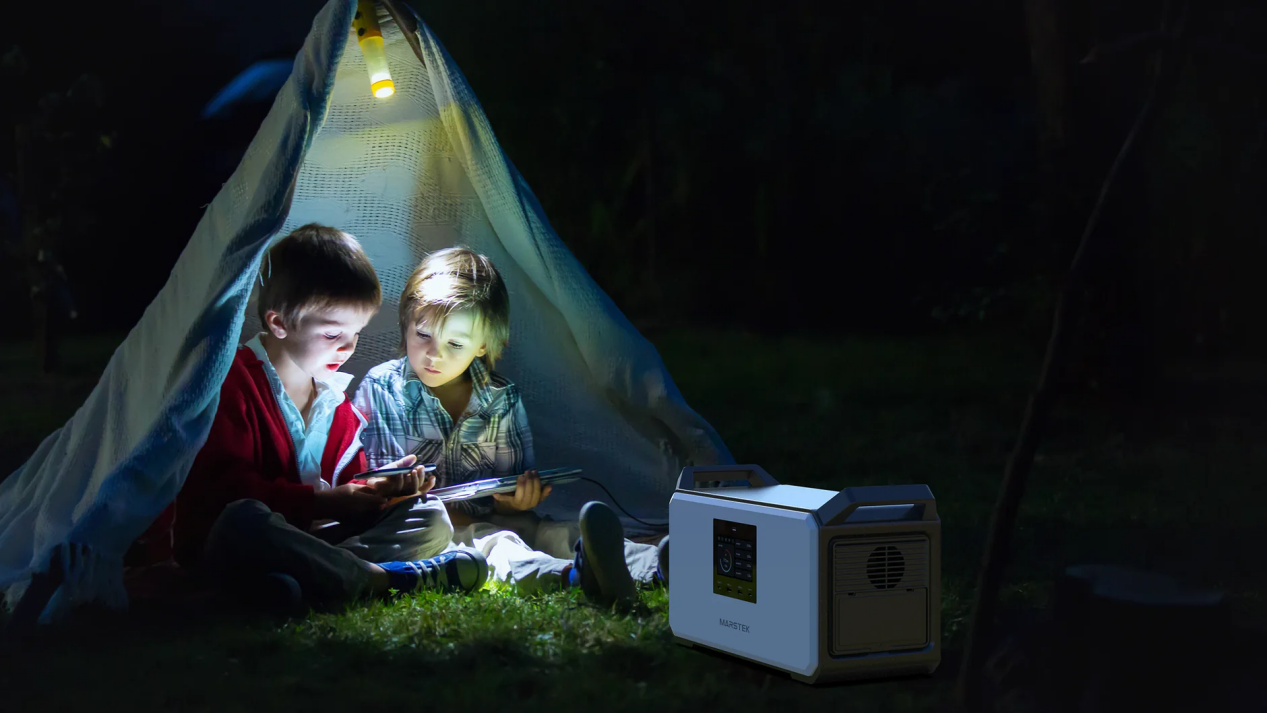
Image source: MARSTEK
Deep layout, full-domain penetration
To fully open up overseas sales channels, MARSTEK has built an integrated online and offline omnichannel marketing system to achieve multi-regional, multi-scenario full-domain market coverage.
In terms of online channels, the brand has entered Amazon Europe, North America, Japan and other sites, listing full-category energy storage products, leveraging the platform's huge public traffic to continuously increase product sales and basic exposure.
At the same time, to precisely adapt to consumption habits in each region, it also entered local top e-commerce platforms such as Otto in Europe, Cdiscount in France, and Kogan in Australia, continuously harvesting user resources from various places.
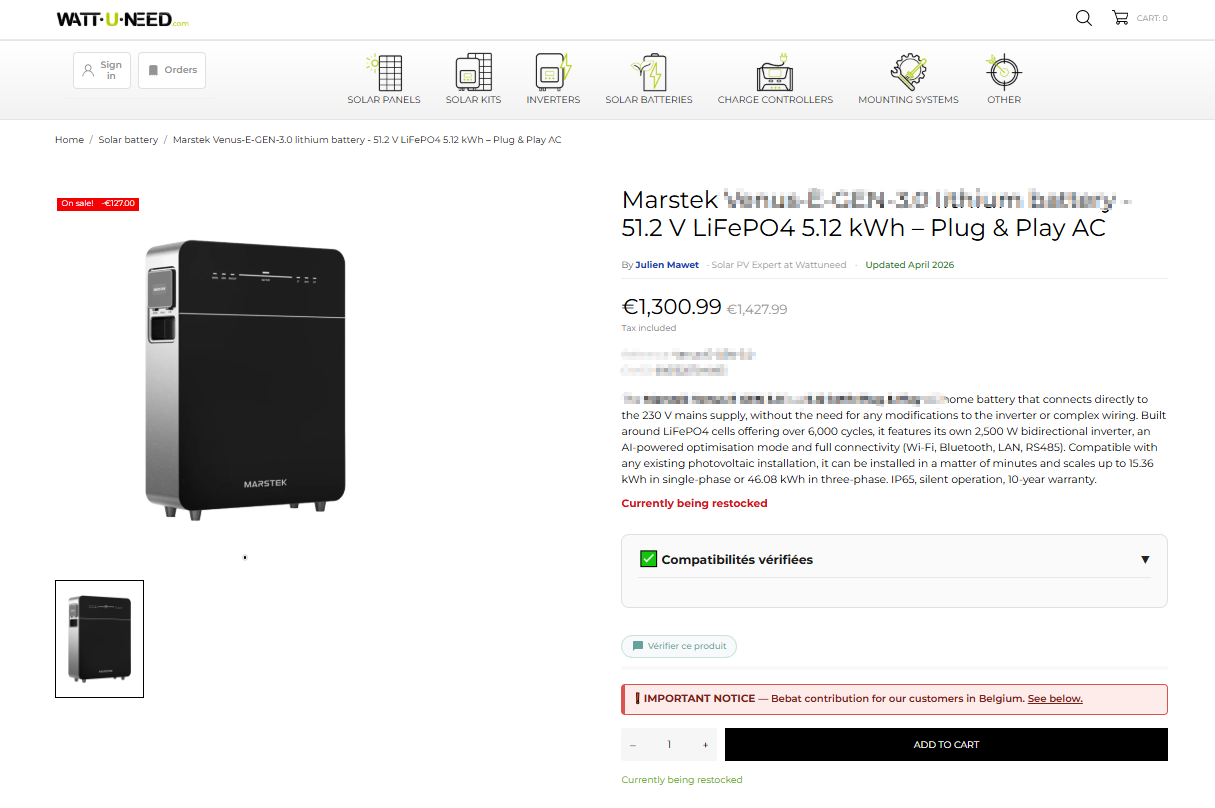
Image source: wattuneed
To break away from dependence on third-party e-commerce platforms and build a long-term private domain traffic base, MARSTEK also built an overseas independent website.
Through a comprehensive operation system including full-series product real scene display, localized logistics and delivery services, and a member points repurchase system, it continuously accumulates precise users, strengthens user stickiness, and builds a brand private domain traffic pool.
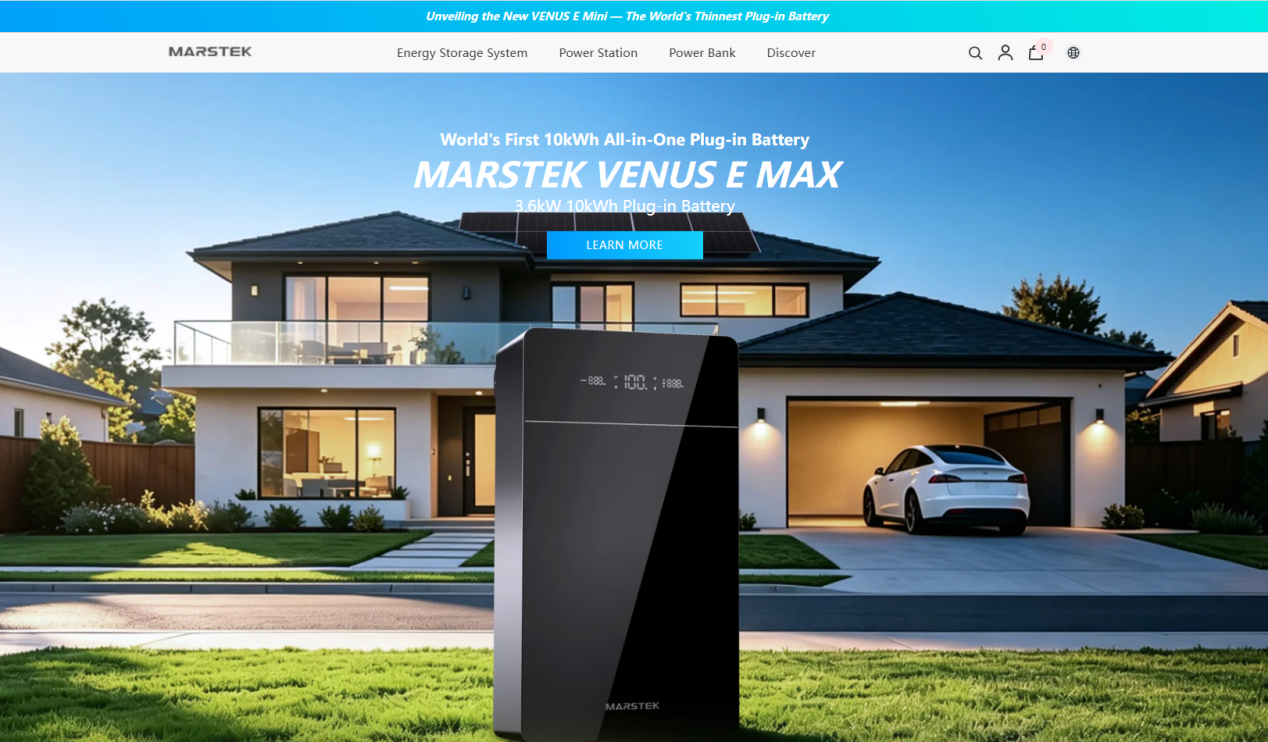
Image source: MARSTEK
In terms of offline channels, MARSTEK has deeply partnered with local electrical distributors, photovoltaic installation service providers, and new energy engineering companies in multiple European countries such as Germany, Netherlands, France, Belgium, and Austria. Through one-stop localized services such as regional exclusive distribution, bulk supply, and supporting home installation, it reaches end apartment owners directly with the help of local service provider resources.
In addition, the brand actively participates in the world's top industry exhibitions. By setting up offline real-scene experience zones and demonstrating the entire balcony energy storage system and its usage effects on site, it intuitively showcases the core advantages of the product, thereby continuously expanding the brand's overseas influence.
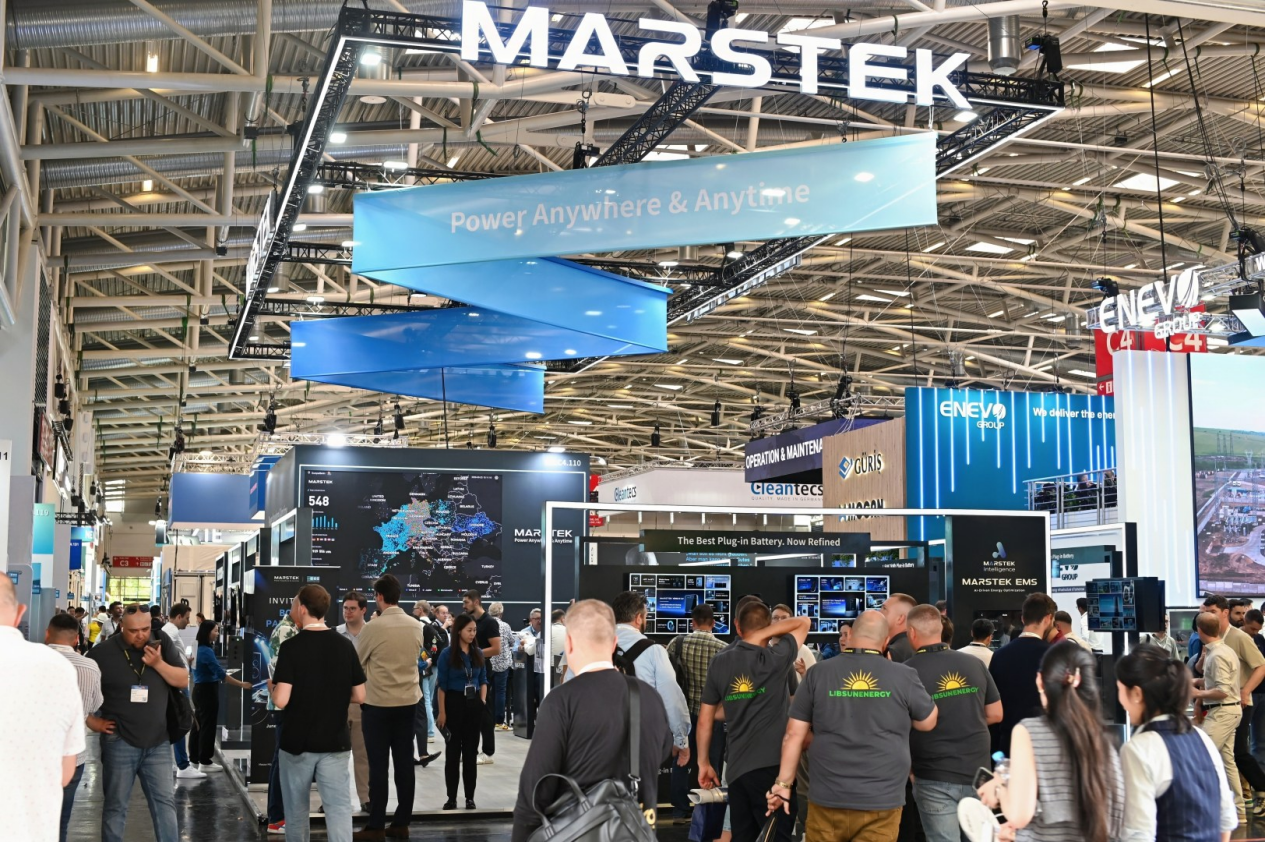
Image source: Google
Different focuses, precise fan attraction
Social media is the core channel for overseas brands to continuously acquire customers and accumulate users. MARSTEK has also made targeted arrangements, combining the attributes of different platforms such as TikTok and YouTube to create differentiated content marketing strategies.
1. TikTok
TikTok is a short video battleground for overseas traffic explosion. MARSTEK focuses on lightweight product seeding here. The brand connects with local micro-influencers and home lifestyle amateur bloggers in batches, achieving low-cost, large-scale content distribution.
The content mainly features real unboxing shots and real-life home tests, intuitively showing the daily power usage scenarios and practical value of micro energy storage, building user goodwill and trust subtly, and efficiently mining potential customers.
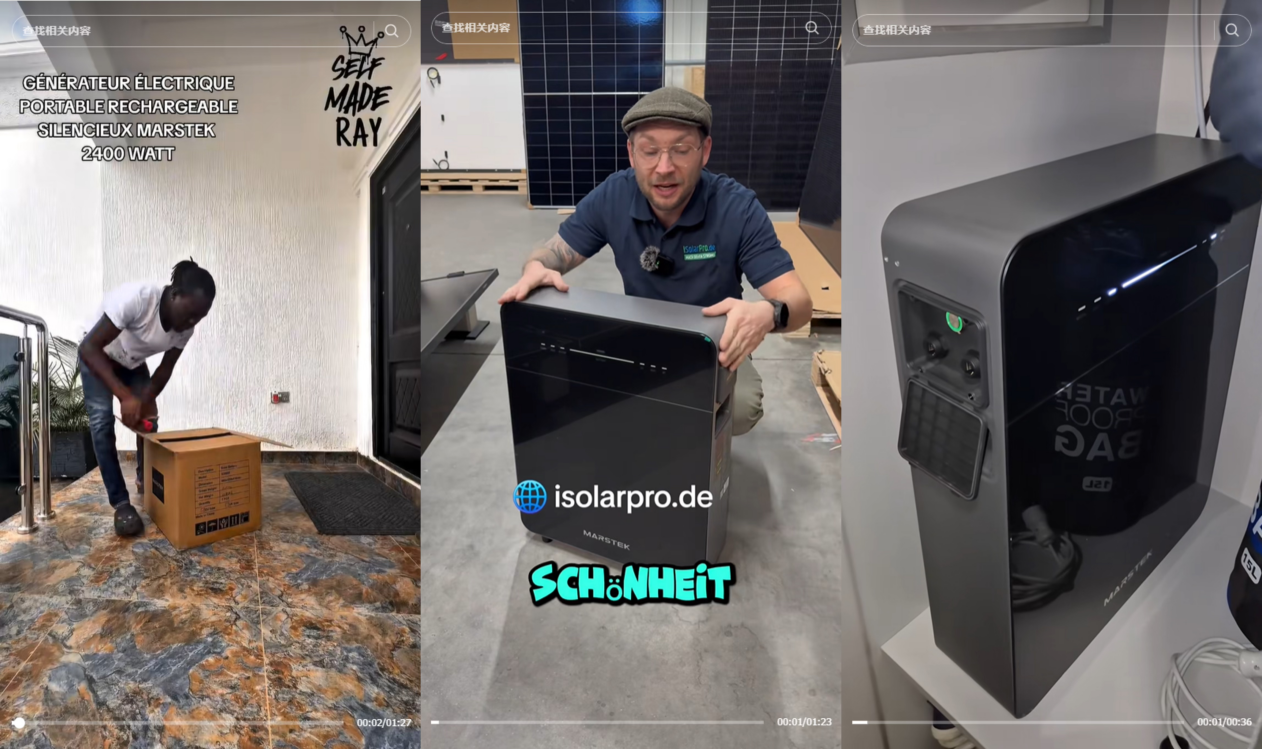
Image source: TikTok
2. YouTube
Many users first develop initial interest after seeing the product on TikTok, but after all, micro energy storage products are large household appliances. To actually place an order, they need to fully understand the product parameters, safety performance, and installation logic to dispel various usage concerns.
To adapt to YouTube's platform characteristics of long-form video for deep product seeding, the MARSTEK brand focuses on professional educational explanation videos.
The content covers technical education, installation guides, app guides, etc. Through professional and detailed dry content, it alleviates users' concerns about installation and usage, effectively pushing interested customers to complete the final purchase conversion.
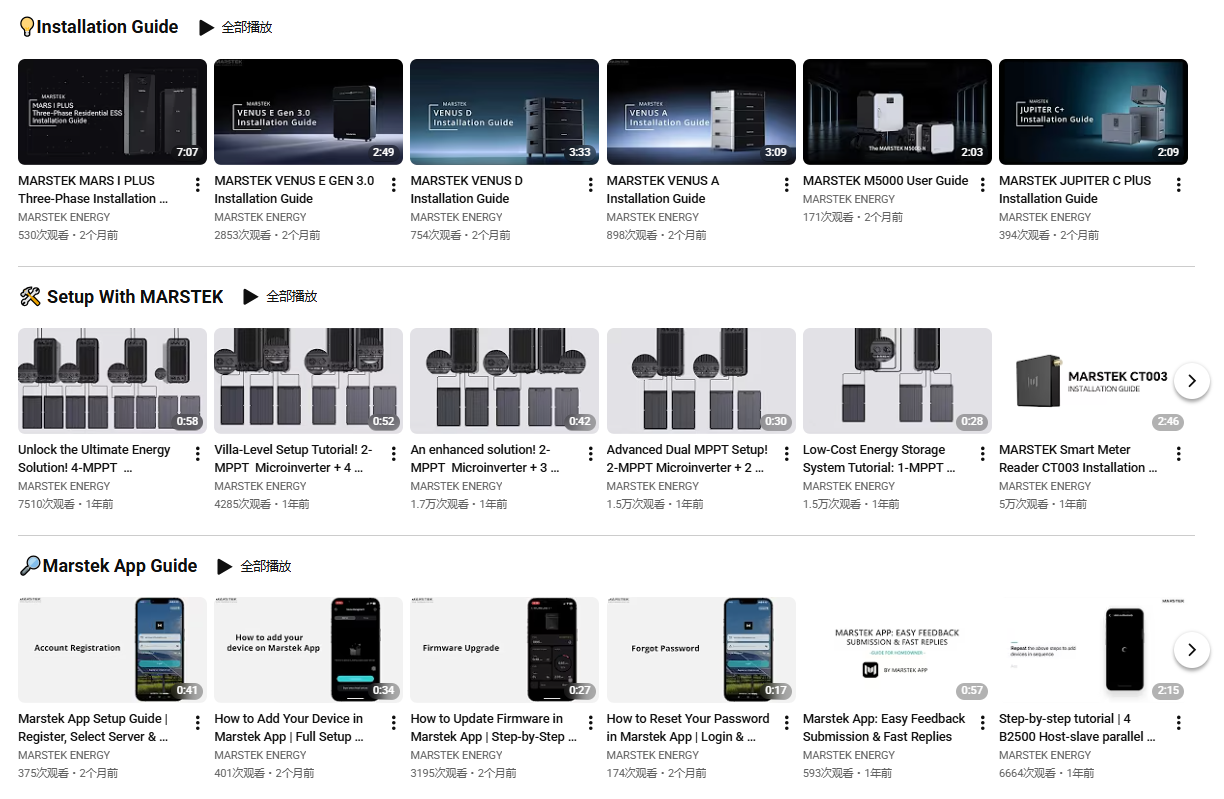
Image source: YouTube
Conclusion
In summary, MARSTEK's overseas journey confirms a trend: in overseas markets, the logic of 'big and comprehensive' is gradually failing, while 'small but refined' solutions targeting specific groups, specific scenarios, and specific spaces can actually break a gap.
Currently in Europe, the contradiction between energy transition pressure and living space constraints will not disappear in the short term; outdoor power demand in Southeast Asia and Australia is also on the rise. The micro energy storage category not only catches the policy trend of green energy but also fits the actual living scenarios of urban residents, with market space continuing to expand.
For domestic enterprises with supply chain capabilities, technical accumulation, or channel resources, entering the market now is not following the trend, but an inevitable response to the differentiation of demand.
The overseas market has never been monolithic; gaps always exist. Rather than competing head-on with industry giants in mainstream tracks, it is better to settle down and explore the niche demands overlooked by big brands. By identifying a differentiated track, you can also reap considerable market returns.