 1906
1906In the past two years, the industry has been flooded with voices pessimistic about portable energy storage. 'Prices have dropped 80% in three years,' 'Inventory is crushing factories,' 'Small brands won't survive this year'—such sentiments repeatedly fill industry group chats.
The price war is indeed brutal. From the peak in 2021 to 2024, the average price of portable energy storage products has been halved again and again, with entry-level products dropping from four to five thousand yuan to under a thousand yuan.
But is there really no opportunity in this market? Ctolity offers a different answer with a set of data.
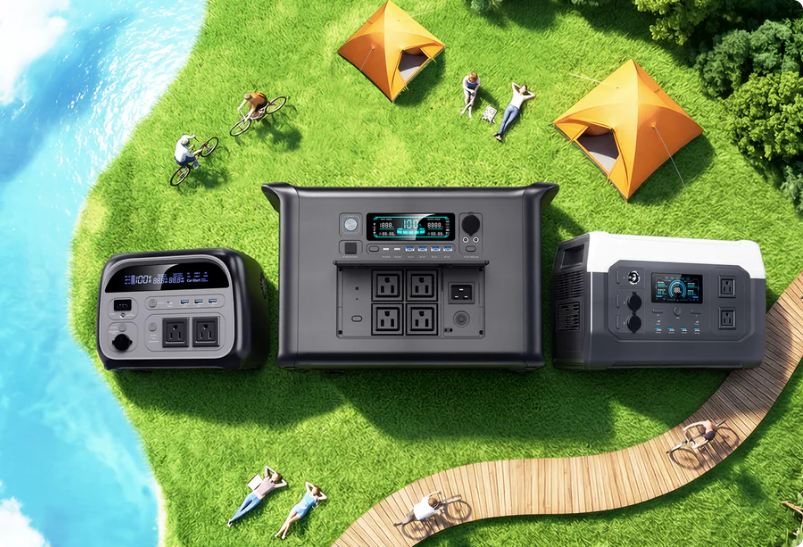
Image source: Ctolity
Since launching on TikTok US for over a year, total sales have reached $2.6774 million, with cumulative sales of over 12,500 units. In the industrial-grade energy storage category where unit prices often reach hundreds or even thousands of dollars, achieving such production scale clearly places it in the 'hot seller' ranks.
Today, let's take a look at how this brand, growing against the odds, has blossomed.
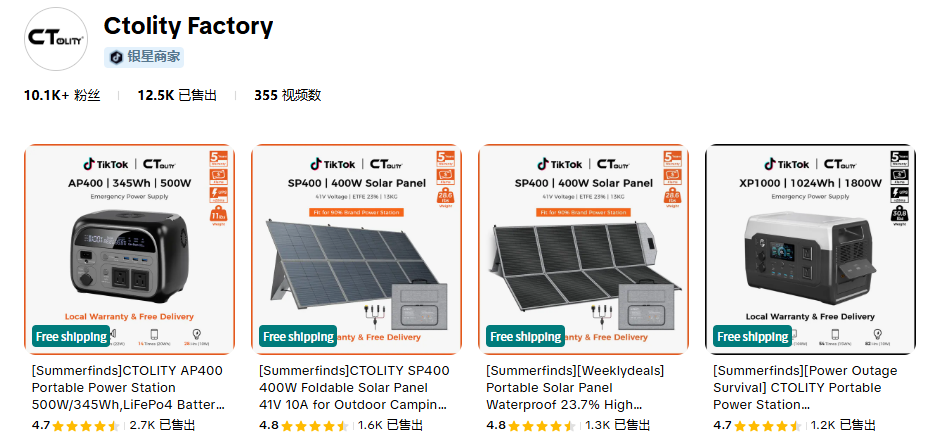
Image source: TikTok Shop
From traditional manufacturing to a D2C brand transformation
Behind Ctolity stands a listed company with over 20 years of manufacturing experience—Dehong Co., Ltd.
Since its establishment in 2001, the company has focused on the R&D and production of automotive alternators, from supplying domestic mainstream commercial vehicle brands to entering the global procurement systems of international companies such as Cummins and Navistar.
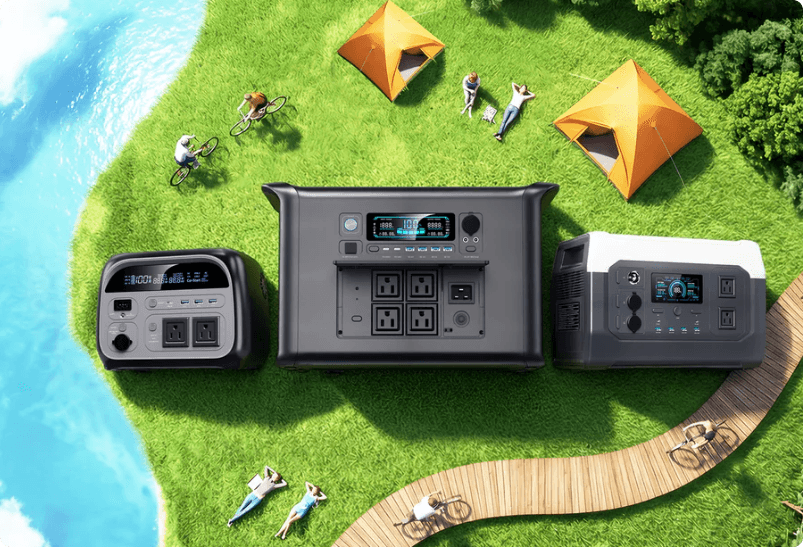
But traditional B2B business has its ceiling after a certain stage. Dehong Co., Ltd. chose to enter the energy storage track, launching Ctolity as a D2C brand targeting overseas consumers. The products cover scenarios such as outdoor camping, RV travel, home emergency backup, and outdoor work, with most components and PCS (power conversion system) produced in-house.
This strategy of 'manufacturing capabilities + direct consumer reach on the brand side' gives Ctolity a natural advantage in cost control and product iteration.
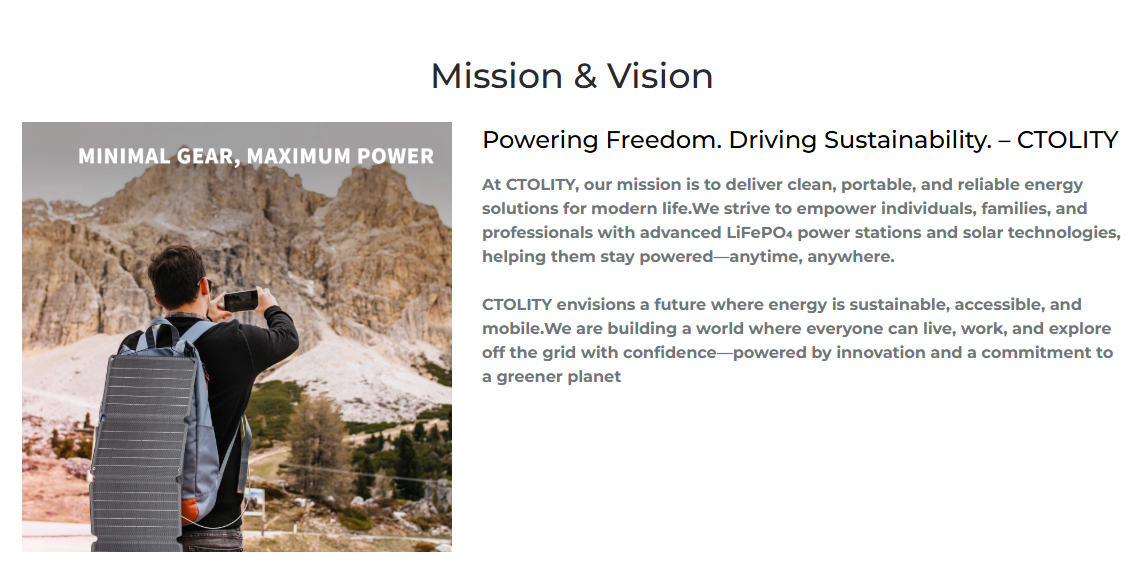
Image source: Ctolity
The industry is still growing, but the way it grows has changed.
The portable energy storage track is far from being 'a story with nothing left to tell.'
According to statistics, the global mobile energy storage system market is valued at $58.28 billion in 2025. The market is expected to grow from $67.05 billion in 2026 to $207.03 billion in 2034, at a compound annual growth rate (CAGR) of 15.13% during the forecast period from 2026 to 2035.
By region, Asia-Pacific dominated the mobile energy storage system industry with a 57.63% market share in 2025. The U.S. mobile energy storage system market is expected to see significant growth, reaching an estimated valuation of approximately $30.07 billion by 2032.
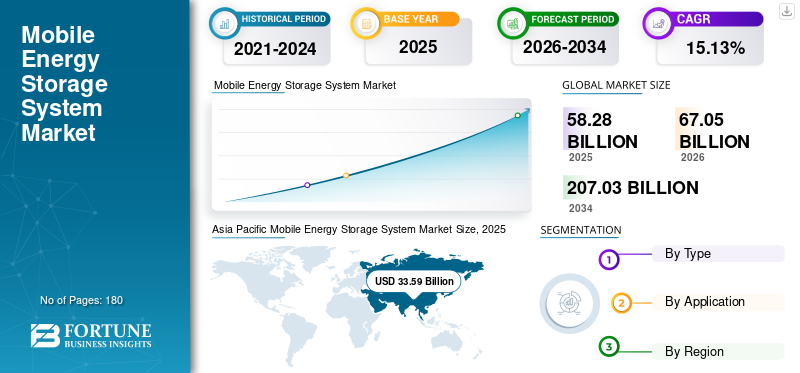
Image source: Fortune Business Insights
What does this mean? It means that whoever can tell a good story and build brand recognition through online channels will get the biggest piece of the pie.
More importantly, the penetration rate of portable energy storage is still low. The popularity of outdoor activities, the surge in demand for home emergency backup power, and the increased awareness of disaster prevention due to frequent extreme weather are all macro trends that continue to drive market demand.
Of course, the industry is indeed experiencing growing pains. The price war is suffocating many players, and portable energy storage products have not seen fundamental breakthroughs in functionality or form, making it difficult to stimulate large-scale replacement demand.
But precisely because product homogenization is severe, the ability to build a brand and manage channels has become more important than ever.
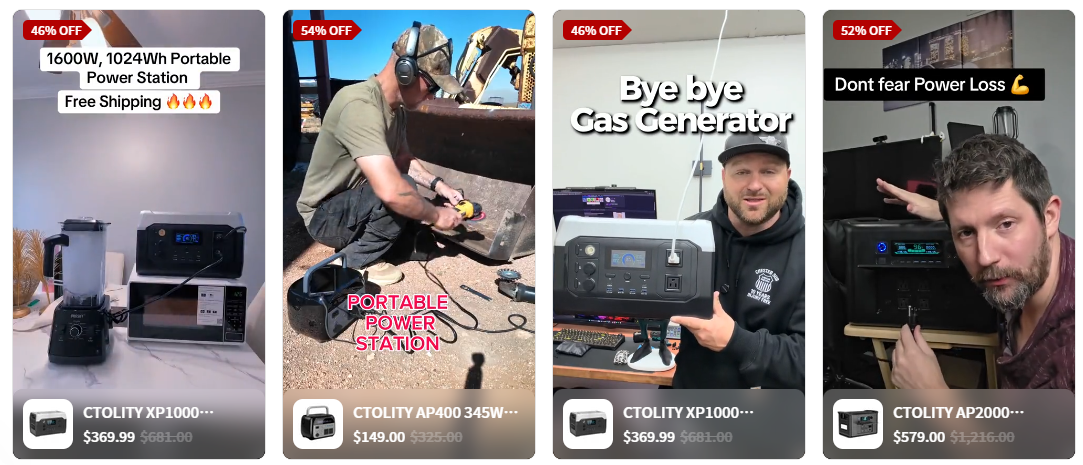
Image source: Ctolity
What did Ctolity do on TikTok?
Ctolity's approach on TikTok can be summarized in four words: precision, matrix.
Instead of chasing mega-influencers with millions of followers in general entertainment, they focused on mid-sized and small influencers (KOC) in niche verticals, driving massive content fission through an affiliate commission model.
The logic of this strategy is simple — portable power stations are not lipstick; they can't be sold just by a blogger saying 'it works great' in front of the camera. Users need to see the product solving problems in real scenarios.
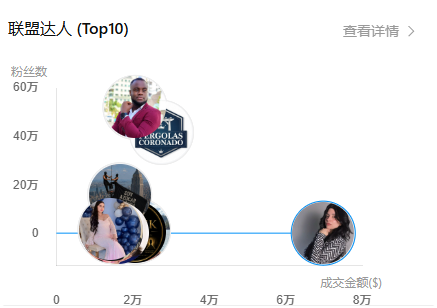
Source: kalodata
Here is a simple example:
- Woodworking and craft influencers
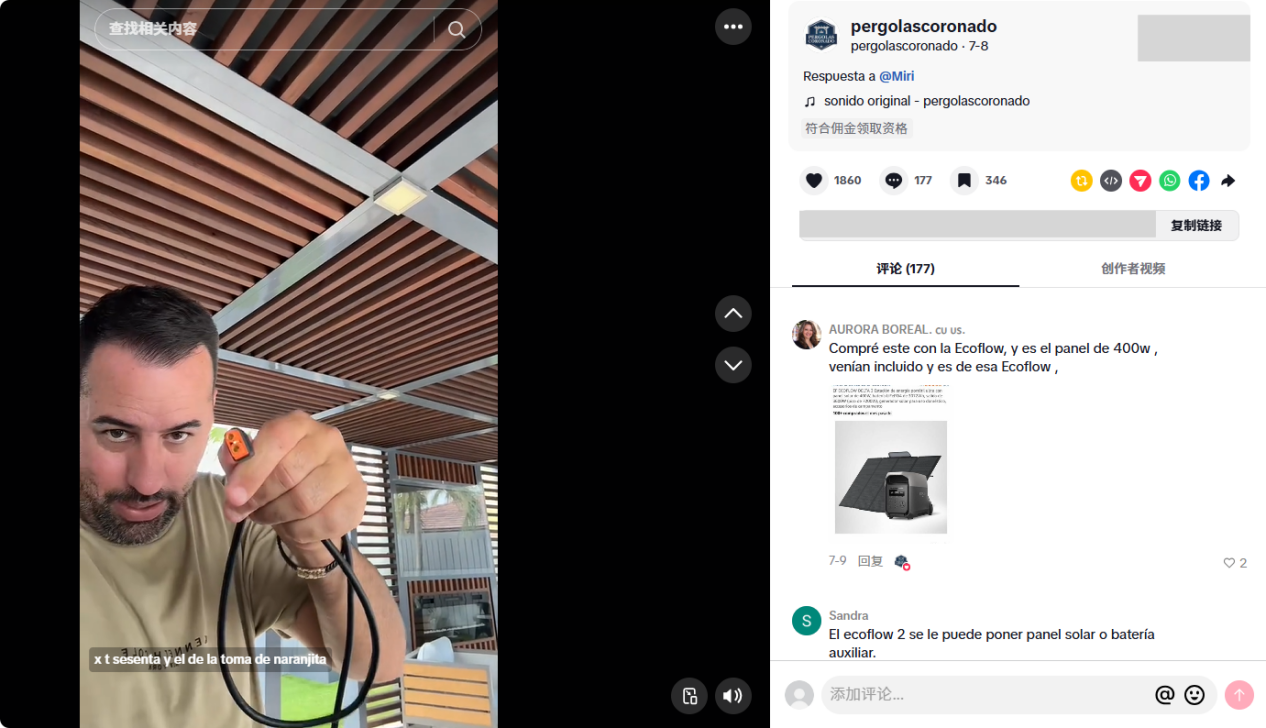
For example, collaborating with niche influencer @pergolascoronado, the video used a handheld selfie style to showcase CTOLITY foldable solar panels in a real outdoor environment. By demonstrating product capabilities in a real setting, the video successfully addressed users' concerns about the convenience of outdoor electricity.
The video was posted on July 8 and achieved $14,200 in sales in just over ten days. This shows that replacing parameter preaching with real experience is highly persuasive for professionals such as outdoor workers and garden renovators.
Source: TikTok
- Moms and family influencers
In the home emergency backup power scenario, CTOLITY tapped into user needs by collaborating with family influencers.
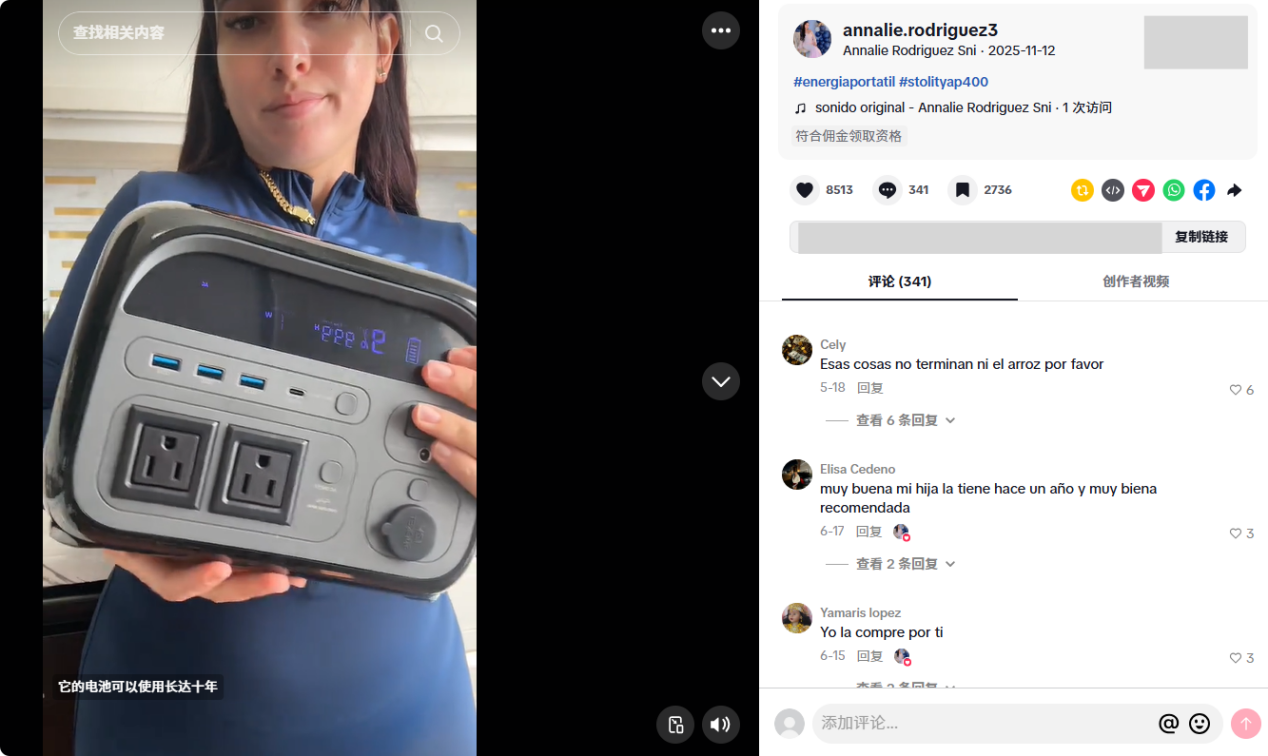
For example, a product promotion video by influencer @Annalie Rodriguez Sni opens with the personal motivation of 'buying for my mother,' quickly building emotional resonance and trust. The video showcases real usage scenarios where the device powers everyday appliances like TVs and rice cookers, while highlighting cost-effectiveness with a 68% discount price comparison.
The video ultimately garnered 660,000 views and achieved $65,000 in sales.
Such content precisely addresses the niche demand for home emergency backup power, providing the brand with a sustained base for scaling demand.
Source: TikTok
In addition to precise selection of influencers, the video content follows the same principle.
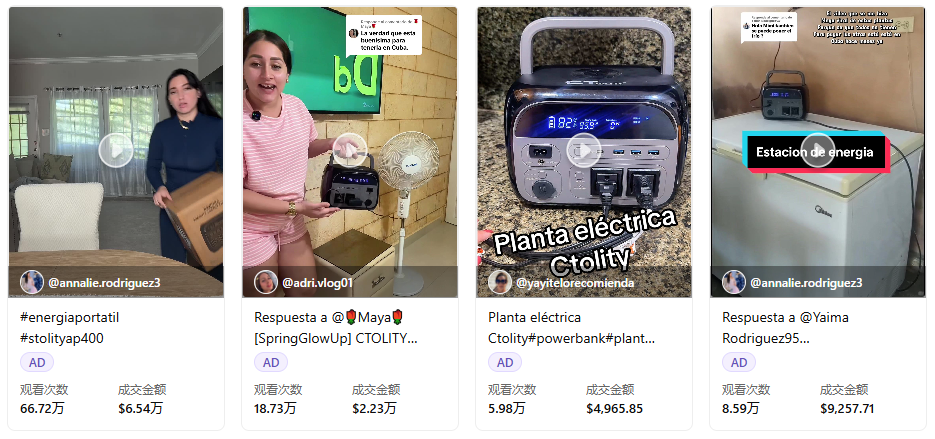
In terms of content, the brand abandoned boring parameter lists and focused on native scenario-based content. Videos often open with first-person perspectives such as 'power outage crisis,' 'extreme weather preparation,' 'outdoor picnic,' quickly grabbing user attention.
Additionally, in the bottom-left corner of the influencer's seeding videos, they directly embed TikTok Shop product cards. After being impressed by a specific electricity usage scenario in the video, users can make a one-click purchase, shortening the conversion path.
Source: kalodata
Moreover, Ctolity did not rely on a single account on TikTok; instead, it built a matrix of official accounts, including @ctolityfactory, @ctolityoffical, and @ctolityla. Through cross-traffic between matrix accounts, the official team regularly conducts product Q&A and customer service interactions.
The brilliance of this approach lies in that it does not rely on the luck of a single viral video, but instead repeatedly implants the perception 'Ctolity = reliable outdoor power source' in the minds of target users through continuous content output from numerous niche influencers. When users truly need a portable power station, Ctolity becomes the unavoidable choice.
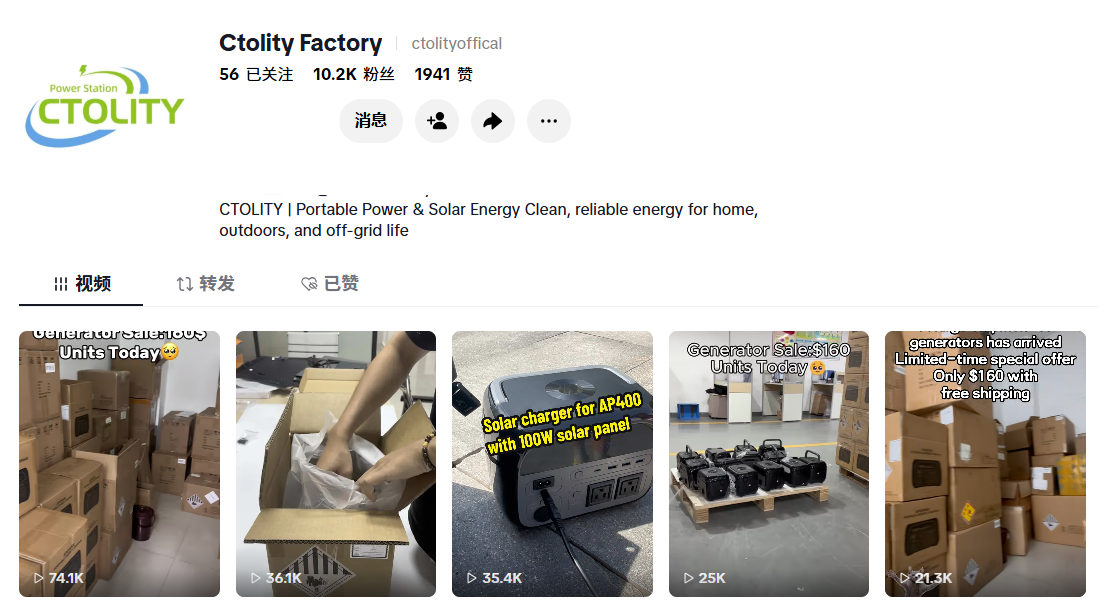
Source: TikTok
Final Thoughts
From Ctolity, we can see that Chinese manufacturing companies are not lacking in product power in overseas markets; what they lack is the ability to convert product power into brand power. The emergence of content platforms like TikTok essentially gives Chinese brands a path to bypass traditional channel barriers. You just need to find the right scenarios and the right people, and move them with authentic content.
Of course, this path is not easy. It tests the depth of a company's understanding of overseas users' lifestyles, tests the sustained investment in content creation, and tests the complete transformation from a 'selling goods mindset' to a 'brand mindset.' But compared to ten years ago, when going overseas relied solely on OEM and ODM, today's Chinese brands have a completely different starting point.
Opportunities have always existed; the key is whether you are willing to seize them in the right way.