 46
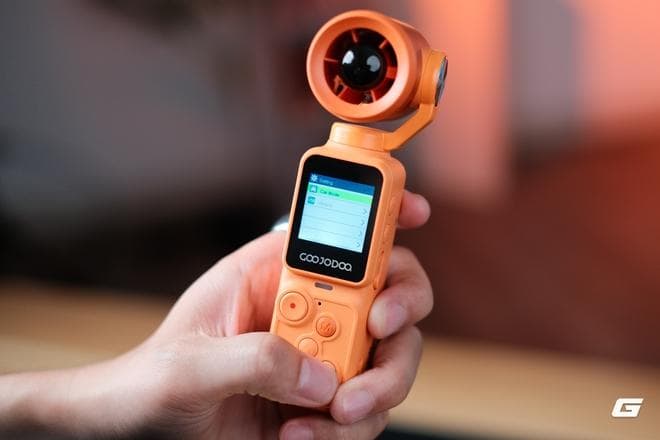
A 180-degree rotating gimbal, a small screen, handheld shooting... and many netizens even joked that it “looks like” DJI Pocket.
But don’t rush to call it a “knockoff”; it never planned to make a living by imitating cameras.
Its real identity is a portable fan launched by the Shenzhen-based export brand GOOJODOQ, combining shooting functions with cooling needs and giving the traditional small fan a new twist.
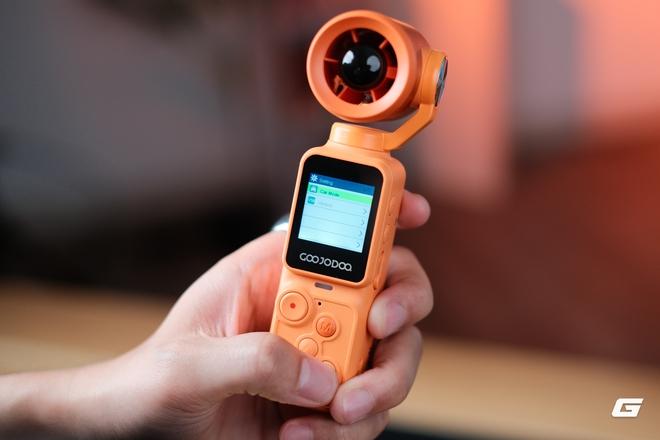
Image source: GOOJODOQ
Don’t assume fans are just an ordinary category—GOOJODOQ has achieved no small success in the Southeast Asian market.
According to statistics from the third-party data platform FastMoss, the brand’s cumulative sales in the five Southeast Asian countries on TikTok Shop have exceeded RMB 1.1 billion。
With a small fan, how did it carve out such a large market in Southeast Asia?
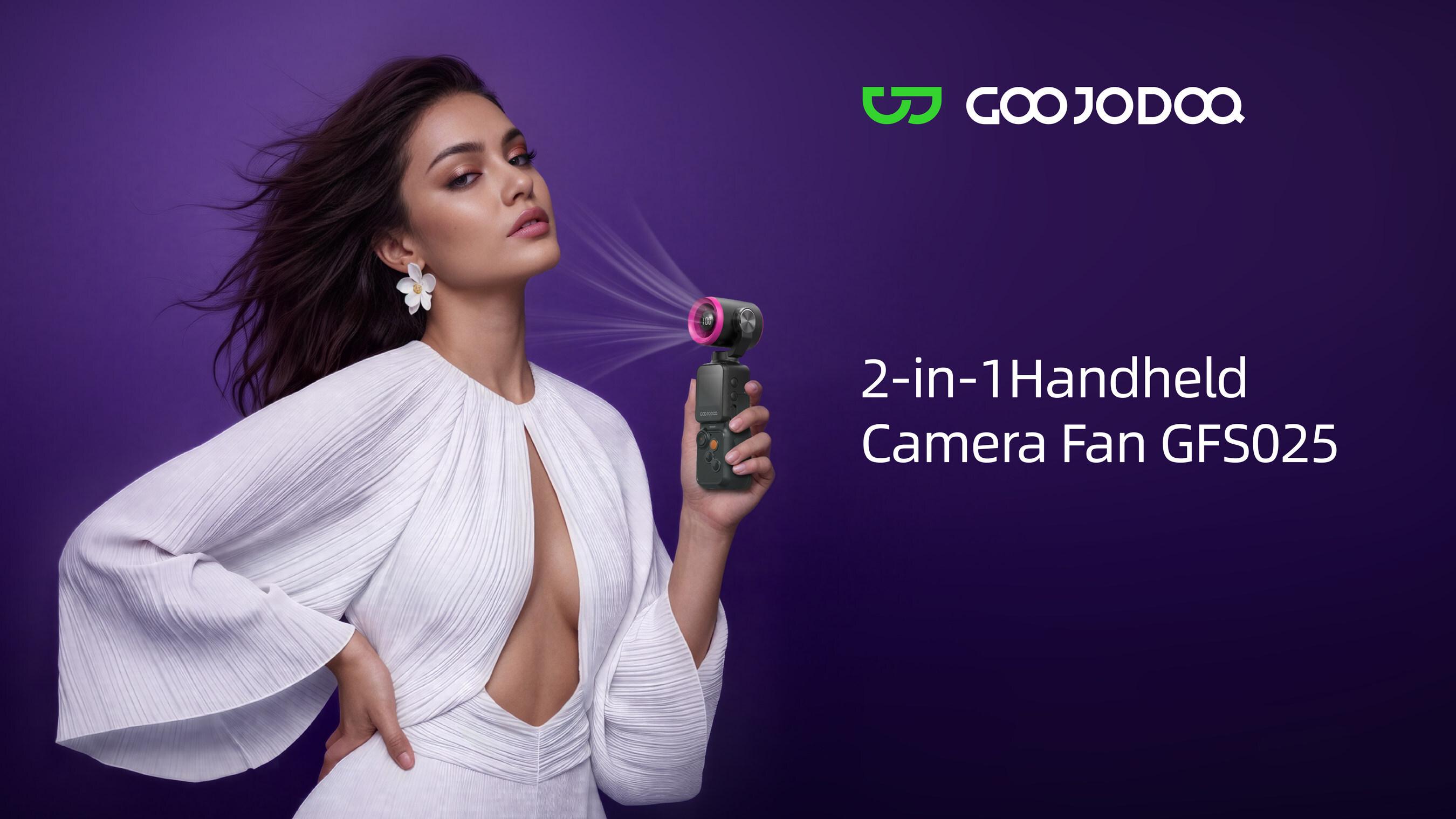
Image source: GOOJODOQ
A fan company that doesn’t seem like a “fan company”
GOOJODOQ was founded in 2017 and mainly operates portable fans and various consumer electronics products. According to the development history disclosed on the brand’s official website, the brand entered Shopee in 2019, then gradually expanded into TikTok and extended its business to Southeast Asian markets such as Indonesia, Thailand, Vietnam, Malaysia, and the Philippines.
As its business has grown, GOOJODOQ’s product line is no longer limited to fans but has gradually expanded to categories such as Bluetooth earphones, speakers, projectors, power banks, and smartwatches, attempting to cover more daily usage scenarios for young consumers.
However, what truly brought this brand attention on TikTok is still portable fans.
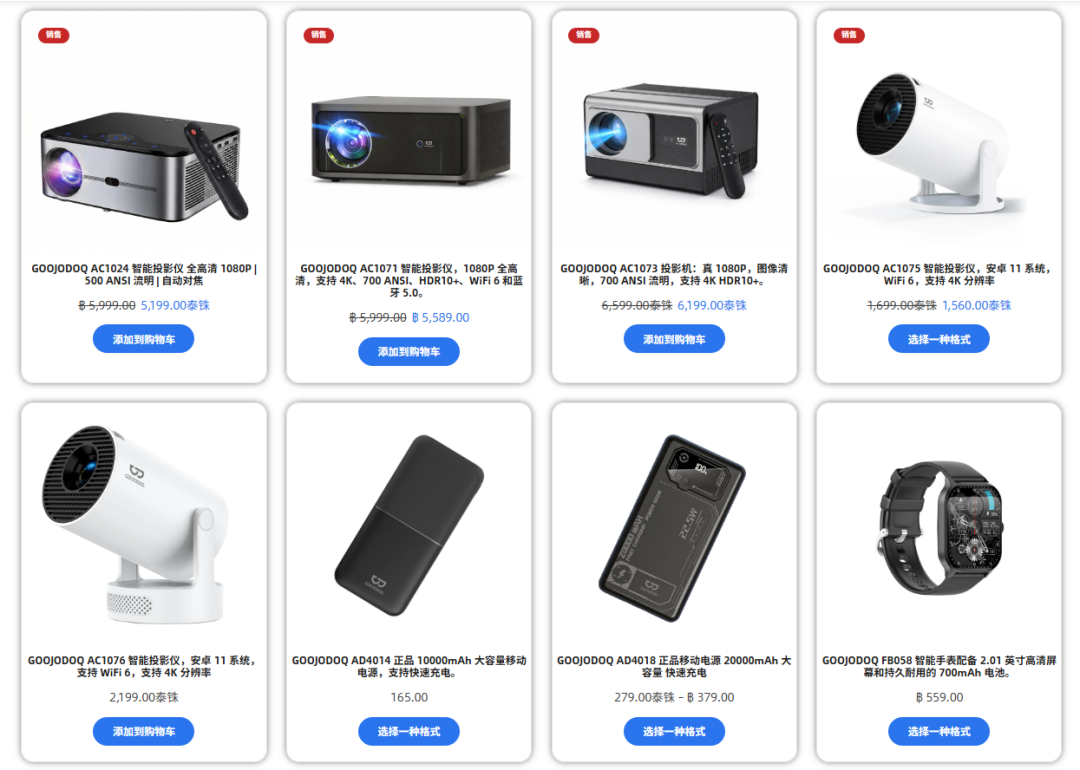
Image source: GOOJODOQ
“Heat” is the underlying backdrop, but heat alone cannot explain this category
The first reason portable fans can succeed in Southeast Asia hardly needs argument: heat.
Most parts of Southeast Asia are hot all year round. Here, fans are not a “summer-only” item but a high-frequency necessity that has penetrated daily scenarios such as commuting, attending class, shopping, and riding motorcycles.
But climate is only an entry ticket. If it were only about “heat,” this market should long ago have been filled with the lowest-priced products.
What truly reactivated this category on TikTok is its natural fit with short-video content.
The selling points of a fan—wind power, cooling, battery life, and size—are almost entirely visual.
A gust of wind blowing hair, a semiconductor cooling plate condensing water mist, a device pulled out of a pocket and unfolded—these actions can complete the “demo—seeding” loop in a video of just over ten seconds.
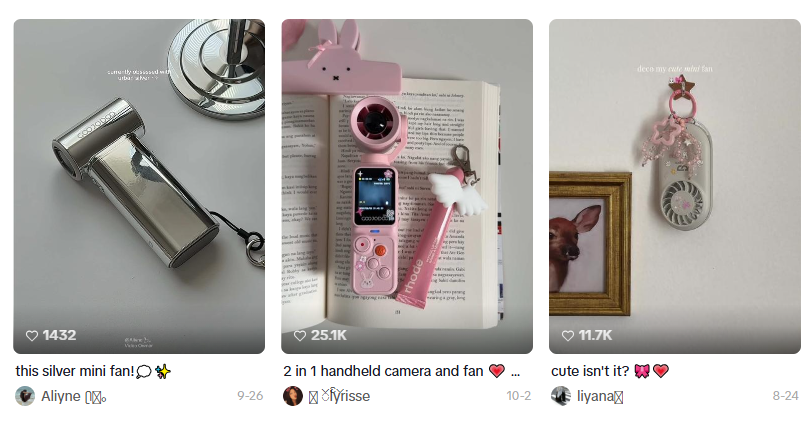
Image source: TikTok
Use TikTok to sell products to more people
It is understood that GOOJODOQ has built a creator network for driving sales on TikTok Shop in five Southeast Asian countries, with more than 330,000 creators, including over 315,000 video commerce creators.
This number can easily be misread as "the result of volume coverage," but volume itself does not create efficiency. What really works is that creators of different scales and types have found different angles of expression for the same product.
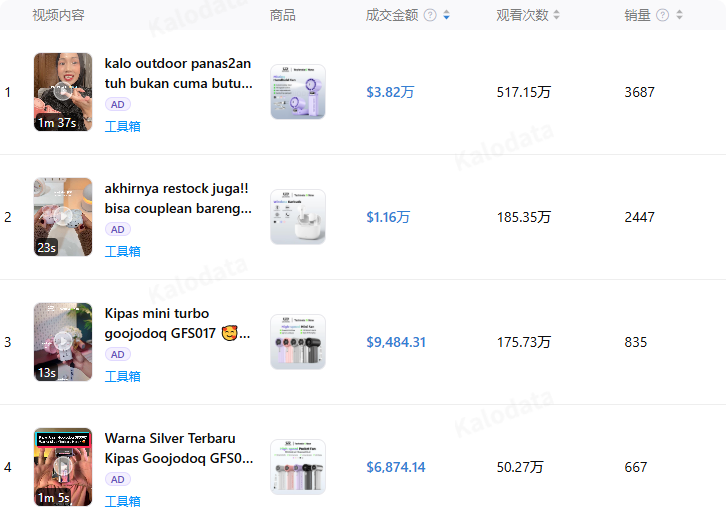
Image source: kalodata
Take GOOJODOQ GFS007 as an example: the same product appears in completely different ways in different creator videos.
For example, creator @erik.pratamaa leans more toward an unboxing review, introducing the product directly to the camera and showing body details, lanyard length, accessories, and comparisons of different colors, so consumers gain a more concrete understanding of this fan.
This type of content focuses more on clearly explaining what the product is and what the details are like, helping consumers understand the product.
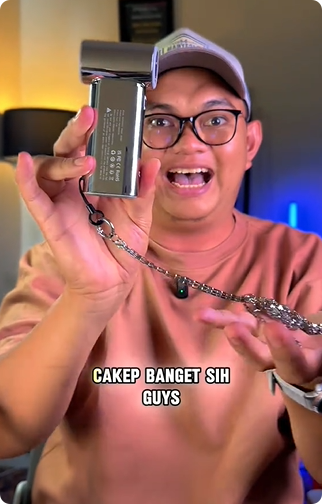
Image source: TikTok
Another creator, @araandmom, has a more concise video that mainly uses a clean background, product close-ups, and a hands-on demonstration to show GFS007's metallic texture, design, and portability. Overall, it feels more like a refined product showcase. Compared with detailed explanation, it emphasizes visual presentation more, letting the product itself attract consumers' attention.
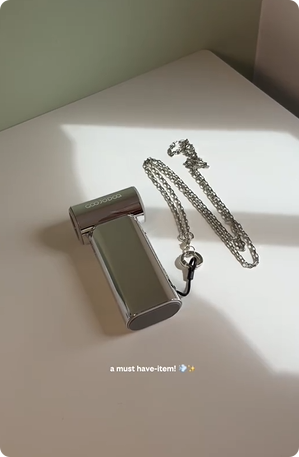
Image source: TikTok
The same product does not necessarily need the same way of being presented.
Compared with having all creators repeat the same set of selling points, this approach lets the product appear before consumers in different forms and makes it easier to reach different audiences.
The value of this structure is not that "there are many creators," but that the brand does not need to produce all content itself and does not need to bet only on a few top streamers.
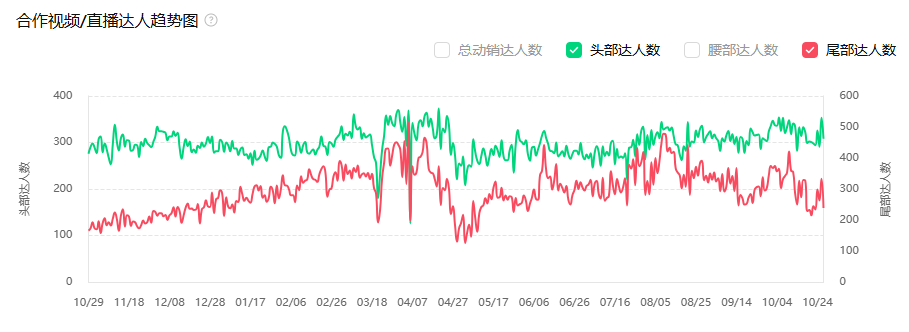
Image source: kalodata
In addition to creator distribution, the brand is also running its own TikTok accounts.
On TikTok, it can be seen directly that GOOJODOQ has set up multiple segmented accounts in Malaysia by product category, and the total followers of the related accounts exceed 310,000; in the Indonesian market, its GoojodoQ.Store account has also accumulated a relatively large follower base.
The value of this account layout is that it enables the brand to continuously operate its own content base rather than relying entirely on external creators.
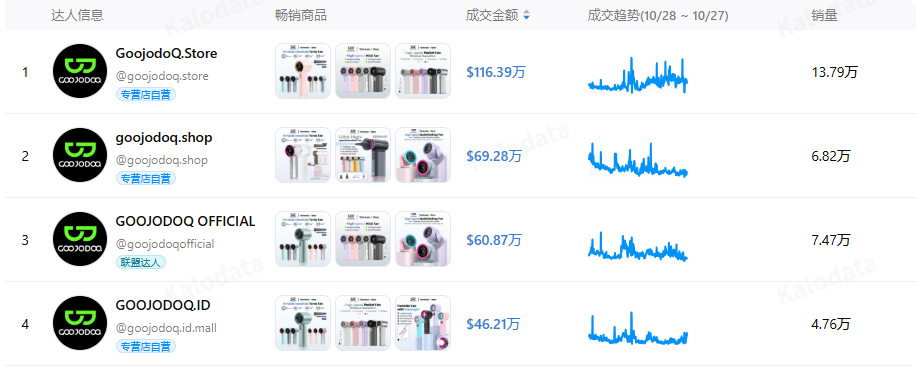
Image source: kalodata
Not replication, but learning and adaptation
Some products look ordinary in the domestic market, but in another market they may gain new usage scenarios; some categories are not conspicuous enough on shelves, yet short video demonstrations can help consumers quickly understand their value.
This is exactly where the significance of TikTok lies.
It is not a universal channel that automatically brings orders just by putting products overseas; rather, it gives brands an opportunity to retell their products and reach consumers. Whether they can seize this opportunity ultimately still depends on the product itself, market judgment, and operational capabilities.
GOOJODOQ opened up the Southeast Asian market with a fan, but for other brands, what is truly worth learning is not to make another similar fan, but to find their own product angle and then explain it clearly and sell it in a way suited to local consumers.