 3456
3456
After successfully launching in the UK, Germany, France, Italy, Spain, and Ireland,TikTok Shop's expansion in the European market has not stopped.
It is reported thatthe TikTok Shop sites in Poland, the Netherlands, and Belgium will officially go live at 9:00 am (GMT+2) on June 1, 2026.
This marksthe expansion of TikTok's European e-commerce map to nine countries, opening up a new round of growth opportunities for cross-border sellers.
Image source:Google
Three sites launched simultaneously,TikTok Shop's European layout welcomes a key move
The launch of these three new sites is not a hasty decision, buta key step in TikTok Shop's long-term strategy in Europe.
At the beginning of this year, the platform clearly announced its intention to open new sites in Poland, Portugal, the Netherlands, and Serbia. Judging from the final order of launches, it is not surprising that Poland appears in the first batch of launches.
Behind this is the"greatest common divisor" principle—prioritizing markets with relatively mature e-commerce infrastructure, high user acceptance, and smooth logistics chains for breakthroughs.
The simultaneous addition of the Netherlands and Belgium further strengthensTikTok Shop's coverage in the border area between Western and Central Europe. Although these two countries have smaller market sizes than Germany and France, their per capita purchasing power is strong, cross-border consumption willingness is high, and there is a natural logistics and consumption linkage effect with surrounding mature sites.
The simultaneous launch of three sites is not onlyTikTok Shop's concentrated reinforcement of the Central European market, but also an important sign of its transition from single-point breakthroughs to regional linkage.
Image source:Google
Impact on sellers: a brand new battlefield with both opportunities and challenges
For sellers who have already established themselves on other European sites, the opening of Poland, the Netherlands, and Belgium is undoubtedly a great opportunity for low-cost horizontal expansion.
On the one hand, existing operational experience, content materials, and supply chain configurations can be reused to a certain extent, greatly reducing the start-up costs of new sites; on the other hand, users in these three countries are in a period of increasing acceptance of short video and live-streaming e-commerce, making it easier for early entrants to capture users' minds and establish a first-mover advantage.
However, the challenges cannot be ignored. The three countries have obvious differences in language and culture: Poland is mainly Polish, while the Netherlands and Belgium involve Dutch, French, and even German-speaking regions. This means that the threshold for content localization is higher than in large single-language markets such as Germany, France, Italy, and Spain.
In addition, although the logistics systems in the three countries are mature, sellers still need to gradually adapt in actual operations to last-mile delivery timeliness, return and exchange habits, and consumers' trust in cross-border parcels.
More importantly,TikTok Shop is still in a stage of rapid iteration in Europe, and there may be adjustments to platform policies, commission rules, and traffic distribution mechanisms. Sellers need to have high flexibility and risk resistance.
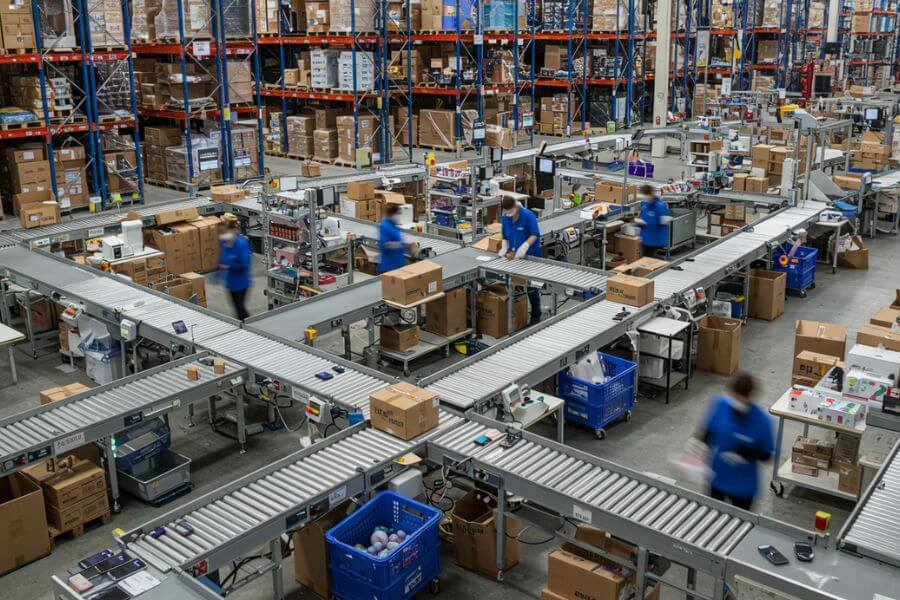
Image source:Google
Seller strategies: deep localization and differentiated operations in parallel
Facing the soon-to-open new markets, sellers can plan ahead from three dimensions.
First,localization of content should not be superficial. In addition to language translation, it is necessary to create native content based on local hot events, popular music, and regional festival customs. For example, Polish users have a high sense of identity with local history and national elements, while Dutch users prefer practical, eco-friendly, and minimalist consumption concepts. These differences should be reflected in short video scripts and live-streaming room scripts.
Second, product selection strategies should not simply copy the experience of Germany and France. Poland's per capitaGDP and consumption level are different from those of Western Europe, so categories with high cost performance and strong rigid demand are more likely to sell well; while Dutch and Belgian consumers are more sensitive to design, quality certification, and eco-friendly labels, and there may be opportunities in mid-to-high price segmented tracks. Sellers can adopt a country-specific approach, testing products in small batches first and then quickly adjusting based on data feedback.
Third, build localized service capabilities in advance. The response time of after-sales customer service, the clarity of return and exchange processes, and the ability to communicate in local languages will directly affect store ratings and repurchase rates. Establishing cooperation with local overseas warehouses or third-party logistics service providers to shorten the fulfillment cycle is also a key part of improving the consumer experience.
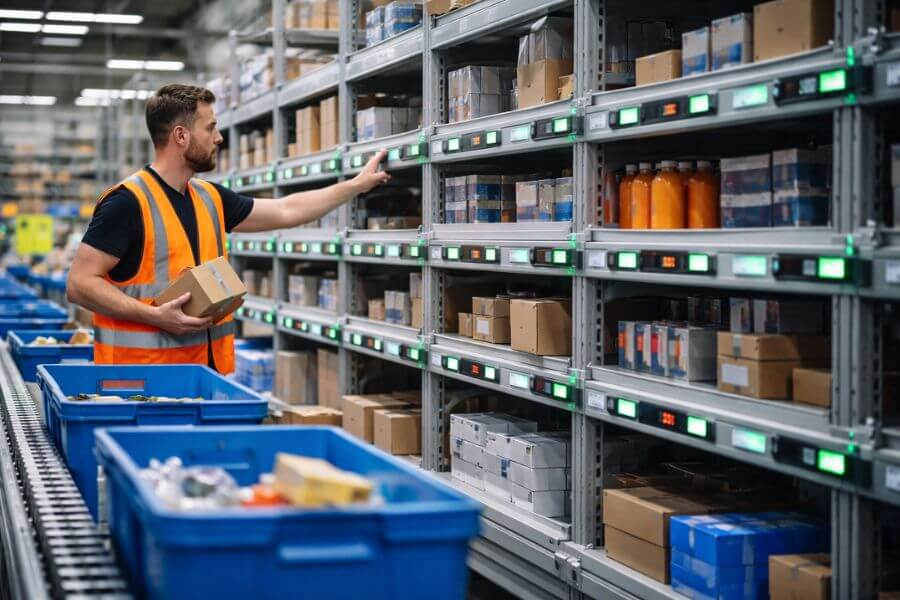
Image source:Google
Conclusion
On June 1, 2026, the official opening of the TikTok Shop seller centers in Poland, the Netherlands, and Belgium is not only a key leap in the platform's own European strategy, but also a valuable window for cross-border sellers to capture a new round of growth dividends.
AsTikTok's e-commerce map in Europe expands from 6 countries to 9, a more diverse and competitive new era of social e-commerce is quietly beginning.
For those who are determined to deeply cultivate the European market, now is the best time to get ready and seize the opportunity.