 1185
1185In the summer of 2026, the dust had just settled on the US-Mexico-Canada World Cup, but records on another track were still being broken.
When Spain held the World Cup trophy aloft, TikTok also delivered its debut report card as FIFA's official platform of choice: as of July 22, global cumulative views of World Cup-related videos surpassed 1.2 trillion.
This directly heralds the arrival of a new era—the traffic sovereignty of sports events has officially been transferred from traditional broadcasting seats to algorithm-driven content plazas.
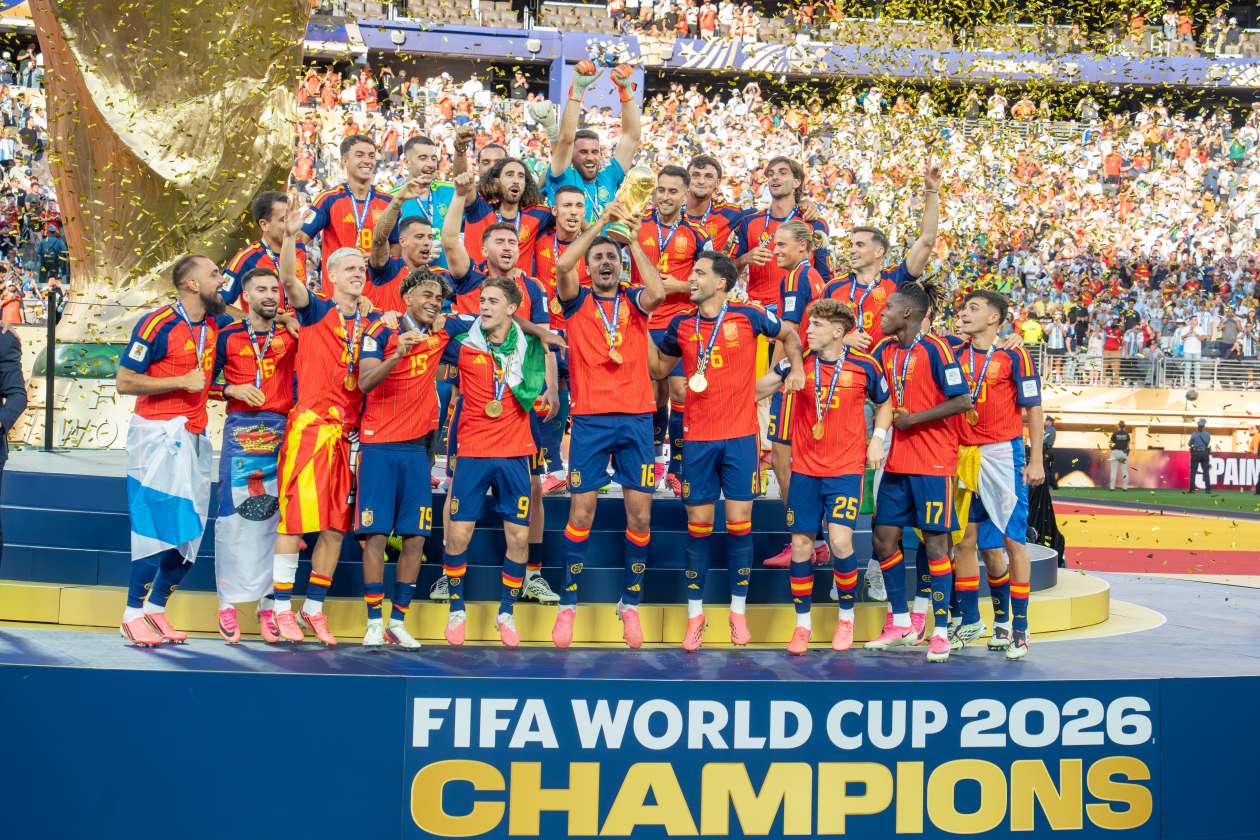
Image source: Wikipedia
A paradigm shift from "viewing" to "symbiosis"
If the 2022 Qatar World Cup was a testing ground for short videos, then 2026 will be a full-blown explosion.
Data shows that post volume under the #FIFAWorldCup hashtag has surged by nearly 1700% compared to the previous edition, with close to 22 million videos flooding into the global information landscape like a torrent. This is by no means a mere accumulation of numbers—it is a reshaping of content production relationships.
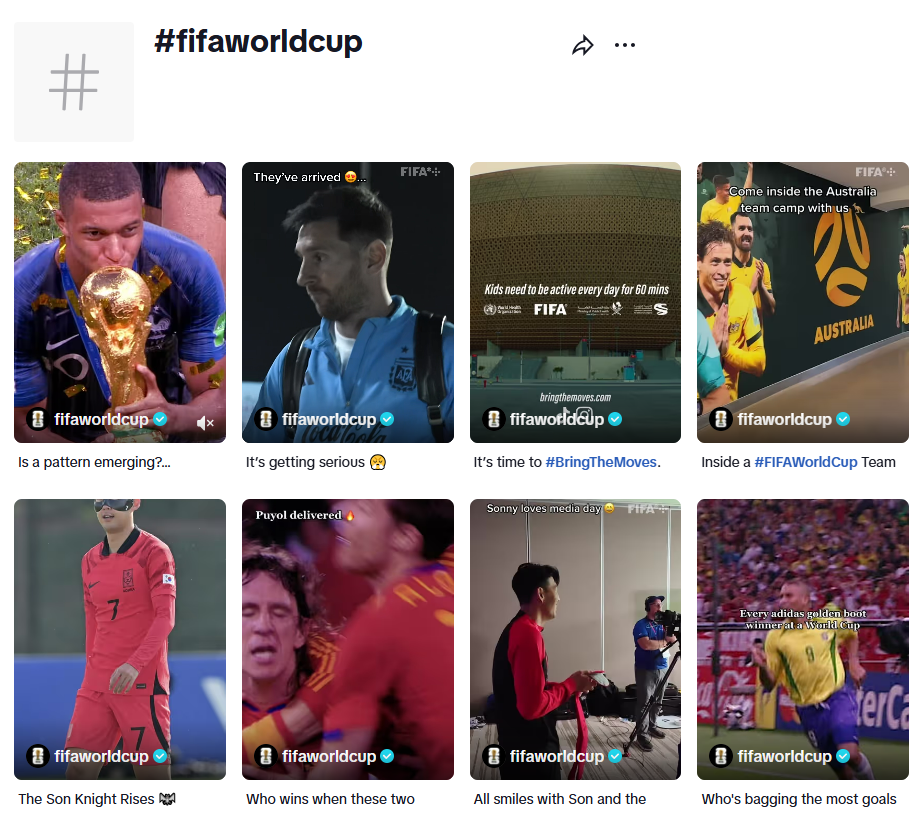
Image source: TikTok
TikTok stretched the traditional 90-minute match into a full-time content scene spanning "pre-match—in-match—post-match." The official account @fifaworldcup garnered 28 billion views and 1.7 billion likes, while the 57 million new followers proved the appeal of official content in the era of fragmentation.
When the pronunciation of Spanish rising star Lamine Yamal's name becomes a global challenge, and when a certain expression of Kane's or a sideline moment featuring Merlin the Duck turns into social currency, we can clearly see that the power to define the narrative of the event is being decentralized. Combined with the 30 creator-journalists dispatched by the platform across 22 countries, this shift from one-way broadcasting to two-way co-creation has triggered an exponential nuclear fission in traffic.
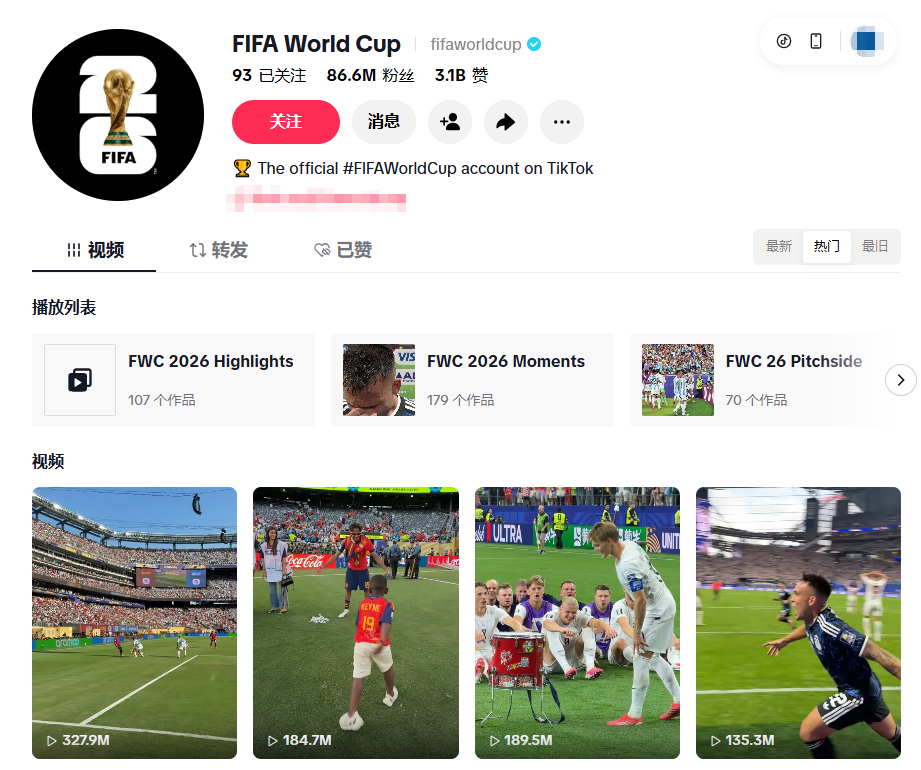
Image source: TikTok
Platform Ecosystem Evolution: From “Spectating” to a “Global Digital Carnival”
This traffic spectacle is equally a milestone for the TikTok platform's own development. The 1.2 trillion plays served, in effect, as a comprehensive stress test and successful validation of its "sports socialization" strategy.
The 520 million visits to the event section and the 107,000 pieces of content published by official broadcast partners mark TikTok's infrastructure capability to host premium copyrighted content. It is no longer a mere content distribution channel, but has evolved into a composite media giant with "broadcasting rights + derivative creation rights + interaction rights." The 660 million unique livestream viewers prove that long-form and short-form videos are not mutually exclusive within its ecosystem, but rather form a perfect closed loop of "livestream driving traffic, short-form video fueling engagement."
Image source: Google
Meanwhile, Brazil, Mexico, and the United States—as the most active markets—also reveal the deep bond between football traffic and emerging markets. This is crucial for the platform's future commercialization strategy, proving that TikTok can not only do general entertainment but also fully master vertical major sporting events, while precisely tapping into the massive consumer potential of the Americas. Through the World Cup, TikTok has successfully transformed itself from a "casual scrolling" entertainment app into a "must-have for following major tournaments" national-level information hub. The value of this mindshare positioning far exceeds short-term advertising revenue growth.
Image source: Google
Conclusion
1.2 trillion views mark the end of TikTok’s World Cup debut, but the beginning of a brand-new digital sports era. For those going global, this is not just stunning data—it is a starting gun: as tournaments fully migrate from TV screens to phone screens, and as fans transform from spectators into co-creators of content, the way brands talk to users has been completely rewritten.
Looking ahead, sports marketing will have no more "outsiders." Sellers who can keenly capture meme culture, leverage interactive technology, and rapidly respond to micro-trends amid the new wave of content paradigm shifts will have the opportunity to ride TikTok's momentum and score a spectacular "bicycle kick" on this new playing field where "content is traffic, interaction is growth."