 2312
2312Established social platforms are the core strategy for existing companies’ B2B marketing, with LinkedIn aiming to connect with other business professionals. Twitter leans more towards text content, real-time news, and personal opinions and arguments. YouTube is a battleground for medium and long-form videos, not suitable for daily casual sharing and spreading, with a high proportion of finely edited videos. Traditional social media like Facebook and YouTube are still the main battlegrounds for product content marketing and advertising. However, more and more B2B companies are realizing that Tuke offers more than just dance challenges and cute animal content.
Tuke is unique among social media platforms because its authenticity is above all else.
Compared to videos on platforms like Instagram Reels and YouTube, Tuke videos tend to be less professionally edited and curated, appearing more genuine and down-to-earth.
LinkedIn’s recent research on B2B has proven that marketing strategies that appeal to audience emotions are more effective than those that take a rational approach.
Of course, both sides of the coin are important. Rational marketing requires individuals to take action and tells them exactly why they should do so. On the other hand, emotional marketing can build brand awareness.
Let’s take a look at how Tuke combines rational and emotional marketing, that is, the benefits of Tuke for B2B marketing:
1. Localized Hashtags
Tuke’s down-to-earth content, especially locally specific hashtags, can be used to connect with other local professionals and potential clients, effectively building user connections. What does this mean?
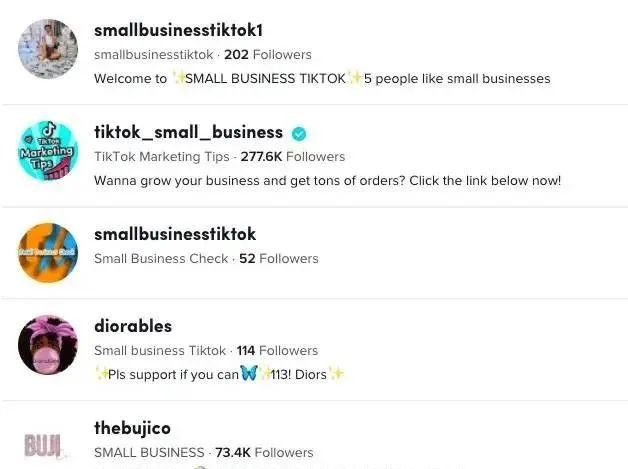
For example, marketing agencies based in York tend to use #YorkshireBusiness##SmallBusinessTukeUK.
Using hashtags helps you get discovered in the B2B circles on Tuke.
Posts will break through the activity threshold of the #SmallBusinessTukeUK# hashtag on Tuke. The views for these tags are in the thousands rather than millions, which means users are more likely to discover your videos. If your product is particularly concentrated in a certain city, you can use this method to create video tags.
2. Evoking Emotions
When considering B2B marketing, the word “emotion” may not be the first thing that comes to mind. Compared to the tone of company blogs or Twitter and LinkedIn posts, informal platforms like Tuke may seem too unfamiliar.
But as the rule of thumb in marketing goes, the best ideas may come from throwing the rules out the window, “through creative and unexpected ways.”
Ultimately, potential clients are no different from B2C consumers; they are still looking for trust and authenticity in products or services. They are still people, and as long as they are people, they have feelings and can be moved by resonant content, so content and users must be integrated!
For example, you can use Tuke to share your company’s origin story, talk about your corporate values and charitable work, or simply focus on your office dog. Of course, you can share these contents in LinkedIn posts or company blogs as well.
But Tuke’s video format and informal nature allow for more personalized content compared to other platforms. Video can add tremendous value to your social media strategy and achieve better ROI. It has been proven that video generates more shares and potential customer conversions than text and image content.

Emphasizing a Misconception: Tuke Is Not Just for Young People
A common misconception is that Tuke is only useful for marketing to young people.
While 41% of users are aged 16 to 24, the remaining 59% are in other demographic groups.
Considering Tuke has over 3 billion active users worldwide, this provides a considerable target audience for B2B companies. B2B need not fear Tuke.