This report is Mintel's analysis of the Southeast Asian beauty and personal care market, mainly exploring market trends, consumer demands, and brand response strategies, providing reference for companies wishing to enter or expand in the Southeast Asian beauty and personal care market.
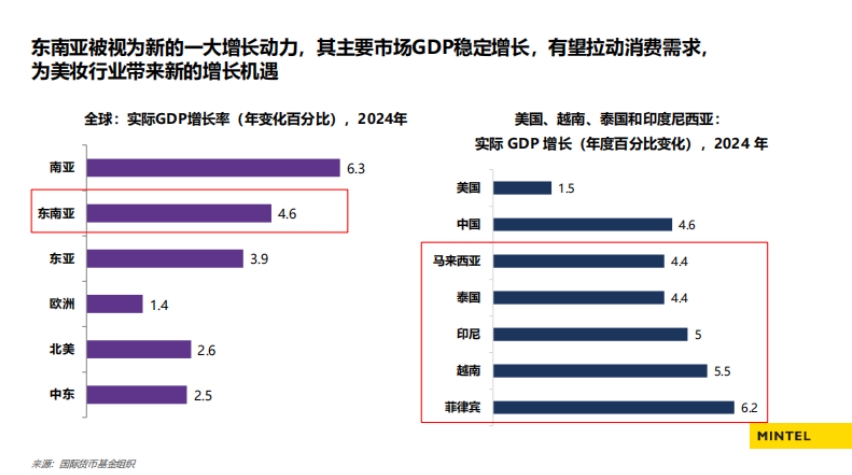
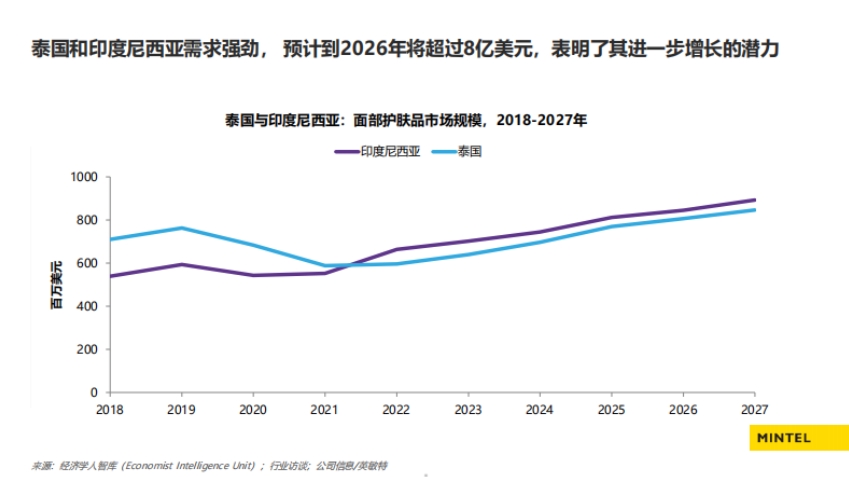
1. Great market growth potential: The GDP of major Southeast Asian markets is growing steadily. For example, the facial skincare market in Thailand and Indonesia is expected to exceed $800 million by 2026, bringing new opportunities to the beauty industry.
2. Diverse consumer demands: Southeast Asian consumers have unique characteristics in beauty habits, skin problems, and preferences. For example, some consumers add more facial skincare steps, pursue high-quality ingredients, and focus on brightening skin tone; common skin problems include redness, desire for brighter skin, and acne troubles, and there is a preference for lightweight skincare products.
3. Opportunities for Chinese companies: Chinese skincare brands perform well in Indonesia's e-commerce sector. Brands like Breylee are welcomed by Indonesian consumers due to their focus on star ingredients, innovative marketing strategies, catering to local preferences, and reasonable prices.
4. Market development directions: First, tap into the potential of post-procedure skin repair products. As the acceptance of beauty treatments increases, the market for post-procedure skincare products presents opportunities, and brands can promote products from multiple angles; second, attract consumers with sleep and health claims, as consumers pay more attention to sleep and health, brands can launch related products; third, use active ingredients to meet the needs of function-focused consumers, as local consumers value product functionality and efficacy, brands can launch products with scientific ingredient combinations and provide evidence for efficacy claims.