 2729
2729En los últimos dos años, el entorno comercial global ha cambiado drásticamente.
Con los frecuentes ajustes en las políticas arancelarias de Estados Unidos, muchas empresas chinas que se expanden al extranjero han comenzado a dirigir su atención hacia el mercado del Sudeste Asiático. Esta región no solo cuenta con un enorme bono demográfico, sino que también está experimentando un rápido crecimiento de la clase media y una infraestructura de comercio electrónico cada vez más madura.
Sin embargo, establecerse aquí no es fácil. Las grandes marcas internacionales ya se han posicionado, las marcas locales están al acecho, y para los nuevos actores, obtener una parte del pastel es extremadamente difícil. No obstante, una marca china de pequeños electrodomésticos logró, en su primer año, entregar 1.82 millones de unidades y alcanzar ventas por 230 millones de yuanes, además de obtener el primer lugar en su categoría en plataformas de comercio electrónico de varios países del Sudeste Asiático.
Esa marca es Gaabor. Sin un respaldo financiero sólido ni ser un veterano en la industria, ¿cómo logró destacar en tan poco tiempo? Analizar detenidamente su camino de expansión internacional podría ofrecer inspiración a las empresas chinas que están observando el mercado del Sudeste Asiático.
Fuente: Gaabor
Transformación de "proveedor de servicios" a "marca"
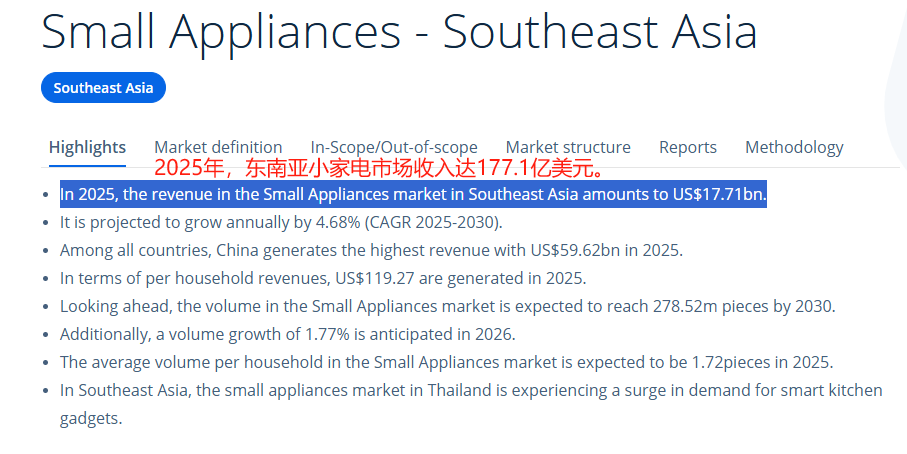
El mercado del Sudeste Asiático está experimentando una actualización del consumo. Con la rápida urbanización y el crecimiento continuo de la clase media, los consumidores locales exigen cada vez más calidad de vida, lo que ha impulsado un crecimiento explosivo en el mercado de pequeños electrodomésticos. Según datos, para 2025, el tamaño del mercado de pequeños electrodomésticos en el Sudeste Asiático superará los 17.710 millones de dólares, y esta tendencia de crecimiento continúa.
Fuente: Statista
Pero obtener una parte de este mercado no es sencillo. Los países del Sudeste Asiático tienen grandes diferencias culturales, hábitos de consumo variados y un entorno geográfico complejo, lo que dificulta la expansión a través de canales tradicionales offline. Afortunadamente, el rápido desarrollo del comercio electrónico ofrece nuevas oportunidades. Las generaciones más jóvenes están cada vez más acostumbradas a las compras en línea, lo que ha dado esperanza a muchas marcas chinas de pequeños electrodomésticos.
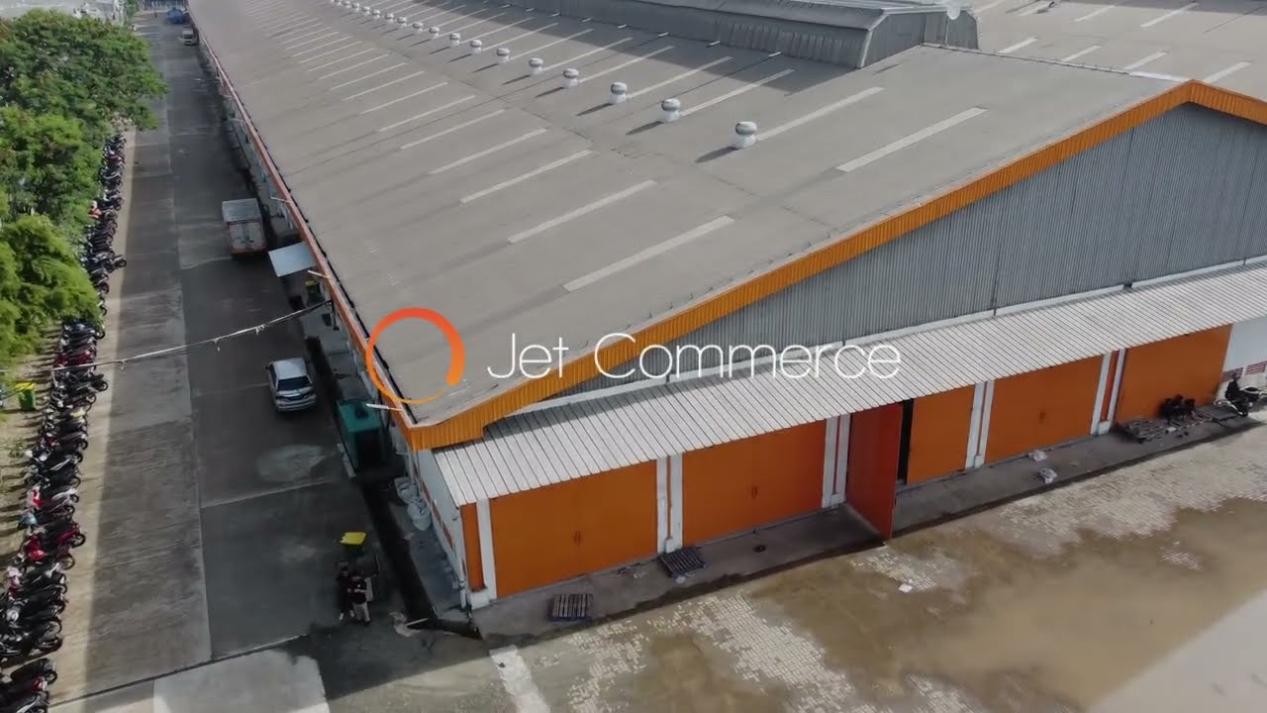
En septiembre de 2021, la empresa profesional de operación delegada Jet Commerce tomó una decisión importante: crear su propia marca de pequeños electrodomésticos, Gaabor. Fundada en 2017, esta proveedora de servicios había brindado servicios de operación en el mercado del Sudeste Asiático para marcas reconocidas como DJI y OPPO, acumulando una rica experiencia en localización. Sabían claramente que para establecerse en este mercado, debían aprovechar el comercio electrónico como punto de ruptura.
Fuente: Jet Commerce
Gaabor adoptó desde el principio una estrategia de activos ligeros. No se apresuraron a expandir canales offline, sino que apostaron por plataformas de comercio electrónico como Shopee y Lazada. Esta estrategia dio resultados rápidamente: en solo un año, vendieron 1.82 millones de unidades y superaron los 230 millones de yuanes en ventas. Durante la promoción de Shopee en 2023, incluso lograron el primer puesto en la categoría de pequeños electrodomésticos en Filipinas.
Este éxito también fue posible gracias a un sólido apoyo logístico. La empresa matriz de Gaabor ya había establecido almacenes en el extranjero de más de 20.000 metros cuadrados en el Sudeste Asiático, y desarrolló su propio sistema de gestión SaaS, creando una red logística eficiente en países como Indonesia y Filipinas. Esto no solo redujo los tiempos de entrega a menos de 3 días, sino que también mejoró significativamente la experiencia de compra de los consumidores.
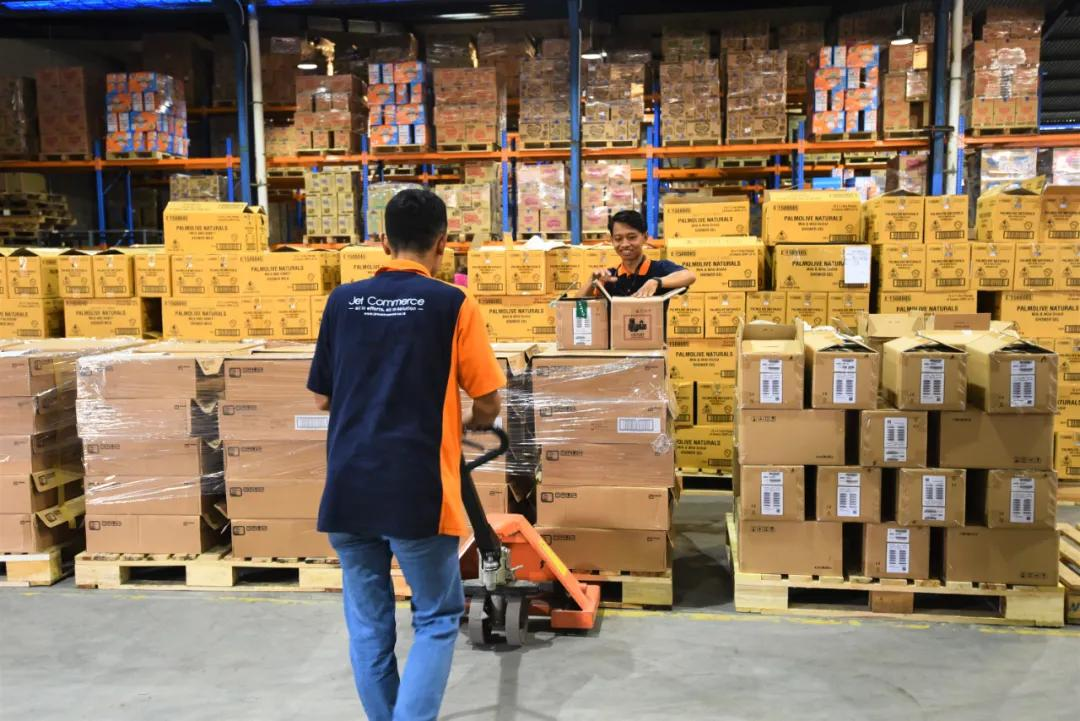
Fuente: Ebang Power
Estrategia de localización de "recombinación genética"
En el mercado del Sudeste Asiático, muchas marcas chinas han sufrido por la "inadaptación". Pero Gaabor, con una estrategia de localización completa, logró penetrar con éxito en este mercado complejo y diverso. Su enfoque demuestra que la verdadera localización no es solo una traducción de idiomas, sino una transformación integral desde el producto hasta la operación.
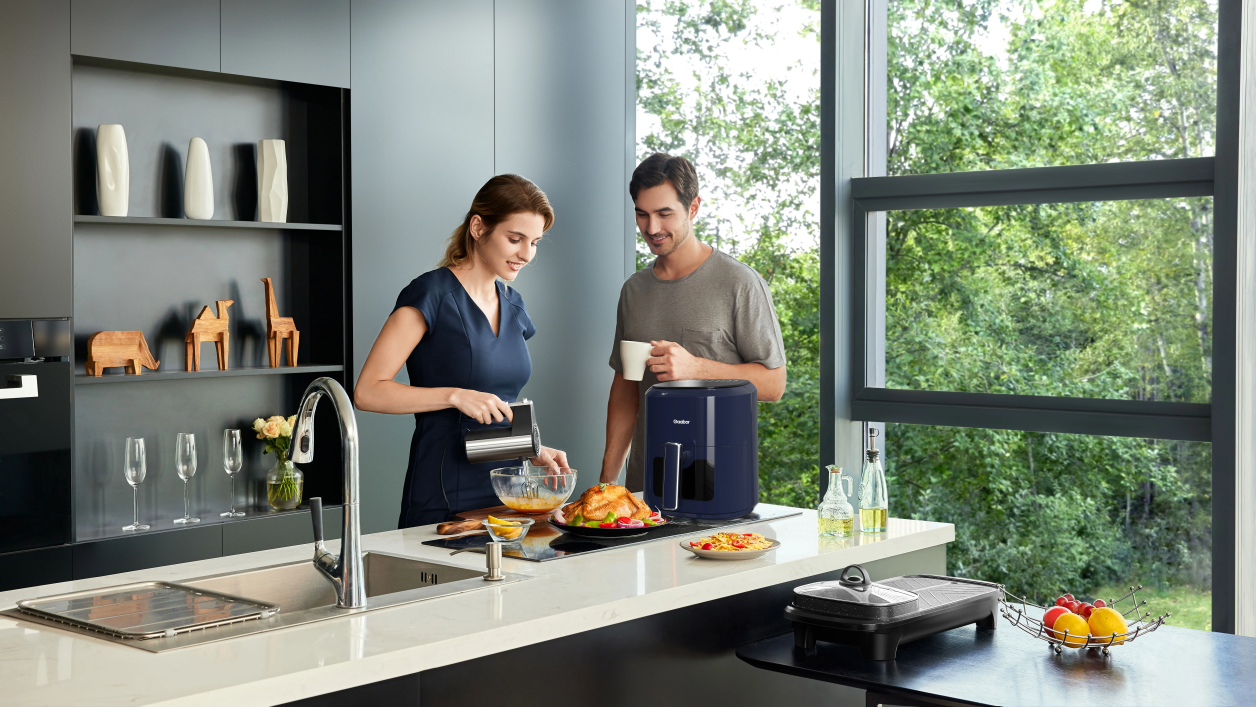
El diseño del producto es la manifestación más evidente. Tomando como ejemplo la freidora de aire, Gaabor realizó tres mejoras clave según los hábitos de uso de los consumidores del Sudeste Asiático: amplió la capacidad a 4.5L para satisfacer las necesidades de comidas familiares, adoptó una apariencia metálica para mejorar la calidad del producto y optimizó el panel táctil para facilitar su uso. Estos cambios, aunque parecen sutiles, llevaron a que las ventas del producto superaran 1 millón de unidades en 2022, representando más del 55% de las ventas totales de la marca.
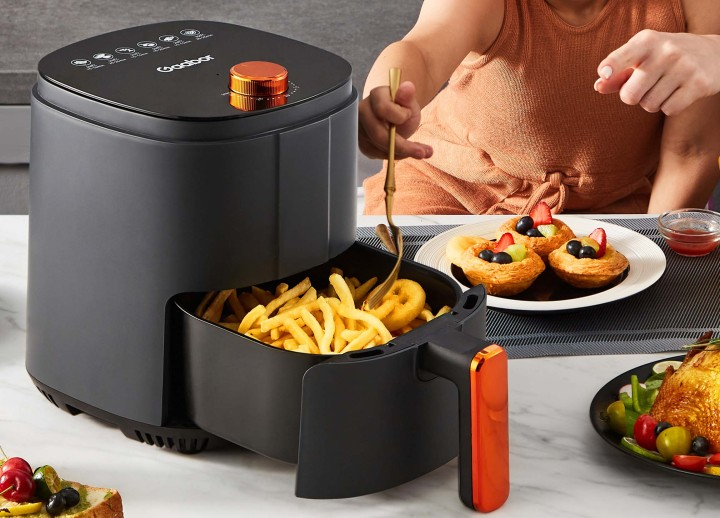
Fuente: Gaabor
Pero la localización de Gaabor va mucho más allá. Establecieron una estructura de equipo especial: los miembros clave chinos se encargan de la cadena de suministro y el soporte técnico, mientras que más del 90% del personal operativo proviene del Sudeste Asiático. Estos empleados locales conocen mejor el mercado y pueden diseñar estrategias de marketing precisas según las características de cada país. Por ejemplo, en Filipinas, invitan a celebridades locales como embajadores; en Indonesia, lanzan actividades especiales para los consumidores musulmanes.
Esta localización profunda también se refleja en los detalles. El sitio web independiente oficial de Gaabor admite versiones multilingües, con todo el contenido cuidadosamente elaborado por equipos locales para asegurar que se ajuste a los hábitos lingüísticos locales. Durante festivales importantes como el Songkran en Tailandia, siempre lanzan promociones oportunas. Son estos detalles cuidados los que han permitido a Gaabor expandir gradualmente sus líneas de productos, como secadores de pelo y aspiradoras, aumentando su influencia en el mercado del Sudeste Asiático.
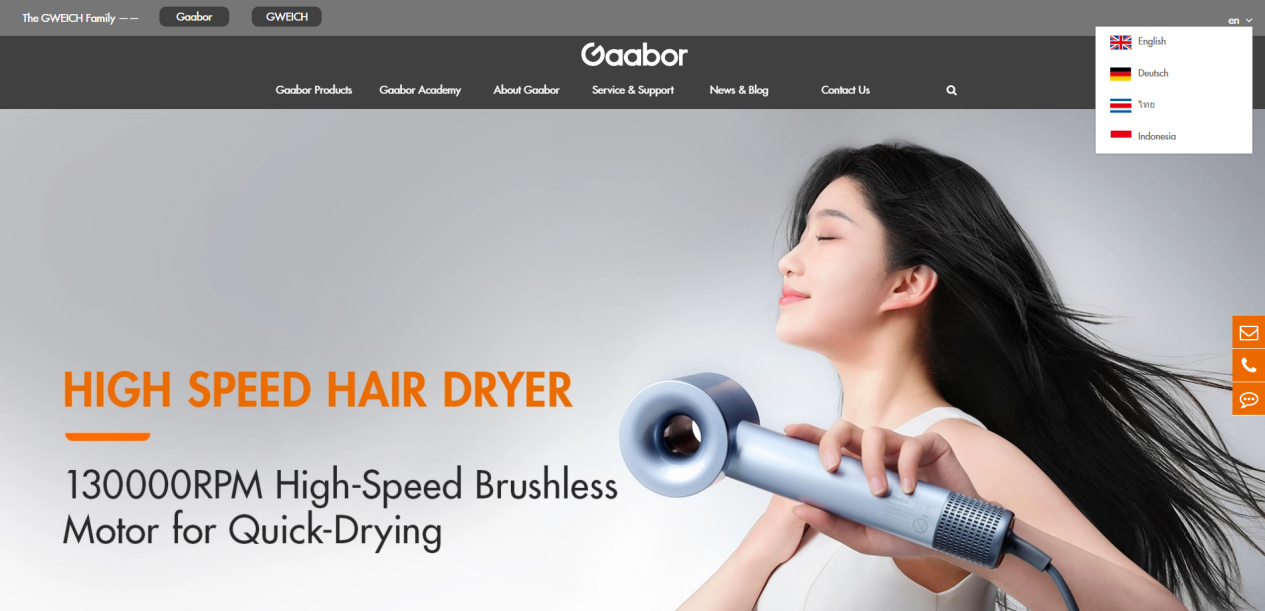
Fuente: Sitio web independiente oficial de Gaabor
Marketing preciso en redes sociales, dominando el código del tráfico
En cuanto al marketing en redes sociales, Gaabor se ha establecido en plataformas internacionales como TikTok, YouTube, Facebook e Instagram, creando un sistema operativo completo.
Entre ellas, TikTok es el campo de batalla principal donde Gaabor ha apostado fuertemente. Han creado cuentas localizadas en diferentes países, formando una matriz de cuentas de marca. Actualmente, las cuentas de TikTok de Gaabor en Filipinas, Indonesia, Tailandia y Vietnam han acumulado 754.700, 177.600, 115.800 y 101.500 seguidores respectivamente, con un total de más de 1 millón de seguidores en todas las plataformas y una exposición acumulada de cientos de millones de veces.
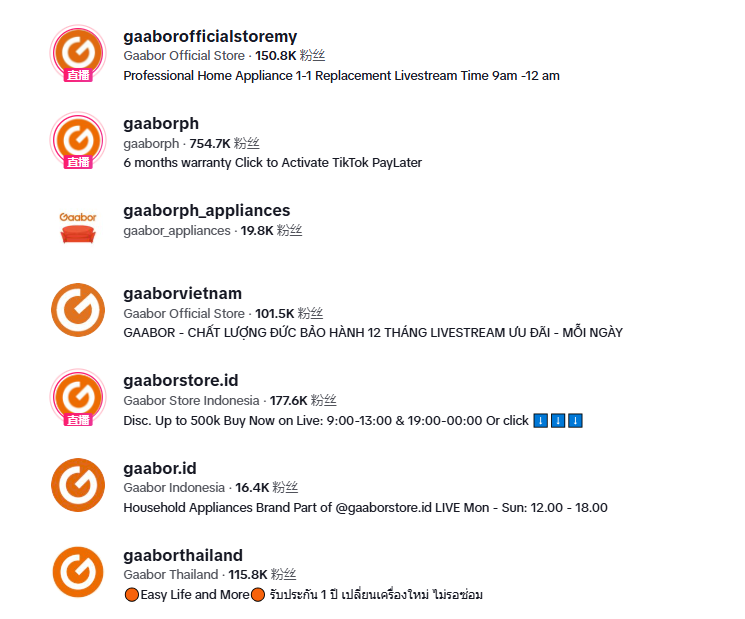
Fuente: TikTok
Para diferentes mercados, Gaabor ha adoptado una estrategia de contenido diferenciada. Por ejemplo, en Filipinas, la cuenta @gaaborph se centra en embajadores famosos, publicando videos promocionales con la estrella local David Licauco para aumentar el reconocimiento de la marca; mientras que en Vietnam, @gaaborvietnam sigue un enfoque humorístico, utilizando contenido divertido para aumentar la interacción con los usuarios.
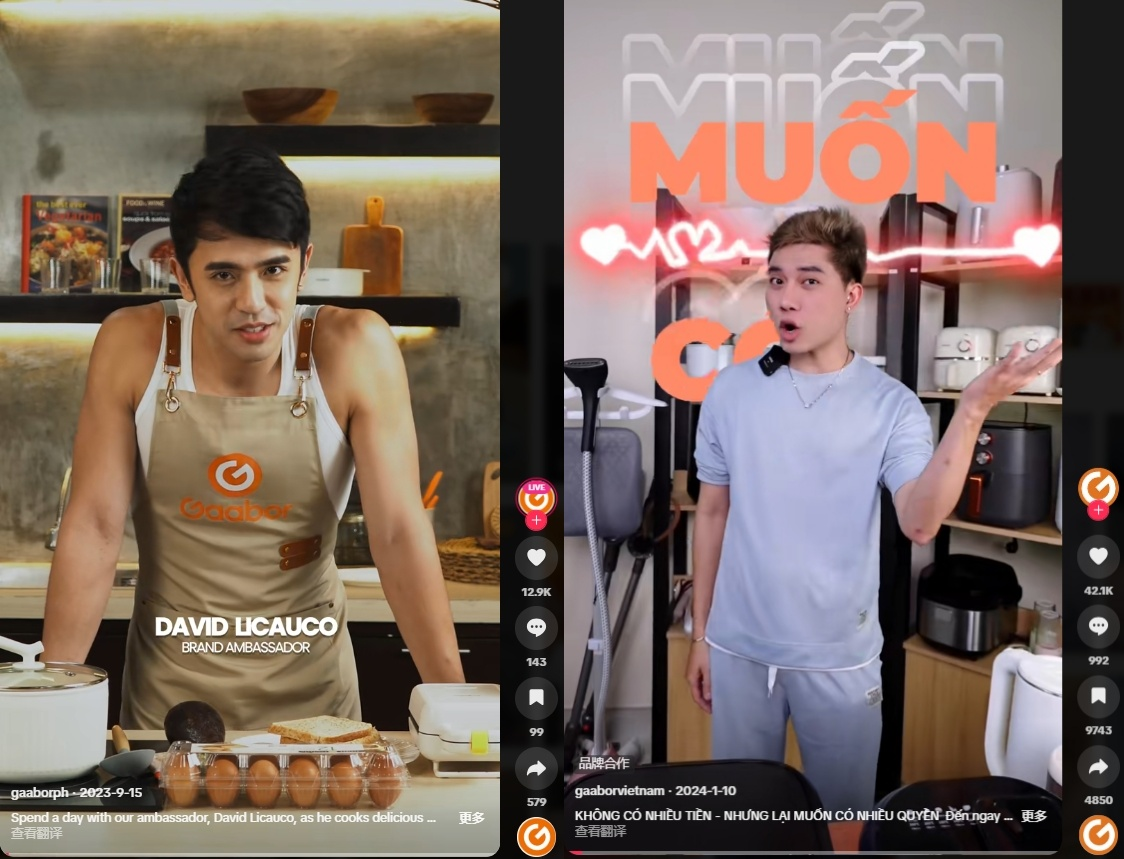
(Izquierda) Filipinas (Derecha) Vietnam Fuente: TikTok
Esta operación localizada ha dado resultados notables. En febrero de 2025, Gaabor ocupó el tercer lugar en la lista de electrodomésticos más vendidos en TikTok Vietnam, con ventas totales acumuladas de 116.387 millones de dongs vietnamitas (aproximadamente 330 millones de yuanes), y también se ubicó en el noveno lugar en la lista de electrodomésticos de Filipinas, con ventas totales acumuladas de 1.007 millones de pesos filipinos (aproximadamente 120 millones de yuanes).
Además de la gestión de contenido, Gaabor también es experto en aprovechar temas de tendencia y desafíos para la publicidad. Por ejemplo, durante la promoción 9.9 de TikTok en Malasia, combinaron la palabra de moda local "Rancak" con la canción popular de fondo "Look Around" para lanzar el desafío de baile viral "GweichRancak", invitando a 4 influencers principales. En solo 6 días, la exposición superó los 280 millones de veces, la cuenta de la marca ganó casi 20.000 seguidores, y logró el segundo lugar en GMV de ventas en vivo en todas las categorías, superando las expectativas de conversión de ventas en un 50%.
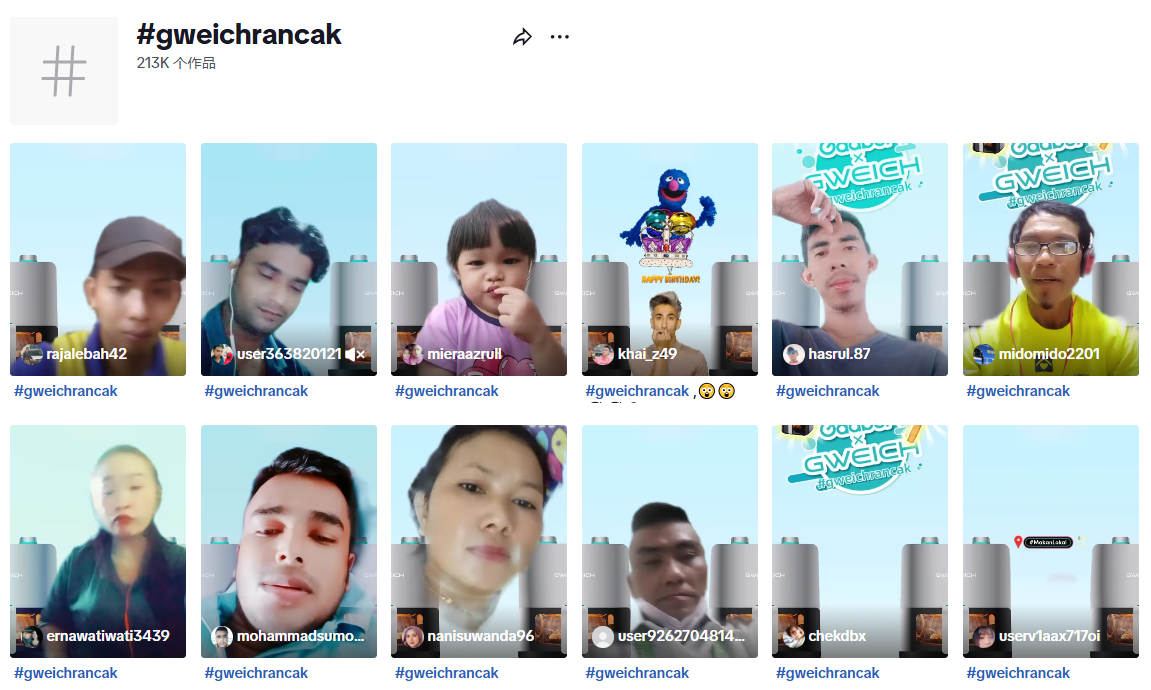
Fuente: TikTok
Al mismo tiempo, las ventas en vivo son otro campo de batalla importante para Gaabor. Han establecido equipos de transmisión en vivo localizados en el Sudeste Asiático, ajustando el contenido según las necesidades de cada mercado, como ofrecer tutoriales de cocina halal durante el Ramadán o recomendar sets de regalo en temporadas festivas. Durante las promociones del Sudeste Asiático en 2023, Gaabor colaboró con más de 150 influencers principales para realizar casi 2.000 transmisiones en vivo, de las cuales los 10 mejores contribuyeron con una alta conversión de ventas, logrando finalmente el segundo lugar en GMV en todas las categorías. Además, más de 300 influencers de nivel medio se unieron voluntariamente para distribuir productos, formando una matriz de ventas a gran escala.
Detrás de estas estrategias, está la práctica profunda de Gaabor de la estrategia trinitaria de "operación localizada + matriz de influencers + marketing de tendencias". Este enfoque no solo es aplicable al campo de los pequeños electrodomésticos, sino que también ofrece una metodología de marketing replicable para las marcas chinas que se expanden al extranjero, digna de ser tomada como referencia por sus pares.
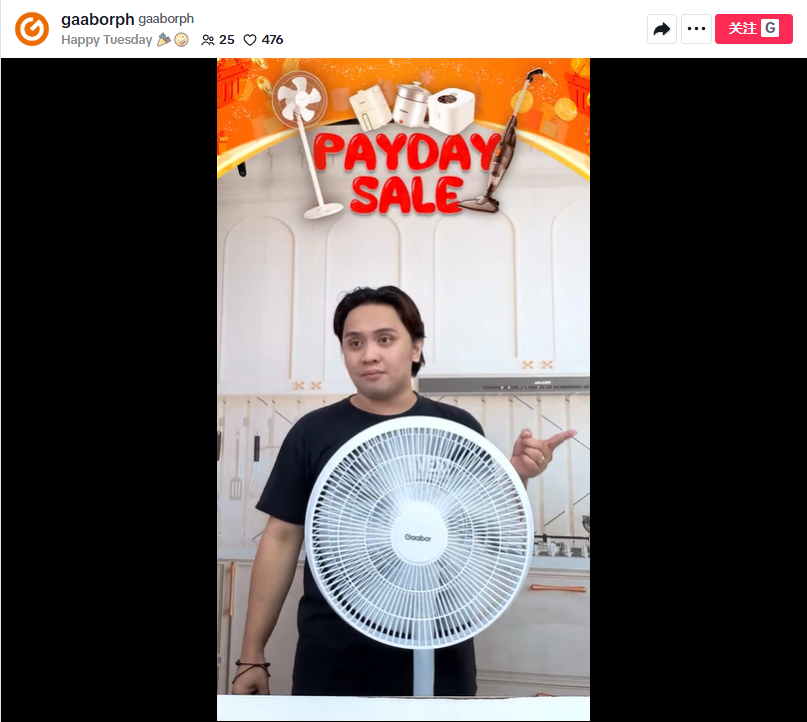
Fuente: TikTok
La próxima oportunidad para las marcas chinas en el extranjero
El caso de Gaabor demuestra que no hay atajos en los mercados extranjeros, pero vale la pena profundizar en ellos.
Ya sea en belleza, hogar o electrónica, aquellas marcas dispuestas a investigar las necesidades locales y valorar la localización aún tienen la oportunidad de encontrar su propio camino.
Los mercados extranjeros están esperando la llegada de más empresas chinas. ¡Ahora, quizás sea el mejor momento para dar el primer paso!