 2551
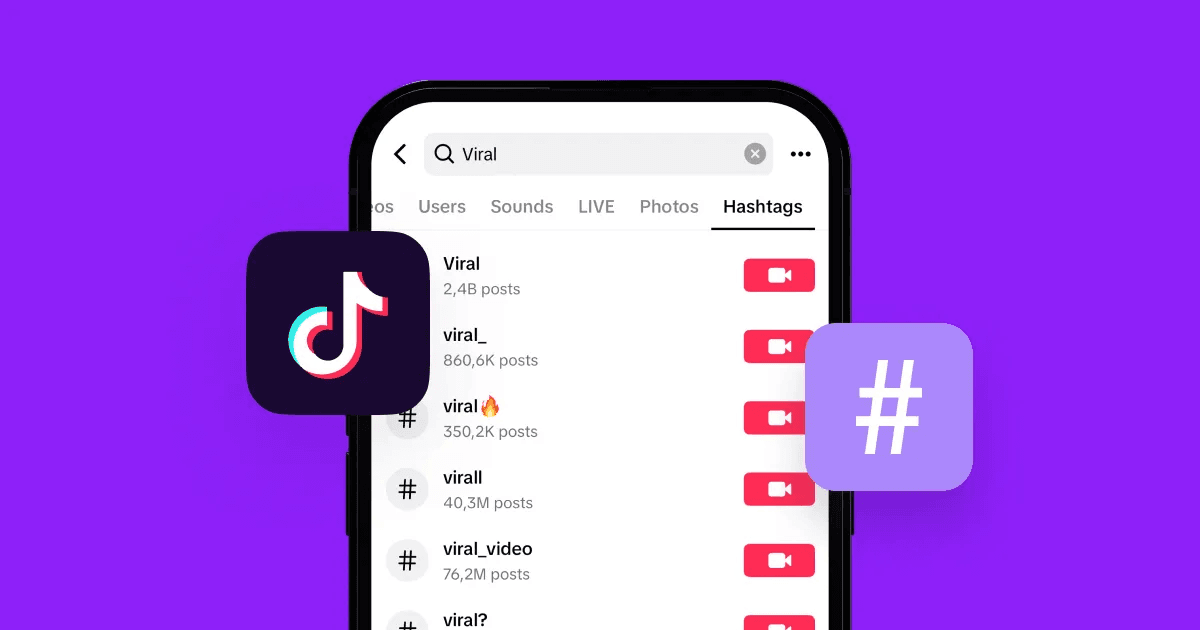
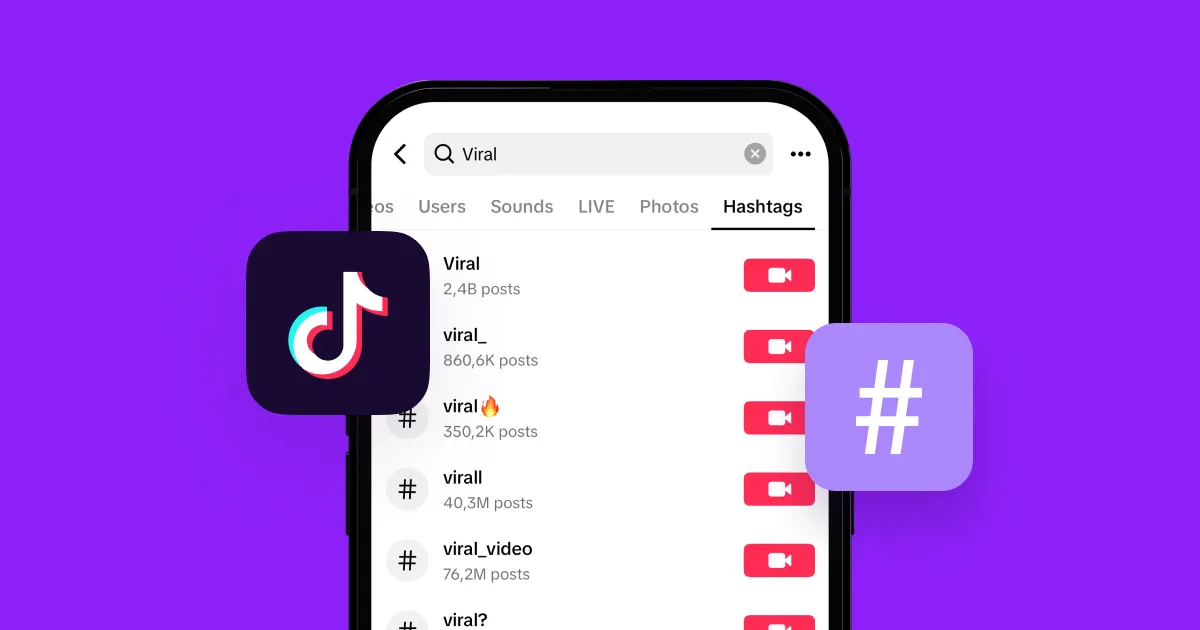
2551Sur TikTok, les hashtags sont comme une « boussole du trafic ».
Utilisés correctement, vos vidéos peuvent devenir virales ; mal utilisés, même un bon contenu peut sombrer dans l’oubli.
Mais de nombreuses marques tombent dans le piège : soit elles accumulent des dizaines de hashtags sans rapport, soit elles n’utilisent que des hashtags de marque égocentriques, et le nombre de vues reste bloqué à trois chiffres.
Aujourd’hui, Tuke vous dévoile 3 stratégies concrètes pour utiliser les hashtags et débloquer le code du trafic TikTok !
Source : Internet
1. Choisir ses hashtags : le trio « cœur + tendance + longue traîne »
Beaucoup de marques pensent que plus il y a de hashtags, plus la visibilité est grande, mais l’algorithme de TikTok privilégie la pertinence entre le hashtag et le contenu. La combinaison idéale = 1-2 hashtags principaux + 1-2 hashtags tendance + 3-5 hashtags de longue traîne.
Hashtags principaux : directement liés à la marque ou au produit, par exemple #NikeRunning ;
Hashtags tendance : pour profiter du trafic populaire de la plateforme, comme #SummerVibes (point chaud saisonnier) ;
Hashtags de longue traîne : pour affiner le contexte ou le public, par exemple #WorkoutMom (maman sportive).
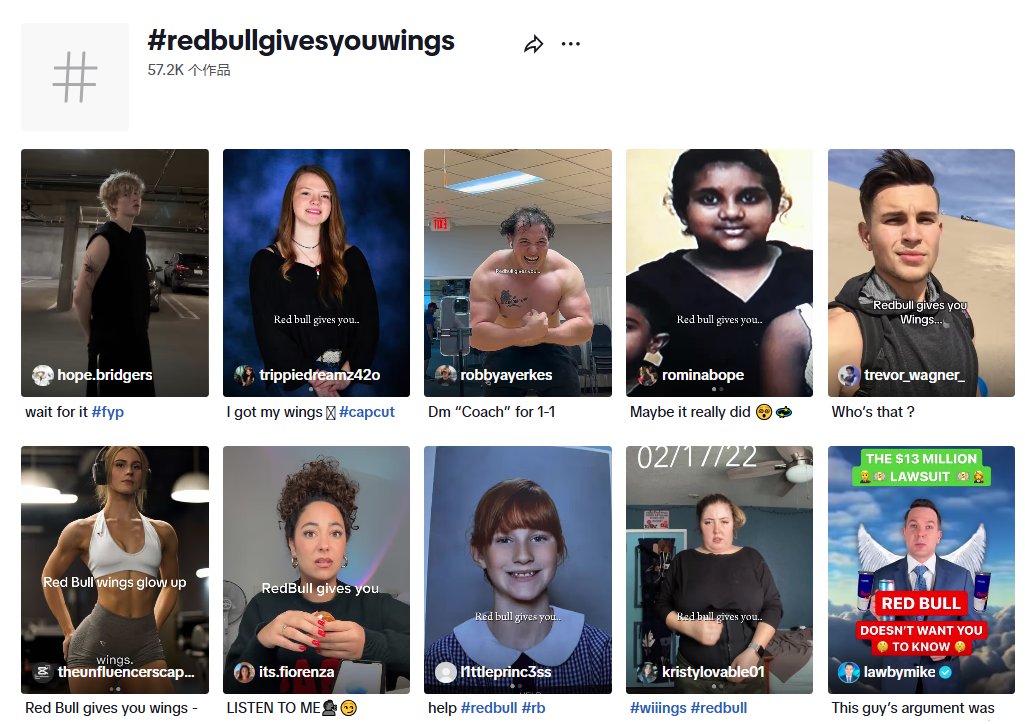
Cas concret : la matrice de hashtags de Red Bull
En faisant la promotion de ses boissons énergisantes, Red Bull a utilisé le hashtag principal #RedBullGivesYouWings (lié au slogan de la marque), combiné au hashtag tendance #ExtremeSports pour les défis, et affiné avec le hashtag de longue traîne #SnowboardTricks pour toucher les amateurs de sports extrêmes. Cette combinaison a permis à Red Bull d’atteindre précisément son public cible tout en profitant des sujets populaires pour augmenter la visibilité, générant plus de 230 millions de vues pour les vidéos associées.
Source : TikTok
2. Combiner les hashtags : défi de marque + co-création utilisateur, pour déclencher une viralité UGC
Utiliser uniquement des hashtags de marque a du mal à percer, mais avec le modèle « hashtag de défi + co-création utilisateur », on peut stimuler la participation des utilisateurs ordinaires et créer une viralité de contenu.
Cela se divise en trois étapes :
1. Concevoir un défi simple et facile à imiter, comme une danse ou une utilisation créative du produit ;
2. Utiliser des récompenses (argent, produits) pour inciter les utilisateurs à publier du contenu avec le hashtag ;
3. Interagir rapidement avec le compte de la marque, en likant et commentant les meilleurs UGC (contenu généré par les utilisateurs).
Cas concret : le « défi légendaire » d’e.l.f. Cosmetics
La marque de cosmétiques e.l.f. a lancé le défi #EyesLipsFace, encourageant les utilisateurs à créer des vidéos de maquillage de 15 secondes avec leurs produits, accompagnées de la chanson éponyme de la marque. Ce hashtag a dépassé le milliard de vues en seulement 3 jours, attirant plus de 5 millions de participants, et a même propulsé la chanson dans les classements Billboard. Cette campagne sans aucun investissement publicitaire a apporté plus de 120 000 nouveaux clients à e.l.f. grâce à la viralité des hashtags.

Source : TikTok
3. Optimiser les hashtags : tests dynamiques + réutilisation cross-plateforme, pour maximiser le trafic
La stratégie de hashtags n’est pas une solution unique. Les marques doivent surveiller régulièrement la popularité des hashtags, éliminer ceux qui sont inefficaces et réutiliser les mots-clés viraux d’autres plateformes.
Méthode de test A/B : publier le même contenu avec différents ensembles de hashtags et comparer les vues et l’engagement ;
Attraction cross-plateforme : « transplanter » des mots-clés très populaires d’Instagram, YouTube, etc., sur TikTok ;
Éviter les pièges : ne pas utiliser de mots interdits (comme les termes absolus), réduire les hashtags redondants (par exemple, utiliser à la fois #Fitness et #FitnessGoals).
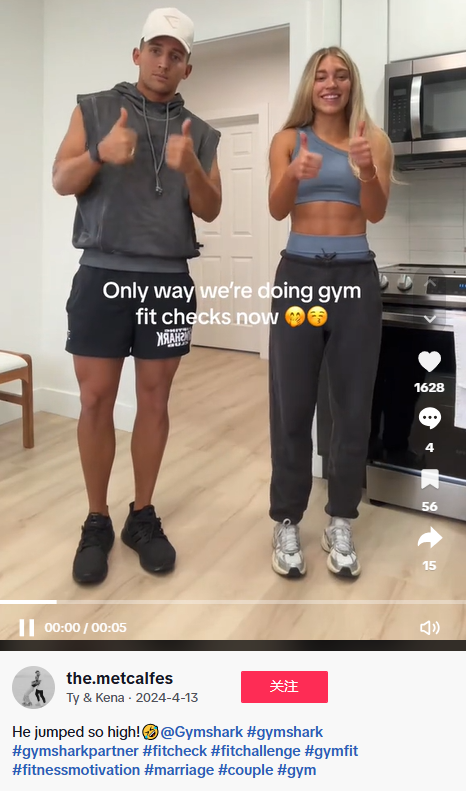
Cas concret : la « méthode d’itération des hashtags » de Gymshark
Pour promouvoir un nouveau legging, la marque de fitness Gymshark a d’abord utilisé le hashtag générique #GymLife, mais les vues stagnaient. Après des tests A/B, ils ont découvert que le hashtag de longue traîne #SquatProofLeggings (legging anti-transparence) touchait mieux les points sensibles des femmes, et ont immédiatement ajusté leur stratégie. En parallèle, ils ont synchronisé le sujet viral d’Instagram #FitCheck (tenue du jour) sur TikTok, ce qui a fait grimper les vues des vidéos associées de 600 %, et le produit s’est vendu en rupture de stock.
Source : TikTok
L’essence des hashtags : un « routeur de contenu »
Les hashtags sur TikTok ne sont pas une science occulte, mais un outil de distribution précis basé sur les intérêts des utilisateurs.
Les marques doivent abandonner la mentalité du « tout et n’importe quoi » et adopter une « logique de sniper » : se concentrer sur le contexte principal, s’associer aux tendances de trafic et stimuler la co-création des utilisateurs.
Comme Nike qui, pendant la pandémie, a remplacé son hashtag habituel #JustDoIt par #PlayInside (sport à la maison), s’adaptant au contexte domestique des utilisateurs tout en transmettant l’esprit de la marque, réalisant ainsi une synergie entre image et performance.
Souvenez-vous, le cœur de la stratégie de hashtags n’est pas de courir après les tendances, mais de transformer ces tendances en votre propre terrain de jeu de marque.