 2557
2557Ces dernières années, le marché mondial du commerce électronique de meubles connaît une phase de développement rapide.
Selon les données de Statista, la taille du marché mondial du e-commerce de meubles est estimée à près de 2570 milliards de dollars en 2025, et devrait dépasser les 4300 milliards de dollars d'ici 2029.
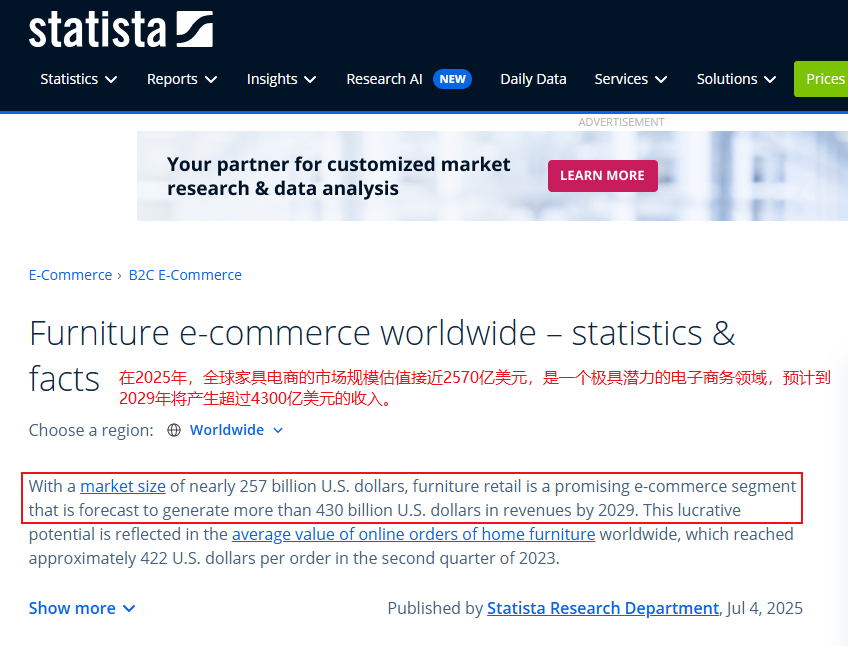
Source : Statista
Dans ce marché de l'océan bleu en pleine croissance, de nombreuses marques chinoises commencent à accélérer leur implantation. Parmi elles, une marque de mobilier basée à Guangzhou, Homary, se distingue particulièrement.
Selon les informations, dès 2022, les ventes nettes mondiales de la marque Homary ont atteint environ 970 millions de yuans.
En 2025, son chiffre d'affaires annuel a dépassé les 2,1 milliards de yuans, lui permettant de se classer parmi le TOP10 des plateformes de e-commerce de meubles en Amérique du Nord et en Europe, avec des produits vendus dans plus de 50 pays.
Alors, comment la marque Homary a-t-elle réussi à percer sur les marchés étrangers ? Décortiquons ensemble sa stratégie d'expansion à l'international.
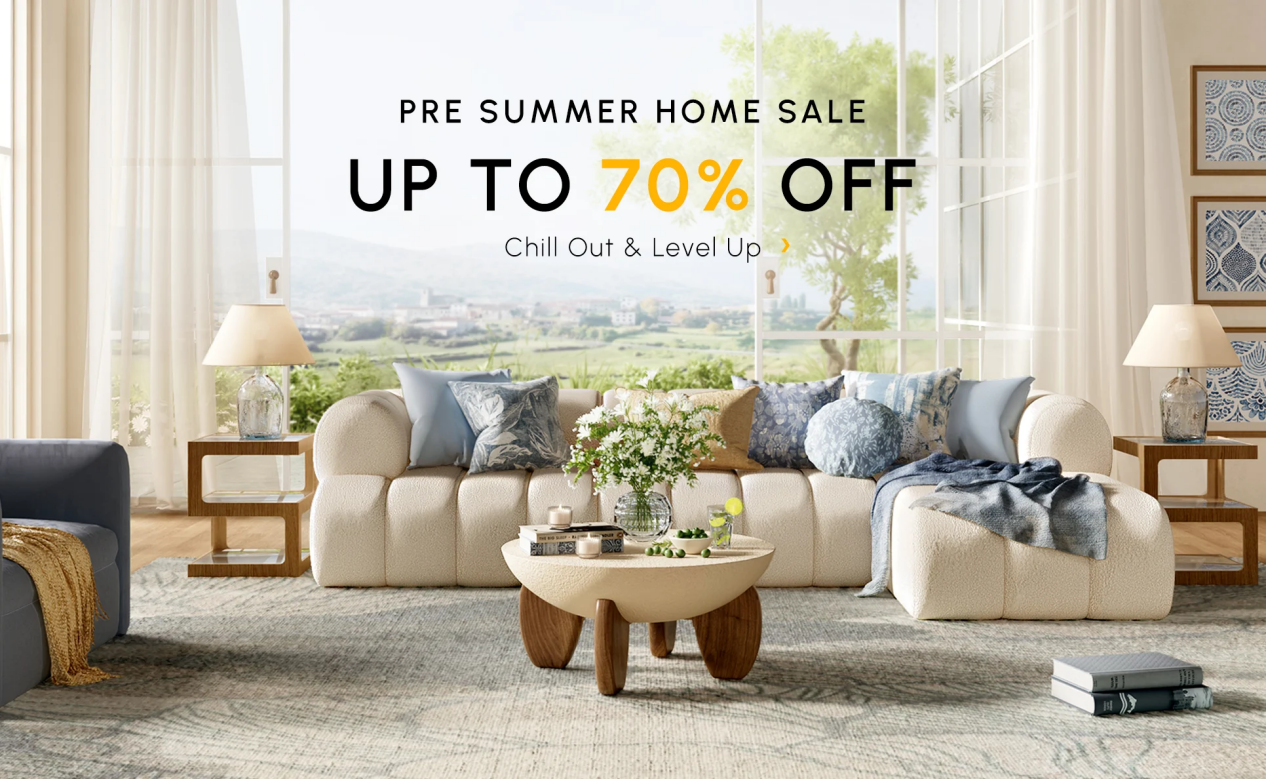
Source : Homary
De la chaîne d'approvisionnement du Delta de la Rivière des Perles à une implantation mondialisée
Il est entendu que Homary est une marque de meubles fondée en 2018 à Guangzhou, filiale de Guangzhou Baomi Technology Co., Ltd., dont l'activité principale est la vente en ligne transfrontalière de gros meubles.
Dans le cadre de son expansion à l'international, la marque a pris de nombreuses mesures.
Tout d'abord, en s'appuyant sur une usine intelligente à Zhaoqing, dans le Guangdong, elle a intégré plus de 500 fournisseurs du Delta de la Rivière des Perles pour créer une chaîne d'approvisionnement flexible, réalisant une production modulaire avec un échantillonnage en 48 heures et une livraison en 15 jours, réduisant considérablement le cycle de la commande à la livraison.
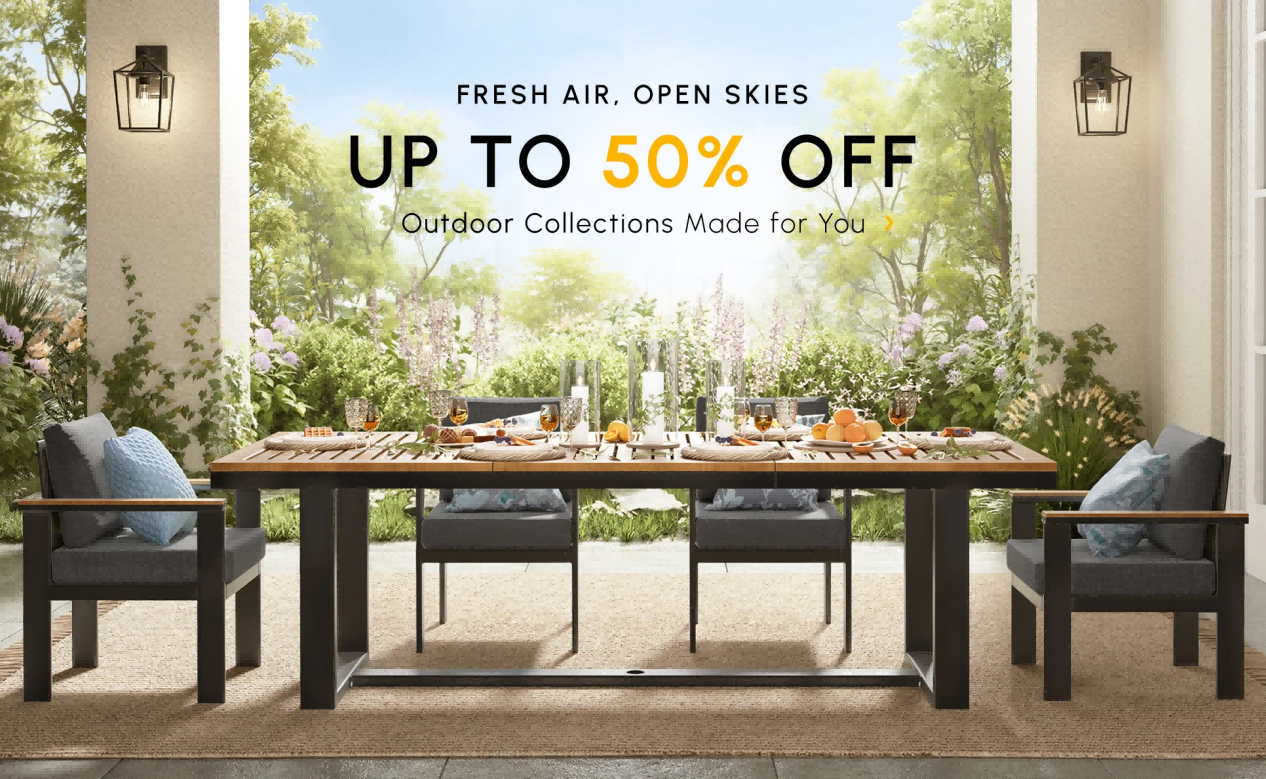
Source : Homary
Parallèlement, pour faire face à l'incertitude de l'environnement commercial international, la marque a également établi des usines de réserve au Vietnam et au Mexique. Ce modèle à double voie de « production principale en Chine + réserve à l'étranger » garantit à la fois l'efficacité de la production et évite efficacement les risques de frictions commerciales, assurant ainsi un approvisionnement stable sur les marchés étrangers.
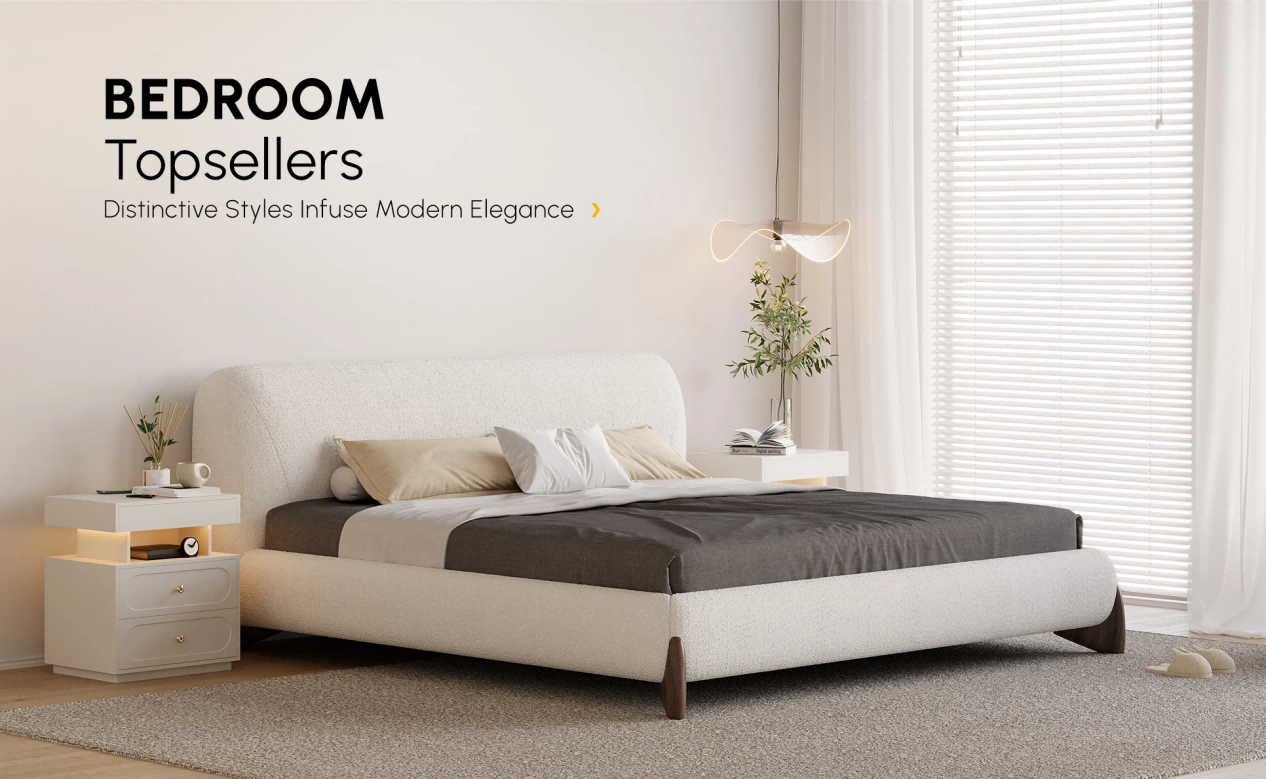
En matière de design, Homary n'a pas suivi la voie courante de l'imitation des grandes marques, mais a choisi de suivre le principe de localisation, en intégrant les caractéristiques culturelles régionales des marchés cibles dans ses créations. Par exemple, conception de luminaires dorés sur mesure pour le marché du Moyen-Orient, agrandissement des dimensions des produits pour les marchés américain et européen. Ces ajustements de détail rendent les produits plus facilement acceptés par les consommateurs locaux.
De plus, le service après-vente constitue un défi majeur pour les marques de meubles à l'international. Pour y remédier, Homary a mis en place des entrepôts d'expérience dédiés aux États-Unis et en Allemagne, offrant un retour et un échange sans raison sous 30 jours ainsi qu'un service de montage gratuit à domicile. Parallèlement, la marque a constitué une équipe professionnelle de 50 personnes spécialisée dans les certifications de produits en Amérique du Nord et en Europe, réduisant le cycle de lancement des nouveaux produits à un mois.
Ces investissements, bien qu'ils aient augmenté les coûts, ont permis d'obtenir la confiance et une bonne réputation auprès des consommateurs américains et européens, faisant de la marque le « nouveau chouchou du mobilier » des familles de classe moyenne en Amérique du Nord et en Europe.
Source : Homary
Marketing sur les réseaux sociaux : une adéquation précise avec les spécificités des plateformes
À l'ère des réseaux sociaux, de bons produits nécessitent également un bon contenu pour transmettre leur valeur. C'est pourquoi Homary a activement mené un marketing différencié sur les deux grandes plateformes TikTok et YouTube.
TikTok : mettre l'accent sur l'impact visuel et la résonance émotionnelle
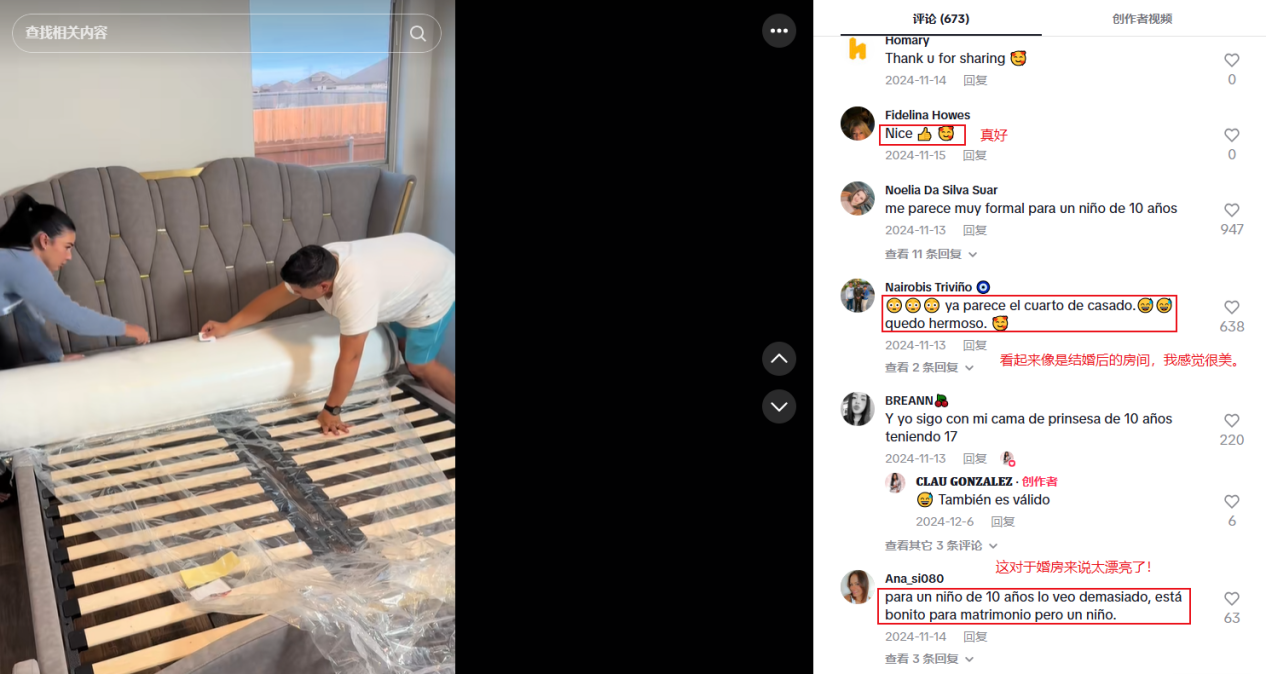
Sur TikTok, la marque collabore principalement avec des créateurs spécialisés dans la décoration intérieure pour réaliser des vidéos de déballage et de montage.
Le créateur TikTok spécialiste de la maison @claugonzalez_official, qui compte 1,4 million d'abonnés, a réalisé une vidéo de déballage et de montage de la literie Homary.

Source : TikTok
Dans la vidéo, le créateur présente l'intégralité du processus, du déballage au montage de la literie Homary, mettant en évidence les avantages du produit en termes de design, de qualité du tissu, de facilité d'installation et de solidité structurelle, aidant ainsi les consommateurs potentiels à comprendre pleinement les caractéristiques du produit.
Cette courte vidéo promotionnelle a obtenu de bons résultats après sa publication. À ce jour, elle a été visionnée 1,5 million de fois et a reçu 66 500 likes.
De nombreuses utilisatrices ont été séduites, déclarant : « On dirait une chambre après le mariage, je la trouve magnifique. » « C'est trop beau pour une chambre nuptiale ! »
Source : TikTok
YouTube : axé sur la démonstration fonctionnelle et la persuasion rationnelle
Sur YouTube, la stratégie de Homary est davantage axée sur des tests d'utilisation approfondis.
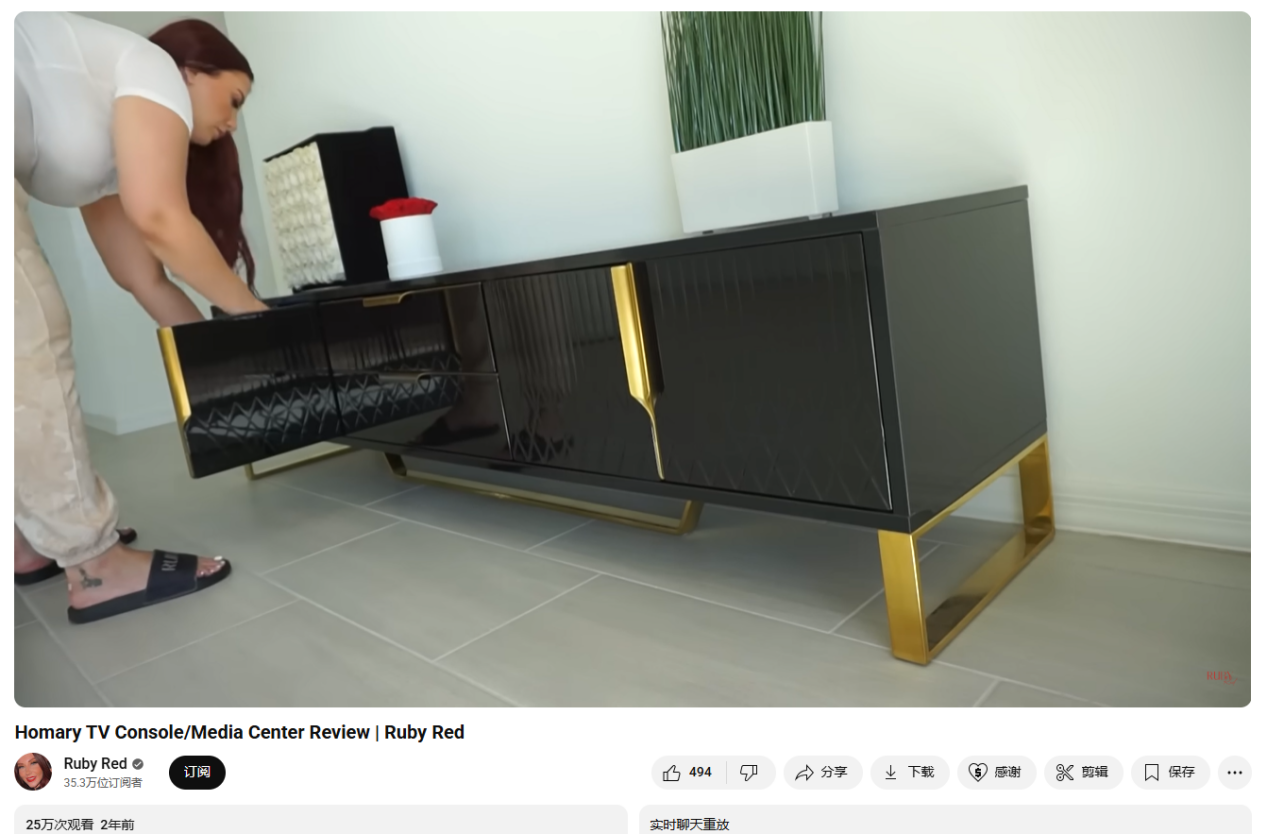
Le blogueur maison Ruby Red, qui compte 353 000 abonnés, est l'un des testeurs en partenariat avec la marque. Il a réalisé une vidéo de test détaillée du meuble TV Homary.
Dans cette vidéo, Ruby Red a montré en détail les dimensions du produit, son encombrement et sa capacité de rangement réelle. Cette démonstration complète a aidé les consommateurs à dissiper leurs inquiétudes concernant l'achat en ligne de gros meubles. La vidéo a obtenu 250 000 vues et de nombreux retours positifs.
Source : YouTube
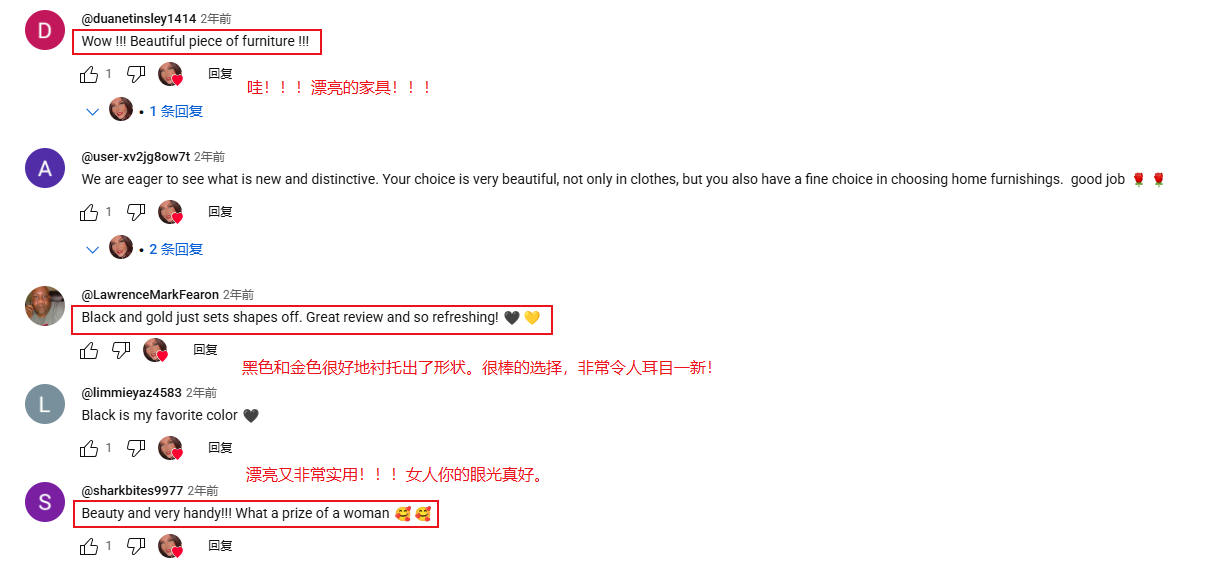
Dans les commentaires de la vidéo, de nombreux utilisateurs ont exprimé leur affection :
« Wow !!! De beaux meubles !!! »
« Le noir et l'or mettent bien en valeur la forme. Excellent choix, très rafraîchissant ! »
« Beau et très pratique !!! Bon goût. »
Source : YouTube
Synergie des canaux entre le site indépendant et les plateformes de e-commerce
Outre une promotion active sur les réseaux sociaux, Homary a également mis beaucoup d'efforts dans l'organisation des canaux de vente, en adoptant une stratégie à double voie « plateformes de e-commerce + site indépendant ». Ce réseau de vente multicanal a fourni un soutien essentiel à son expansion à l'étranger.
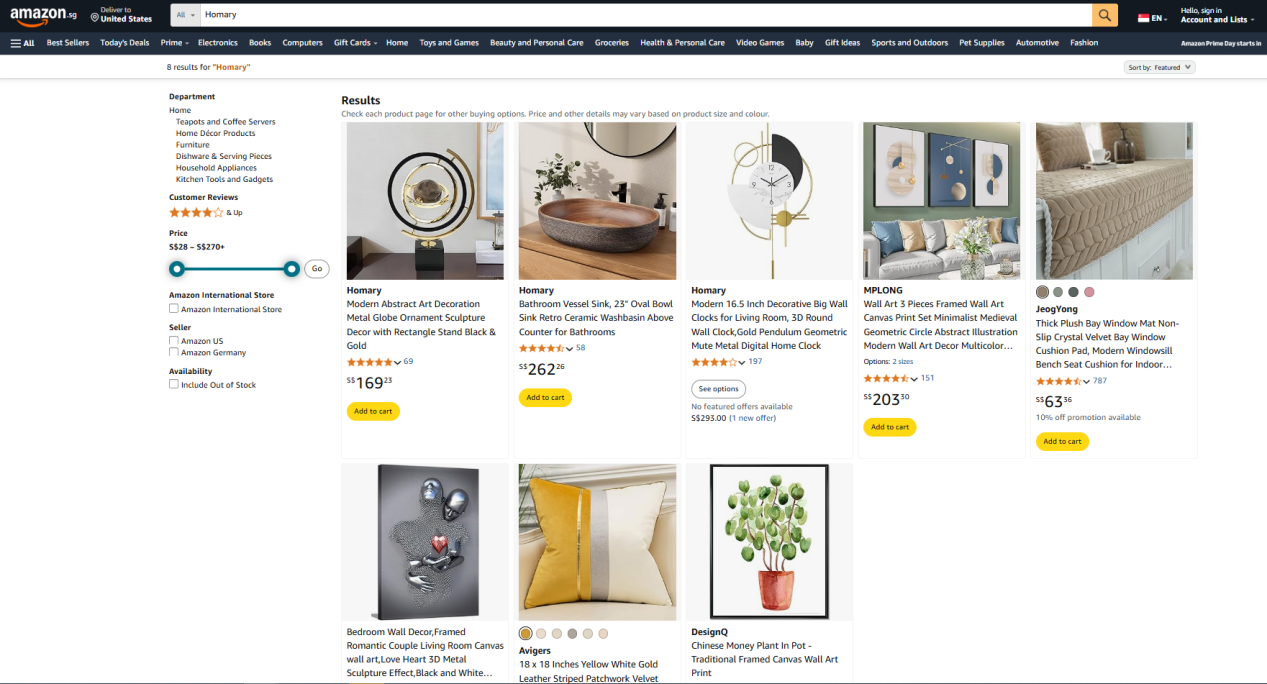
Dès les premières phases de développement, Homary a parallèlement investi dans les grandes plateformes de e-commerce comme Amazon et Wayfair. Les mécanismes de distribution de trafic matures de ces plateformes et leurs systèmes logistiques mondiaux existants ont facilité l'ouverture rapide du marché international pour la marque.
Source : Amazon
Parallèlement, Homary a également investi des ressources dans la création de son propre site indépendant à l'étranger, ce qui lui a apporté trois avantages :
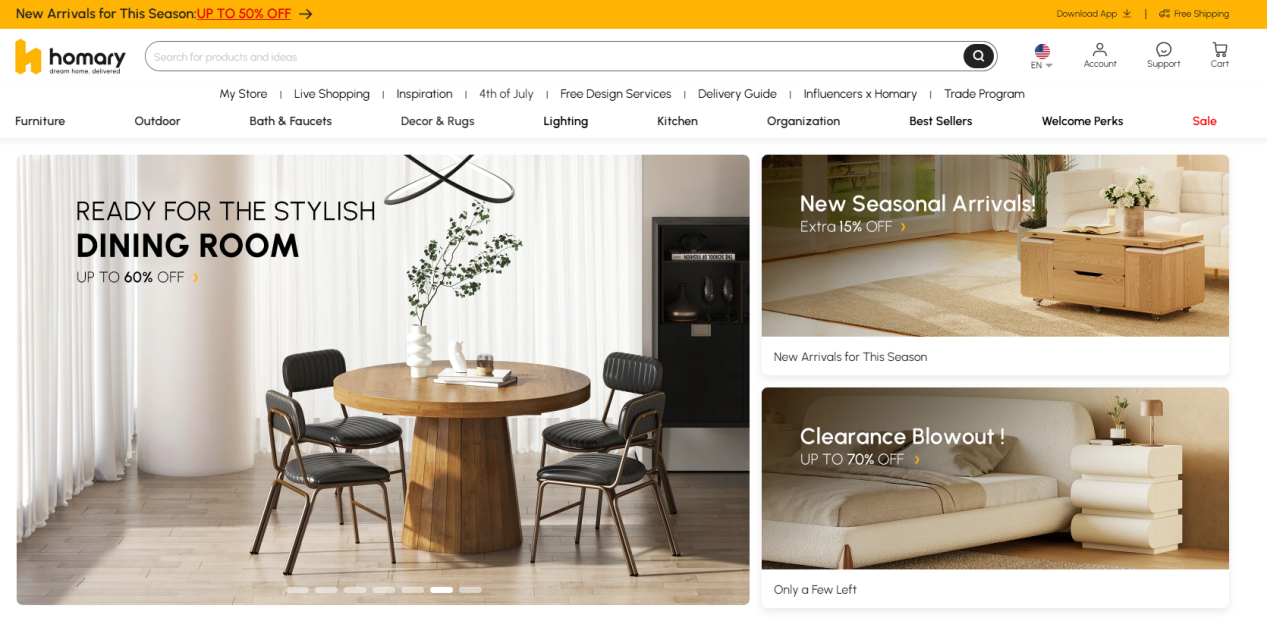
Premièrement, l'autonomie opérationnelle : la marque peut contrôler entièrement la conception de la page, le rythme promotionnel et les données utilisateur. Deuxièmement, la marge bénéficiaire : évite les commissions des plateformes de e-commerce tierces. Le point le plus important est la construction de la marque : le site indépendant devient une vitrine essentielle pour Homary afin de présenter son image de marque.
Source : Homary
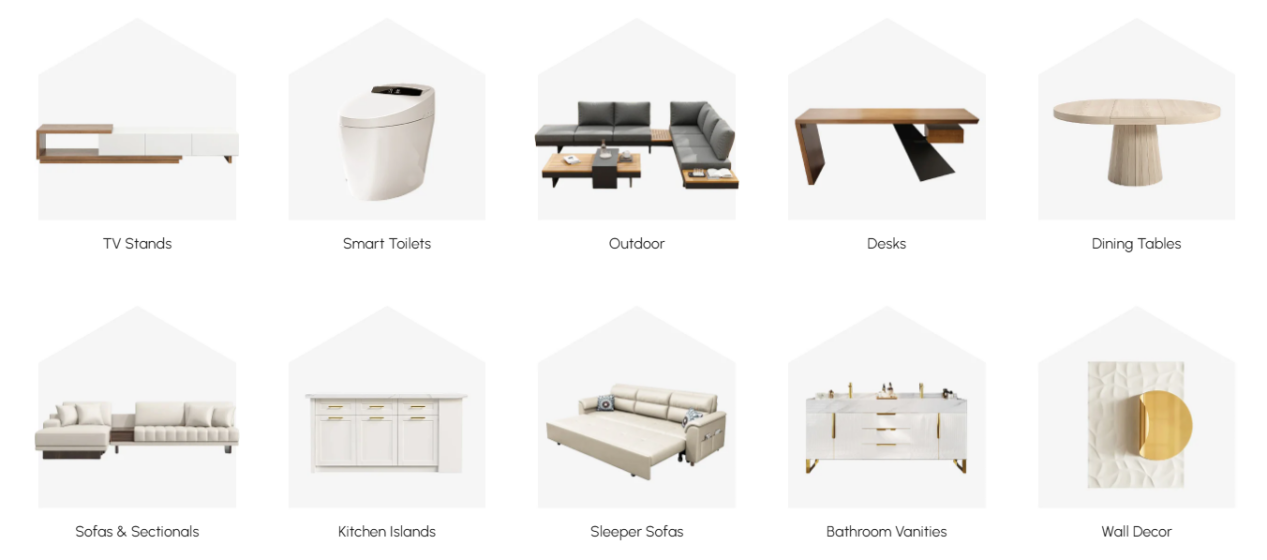
Dans la gestion de son site indépendant, Homary accorde une attention particulière à l'optimisation de l'expérience utilisateur. Il a adopté un système de classification à trois niveaux : catégorie - sous-catégorie - produit, permettant aux consommateurs de localiser rapidement les articles recherchés. Il utilise également des outils marketing tels que des bannières publicitaires rotatives sur la page d'accueil et des réductions à durée limitée pour améliorer le taux de conversion, devenant ainsi un point de croissance stable des ventes pour la marque.
C'est précisément cette approche consistant à acquérir de nouveaux clients via les canaux des plateformes, puis à fidéliser les utilisateurs via le site indépendant, qui a permis à Homary de construire un cycle de vente vertueux. Cette combinaison de canaux garantit à la fois les ventes à court terme et jette les bases d'un développement de marque à long terme.
Source : Homary
Les marchés étrangers offrent encore des opportunités, la clé réside dans un déploiement précis
De la trajectoire de développement international de Homary, on peut constater que pour qu'une marque de meubles puisse s'implanter solidement sur le marché mondial, elle ne peut pas se contenter d'une percée ponctuelle, mais doit miser sur la synergie de compétences multidimensionnelles telles que l'optimisation de la chaîne d'approvisionnement, l'opération localisée, le marketing ciblé et la construction des canaux de vente.
Pour les autres entreprises nationales qui se préparent à se lancer à l'international, la période de dividendes des marchés étrangers est loin d'être terminée, mais les véritables opportunités de croissance appartiennent aux marques qui comprennent profondément le marché cible et sont capables d'ajuster rapidement leur système autour des besoins des utilisateurs.
Que ce soit dans le secteur de l'ameublement ou dans d'autres catégories de biens de consommation, chaque détail, de l'adéquation entre la conception du produit et le service après-vente, en passant par l'exploitation de contenu localisé et l'efficacité de l'exécution transfrontalière, détermine la valeur à long terme de la marque à l'étranger.
L'expansion à l'international n'est plus une simple « affaire de suivre la tendance », mais une compétition de capacités systémiques. Celui qui parviendra à stabiliser sa chaîne d'approvisionnement, à réussir sa localisation, à maîtriser le contenu et la conversion, pourra survivre plus longtemps et aller plus loin sur les marchés étrangers.