 6963
6963Ces dernières années, avec l'essor des médias sociaux, TikTok et Douyin, en tant que deux plateformes de vidéos courtes très remarquées, ont conquis les utilisateurs du monde entier. Cependant, beaucoup de gens ignorent encore la relation entre TikTok et Douyin. Nous allons donc explorer en profondeur les liens entre TikTok et Douyin, en révélant leurs similitudes et leurs différences.
Points communs entre TikTok et Douyin
1. Même société mère
TikTok et Douyin sont en réalité des versions différentes d'un même produit, développées par la société chinoise ByteDance. TikTok est la version lancée par ByteDance sur le marché international, tandis que Douyin est sa version destinée à la Chine continentale.
Bien que leurs noms et certaines fonctionnalités diffèrent légèrement, leur concept central et leur mode de fonctionnement sont fondamentalement identiques. En d'autres termes, TikTok et Douyin peuvent être considérés comme des variantes d'un même produit, partageant une infrastructure et une expérience utilisateur similaires.
2. Même format de contenu principal
Sur le plan fonctionnel et du contenu, TikTok et Douyin sont tous deux des plateformes de médias sociaux axées sur les vidéos courtes, où les utilisateurs peuvent partager des vidéos de 15 à 60 secondes. Ces vidéos couvrent une grande variété de thèmes, notamment la musique, la danse, la comédie, la gastronomie, les voyages, etc., attirant des utilisateurs du monde entier.
3. Même algorithme sous-jacent
Bien que TikTok et Douyin opèrent dans des régions différentes, ils partagent le même algorithme sous-jacent en termes de technologie et de modèle commercial. Ils utilisent les mêmes indicateurs de données pour déterminer le niveau de diffusion. Chaque contenu téléchargé par un créateur reçoit un volume de trafic initial, puis est soumis à une deuxième diffusion, une troisième diffusion, etc., en fonction des performances de l'exposition initiale.
4. Même parcours de monétisation
Au départ, ils se concentrent sur le partage de vidéos courtes, puis intègrent progressivement des fonctionnalités de commerce électronique, suivies de la vente via des vidéos courtes, du live streaming, des publicités payantes, etc. Des publics différents, mais un même parcours commercial.
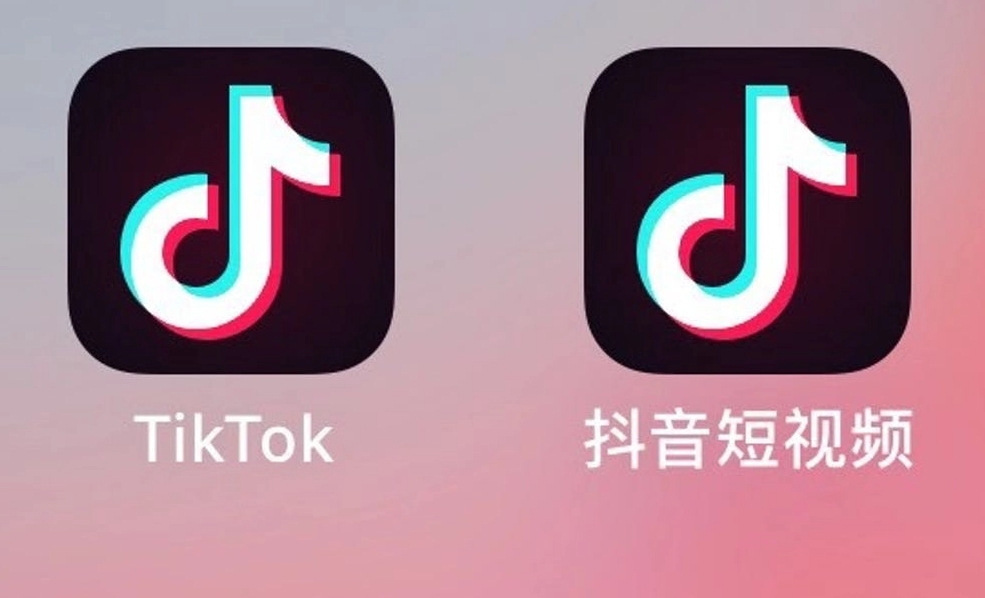
Malgré leurs nombreuses similitudes, TikTok et Douyin présentent également certaines différences.
Différences entre TikTok et Douyin
1. Public cible différent
1) Douyin dessert le marché de la Chine continentale, ainsi que Hong Kong et Macao.
2) TikTok couvre plus de 150 pays et régions dans le monde, impliquant 75 langues.
La diffusion du trafic tend à être à la fois localisée et mondialisée. Le contenu vidéo TikTok de chaque pays peut être vu par des utilisateurs du monde entier. Ainsi, en parcourant TikTok, on découvre du contenu de divers pays et dans de nombreuses langues.
2. Données et contenu différents
Bien que Douyin et TikTok appartiennent tous deux à ByteDance, le stockage des données, la gestion du contenu et la modération du contenu des deux produits sont indépendants. Par conséquent, les utilisateurs chinois ne peuvent pas télécharger ni se connecter directement à TikTok.
3. Nombre de téléchargements différent :
1) Fin 2023, Douyin comptait environ 800 millions de téléchargements, tandis que TikTok dépassait les 3 milliards de téléchargements dans le monde.
2) Les dix premiers pays et leurs téléchargements sont :
États-Unis 136 millions, Indonésie 99 millions, Brésil 73 millions, Russie 51 millions, Mexique 50 millions, Vietnam 45 millions, Philippines 40 millions, Thaïlande 38 millions, Turquie 28 millions, Pakistan 24 millions.
4. Méthodes de connexion différentes :
1) Douyin se connecte via numéro de téléphone, QQ, WeChat, Weibo, Toutiao, et nécessite une vérification d'identité par carte d'identité pour utiliser toutes les fonctionnalités.
2) TikTok se connecte via numéro de téléphone étranger, email étranger, Facebook, YouTube, etc., et ne nécessite pas de vérification d'identité pour utiliser toutes les fonctionnalités.
5. Opportunités commerciales différentes :
1) Le contenu vidéo de Douyin est extrêmement détaillé et varié, avec une multitude de produits sur la plateforme, ce qui rend la concurrence commerciale relativement forte.
2) TikTok, quant à lui, en est à ses débuts en matière de monétisation commerciale. Les habitudes des utilisateurs doivent encore être consolidées et éduquées, offrant un vaste marché de monétisation et des opportunités commerciales.
6. Fonctionnalités de monétisation différentes :
1) La page d'accueil du compte Douyin ne permet pas de mettre des liens tiers.
2) TikTok permet de mettre des liens vers des sites d'entreprise, des sites indépendants, des plateformes comme AliExpress, Amazon, etc. En passant en compte professionnel, on peut également ajouter des emails, des numéros de téléphone, etc.
En résumé, TikTok et Douyin peuvent être considérés comme des versions différentes d'un même produit. Ils partagent le même algorithme sous-jacent et le même parcours commercial, mais présentent certaines différences en termes de public cible, de données et de contenu, ainsi que d'opportunités commerciales. Cependant, que ce soit TikTok ou Douyin, ils attirent l'attention des utilisateurs du monde entier grâce à leur expérience sociale unique et à leurs formats de contenu innovants, devenant ainsi des leaders dans le domaine des médias sociaux d'aujourd'hui.