 2149
2149"Le marketing TikTok ne se limite pas au B2C, le B2B en a encore plus besoin."
01 Pourquoi les entreprises B2B devraient-elles envisager le marketing TikTok ?
Après avoir travaillé dans le secteur de l'exportation pendant si longtemps, Tuke rencontre encore parfois des doutes sur la capacité marketing de TikTok pour le B2B. Il est vrai que depuis son lancement, TikTok a principalement mené des activités dans le domaine B2C, semblant n'avoir aucun rapport avec le B2B.
Mais il faut savoir que, quel que soit le type de marketing, il attire en fin de compte des personnes, seulement avec des identités différentes.
L'essence de TikTok est une plateforme de médias sociaux. Ses plus de 1,6 milliard d'utilisateurs actifs mensuels dans le monde représentent en fait un réseau de contacts encore inexploité.
De plus, la tranche d'âge des utilisateurs de TikTok est large, et le format de contenu est très adapté à une diffusion rapide et à une forte interaction. C'est donc une plateforme idéale pour améliorer la notoriété de la marque et la fidélité des clients.
02 Comment les entreprises B2B peuvent-elles faire du marketing sur TikTok ?
Le marketing B2B sur TikTok a en fait des points communs avec le B2C, comme la nécessité d'une personnalité de marque et de contenu, etc. Cependant, en raison des différences de public cible, il y aura des différences dans la mise en œuvre spécifique. Voici les 6 principales méthodes marketing résumées par Tuke, que vous pouvez utiliser comme référence.
1. Humaniser l'image de marque
Dans le passé, l'image des entreprises B2B était souvent trop formelle et professionnelle, ce qui est en fait un stéréotype. Comme les entreprises B2B sont souvent des usines, les gens pensent qu'elles doivent être plus formelles.
Mais TikTok est une plateforme de divertissement et de partage. Une image de marque formelle et professionnelle peut être moins populaire qu'un contenu humoristique et accessible. Par conséquent, les marques B2B doivent assouplir leur ton tout en restant professionnelles, rendant le contenu plus attrayant et regardable.
2. Publier davantage de vidéos de démonstration de produits
Les clients B2B sont des entreprises, mais aussi des consommateurs, cela n'a jamais changé. Nous pouvons donc utiliser les caractéristiques visuelles et de courtes vidéos de TikTok pour créer des vidéos intuitives de démonstration de produits ou de processus opérationnels.
Cela aide non seulement à montrer les fonctionnalités du produit, mais aussi à attirer les clients cibles en montrant comment le produit résout leurs problèmes spécifiques.
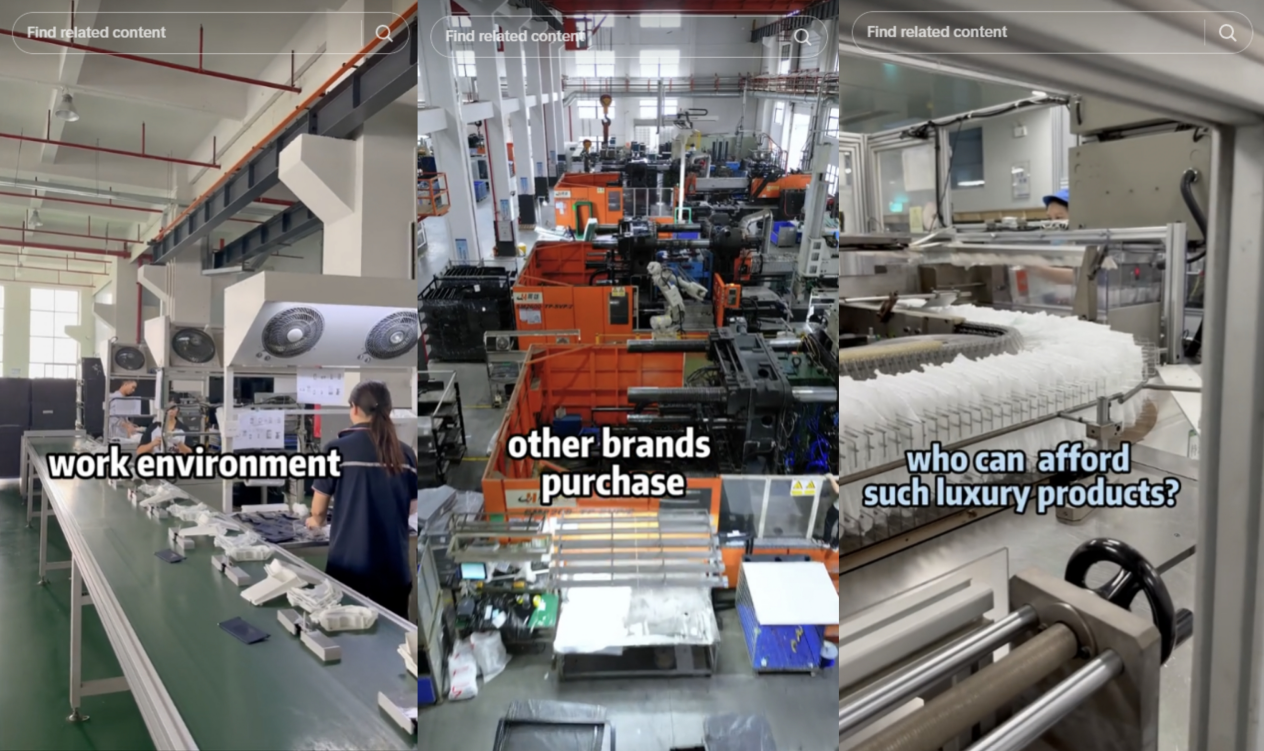
3. Révéler les coulisses de l'industrie
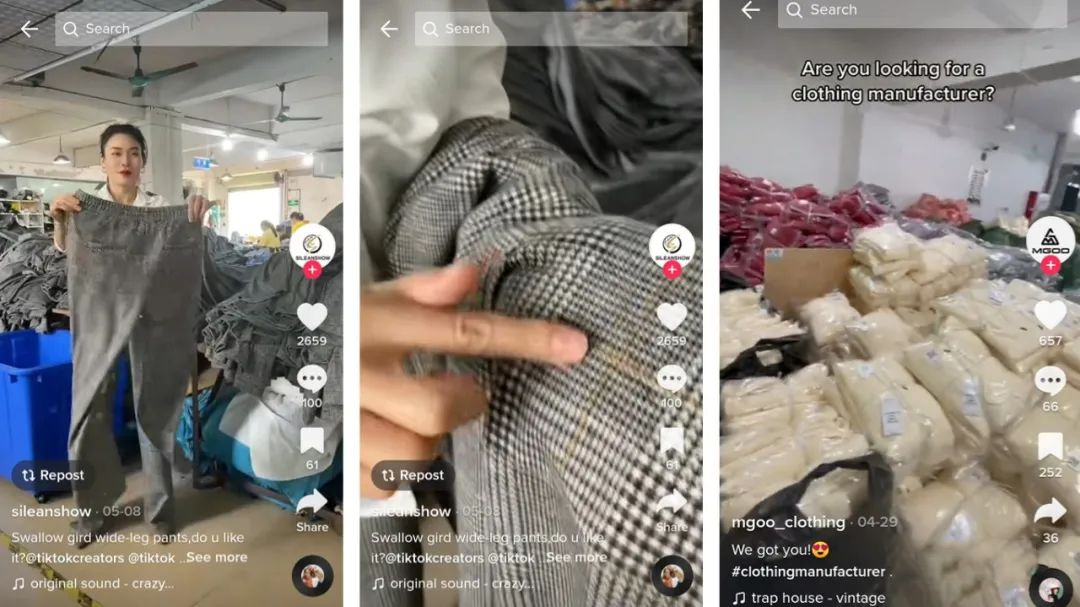
Les gens sont curieux de ce qu'ils ne connaissent pas. Nous pouvons donc attirer l'attention des utilisateurs en partageant la culture d'entreprise et les processus de travail en coulisses, comme le quotidien des employés, l'environnement de bureau ou l'avancement de projets spéciaux, renforçant ainsi la transparence et la convivialité de la marque.
Dans le secteur des usines, cela peut se traduire par le partage des chaînes de production, y compris l'emballage, l'inspection, le réglage, l'installation, etc.
4. Utiliser les KOL pour le marketing B2B
Le marketing d'influence est souvent utilisé dans les activités B2C, mais cela ne signifie pas qu'il ne convient pas au B2B. Au contraire, le marketing d'influence est également un moyen important pour les entreprises B2B d'améliorer leur crédibilité de marque.
La différence est que, pour le B2B, il est préférable de collaborer avec des KOL de l'industrie ou des comptes d'entreprise influents, leur demandant de partager leur expérience d'utilisation de vos produits, de mentionner votre entreprise et vos produits, ou de partager le processus de visite de l'usine. Cela rend le contenu plus authentique et plus susceptible d'attirer des clients cibles pour des demandes de renseignements.
5. Utiliser la publicité payante
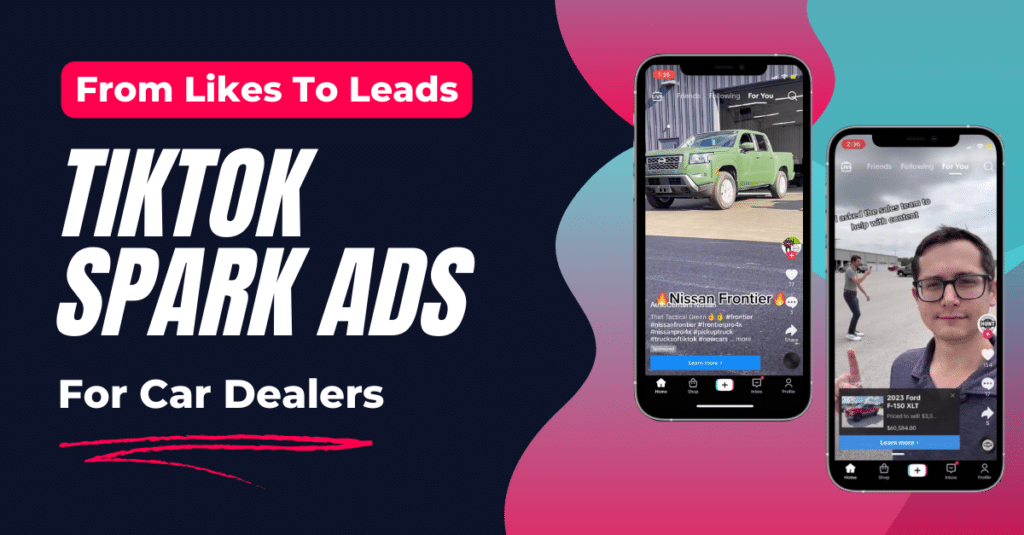
Combiner le marketing d'influence avec la publicité payante est la meilleure façon de maximiser l'efficacité promotionnelle. Les publicités Spark Ads sur TikTok illustrent bien ce point. Ils ont testé un cas sur le compte NEXT (une communauté d'assurance pour petites entreprises en ligne) avec trois types de publicités différents : les Spark Ads combinées au marketing d'influence, les Spark Ads du compte commercial NEXT et les publicités non-Spark.
Les résultats ont montré que les Spark Ads combinées au marketing d'influence généraient un taux de conversion bien plus élevé que les deux autres, avec un coût d'acquisition client par unité plus faible.
Conclusion
TikTok offre aux entreprises B2B une opportunité de marché sans précédent pour interagir et se connecter avec les clients cibles d'une manière nouvelle. Grâce aux stratégies ci-dessus, les entreprises B2B peuvent construire une forte influence de marque sur TikTok tout en améliorant la fidélité des clients et la compétitivité sur le marché.
Avec de plus en plus de dirigeants d'entreprise qui commencent à s'intéresser à cette plateforme, c'est le moment idéal pour les entreprises B2B d'explorer et d'exploiter le potentiel marketing de TikTok.