 2327
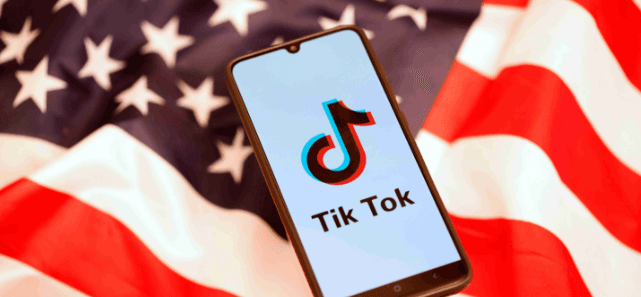
2327TikTok a officiellement révélé un chiffre : en mars 2023, le nombre d'utilisateurs actifs mensuels de TikTok aux États-Unis a atteint 150 millions, soit près de 50 % de la population américaine.
Parallèlement, la croissance des TikTok Shop américains est également très rapide. Selon les données fournies par EchoTik, fin octobre 2023, le nombre de TikTok Shop aux États-Unis est passé d'environ 5 000 en juillet 2023 à 30 000 en octobre, avec un rythme de croissance très soutenu.
Parmi ces vendeurs, certains viennent d'Amazon, d'autres ont déjà de l'expérience avec les TikTok Shop dans d'autres pays, et d'autres encore se tournent du marché de l'Asie du Sud-Est vers le marché américain pour trouver des opportunités.
Mais quel que soit le cas, cela montre indirectement une chose : le marché américain de TikTok semble regorger d'opportunités ?


Efforts multiples, concurrence acharnée sur les TikTok Shop américains
En septembre 2023, TikTok a annoncé le lancement officiel de son service de commerce électronique TikTok Shop aux États-Unis, déclenchant une véritable « lutte pour le pouvoir », avec trois modèles (boutiques locales américaines, boutiques transfrontalières et boutiques entièrement gérées) lancés simultanément, ouvrant une « guerre » sans fumée.
Selon les données d'EchoTik, le marché du commerce électronique de TikTok aux États-Unis a montré une forte dynamique de croissance en octobre, avec un chiffre d'affaires total passant de 140 millions de dollars en septembre à 200 millions de dollars, soit une augmentation de 43 % par rapport au mois précédent. En comparaison, le chiffre d'affaires de juillet n'était que de 27 millions de dollars.
Cependant, cela ne se reflète que dans les données. En réalité, parmi les vendeurs qui se sont lancés sur TikTok Shop aux États-Unis, une grande partie connaît encore de mauvaises ventes.
Par exemple, l'auteur a vu un vendeur se plaindre : « Le trafic de la boutique dépasse 2 000, et les vues naturelles des vidéos sont de plus de 7 000, mais je n'ai toujours pas vendu un seul article. »
C'est un cas typique de vues sans conversion.
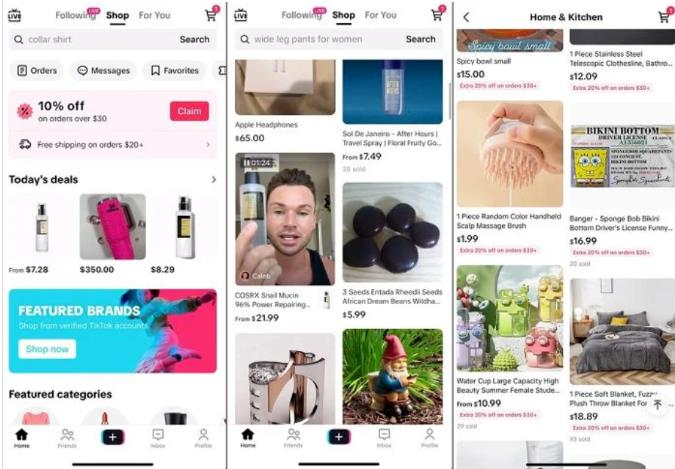
Actuellement, TikTok Shop aux États-Unis en est à ses débuts et de nombreux aspects doivent être ajustés. Pour l'instant, son modèle ACCU de boutique locale américaine est très favorable aux vendeurs Amazon dont le chiffre d'affaires annuel dépasse 2 millions de dollars.
Il permet aux produits classés dans le top 100 000 d'Amazon d'être affichés en priorité dans la vitrine TikTok. Plus les utilisateurs voient ces produits, plus les ventes augmentent naturellement.
De plus, de nombreuses marques locales américaines intensifient également leurs efforts.
Selon les données d'EchoTik, la célèbre marque américaine de fers à boucler The Beachwaver était la boutique avec le chiffre d'affaires le plus élevé sur TikTok Shop aux États-Unis en octobre. En juillet, cette marque se classait sixième dans la catégorie beauté et soins, avec un chiffre d'affaires déjà supérieur à 10 millions de dollars.

Collaboration avec les influenceurs pour créer des produits viraux, la vérification d'identité soulève des débats
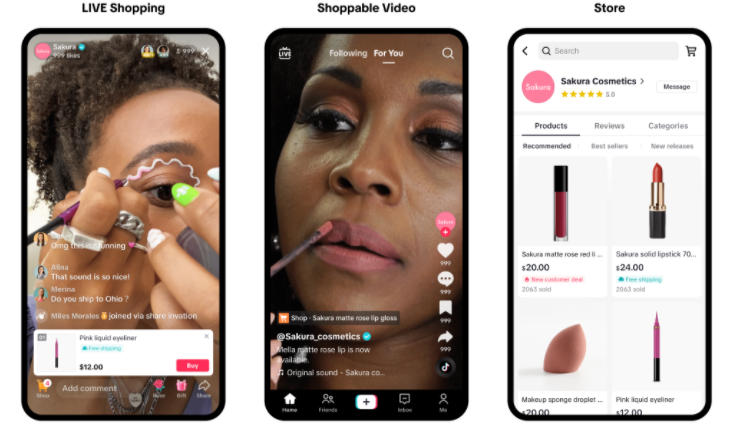
Outre le fait que les commerçants publient eux-mêmes des vidéos sur TikTok et font du live shopping, collaborer avec des influenceurs locaux américains est également une stratégie importante pour augmenter les vues et les ventes des produits.
TikTok Shop aux États-Unis en est à ses débuts, et il est clairement impossible de copier directement le modèle de live shopping chinois. Cependant, cela n'empêche pas les vidéos courtes de conserver leur rôle central.
Une méthode couramment reconnue pour créer un produit viral consiste, à condition que le produit ait des caractéristiques distinctives et un approvisionnement suffisant, à inviter simultanément des centaines d'influenceurs pour promouvoir le produit, en utilisant une exposition à grande échelle pour le transformer rapidement en succès.
Cette méthode est également utilisée par certaines marques en Chine, et reste une approche traditionnelle et efficace pour lancer un produit.
Une fois que la marque ou le produit devient populaire, même si vous ne contactez pas les influenceurs, ils viendront d'eux-mêmes, car il s'agit d'un processus gagnant-gagnant.
Il existe désormais aux États-Unis des sites spécialisés pour contacter les influenceurs, et des informations indiquent qu'à partir du 15 novembre, TikTok a renforcé le contrôle de la vérification d'identité des influenceurs en Thaïlande et aux États-Unis, garantissant qu'un influenceur n'a qu'un seul identifiant de compte, empêchant ainsi la gestion de plusieurs comptes.
Cette mesure a eu un certain impact sur le trafic vidéo des commerçants ayant déjà collaboré avec des influenceurs, mais elle offre également plus de garanties pour les collaborations entre commerçants et influenceurs.
De plus, TikTok ne continuera pas à offrir un énorme trafic à un même groupe de personnes indéfiniment. Sans une production de contenu stable et continue, ces influenceurs seront rapidement remplacés par de nouveaux venus en quelques mois.
La vérification d'identité n'est pas une mauvaise chose pour les influenceurs qui souhaitent réellement gagner des commissions en faisant la promotion de produits, et elle contribue à assainir l'ensemble de l'écosystème TikTok aux États-Unis.