 2117
2117“
TikTok è un punto di riferimento completo: dal rafforzamento della consapevolezza del marchio, alla promozione dei prodotti, fino alla conversione diretta delle vendite e alla fidelizzazione degli utenti, tutto può essere realizzato all'interno della piattaforma, un risultato che altre piattaforme non possono raggiungere.”
——Daniel Pu, Responsabile Operativo di Gaabor in Malesia
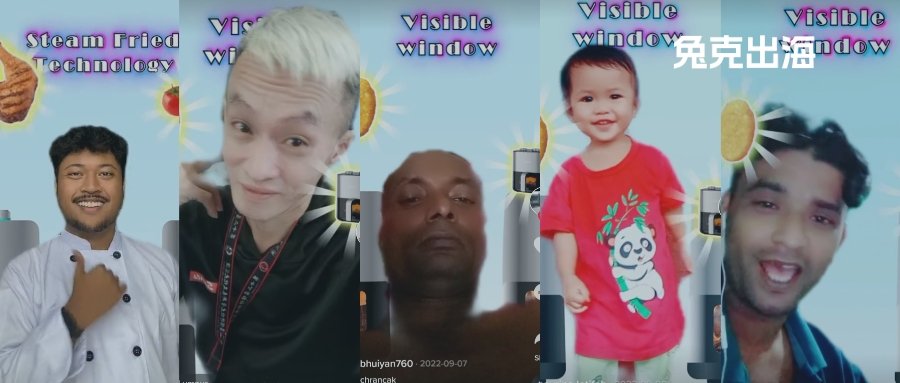
Nel settembre dello scorso anno, Gweich, un marchio del gruppo Gaabor, ha lanciato una sfida di ballo su TikTok. In pochi giorni, la sfida ha accumulato 240.000 visualizzazioni tra condivisioni e remix. In questi 240.000 brevi video, la friggitrice ad aria Gweich è apparsa frequentemente, facendo sì che gli utenti la ricordassero inconsciamente.

Nel video, il creator malese itsafiqhakim attira l'attenzione del pubblico con una danza affascinante, schivando abilmente oggetti virtuali che cadono sullo schermo. Tra questi, le immagini di alcune friggitrici ad aria sono le più evidenti.
Questo è un modo di costruire un marchio senza precedenti. Quanto più "inconscio" è il processo con cui gli utenti lo accettano, tanto più rivoluzionario è il cambiamento che porta alle aziende nella creazione del marchio.
Gaabor è un'azienda cinese di piccoli elettrodomestici in espansione globale. Secondo un rapporto condiviso in precedenza da China Home Appliances Network, nel 2021 le vendite di piccoli elettrodomestici in Malesia sono aumentate del 57% su base annua. Questo è il mercato che Gaabor vuole conquistare, puntando a diventare il marchio preferito delle famiglie del Sud-est asiatico, lanciando piccoli elettrodomestici tecnologicamente avanzati con un controllo qualità rigoroso, rivolti ai giovani della regione. Tra questi, la friggitrice ad aria del loro marchio principale Gweich, adattata alle caratteristiche della domanda locale, enfatizza le funzioni di visualizzazione e cottura a vapore.
Nei sei giorni successivi al lancio della sfida Gweich Rancak, sono state ottenute la sorprendente cifra di 280 milioni di visualizzazioni, e il marchio è diventato il secondo per GMV totale in tutte le categorie durante le live streaming. In una sola settimana, il loro account aziendale ha guadagnato quasi 20.000 nuovi follower.
Il prodotto è pronto, il posizionamento di mercato è definito, ma come può un marchio giovane, ancora sconosciuto nel Sud-est asiatico, costruire rapidamente la propria presenza?
Gaabor ha scelto TikTok come soluzione.
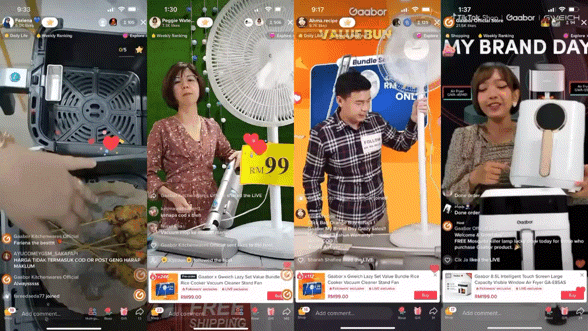
Oltre a far sì che gli utenti vedano contenuti video legati al marchio nel loro feed, durante le numerose stagioni promozionali del Sud-est asiatico, i prodotti Gaabor vengono mostrati anche nella schermata iniziale di TikTok, nelle live streaming di vendita e sulle pagine di molti creator popolari.
Nel caso di Gaabor, la scelta di collaborare con creator locali, l'individuazione dei momenti migliori per i consumatori locali e persino la selezione di musiche di sottofondo locali sono stati fattori chiave per il successo dell'intera strategia di marketing.
Un modo più nativo di promuovere i prodotti
Sempre più marchi, come Gaabor, utilizzano TikTok per pubblicare contenuti creativi. Tuttavia, a differenza di altre piattaforme dove gli utenti percepiscono chiaramente l'aumento della pubblicità, gli utenti di TikTok potrebbero non avere la stessa sensazione. Questo perché, in termini di forma e divertimento, i contenuti di marca di alta qualità spesso sono indistinguibili dai contenuti generati dagli utenti (UGC) più popolari su TikTok. Tra questi, l'uso di hashtag per aggregare e diffondere contenuti è un canale importante per ottenere visibilità, e l'hashtag #TikTokMadeMeBuyIt ne è un eccellente esempio.
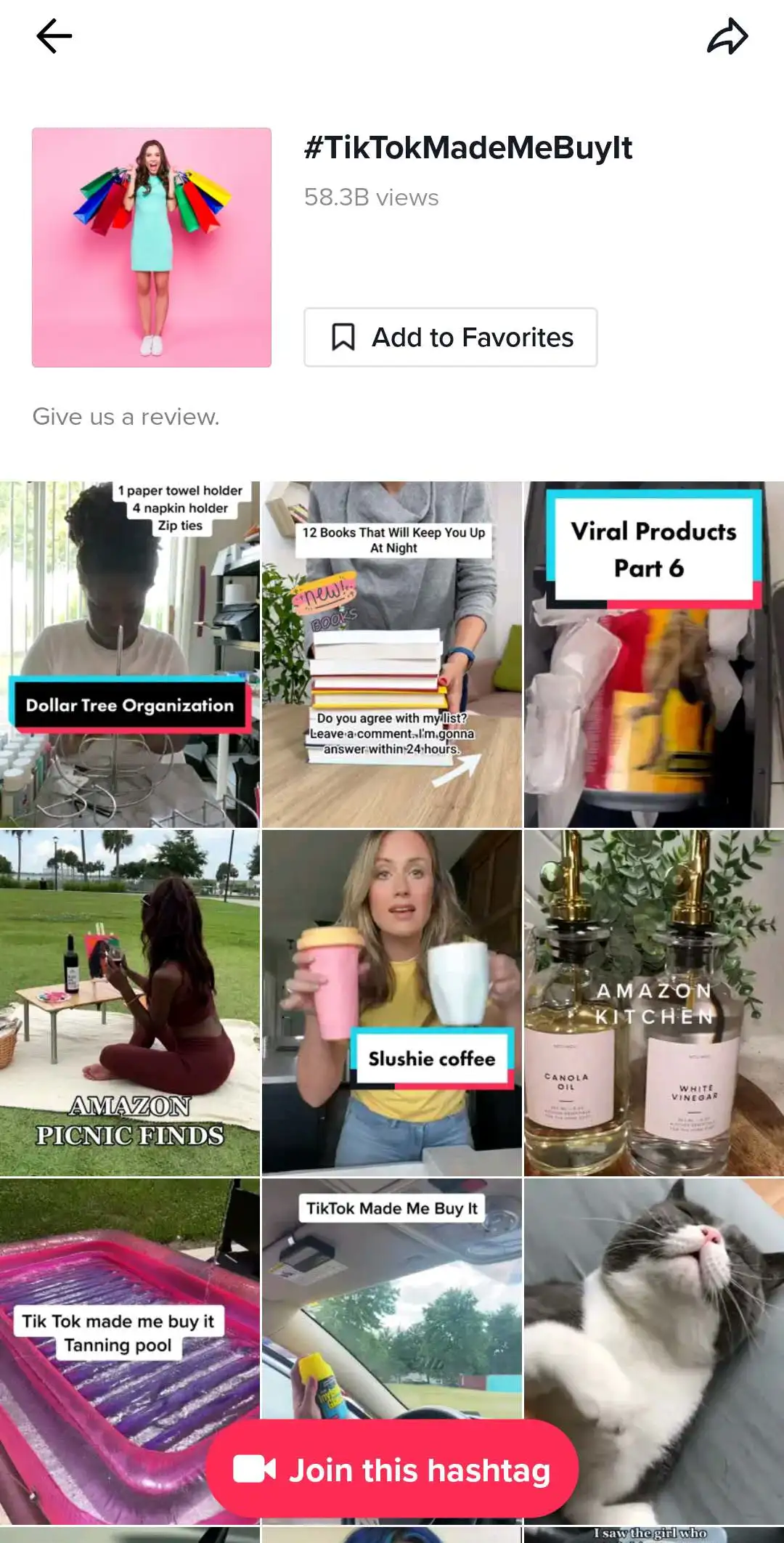
Sotto questo hashtag, puoi vedere donne da tutto il mondo che provano campioni di cosmetici appena lanciati, creator stupiti da un caricabatterie che accende candele, e persone di mezza età entusiaste di aver ritrovato giocattoli d'infanzia. Questi video non sono molto diversi dagli altri contenuti su questa piattaforma globale, ma nascondono veri e propri miracoli di vendita.
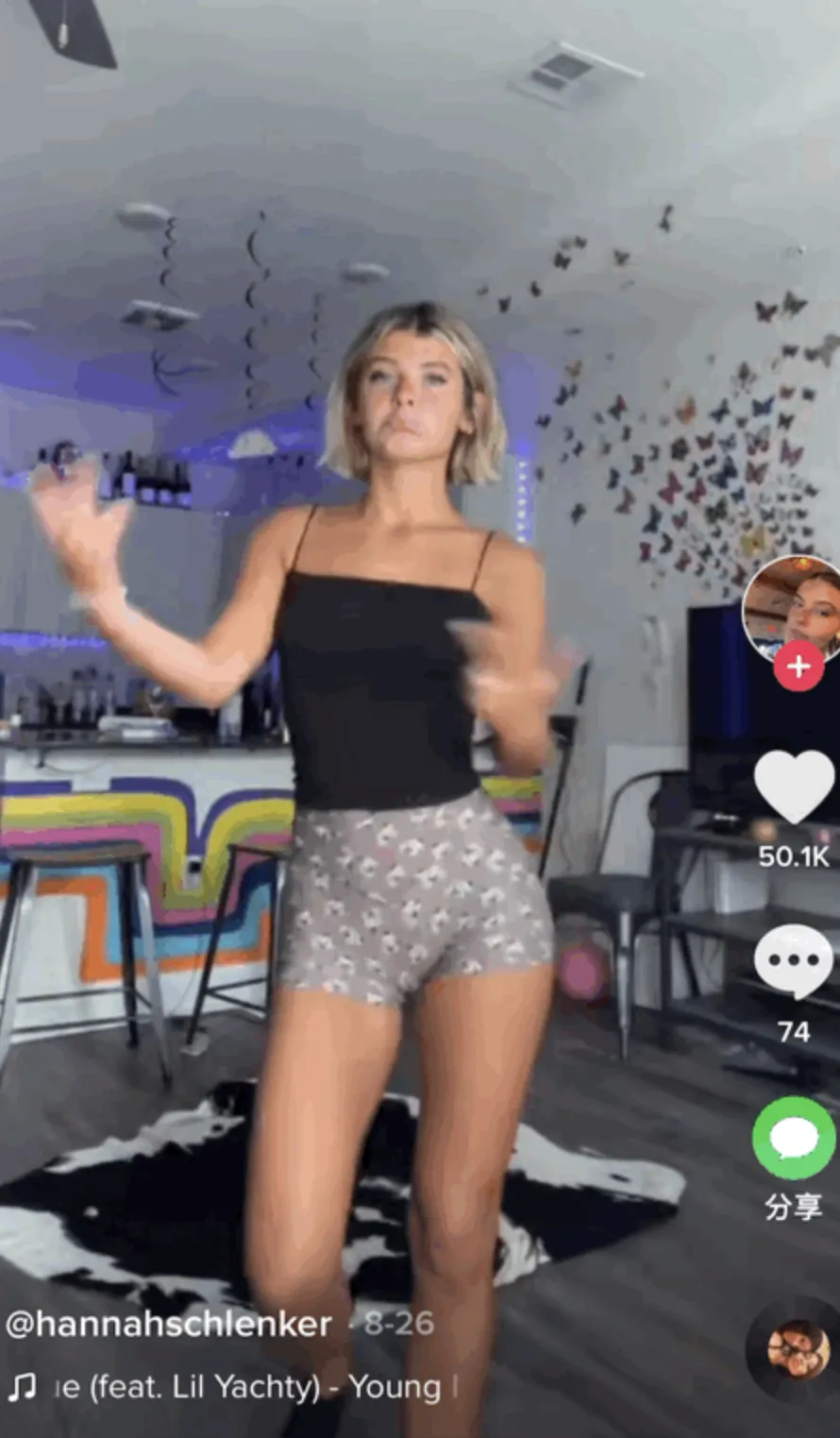
Prendiamo novembre 2020 come esempio: la creator di TikTok Hannah Schlenker ha pubblicato un video in cui ballava improvvisamente in cucina. In un'intervista, ha detto di non aver fatto nulla di speciale. Tuttavia, il video ha subito generato un'ampia condivisione e remix, e, cosa ancora più sorprendente, i pantaloni da ginnastica Aerie che indossava sono diventati un prodotto molto richiesto dagli utenti americani. Di conseguenza, le ricerche su Google per Aerie sono aumentate di 2000 volte, e la società madre American Eagle è diventata rapidamente il primo rivenditore di fast fashion negli Stati Uniti.
Su TikTok, storie simili sono sempre più frequenti. Mentre le persone partecipano alla creazione con lo stesso entusiasmo con cui si uniscono a sfide virali, al 13 giugno 2023, l'hashtag #TikTokMadeMeBuyIt aveva accumulato la sorprendente cifra di 58,2 miliardi di visualizzazioni.
In passato, i grandi marchi avevano una forte dipendenza dai loro modelli pubblicitari tradizionali, ma ora, insieme a molti marchi piccoli e medi, stanno rapidamente cambiando rotta, imparando dai contenuti originali dell'ecosistema TikTok e prestando maggiore attenzione ai formati creativi e interattivi più popolari sulla piattaforma. Allo stesso tempo, questi cambiamenti portano anche risultati diretti. Rispetto a una celebrità distante, un creator che condivide la propria esperienza d'uso può trasmettere meglio i messaggi legati al marchio. I dati di visualizzazione più immediati confermano la correttezza di questi cambiamenti.
Come piattaforma giovane che ridefinisce i media, TikTok non è appesantita da modelli di business fissi o forme industriali obsolete. In un certo senso, sta coltivando un modo unico di costruire un marchio.
Proprio come la cultura rappresentata da qualsiasi marchio deriva dal terreno in cui cresce, su TikTok la costruzione del marchio inizia tutto da questa comunità vibrante. Questa comunità, la più vivace e creativa del mondo, sta ridefinendo il modo di pensare dei marchi. Potrebbe persino indicare la prossima era del settore pubblicitario.
I social media, in particolare le piattaforme video brevi che cambiano i media e stimolano l'entusiasmo per gli UGC, stanno aprendo nuove frontiere.
I marchi appaiono in queste comunità come creatori, tornando agli interessi e alla creatività delle persone, un processo creativo a cui tutti nella comunità possono partecipare. Il modo in cui TikTok rappresenta l'integrazione dei contenuti di marca con la comunità offre ai marchi l'opportunità di essere scoperti in modo in qualche modo equo.
Nell'ottobre dello scorso anno, Tiffany ha lanciato una nuova serie di annunci pubblicitari. Inizialmente, questi annunci sono stati pubblicati su Instagram, con la cantante Beyoncé come protagonista. Tuttavia, quando sono stati pubblicati su TikTok, Beyoncé non appariva più, sostituita da un creator che, nel suo bagno, condivideva direttamente con i fan le sue impressioni provando diversi prodotti.
L'annuncio pubblicato su Instagram ha ottenuto 1,6 milioni di visualizzazioni, mentre quello su TikTok ha raggiunto 5,2 milioni di visualizzazioni.
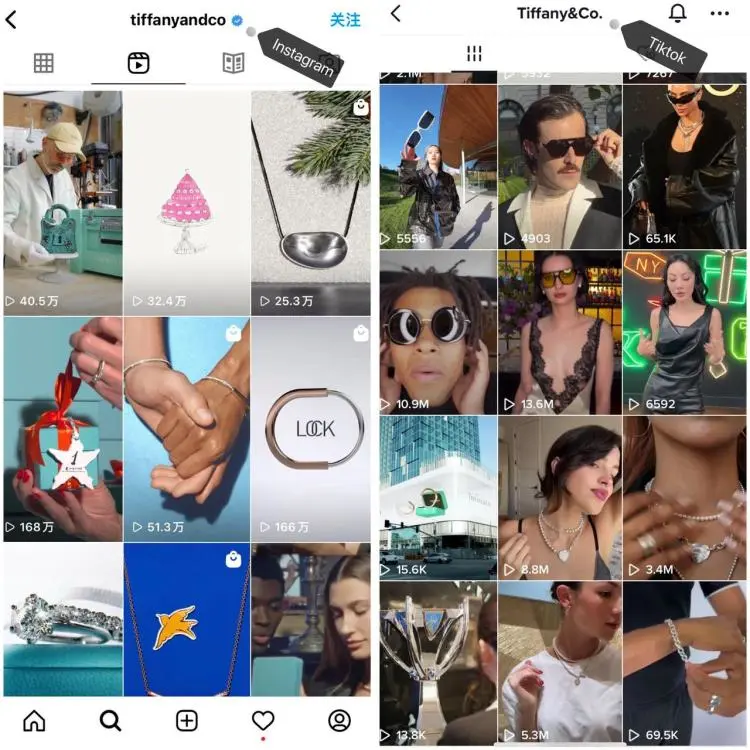
Fonte: Pagina Instagram di Tiffany (sinistra), Pagina TikTok di Tiffany (destra)
Secondo i dati di ricerca forniti da Walnut Unlimited nel 2020, il 74% degli utenti ha dichiarato che TikTok li ha aiutati a comprendere meglio un prodotto o un marchio. Il 66% ha detto che TikTok li ha informati su cosa acquistare. Il 67% ha affermato che TikTok ha stimolato il loro desiderio di acquisto, anche senza un piano d'acquisto. Questi dati mostrano il ruolo positivo di TikTok nel guidare l'interesse degli utenti verso prodotti o marchi.
Le cose stanno cambiando.
Oltre al fatto che sempre più grandi inserzionisti scelgono di utilizzare uno stile in linea con TikTok per diffondere l'immagine del marchio, per i marchi piccoli e medi come Gaabor, questo cambiamento rapido ha un significato ancora maggiore. Soprattutto per i marchi cinesi in espansione globale, per la prima volta hanno una piattaforma di marketing globale naturalmente vicina, dotata di strumenti di costruzione del marchio adatti a loro.
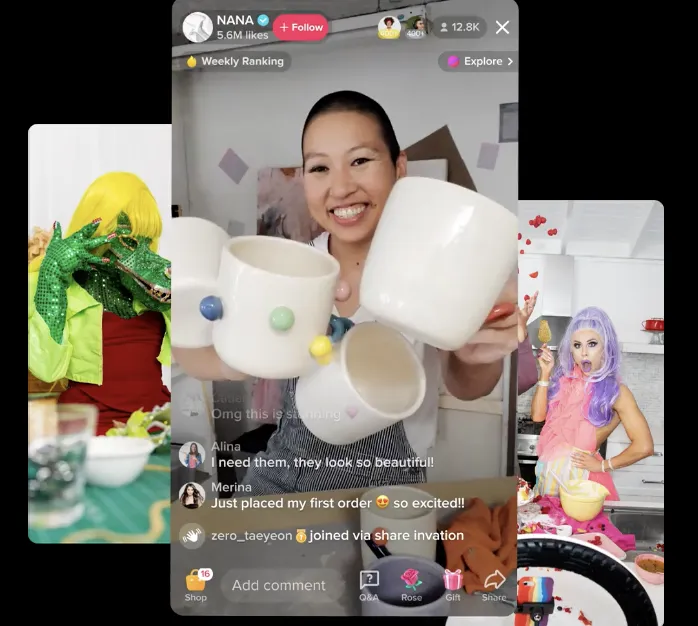
L'intero percorso "Esposizione-Interazione-Acquisto-Fidelizzazione"
E questi cambiamenti sono solo l'inizio. Questa piattaforma di video brevi è in continua evoluzione, e tutti si aspettano ulteriori miglioramenti – ad esempio, come per i prodotti Gaabor, gli utenti possono già effettuare acquisti con un clic su TikTok in alcune regioni.
Attivando la funzione TikTok Shopping sulla piattaforma, Gaabor è riuscita a completare l'intero percorso di vendita. Questo ha permesso loro di creare un efficiente percorso completo "Esposizione-Interazione-Acquisto-Fidelizzazione" durante le attività di marketing, collegando la conversione degli acquisti ad altre fasi di marketing. Ciò consente agli inserzionisti di vedere più direttamente il ritorno del loro investimento. In questa campagna di marketing, i primi dieci creator hanno esaurito i prodotti Gaabor grazie a tassi di conversione delle vendite molto elevati, mentre il tasso di conversione delle vendite in live streaming ha superato le aspettative del 50%.
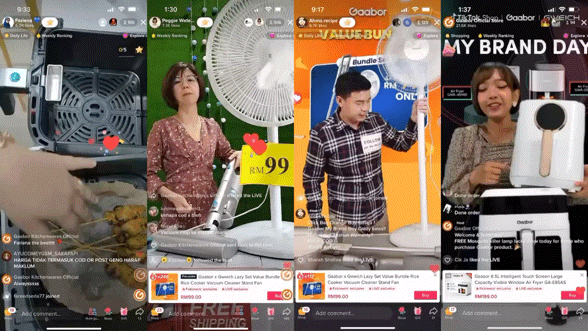
Ridefinire la costruzione del marchio
Per molti commercianti cinesi in espansione globale, questa è un'opportunità per ridefinire la costruzione del marchio. TikTok offre a questi commercianti cinesi, che in precedenza non avevano esperienza nel mondo degli affari tradizionali, una nuova piattaforma commerciale e un'opportunità senza precedenti per costruire un marchio. Per massimizzare i profitti, devono ovviamente abbracciare completamente questa nuova piattaforma.
TikTok sta cambiando il modo di costruire i marchi. Gli inserzionisti non sono più limitati alla mentalità del "fare pubblicità" del passato, ma possono interagire più liberamente con gli utenti. Le giovani aziende, investendo completamente in TikTok, trovano qui nuovi percorsi per costruire il marchio, mentre gli utenti iniziano a considerare questi contenuti creativi del marchio come parte della comunità di TikTok, partecipando attivamente all'interazione con i marchi per plasmare insieme una nuova immagine del marchio.
FINE
Tuke - Fornitore di soluzioni per l'espansione globale dei settori
Supporto alla crescita dei business esteri per le aziende manifatturiere cinesi
Consigli sui prodotti|Creazione di contenuti|Gestione di video brevi
Gestione pubblicitaria|Collaborazione con creator