
 1898
1898Negli ultimi anni, il mercato dell'e-commerce in America Latina è emerso come un "cavallo oscuro" sulla scena globale, diventando uno dei poli di crescita più promettenti nel settore del commercio elettronico transfrontaliero.
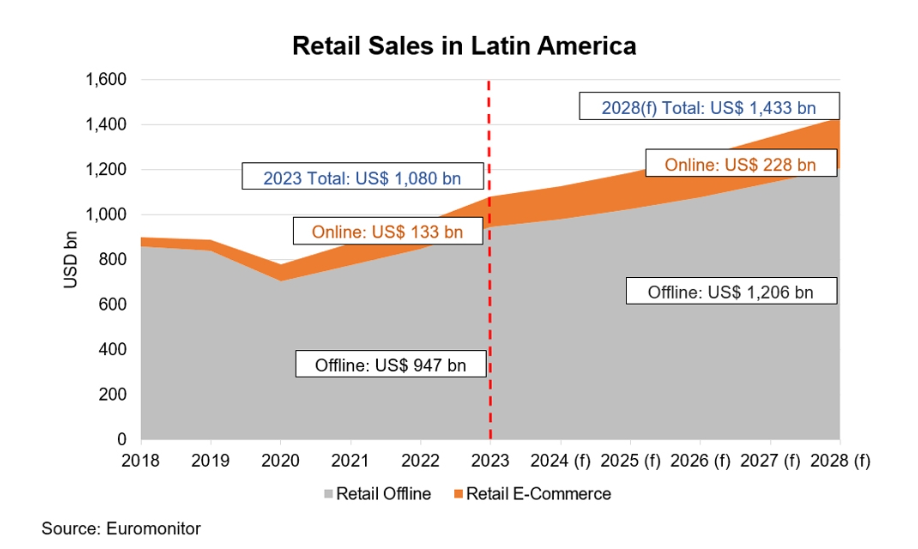
Secondo le previsioni di Euromonitor International, tra il 2024 e il 2028, il fatturato totale al dettaglio della regione crescerà a un tasso di crescita annuale composto (CAGR) del 6%, mentre la crescita del commercio al dettaglio online sarà doppia rispetto a quella dei canali fisici, con un CAGR previsto dell'11%. Sebbene attualmente il commercio al dettaglio online rappresenti solo il 12,3% del totale delle vendite al dettaglio in America Latina (dati del 2023), entro il 2028 questa percentuale salirà al 15,9%, liberando un incremento di mercato di quasi mille miliardi di dollari.
Fonte: Euromonitor
Brasile e Messico in testa, mercati emergenti pronti a decollare
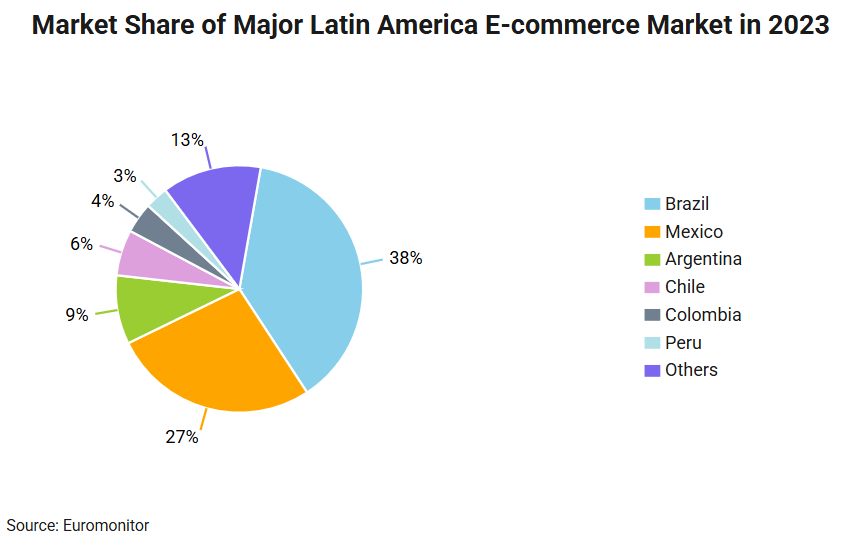
Come "motori gemelli" dell'economia latinoamericana, Brasile e Messico insieme contribuiscono al 60% del PIL della regione e a quasi due terzi della quota di mercato dell'e-commerce. Nel 2023, le vendite al dettaglio online dei due paesi hanno superato i 70 miliardi di dollari, formando insieme ad Argentina (9%), Cile (6%), Colombia (6%) e Perù (3%) il nucleo del mercato e-commerce latinoamericano.
Secondo i dati del Fondo Monetario Internazionale (FMI), il Brasile detiene saldamente il primo posto regionale con una quota del 33% del PIL, seguito dal Messico (27%), ma paesi del "secondo scaglione" come Cile e Perù stanno attirando l'attenzione delle imprese transfrontaliere grazie a una penetrazione online più rapida.
Fonte: Euromonitor
Giganti locali costruiscono barriere ecosistemiche, piattaforme asiatiche accelerano la penetrazione
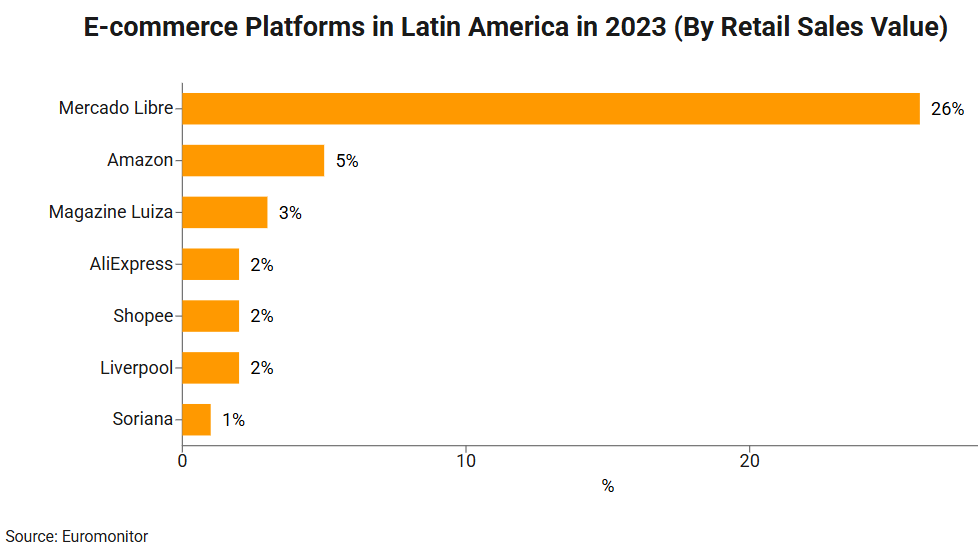
In un mercato e-commerce latinoamericano altamente frammentato, la piattaforma locale Mercado Libre domina con una quota del 26% delle vendite al dettaglio, superando di gran lunga Amazon (5%) e Magazine Luiza (3%). Fondata nel 1999, questa azienda copre 18 paesi latinoamericani attraverso un ecosistema completo di "e-commerce + fintech + logistica": il suo strumento di pagamento Mercado Pago si è esteso a servizi finanziari come investimenti e assicurazioni, mentre la rete logistica Mercado Envíos garantisce la consegna entro 48 ore per l'80% degli ordini.

Fonte: Mercado Libre
Nel frattempo, le forze dell'e-commerce asiatico stanno conquistando il mercato con strategie differenziate. AliExpress, Shopee e SHEIN stanno crescendo rapidamente in categorie ad alta domanda come elettronica di consumo (22% delle vendite online) e moda (14%), grazie all'efficienza della supply chain e a prodotti dal buon rapporto qualità-prezzo. Sebbene queste piattaforme abbiano attualmente una quota di mercato limitata, la loro penetrazione tra i giovani consumatori sta crescendo in modo esponenziale.
Fonte: Euromonitor
Consumi frequenti guidano la crescita, salute e bellezza diventano nuove frontiere
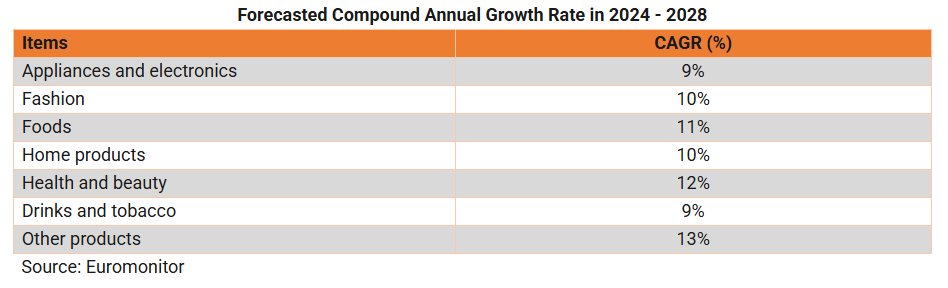
Nell'era post-pandemia, la dipendenza dei consumatori latinoamericani dagli acquisti online continua ad approfondirsi. I dati mostrano che l'elettronica di consumo e i prodotti digitali rimangono i principali motori delle vendite online (22% nel 2023), ma la categoria salute e bellezza sta emergendo come il settore più promettente con un tasso di crescita previsto del 12% (2024-2028), mentre il settore alimentare (11%) si mantiene saldamente in testa alla crescita grazie agli acquisti frequenti. È interessante notare che la preferenza della Generazione Z latinoamericana (che costituisce il 69% della popolazione) per i contenuti social e gli acquisti impulsivi sta rimodellando il panorama competitivo delle categorie: i marchi che vogliono cogliere l'opportunità devono investire di più nel social commerce e nel content marketing.
Fonte: Euromonitor
Marketing sui social media diventa standard, attenzione alle barriere normative
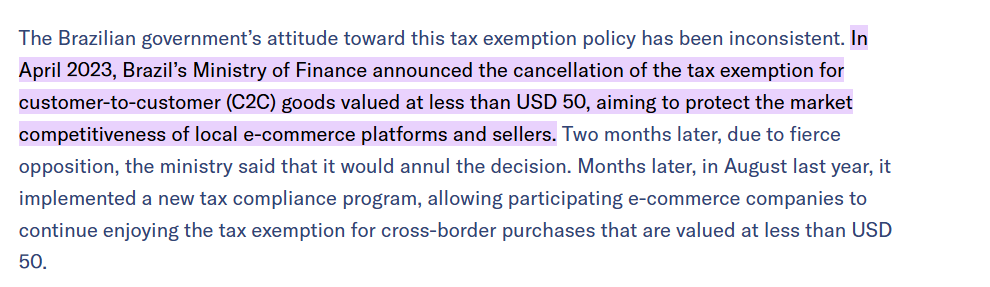
Con 400 milioni di giovani utenti internet in America Latina, il 93% delle aziende ha già adottato i social media come piattaforma di marketing principale (dati NTT Data). Attraverso video brevi, live streaming e collaborazioni con influencer, i marchi possono non solo raggiungere direttamente i consumatori, ma anche amplificare la loro portata attraverso la condivisione sociale. Tuttavia, questo terreno fertile nasconde anche rischi normativi: le soglie di "esenzione fiscale" variano significativamente da paese a paese, ad esempio 30 dollari in Cile, 50 dollari in Brasile e Messico, e fino a 200 dollari in Perù. Se il valore dei prodotti supera queste soglie, le aziende devono affrontare un aumento dei costi doganali e ritardi nello sdoganamento.
Fonte: kr-asia
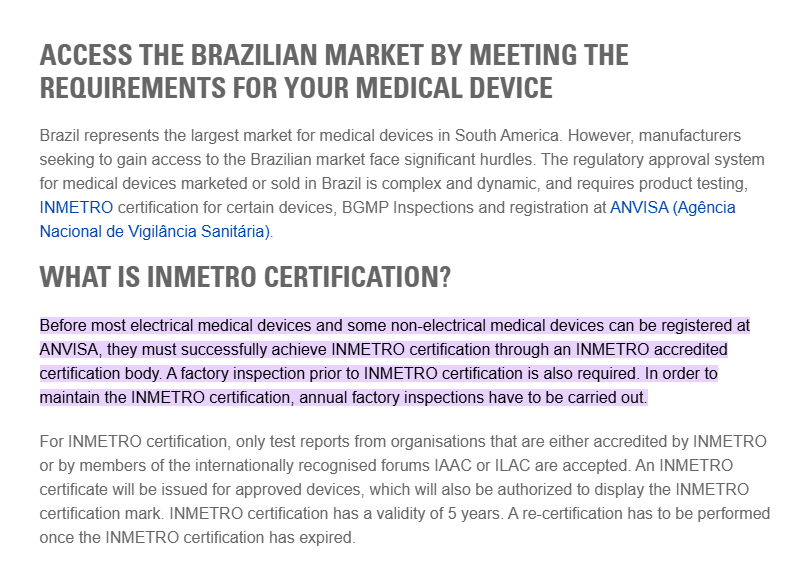
Inoltre, molti paesi latinoamericani impongono rigorose certificazioni di sicurezza e normative sull'etichettatura per prodotti come cosmetici e integratori alimentari. Ad esempio, in Brasile, i dispositivi medici importati richiedono una licenza ANVISA, mentre i tessuti devono soddisfare gli standard di qualità INMETRO. Si consiglia alle aziende transfrontaliere di registrare entità legali nei paesi target (la maggior parte richiede un capitale sociale minimo) e di cercare il supporto di team di conformità locali per evitare rischi legali.
Fonte: tuvsud
Conclusione
L'esplosione del mercato e-commerce latinoamericano non è casuale: l'aumento della penetrazione di internet, il miglioramento delle infrastrutture di pagamento e il cambiamento delle abitudini di consumo stanno creando un effetto sinergico. Sebbene Brasile e Messico rimangano terreni di scontro imprescindibili, le opportunità strutturali in mercati emergenti come Cile e Perù meritano un investimento a lungo termine. Per le aziende transfrontaliere, approfondire la localizzazione, costruire una matrice di social commerce e rispettare rigorosamente le normative saranno le tre chiavi per aprire questo "nuovo oceano blu".


