 1873
1873Tuke ha già parlato più volte del ritorno di TikTok in Indonesia, ma perché tornare sull'argomento?
Principalmente perché vogliamo sfruttare questa occasione per chiarire la "necessità di espandersi all'estero" per le aziende cinesi, così che i lettori non pensino che Tuke stia solo facendo pubblicità a TikTok.
In realtà, chi gestisce un'impresa avrà già capito che, dopo anni di sviluppo, tutte le strategie di vendita online sono state esaurite. Anche organizzando innumerevoli eventi e cercando di promuovere in modi diversi, la domanda interna ha raggiunto un punto di saturazione, rendendo difficile generare un enorme potere d'acquisto.
Questo ha portato le aziende cinesi, sia B2B che B2C, a dover cercare nuova crescita attraverso l'espansione all'estero.
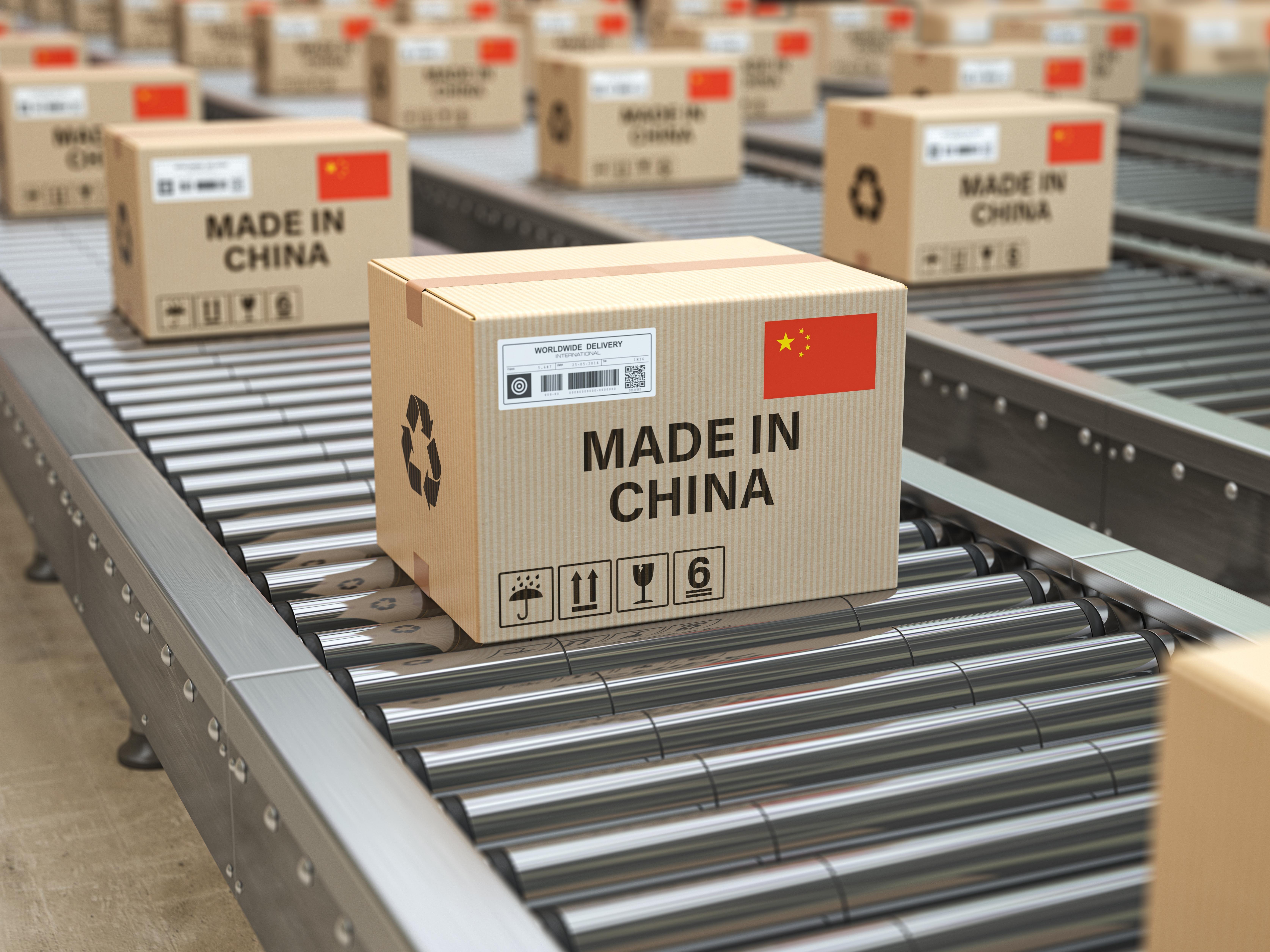
Ma molti prodotti in circolazione nel mondo sono "Made in China", non è già espansione all'estero?
Certo che no.
Bisogna capire che l'esportazione di prodotti e l'espansione del marchio all'estero sono concetti diversi. In passato, esportavamo prodotti lavorati a marchi esteri, che li etichettavano, fissavano i prezzi e li vendevano. Sembrava che guadagnassimo grandi ordini, ma in realtà eravamo solo la fabbrica del mondo, una fonte di prodotti a basso costo. Le aziende cinesi si facevano concorrenza al ribasso per accaparrarsi gli ordini, finendo per non guadagnare nulla e sopravvivere a malapena.
Ecco perché si consiglia alle aziende di espandersi all'estero, partecipando direttamente alla vendita per ottenere maggiori ritorni economici, altrimenti si finisce per "competere fino alla morte" nel mercato interno.
Ma l'espansione all'estero comporta anche molti problemi, come la protezione locale di vari paesi, la discriminazione verso gli stranieri, ecc. Tuttavia, non c'è molto da fare, perché nessuna strada al mondo è "tutta in discesa".

In questo percorso di espansione all'estero, TikTok ci ha dato un ottimo esempio, come Tuke ha detto all'inizio: il ritorno di TikTok in Indonesia.
Come azienda cinese, ByteDance ha dovuto affrontare molte difficoltà nel portare TikTok nel mondo, perché equivale a un'espansione del marchio all'estero, e far accettare un "forestiero" ai "locali" richiede tempo e fiducia. Fortunatamente, nel complesso non ci sono stati grossi problemi, e TikTok ha incontrato quasi tutte le sfide tipiche dell'espansione all'estero.
Il suo successo ha anche aperto una strada leggermente più agevole per altre aziende cinesi che vogliono espandersi all'estero.
All'inizio del 2021, TikTok Shop è stato lanciato in Indonesia, e quell'anno ha raggiunto un fatturato di 600 milioni di dollari nel Sud-est asiatico.
Nel 2022, questa cifra è aumentata di oltre sette volte.
Secondo le previsioni degli esperti del settore, nel 2023 il fatturato di TikTok Shop raggiungerà i 15 miliardi di dollari, e la piattaforma ha già attratto oltre 6 milioni di commercianti locali, risolvendo decine di milioni di problemi occupazionali indiretti in Indonesia.
Nonostante il governo indonesiano abbia vietato le transazioni di beni su TikTok, temendo che le attività online danneggiassero gli interessi dei piccoli e medi commercianti locali e che i prodotti cinesi troppo economici costituissero dumping,
ma chi ha occhi per vedere capisce che le motivazioni del governo indonesiano sono insostenibili.
Perché in Indonesia esistono già piattaforme di e-commerce come Tokopedia, Shopee e Lazada, ma solo TikTok combina social e e-commerce.
Quindi la scusa che l'online danneggia l'offline per chiudere TikTok Shop non fa altro che mascherare il fatto che i prodotti cinesi sono troppo economici, danneggiando gli interessi dei commercianti locali indonesiani.
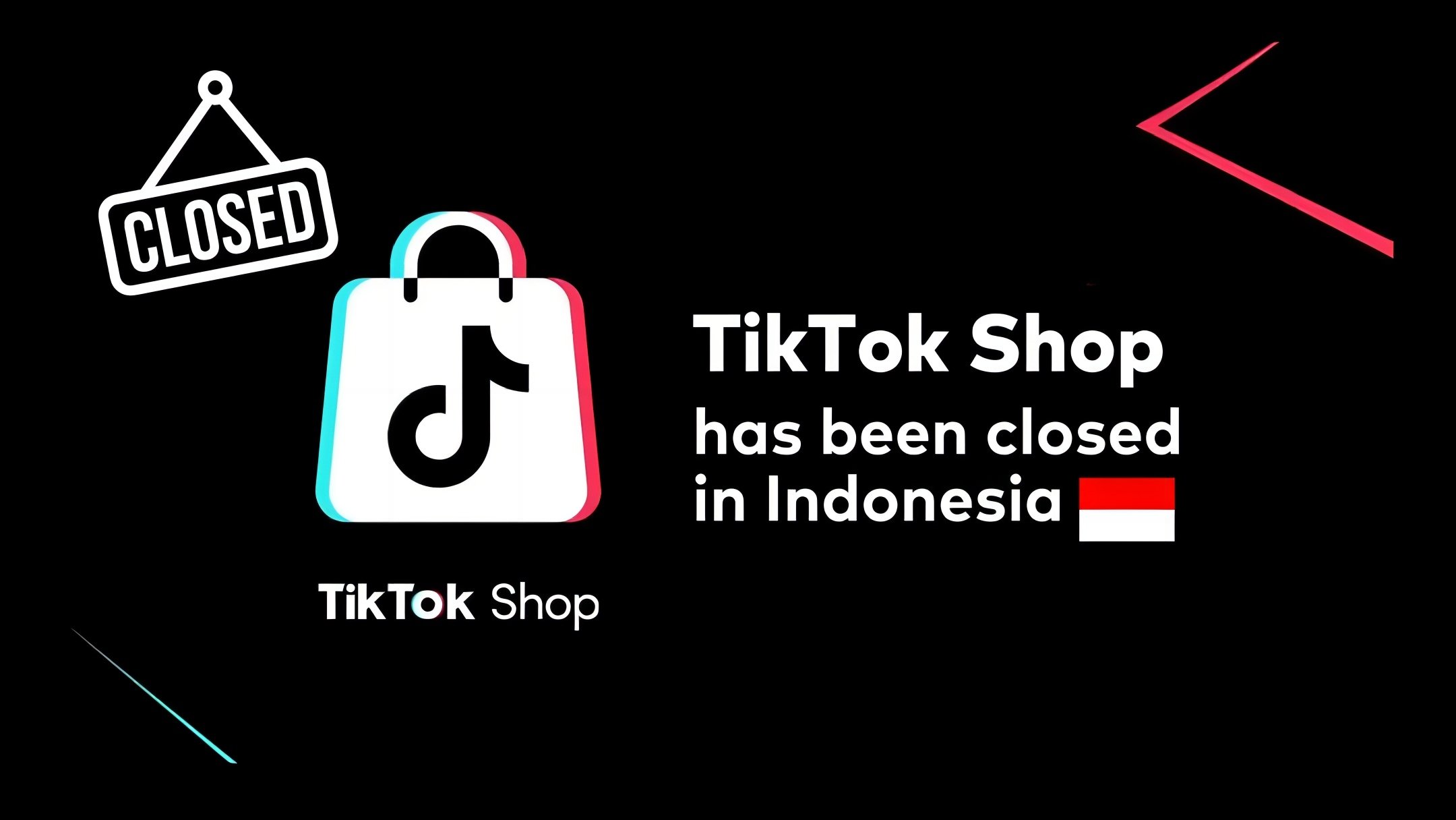
Tuttavia, dopo due mesi, la situazione ha avuto una svolta, perché TikTok ha una grande influenza tra la gente e sulla piattaforma ci sono oltre un milione di commercianti, quindi chiuderla direttamente non era giustificabile.
Così il governo ha trovato una soluzione di compromesso: far fondere TikTok con il più grande e-commerce locale indonesiano, Tokopedia, realizzando la "localizzazione" di TikTok, mentre la società madre di TikTok ha ottenuto la partecipazione di controllo nella società risultante dalla fusione.
TikTok si è anche impegnata a investire 1,5 miliardi di dollari nei prossimi anni per creare milioni di nuovi posti di lavoro in Indonesia e sostenere lo sviluppo di oltre il 90% dei commercianti, principalmente micro, piccole e medie imprese (MSME).
Non solo, per supportare meglio i commercianti locali, TikTok prevede di promuovere prodotti indonesiani sulla piattaforma e fornire risorse legate alla produzione e alla vendita a monte. Inoltre, intendono promuovere i marchi locali sui mercati internazionali, aiutando i commercianti a vendere online attraverso supporto in aree come marketing, branding e pratiche commerciali sostenibili. TikTok prevede anche di istituire un centro tecnologico in Indonesia per formare talenti tecnologici locali.
Questa serie di mosse di TikTok ha dato molti vantaggi all'Indonesia, e a lungo termine, è sicuramente un'operazione win-win per entrambe le parti.
A questo punto, la vicenda di TikTok in Indonesia si è conclusa, ma per le aziende cinesi che vogliono espandersi all'estero, questo caso ha rappresentato un campanello d'allarme, dando esperienza alle aziende successive per concentrarsi maggiormente sulla localizzazione.

Proprio come Huawei quando si è espansa nei mercati esteri anni fa, non ha forse rispettato le leggi locali, assunto dipendenti locali e fornito molte opportunità di lavoro, guadagnando così fiducia passo dopo passo? Anche se ora negli Stati Uniti è ancora spesso soggetta a restrizioni ufficiali, è perché la nostra forza li fa sentire minacciati.
In sintesi, la strada dell'espansione all'estero per le aziende cinesi è lunga e impegnativa.
Rimanere in Cina per svilupparsi è certamente stabile, ma per alcuni settori, il mercato interno non può sostenere la crescente concorrenza e la sovrapproduzione; per continuare a svilupparsi, è necessario trovare nuove strade.
Inoltre, come Tuke ha detto in precedenza, il successo di TikTok nell'espansione all'estero ha già aperto una strada leggermente più agevole per le aziende cinesi.
Almeno in termini di promozione, sia le aziende B2B che B2C hanno una piattaforma migliore. Per quanto riguarda come costruire fabbriche locali, creare magazzini all'estero e risparmiare sui costi di spedizione, questo è compito delle singole aziende.
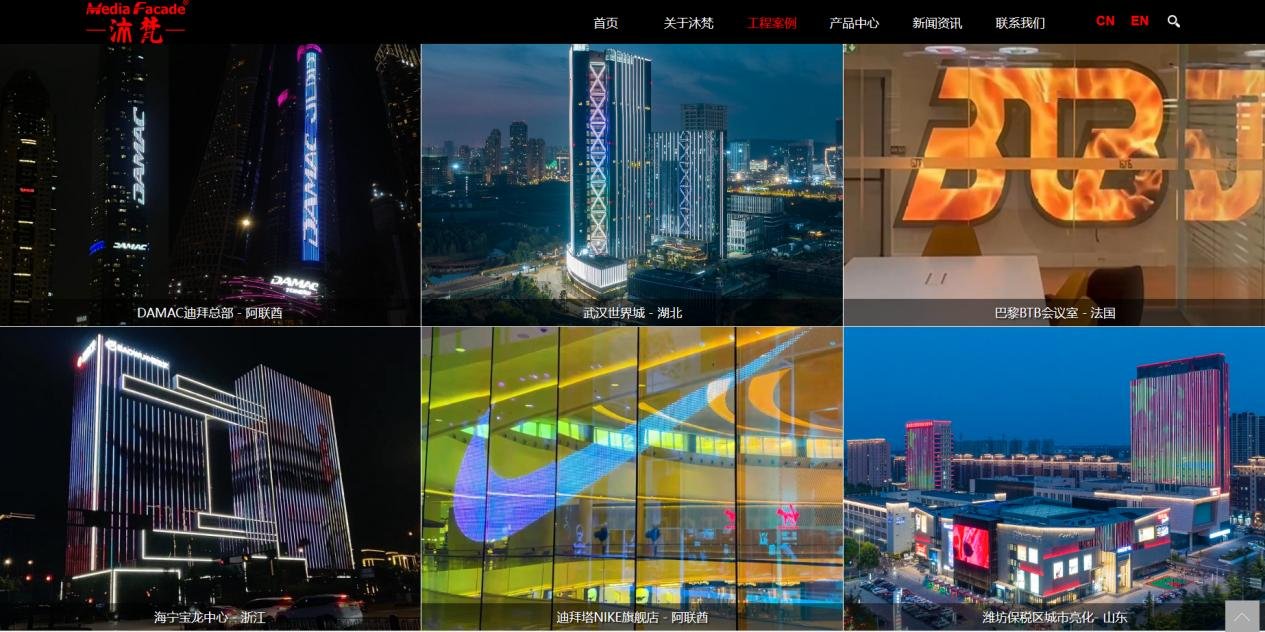
Ad esempio, una fabbrica di illuminazione a LED che Tuke conosce, Mufan Optoelectronics, ha avuto successo espandendosi all'estero tramite TikTok, con ordini che coprono Dubai, Parigi e gli Emirati Arabi Uniti, facendo conoscere il proprio marchio.
Quindi, espandersi all'estero non è poi così difficile, l'importante è perseverare. Se qualcuno vuole scambiare esperienze, è il benvenuto a contattare Tuke per parlare.