There’s no need to say much about the European and American clothing track—it’s truly fiercely competitive.

Many friends have reported that it’s not just a little difficult to break out in this track overseas. Even a random niche category has dozens or even hundreds of brands eyeing it, not to mention domestic brands that haven’t yet gone abroad—the difficulty is even greater!

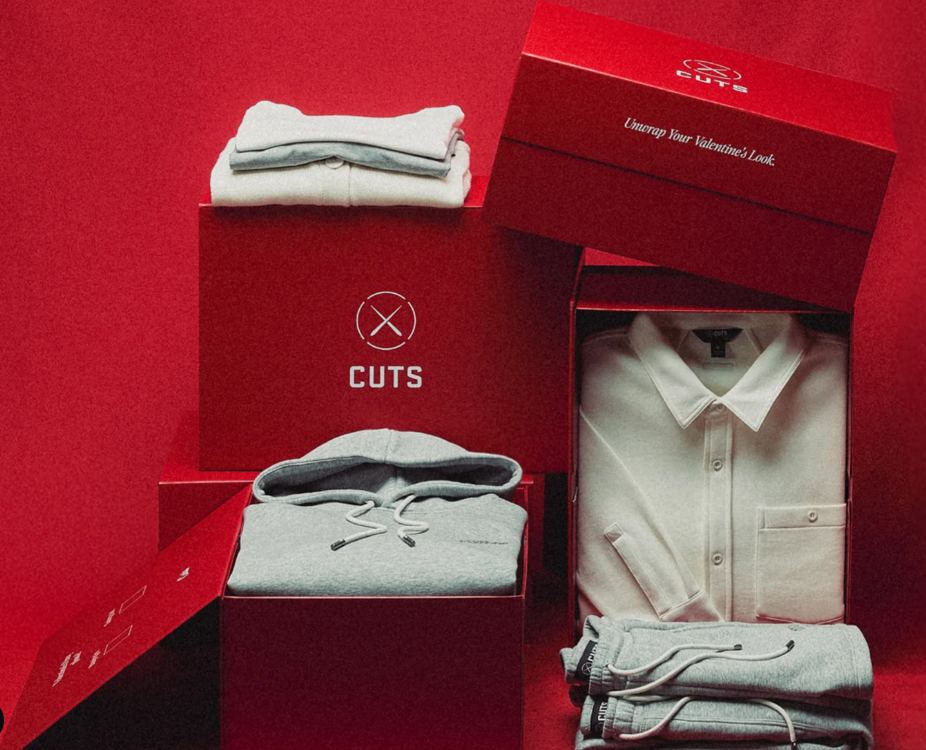
However, this track is not without its way out. Looking at some successful cases abroad, you’ll find that breakthroughs are not entirely impossible. Today, Tuke is going to talk about the brandCuts Clothing, a DTC (direct-to-consumer) brand focused on men’s T-shirts. Starting from a small team, it has step by step become a representative brand of high-end basic apparel, with online revenue reaching as high as$31.4 million in 2023.

Next, Tuke will give everyone a detailed look at this brand—learn from the strengths of others to overcome them!

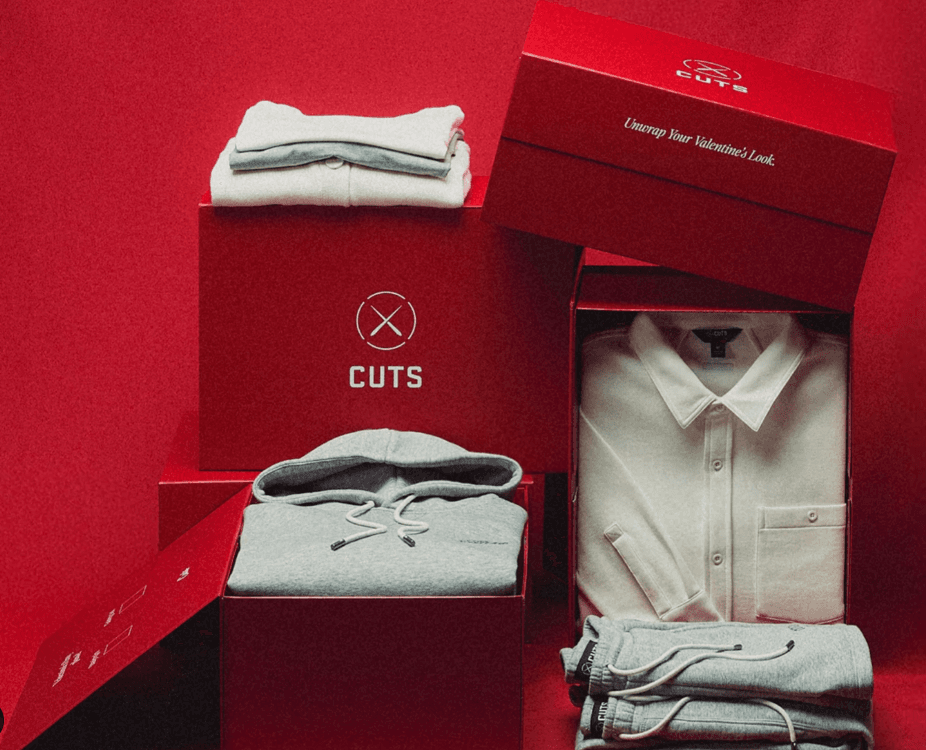
Image source: Cuts Clothing official website

A Brand Revolution Triggered by a T-shirt

The story of the Cuts Clothing brand is truly a bit magical—it was born out of a conflict.

In 2015, Steven Borrelli, who had just graduated from college, was kicked out of the office by his boss for wearing a casual T-shirt. This experience made him realize that the clothing needs of men in the workplace were changing: they needed to meet workplace requirements while maintaining comfort and style.

Image source: youtube

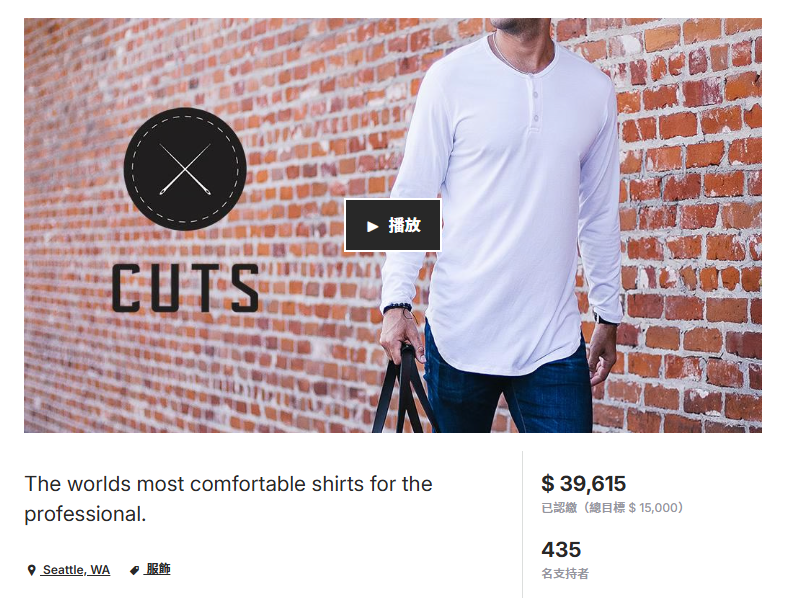
So, he decided to create a brand focused on providing basic apparel that could be worn both at work and in daily life. In 2016, Steven invested his own money to develop fabrics. After a year of preparation and research, Steven tested the concept through Kickstarter crowdfunding and successfully raised $39,600, far exceeding the target of $15,000, proving the correctness of this path.

After Steven raised $50,000, this T-shirt, with “wrinkle-free, well-tailored, suitable for the office” as its core selling points, was successfully launched, and the Cuts Clothing brand was officially established.

Image source: Kickstarter

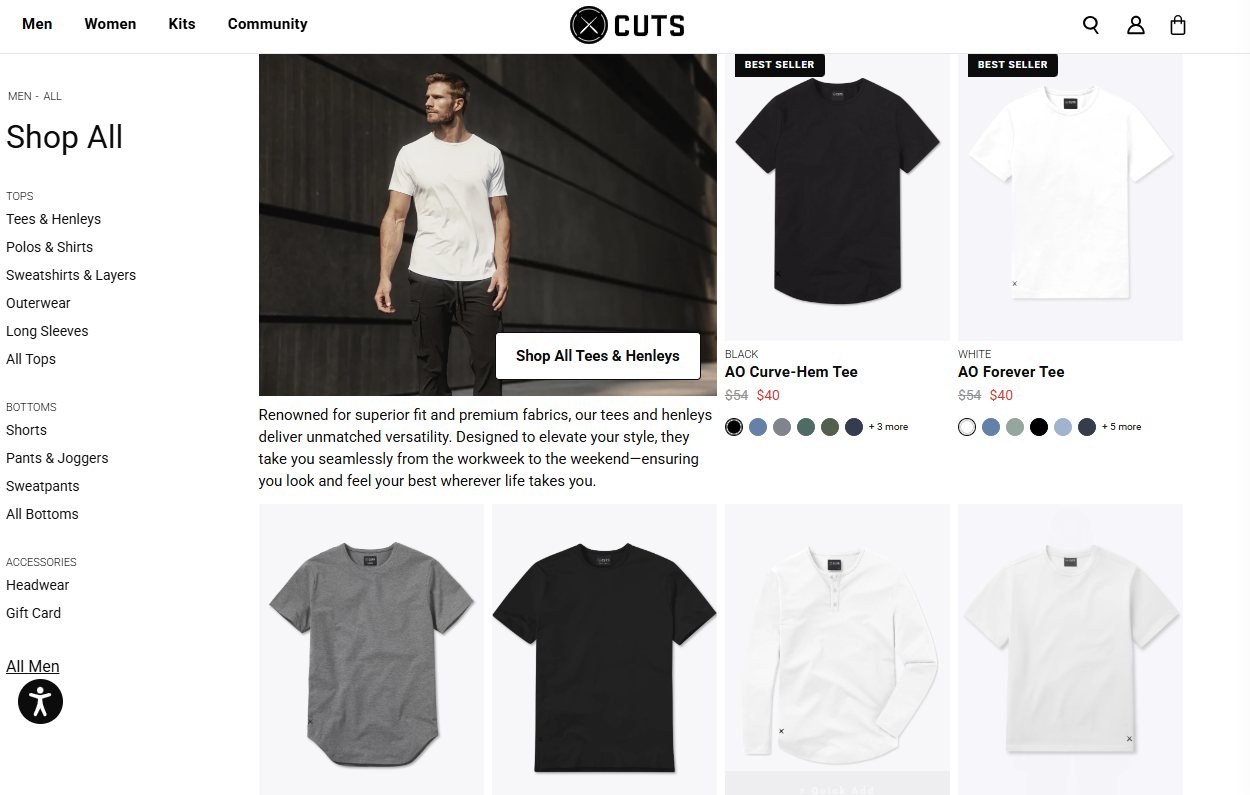
Initially, Cuts Clothing focused only on men’s T-shirts, but as the brand developed, consumer demand for more products gradually increased. In 2020, as the brand gained recognition, Cuts Clothing began to expand its product line, launching shirts, polo shirts, long-sleeve T-shirts, trousers, hoodies, and gradually entering the women’s clothing market.

This expansion not only met the diverse needs of consumers but also enabled the brand to gain a firm foothold in the fiercely competitive apparel market.

Image source: Cuts Clothing official website

Turning “Basics” into a Technical Skill

Unlike brands chasing Gen Z trends, Cuts Clothing targeted middle-class men over 30 with purchasing power from the very beginning.

What this group needs is “peace of mind”: a T-shirt that can be worn to work meetings and after-work dates.

To create “the only T-shirt worth wearing,” the brand launched its unique PYCA Pro® fabric, which ensures all-day comfort as well as wrinkle resistance and durability, addressing consumers’ dual needs for comfort and style.

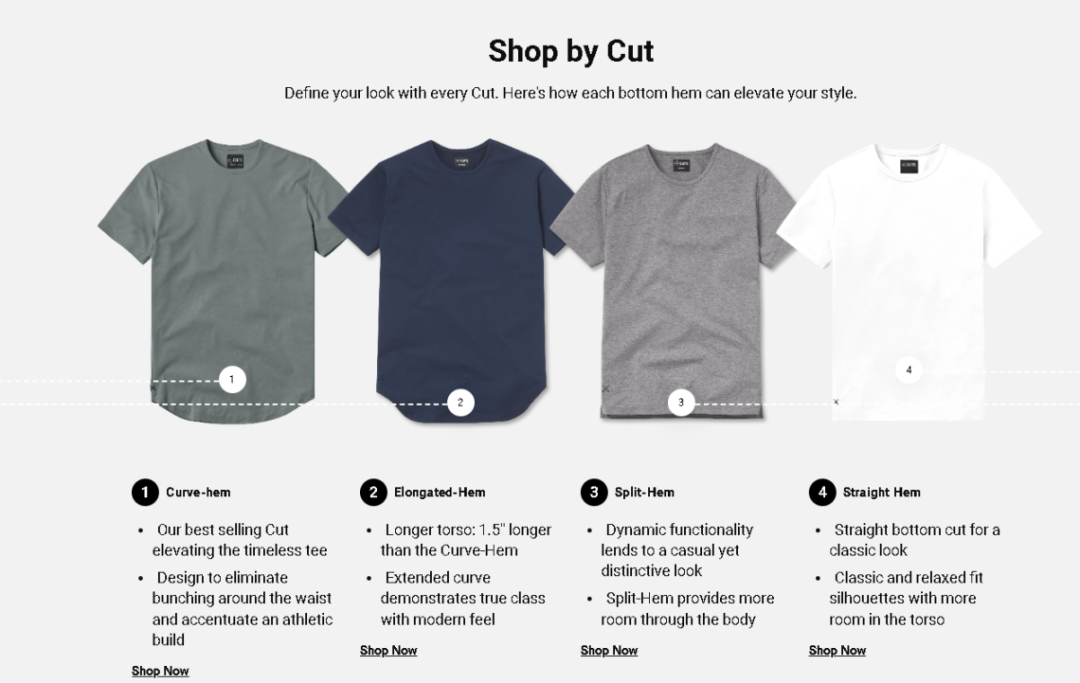
In addition to the fabric, Cuts Clothing also pays special attention to T-shirt tailoring, launching four different styles of T-shirt hems to suit different consumers’ dressing needs.

Image source: Cuts Clothing official website

“Heroes Are Made by the Times” in the Market Environment

From a market environment perspective, the reason Cuts Clothing can stand out in the fiercely competitive European and American clothing track is precisely because it has grasped the pulse of the times.

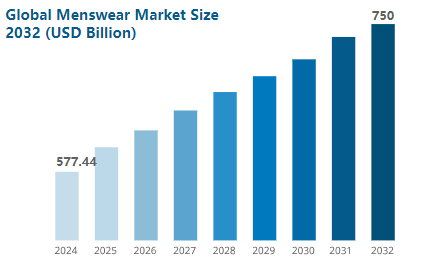
In recent years, the global menswear market has shown a very strong growth momentum, especially driven by some emerging markets, with the industry as a whole showing rapid development. Tuke checked market research reports and found that by 2032, the global menswear market is expected to exceed $750 billion in size.

This growth is not only dominated by traditional big brands but also includes the rise of a large number of innovative brands.

Global menswear market size 2032 Image source: Business Research

In addition, the rise of the DTC model has also helped them save on intermediary fees from traditional retail channels, enabling brands to connect directly with consumers, accurately grasp demand, and quickly iterate products.

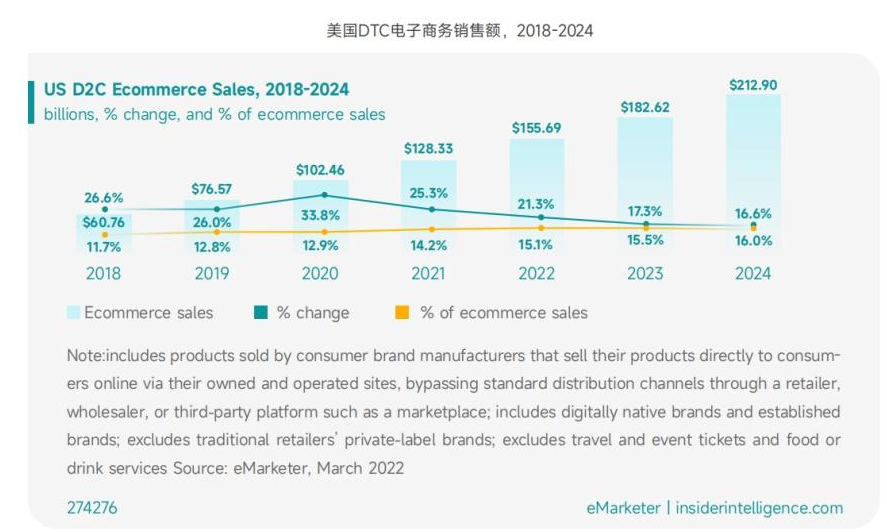
Take the US market as an example: in 2024 alone, DTC e-commerce sales will reach nearly $213 billion, accounting for 16.6% of all e-commerce sales, with growth exceeding double digits. This shows that this model has great development prospects, and Cuts Clothing is precisely a brand focused on the DTC model.

Image source: Zhijia DTC Data source: Insider Intelligence

Brand Operation “Methodology” for Breaking Out

The market environment is one aspect; how a brand leverages the environment to boost sales is another. After all, if you don’t have the ability, no matter how fertile the land, you won’t be able to grow flowers.

As a DTC brand, the core concept of Cuts Clothing’s operations revolves around social media and online layout.

When they started laying out on TikTok, they formed a small team of 15 TikTok influencers. These influencers consciously aligned with the brand’s target audience, posted 1-2 outfit videos around specific themes, and included brand tags and exclusive 15% discount codes. The campaign lasted for a month.

Image source: TikTok

After gradually opening up traffic, Cuts Clothing began to expand its cooperation with TikTok influencers, fully leveraging the platform’s short video features to precisely reach young consumers with purchasing potential.

For example, TikTok influencer @jimmypresnell2 (with 81,300 followers) posted an outfit video that brought the brand over 341,800 views. This kind of content, which fits consumers’ lifestyles, not only deeply ingrains the brand image but also effectively increases product exposure and sales.

Image source: TikTok

Besides social media, their other stronghold is building their own independent website.

The brand’s official website continues a minimalist style, highlighting its “premium feel” brand feature. Through a simple and clear navigation bar, users can easily find men’s and women’s products, enhancing the shopping experience.

But what Tuke wants to emphasize is their cleverly designed membership system. This system has enabled Cuts Clothing’s repurchase rate to reach 35%, far exceeding the industry average. In this way, the brand not only increases customer stickiness but also enhances its uniqueness and high-end image.

Image source: Cuts Clothing official website

Conclusion

From founder Steven Borrelli’s “clothing conflict” to today’s brand with annual revenue exceeding ten million dollars, Cuts Clothing is undoubtedly a brand that deeply understands market demand and dares to innovate.

In the face of globalization, brands like Cuts Clothing undoubtedly provide valuable experience for other companies wishing to go overseas. Through unique operational methods and flexible market layouts, they have not only achieved success in their home market but also laid a solid foundation for overseas expansion. For brands intending to go global, perhaps some strategies can be learned from this, so that their products can also go abroad.