 1972
1972TikTokでは、突如として爆発的に流行する動画トレンドが次々と生まれ、多くのショート動画クリエイターがこぞって真似をするようになります。お気づきの方もいるかもしれませんが、こうした一世を風靡する動画の背後には、実はTikTokチャレンジ(Branded Hashtag Challenge)が存在しています。
TikTokチャレンジは、独自のマーケティング戦略であり、TikTokのショート動画を企画する方法の一つです。これはTikTokのユーザー、個人、またはブランドによって開始され、通常は特定の動画テーマが設定されます。その後、有名なインフルエンサーたちがこのチャレンジに挑戦し、タスクを完了してTikTokに共有します。このチャレンジは、他のユーザーが関連するハッシュタグを使って自分の動画を撮影・共有するように促すだけでなく、ブランドにとって新しいマーケティング手法を生み出します。
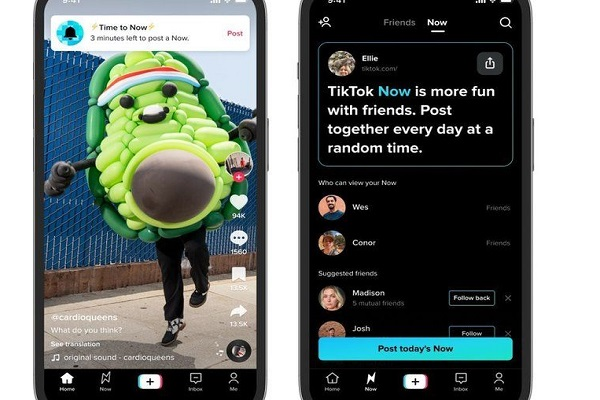
チャレンジに参加する人が増えるにつれて、特定のハッシュタグが付けられた動画はTikTok上で急速に広まります。実際、ブランドが国際市場に進出する際にも、このTikTokショート動画の企画戦略を参考にすることができます。ブランドの特性を組み合わせた「TikTokチャレンジ」動画を公開することで、多くのユーザーの視聴や模倣を促し、ブランド認知度の向上やブランドイメージの形成を図ることができます。
では、海外進出ブランドは「TikTokチャレンジ」をどのように活用して露出を高め、最適なプロモーション効果を得るべきでしょうか?以下に、私たちがまとめた2つの方法をご紹介します。
1. 既存のチャレンジに参加する
最も簡単で直接的な方法は、現在最も人気のあるTikTokチャレンジのハッシュタグを見つけ、それにブランド関連のコンテンツや情報を追加することです。これにより、現在のトレンドの勢いを借りて、あまり努力をせずに視聴回数やフォロワーを獲得できます。
2. 新しいチャレンジを創り出す
ブランドが十分にTikTokショート動画の企画を練っているのであれば、自社のイメージや特性に合わせて、ブランドの特徴に合ったチャレンジのハッシュタグを作成し、それをプロモートしてトレンドにすることができます。ただし、これには多くのリサーチ、創造性、そして時間が必要です。既存のチャレンジとは異なり、ブランドは新しいチャレンジのためにテーマ、タイトル、音楽などの要素を設定し、ユーザーを参加させる必要があります。
以下は、ブランドチャレンジを成功させるための4つの重要なポイントです。
1. ユーザーの興味を引きつける
ハッシュタグチャレンジを設定する際には、タイトルとテーマの魅力を十分に考慮し、ユーザーの参加意欲を刺激する必要があります。良いタイトルはすぐにユーザーの注意を引きつけ、テーマはブランド情報と密接に結びつきつつ、海外のTikTokユーザーの好みや興味に合致している必要があります。
2. プロップを活用して目玉を作る
チャレンジでTikTokのステッカーや音楽プロップを活用することで、ブランドに目玉を加え、ユーザーがブランドの宣伝内容をより明確に理解できるようになります。これらのプロップの使用は、より多くのユーザーが自発的にチャレンジに参加するきっかけにもなります。
3. ソフトにブランド広告を組み込む
ハッシュタグチャレンジでは、動画コンテンツは撮影の難易度が低く、真似しやすく、面白さがあるという特徴が必要であり、そうすることで大多数のユーザーが気軽に参加できるようになります。そのため、ブランドは商業情報を無理に広告として押し付けるのではなく、面白い方法で提示する必要があります。これには、ブランドが最初にTikTokショート動画を企画する段階で、すべてを計画しておくことが求められます。面白い表現を通じてブランド情報を伝え、より多くのユーザーが注目から興味、欲求を経て、最終的に行動を起こしてこのアクティビティに参加し、自然とブランドを記憶するように導きます。
4. インフルエンサーとの連携プロモーション
ブランドチャレンジのようなプロモーション方法は、中小ブランドにとってコストパフォーマンスが高いと言えます。しかし、広告リソース枠だけでは最大限の露出を実現するのは難しいため、インフルエンサーが重要なプロモーションチャネルとなります。海外のKOLリソースマーケティングチームと協力することも選択肢の一つであり、価格を評価して適切な人材を能動的に選別することで、時間とコストを節約できます。最終的にブランドのトーンに合ったプロモーション計画に統合し、ブランドの海外進出を強力にサポートします。