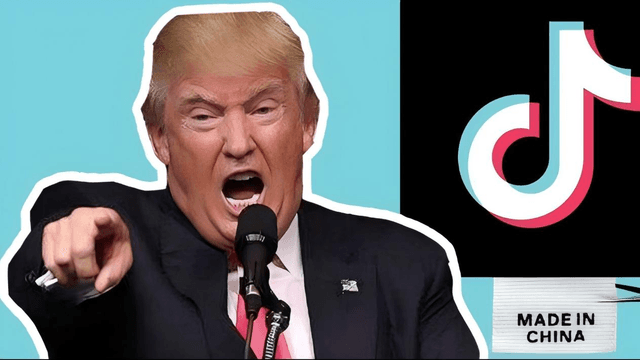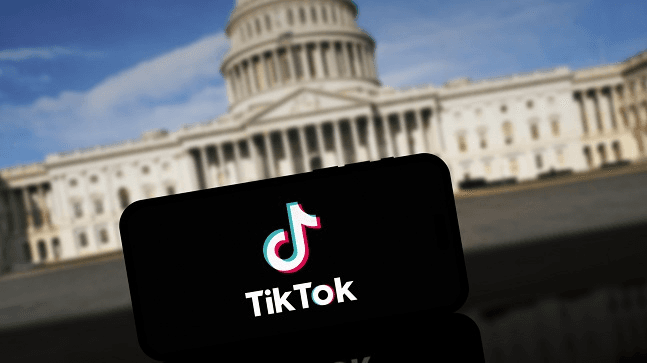
The 2024 U.S. presidential election has concluded, and Trump has returned to the White House. This result not only changes the political landscape of the United States but also brings new opportunities for TikTok. From being an advocate of the ban four years ago to now becoming a public supporter, Trump’s attitude has undergone a dramatic shift.
Behind this transformation, is it merely an expedient election strategy, or has TikTok truly ushered in the dawn of the ban being lifted?
01
TikTok’s “Crisis Clock”
In April 2024, Biden signed the “Protecting Americans from Foreign Adversary Controlled Applications Act,” requiring TikTok to sever all ties with its parent company ByteDance by January 19, 2025, or face a complete ban.
This bill was passed by both the House and Senate with a high majority, leaving TikTok’s fate in the U.S. hanging by a thread.
TikTok CEO Shou Zi Chew has shown a tough stance, repeatedly calling on users to oppose the ban, but with little effect. TikTok’s survival crisis in the U.S. is gradually emerging.
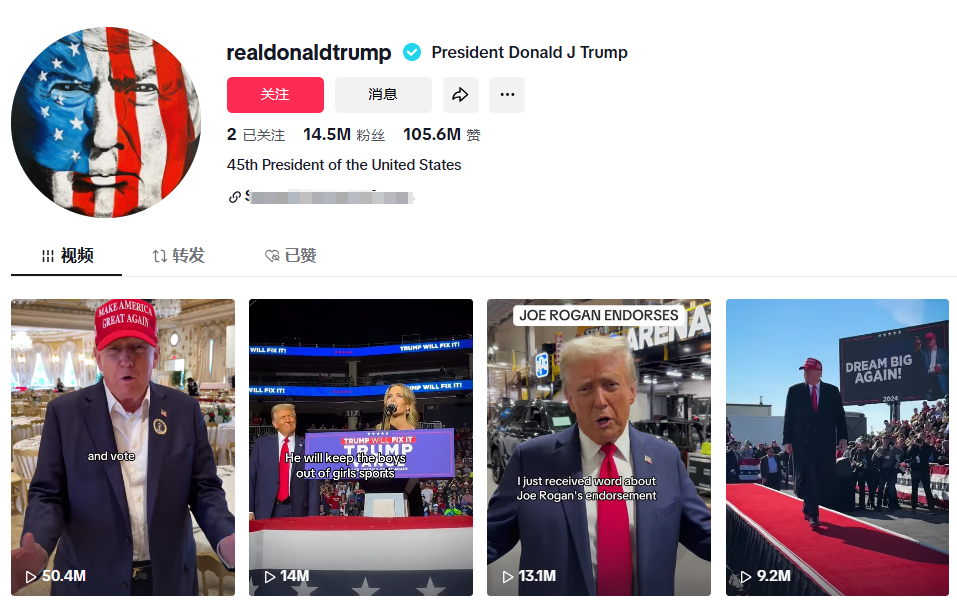
However, Trump’s return has changed the situation. Unlike his tough stance on TikTok four years ago, in 2024 Trump has become a public supporter of TikTok. Not only did he register his own TikTok account, quickly amassing 14.5 million followers, but he also repeatedly stated publicly that he would “never ban TikTok.”
The reasons behind this are not just due to Trump’s “wearing his emotions on his sleeve” personality, but rather a complex game involving economic interests, political strategy, and voter sentiment.

02
Support Intertwined with Politics and Interests
Why did Trump shift from being an advocate for banning TikTok to a supporter? The reasons can be traced back to two major factors: Electoral Politics and Interest Alliances.
1. The Bond Between TikTok and Republican Donors
Behind TikTok is one of ByteDance’s major shareholders, Susquehanna International Group (SIG). This hedge fund participated in ByteDance’s early investment as far back as 2012. Founder Jeff Yass now holds more than 7% of ByteDance’s shares, with a net worth of $40 billion. More importantly, Jeff Yass has close ties to the Trump camp. This year, he donated $80 million to Trump’s campaign team and actively lobbied Republican lawmakers to oppose the TikTok ban.
This interest bond has won TikTok a breathing space in the complex U.S. political environment. Jeff Yass’s influence is not only reflected in his donations, but also through his close connections with Trump’s core circle, giving TikTok the opportunity to reach key policy makers.
2. Dissatisfaction with Meta
Trump’s support for TikTok is also related to his “personal grudge” against Meta. After the Capitol Hill incident in 2021, mainstream social media platforms such as Meta banned Trump’s accounts, while TikTok provided a new platform for Trump’s social discourse. In Trump’s eyes, TikTok is not only a tool to counter the Democrats, but also a chess piece to weaken Meta’s influence.
03
TikTok’s Survival Counterattack
Faced with the U.S. government’s relentless pressure, TikTok has never stopped fighting back.
1. Technical Isolation and Localized Operations
Since 2020, TikTok has launched the “Texas Project,” investing $1.5 billion to store U.S. user data on Oracle’s servers, and adding $1 billion annually for data management. This initiative aims to achieve physical isolation of data and reduce concerns about security risks.
At the same time, TikTok has ramped up localized operations, not only hiring a large number of foreign executives, but also continuously increasing lobbying expenditures to seek more support at the policy level. In 2023, TikTok’s lobbying spending in the U.S. reached $8.74 million, making it the Chinese tech company with the highest lobbying expenditure.
2. The Moat of Users and Business Ecosystem
Despite the pressure of the ban, TikTok’s user base in the U.S. remains solid. Data shows that there are over 150 million active users in the U.S., with young people aged 18 to 29 as the core group, and a support rate for TikTok exceeding 60%. In addition, TikTok’s rapid rise in the e-commerce sector has also brought it more market value.
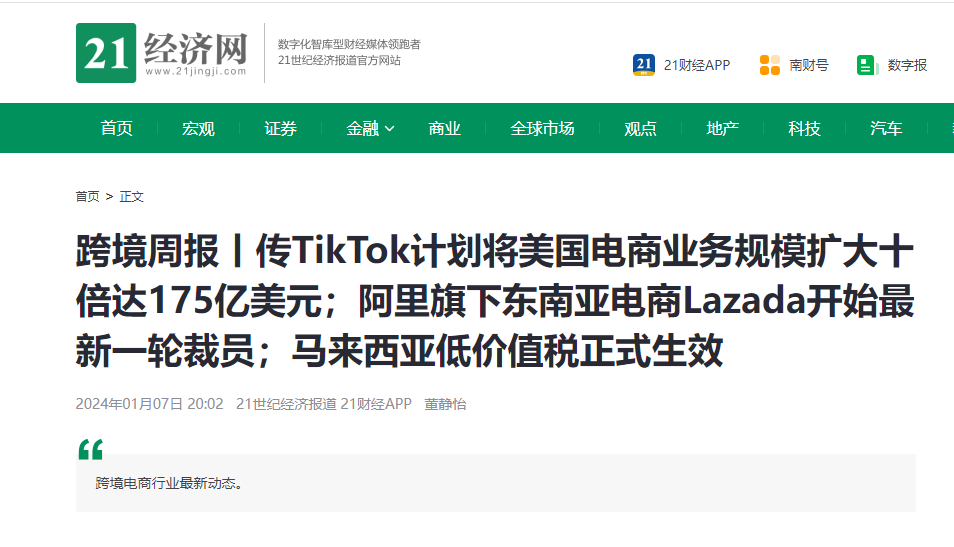
In July 2024, TikTok’s e-commerce business in the U.S. market achieved monthly sales of over $1 billion, with annual sales expected to reach $17.5 billion, a nearly tenfold increase.
These figures not only demonstrate TikTok’s market potential in the U.S., but also provide bargaining chips for it to seek a longer period of policy easing.
04
Is the Crisis Lifted?
Although Trump’s attitude has brought hope for policy adjustment, TikTok’s crisis has not been completely lifted. The deadline for the implementation of Biden’s bill is January 19, 2025, while Trump’s official inauguration is on January 20. This time gap may become a window for the Democrats’ “final blow.”
However, from the overall environment, TikTok’s fate is no longer entirely dependent on the U.S. government. With the support of users and the success of its business model, TikTok has demonstrated strong self-adjustment capabilities. Even if policy winds change again, TikTok is still likely to find new ways to survive amid the crisis.
05
TikTok in the Waves
The contest between TikTok and the U.S. government has become a “regular feature” of every election cycle. But never before has TikTok been so close to victory as it is now. Trump’s support may only be a superficial easing, but the underlying power of users and commercial potential is the real driving force behind TikTok’s progress.
The ban may continue to be a challenge that TikTok needs to face, but it is not enough to stop its rise globally. For TikTok, this contest of storms and tides may have just entered its second half.
Trump’s “strong support” is both a beginning and a continuation. The story of TikTok is far from over.