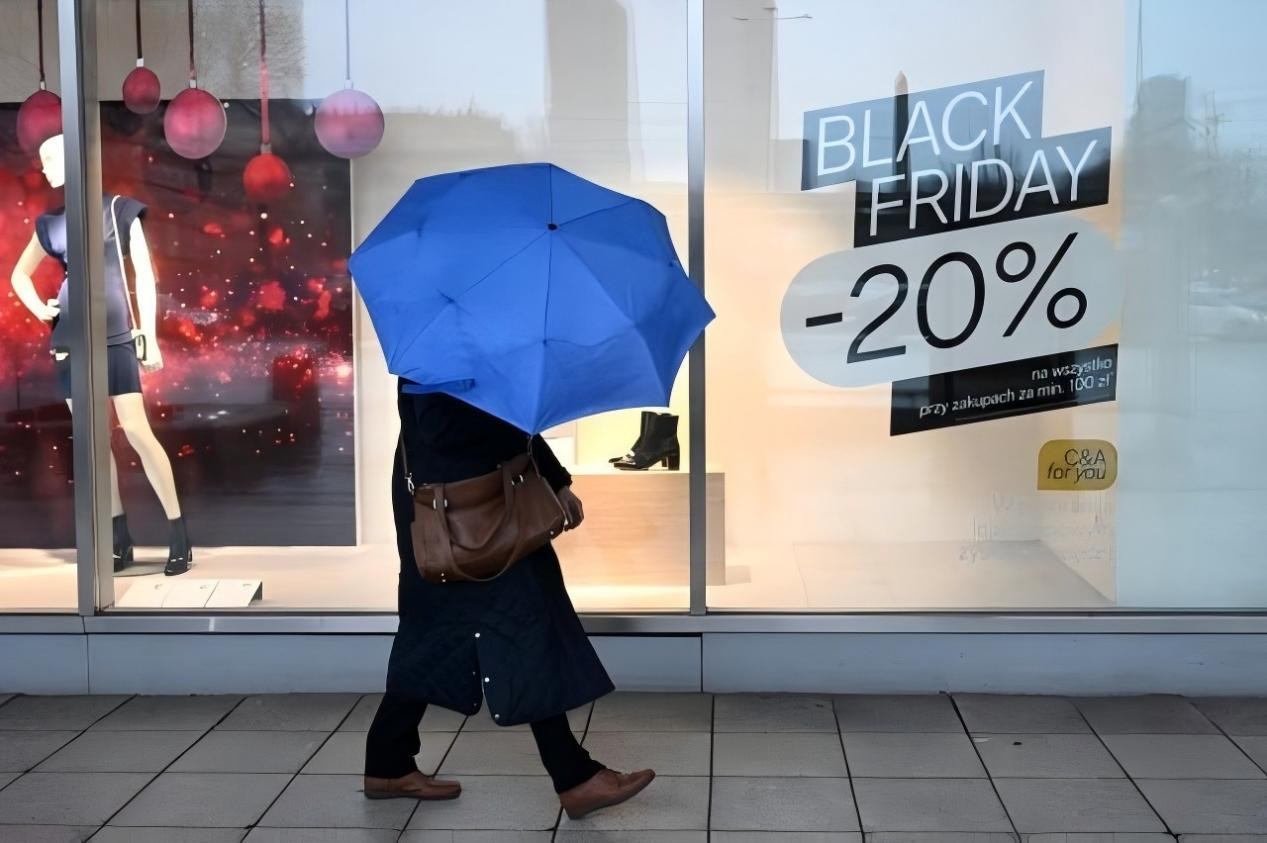
The Black Friday mega sale has come to an end, the bills have been settled, but was this global e-commerce feast truly “hot” or “cold”?
On the surface, the increase in sales is astonishing, with online transaction volume reaching a record $10.8 billion, up 10.2% year-on-year. However, for many merchants, this Black Friday didn’t seem as “booming” as expected.
Some sellers saw their order volumes drop by 30%-50%, and profits also failed to meet expectations.
So what exactly made this year’s Black Friday so complicated? Where did all the money ultimately go?
Long yet short, the promotion period is too lengthy
This year’s Black Friday mega sale was unprecedentedly long, from Amazon’s 12 days to Temu’s 47 days, with cross-border e-commerce platforms turning the entire autumn and winter season into a shopping carnival. Although the promotional period was extended, problems followed.
Originally, Black Friday brought merchants substantial profits, but the prolonged duration actually weakened its impact. Consumers’ enthusiasm seemed diluted, and the attempt to continuously attract customers through extended promotions ended up as a “war of attrition.”
Frequent promotions reduced the appeal of the products themselves, causing many buyers to “wait and see,” reducing opportunities for impulsive purchases.
Moreover, the normalization of discounts and endless offers have made consumers more “picky.” Many are no longer as excited by Black Friday deals as before, and instead feel fatigued by the promotional tactics of various platforms.
Whether it’s cross-border e-commerce like Temu or traditional platforms like Amazon, merchants’ discounts are no longer the only weapon to attract customers. It can be said that excessive packaging and overly long promotional cycles have made Black Friday lose some of its “freshness.”
The “winners” and “losers” among e-commerce platforms
Although overall e-commerce sales performed well, the performance of different platforms showed clear divergence. Obviously, competition among platforms is no longer limited to price, but has fully upgraded to optimizing platform ecosystems and enhancing user experience.
For example, TikTok Shop’s Black Friday promotion lasted 19 days this year, but by leveraging precise social e-commerce features, short videos, and live streaming, it not only attracted a large number of consumers but also successfully pushed some previously unpopular products onto the best-seller lists.
On the other hand, some traditional platforms, despite having a strong user base, faced bottlenecks in sales growth due to outdated promotional methods and operating models.
This also reflects a deeper issue: e-commerce platforms are entering an “involution” stage, especially during major promotional events like Black Friday, where excessive competition makes both merchants and consumers feel weary.
Consumers have become “smarter,” merchants are “exhausted”
The most notable change in this year’s Black Friday is that consumers have become “smarter.” With more channels for information, shopping decisions are more rational; many people no longer blindly follow trends but instead carefully compare across platforms to choose the most cost-effective products.
At the same time, consumers have become more sensitive to merchants’ promotional tactics, and frequent discounts and offers have led to “discount fatigue,” eliminating the pure impulse to shop that existed in the past.
For merchants, the profit pressure of this Black Friday is obvious. The long promotional period consumed their resources, and many reported that under the dual pressure of advertising costs and discounts, although sales increased, profits shrank, with some even facing “losses.”
This has prompted many merchants to rethink: Should they continue to rely on this kind of short-term, concentrated, explosive promotion in the future? If Black Friday is no longer the most important shopping season, how should merchants adjust their strategies?
Heat continues, but marketing methods need further innovation
In summary, this year’s Black Friday, whether online or offline, seemed “lively,” but deeper issues have still been exposed.
The growth in online sales did not reach the expected peak, and both merchants and consumers face new challenges: the rise in rational consumption has diminished the magic of Black Friday promotions, while the squeeze on merchants’ profits has left them exhausted during prolonged promotions.
If Black Friday’s “heat” remains, it is gradually shifting towards more refined and personalized promotional methods.
For merchants, how to attract consumers’ attention through innovative marketing in an era of information overload may be the key to whether Black Friday can continue to create sales miracles in the future.