 2
2
Recently, a notice from the French regulatory authorities poured cold water on the booming cross-border e-commerce toy market.“Cold water”.
The French Directorate General for Competition, Consumer Affairs and Fraud Control (DGCCRF) directly targeted online sales channels in its 2025 annual toy safety survey, and the results are shocking—among the online toys sampled, as many as 90% had compliance issues, and over 60% of the products even posed direct safety risks.
This sudden and strict inspection storm not only reveals the huge hidden dangers in cross-border toy sales, but also signals that global toy regulation is entering an unprecedented“high-pressure era”.
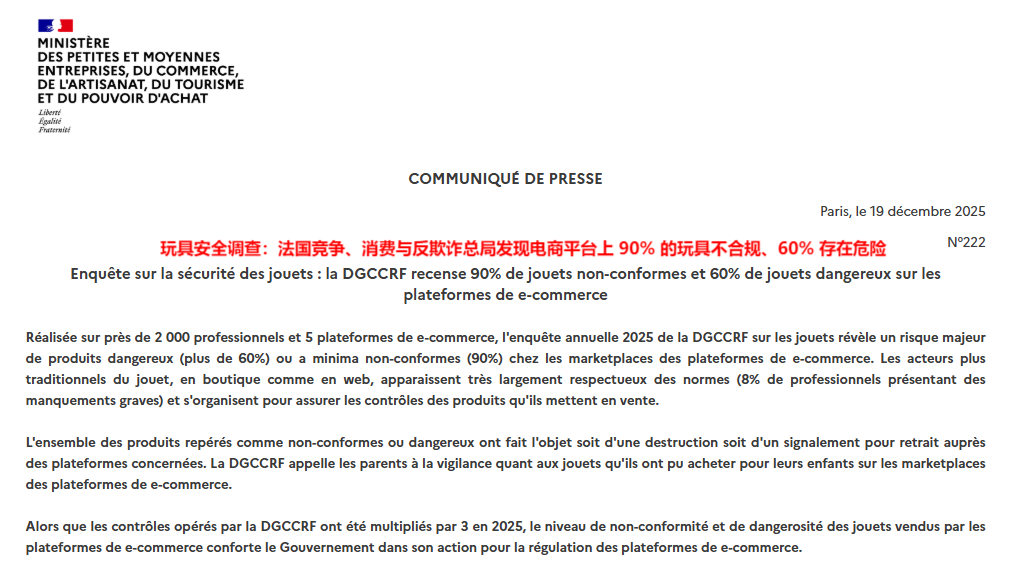
Image source:GOUVERNMENT
Online toys become“disaster areas”, with a compliance rate of less than 10%!
This investigation was unprecedented in scale, covering nearly2,000 toy business entities and 5 mainstream e-commerce platforms with huge monthly visits, of which 4 are Tuke platforms.
Regulators purchased70 toy samples from online channels, covering various types such as costume props, plush toys, and drawing materials. Shockingly, amongthesetoy samples,as many as90% of the products had compliance issues, and more than 60% were directly judged to have safety hazards.
So-called“non-compliance” not only refers to missing label information or incomplete age warnings (such as toys for children over three years old not indicating the applicable age), but also involves design defects that may directly threaten children's safety: for example, small parts or cords on costumes or plush toys that can cause suffocation; battery compartments that are not tightly designed, allowing children to easily remove and swallow batteries, etc.
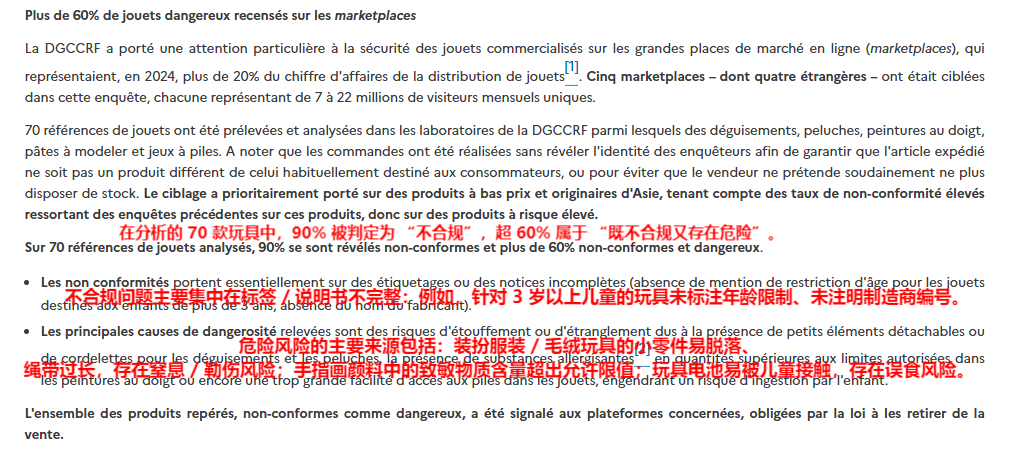
Image source:GOUVERNMENT
In contrast, traditional sales channels performed much more steadily. Whether it is European local toy manufacturers, importers, specialty stores, large retailers, or even non-specialized toy sellers, the proportion of serious violations is only8%. This further confirms the weakness of online markets in product control.
Facing such a severe situation, French regulatory authorities have decided to take strong action.
As a core part of its e-commerce safety action plan,30 online platforms (more than half of which are Tuke platforms) will be subject to triple the intensity of strict monitoring and law enforcement inspections, putting unprecedented compliance pressure on e-commerce platforms.
This means that toy sellers on these platforms will face more frequent and detailed spot checks and reviews, and any compliance loophole may be quickly detected and result in severe penalties.
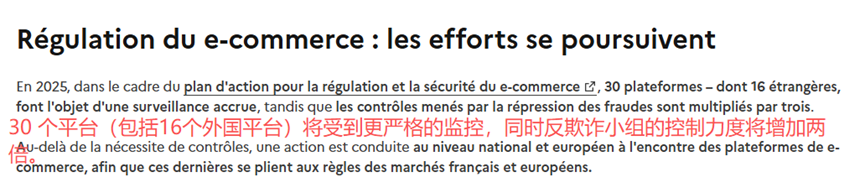
Image source:economie
Global toy regulation continues to tighten, with unprecedented escalation in enforcement
France's actions are not an isolated incident, but the latest wave in the ongoing global tightening of toy regulation.
The toy industry's“scattered production, concentrated consumption” model, driven by Tuke e-commerce, has allowed some low-cost products that use inferior materials, simplify safety designs, and evenforge certifications to quickly flow into the global market, spreading safety hazards as well.
This August, a toy kitchen in the United States caused the death of a young child due to a hook design flaw, once again raising public concern about toy safety. Similar problems are common: children accidentally swallowing batteries causing burns, toys with paint exceeding heavy metal limits, containing allergens causing skin allergies... Frequent safety incidents are forcing countries to strengthen regulation.
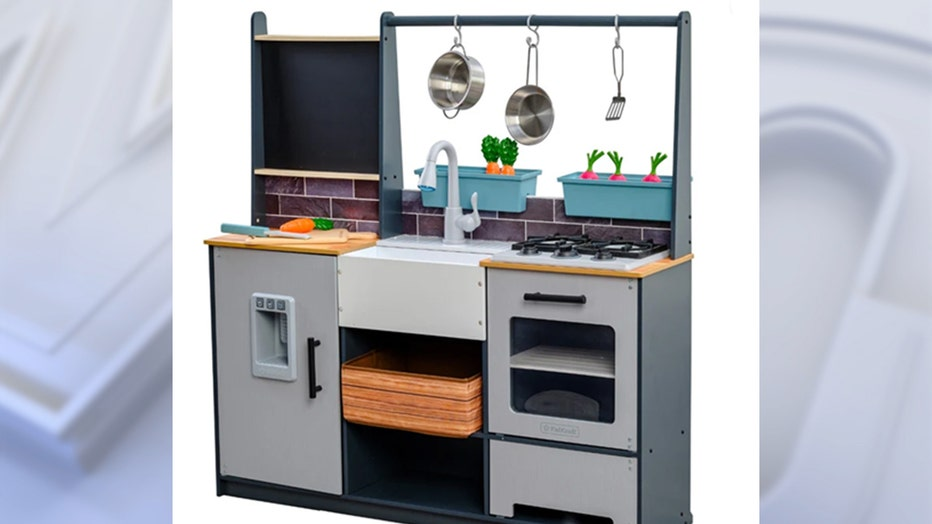
Image source:fox35
To fundamentally curb risks, major markets are upgrading their“safety firewalls”.
This year, the EU officially approved the new Toy Safety Regulation, significantly tightening requirements in multiple dimensions:
- Chemical substance control is greatly tightened, with new restrictions on endocrine disruptors, respiratory sensitizers, etc., and a clear ban on the intentional addition of perfluoroalkyl substances and high-risk bisphenols;
- Fortoys for children under 3 and mouthable toys, all allergenic fragrances are completely banned;
- Implementation of“digital product passports” to strengthen full-chain traceability;
- Clarifies the responsibilities of all parties in online sales, with both platforms and sellers responsible for compliance.
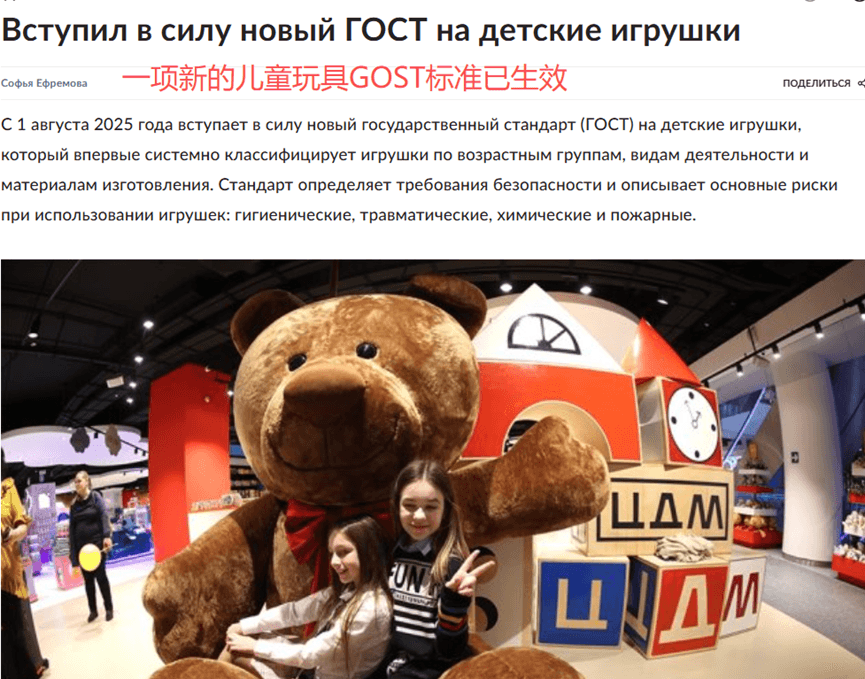
Meanwhile, sinceAugust this year, Russia has also begun to enforce the new national toy standard, requiring all toys to have Russian and Eurasian Economic Union official language labels and to complete EAC certification. High-risk categories must also be sent to laboratories within the Union for testing and obtain a certificate of conformity.
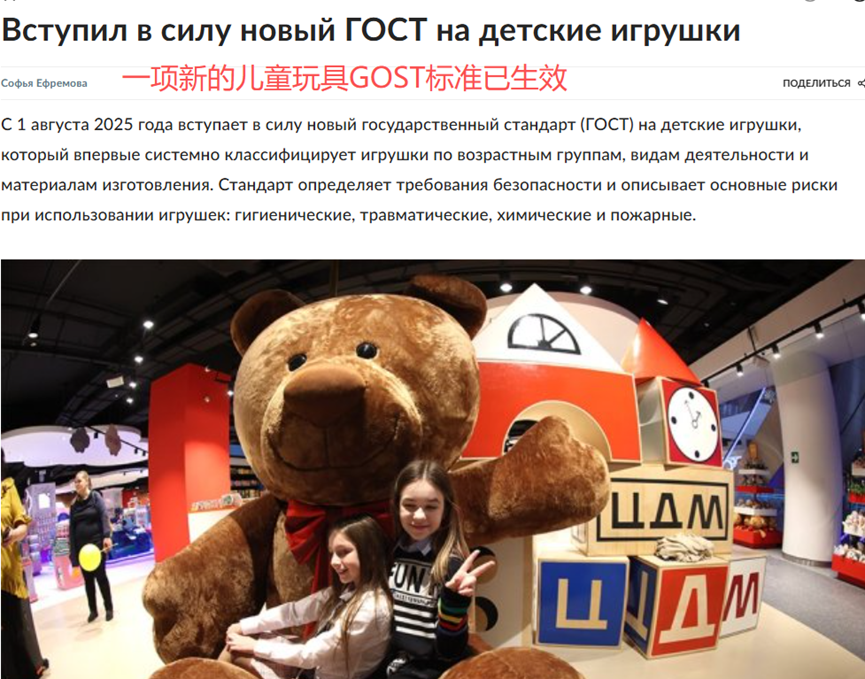
Image source:RGRU
Summary: Farewell to barbaric growth, the toy industry enters a new stage of“compliance-driven” development
From the special investigation in France to the regulatory upgrades in Europe and America, all send a clear signal: the global toy market is shifting from“price competition” to “safety and compliance competition”.
In the future, only sellers who truly value quality control, proactively comply with safety standards in various countries, and improve product labeling and instructions can remain steady and go far in this global wave of compliance.
Children's safety is no small matter, and there is no gray area in regulation. This is not only a challenge, but also the inevitable path for the industry to move towards standardization and high-quality development.