 2490
2490
2026ปีแล้ว ยังมีเพื่อนที่ยังไม่เคยดูวิดีโอสั้นอีกไหม?
ไม่กี่ปีที่ผ่านมาวิดีโอสั้นกำลังเป็นที่นิยมมากขึ้น ไม่ใช่แค่ Douyin ในประเทศเท่านั้น แต่ยังรวมถึงต่างประเทศความนิยมของ TikTok ก็ยังคงสูงไม่ลดลง ซึ่งส่งผลให้เกิดความต้องการอุปกรณ์เสียงและวิดีโอระดับมืออาชีพจากผู้สร้างเนื้อหาอิสระจำนวนมาก
และเบื้องหลังภาพที่คึกคักนี้ มีแบรนด์จีนกำลังได้รับผลประโยชน์มากที่สุดอย่างเงียบๆ——มันคือ Hollyland(ในประเทศชื่อแบรนด์:MOMA 猛玛)。
แหล่งที่มา:Hollyland
ข้อมูลแสดงว่า,ปี 2023、ปี 2024 บริษัทเซินเจิ้นแห่งนี้ครองอันดับหนึ่งยอดขายไมโครโฟนไร้สายในประเทศสองปีติดต่อกัน แซงหน้าแบรนด์เก่าแก่และผู้ผลิตระดับสูงในต่างประเทศหลายราย
และในตลาดต่างประเทศ,ธุรกิจของ Hollyland ครอบคลุมกว่า 160 ประเทศและภูมิภาคทั่วโลก สัดส่วนรายได้จากต่างประเทศมากกว่า 60% ปัจจุบันมียอดผู้ใช้งานสะสมทั่วโลกมากกว่า 5 ล้านราย อัตราการเติบโตเฉลี่ยต่อปีของบริษัทยังคงอยู่ในระดับสูงถึง 50%
แบรนด์เซินเจิ้นที่เริ่มต้นจากการเป็นผู้ผลิต OEM ใน Huaqiangbei ทำอย่างไรถึงขยายธุรกิจไปทั่วโลก?
แหล่งที่มา:Hollyland
จาก Huaqiangbei“โรงงานเล็กๆ” สู่แบรนด์ระดับโลก
เรื่องราวเริ่มต้นจากปี 2013
ในปีนั้น ผู้ก่อตั้งสามคนได้ก่อตั้งบริษัท Haoyiyuan Technology ที่ Huaqiangbei เซินเจิ้น ในช่วงแรกด้วยวิธีการ OEM/ODM ในการผลิตอุปกรณ์เสียงและวิดีโอไร้สายให้กับแบรนด์ต่างประเทศ
อย่างไรก็ตาม การผลิตแบบ OEM แม้จะนำมาซึ่งกระแสเงินสดที่มั่นคง แต่ก็ยากที่จะควบคุมอำนาจในการกำหนดทิศทางของอุตสาหกรรม ทีมผู้ก่อตั้งตระหนักได้อย่างเฉียบแหลมว่าการขาดแบรนด์ของตนเองและอุปสรรคทางเทคโนโลยีจะทำให้บริษัทติดอยู่ในห่วงโซ่ระดับล่างตลอดไป
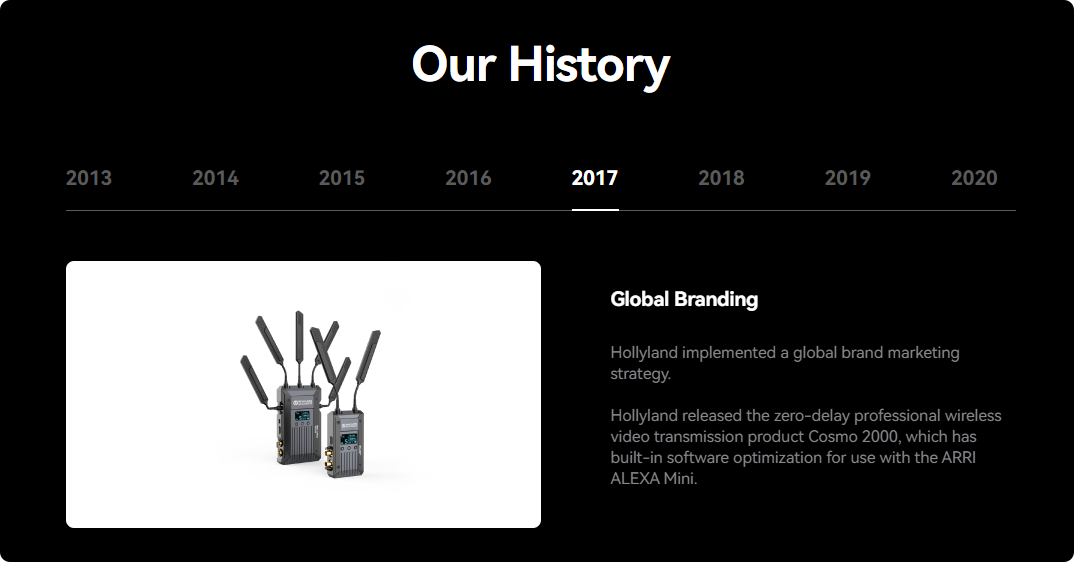
ด้วยเหตุนี้ พวกเขาจึงพยายามเอาชนะเทคโนโลยีหลัก เช่น การส่งสัญญาณไร้สาย 5G/2.4G และความหน่วงต่ำ หลังจากนั้นในปี 2017 ได้ทำการเปลี่ยนแปลงเชิงกลยุทธ์ที่สำคัญ: สร้างแบรนด์ในประเทศ “MOMA猛玛” และแบรนด์ต่างประเทศ “Hollyland” เปลี่ยนจาก OEM ไปสู่เส้นทางโลกาภิวัตน์ของการวิจัยและพัฒนาและแบรนด์ของตนเอง
ที่มาของภาพ:Hollyland
ในปี 2020 ด้วยการออกแบบแท่นชาร์จรวมในตัวที่เป็นนวัตกรรมแรกเริ่ม ไมโครโฟนไร้สาย LARK 150 เปิดตัวและสร้างกระแสในตลาด ไม่เพียงแต่แก้ปัญหาการจัดเก็บและระยะเวลาการใช้งานของผู้ใช้ แต่ยังกระตุ้นให้เกิดการเลียนแบบตามทั่วทั้งอุตสาหกรรมอีกด้วย
ในระยะเวลาเพียงไม่กี่ปี,Hollyland“แบรนด์”ได้สะสมเกินกว่า224สิทธิบัตรหลัก จำนวนพนักงานทะลุกว่า 1,400 คน ให้บริการผู้สร้างทั่วโลกกว่า600 ล้านผู้สร้าง ได้เปลี่ยนสถานะจาก “โรงงานไร้ชื่อ” แถวหัวเฉียงเป่ย สู่การเป็นแบรนด์ชั้นนำระดับโลกด้านอุปกรณ์เสียงและวิดีโอระดับมืออาชีพ

ที่มาของภาพ:Hollyland
ผลประโยชน์มหาศาลจากเศรษฐกิจของผู้สร้าง
เมื่อเทคโนโลยีเข้มแข็งแล้ว ก็ต้องอาศัยโอกาสจากตลาดด้วย
ข้อมูลแสดงให้เห็นว่า,ในปี 2023 ยอดขายไมโครโฟนไร้สายดิจิทัลแบบพกพาของจีนสูงถึง 4.73 ล้านเครื่อง เพิ่มขึ้น 5.2% เมื่อเทียบกับปีก่อน โดยมียอดขายไมโครโฟนไร้สายอัจฉริยะรุ่นใหม่เพิ่มขึ้นถึง 443% ทะลุ 1 ล้านเครื่อง
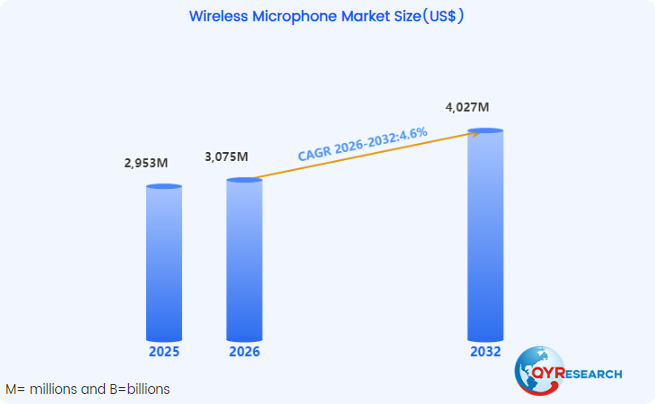
จากมุมมองทั่วโลก,ในปี 2025 ขนาดตลาดไมโครโฟนไร้สายทั่วโลกอยู่ที่ 2.953 พันล้านดอลลาร์สหรัฐ หลังปรับปรุงแล้วคาดว่าจะถึง 4.027 พันล้านดอลลาร์สหรัฐในปี 2032 โดยมีอัตราการเติบโตเฉลี่ยต่อปี (CAGR) 4.6%
ที่มาของภาพ:qyresearch
ที่สำคัญกว่านั้นคือการเปลี่ยนแปลงเชิงโครงสร้างในฝั่งผู้ใช้ ในอดีตไมโครโฟนไร้สายขายให้กับทีมงานภาพยนตร์และสถานีกระจายเสียงมืออาชีพเป็นหลัก ตลาดมีจำกัด แต่ปัจจุบันวิดีโอสั้น การถ่ายทอดสดขายสินค้า,vlog และพอดแคสต์ระเบิดอย่างเต็มรูปแบบ กลุ่มผู้สร้างขยายตัวอย่างรวดเร็วจาก PGC สู่ UGC เกือบทุกคนที่หยิบมือถือมาถ่ายวิดีโออาจกลายเป็นผู้ซื้อไมโครโฟนที่มีศักยภาพ
Hollyland“แบรนด์”รองผู้จัดการทั่วไป เฉา เสวี่ยเฟิง กล่าวในการให้สัมภาษณ์ว่า,เมื่อบริษัทเพิ่งเข้าสู่ตลาดไมโครโฟนในปี 2020 ขนาดของอุตสาหกรรมต่ำกว่าปัจจุบันมาก การพัฒนาที่สมบูรณ์ของสื่อ自媒体และธุรกิจไลฟ์สดต่างหากที่ผลักดันให้หมวดหมู่ผลิตภัณฑ์นี้ก้าวเข้าสู่ช่องทางที่รวดเร็วอย่างแท้จริง
ตลาดที่มีการเติบโตสูง และความสามารถในการแข่งขันของผลิตภัณฑ์ที่เกิดจากการพัฒนาเทคโนโลยีด้วยตนเอง ร่วมกันเป็นพื้นฐานที่ทำให้แบรนด์เติบโตอย่างก้าวกระโดด

ที่มาของภาพ:Hollyland
การตลาดแบบครอบคลุมทุกช่องทาง เจาะเป้าหมายอย่างแม่นยำ
สภาพแวดล้อมตลาดโดยรวมเอื้ออำนวย แต่สิ่งที่ทำให้เกิดเสียงดังและขายสินค้าไปทั่วโลกได้จริงนั้น ต้องอาศัยกลยุทธ์ช่องทางที่หลากหลายทั้งหลายแพลตฟอร์มและหลายมิติHollyland猛玛มีการวางแผนในด้านนี้อย่างเป็นระบบ
1、TikTok
สำหรับแบรนด์ที่มีกลุ่มผู้ใช้หลักเป็นครีเอเตอร์ โซเชียลมีเดียไม่ใช่ป้ายโฆษณา แต่เป็นสนามรบหลักในการสนทนากับผู้ใช้และแสดงศักยภาพของผลิตภัณฑ์
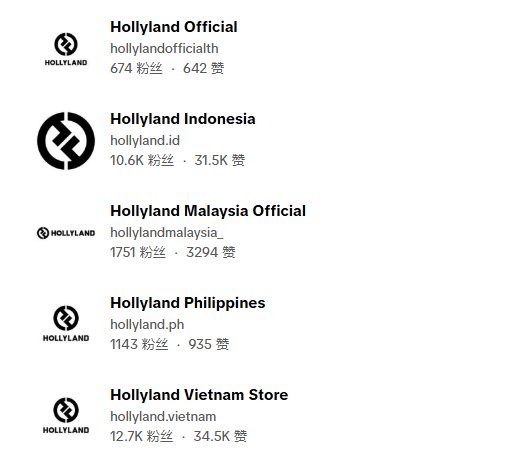
ในบน TikTok Hollyland ได้กำหนดให้เอเชียตะวันออกเฉียงใต้เป็นตลาดเป้าหมายหลักในการดำเนินงาน โดยใช้กลยุทธ์การดำเนินบัญชีแบบโลคัลไลเซชันตามภูมิภาค เปิดบัญชีทางการเฉพาะสำหรับแต่ละประเทศในเอเชียตะวันออกเฉียงใต้ และปรับให้เข้ากับระบบนิเวศของครีเอเตอร์ท้องถิ่นเพื่อดำเนินการด้านเนื้อหา
ปัจจุบัน พวกเขาได้เปิดบัญชีทางการในหลายพื้นที่ เช่น อินโดนีเซีย เวียดนาม เป็นต้น โดยที่อินโดนีเซียและเวียดนาม已经开始มีขนาดที่แน่นอน จำนวนผู้ติดตามถึงระดับหมื่น
ที่มาของภาพ:TikTok
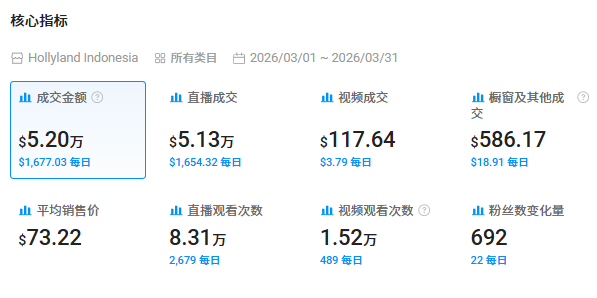
จากมุมมองของประสิทธิภาพการแปลงยอดขาย ที่จริงแล้วเนื้อหาของ Hollyland ไม่ค่อยโดดเด่นนัก ยอดขายส่วนใหญ่ของเขาเกิดจากการถ่ายทอดสดบน TikTok
这一点可以从数据上清晰地看到 เช่น บัญชีอินโดนีเซีย@hollyland.id มียอดขายในเดือนมีนาคมที่ 52,000 ดอลลาร์สหรัฐ โดยการขายผ่านการถ่ายทอดสดคิดเป็นมากกว่า 98% ซึ่งแสดงให้เห็นถึงความสำคัญของการถ่ายทอดสดในกระบวนการขายทั้งหมด
ที่มาของภาพ:TikTok
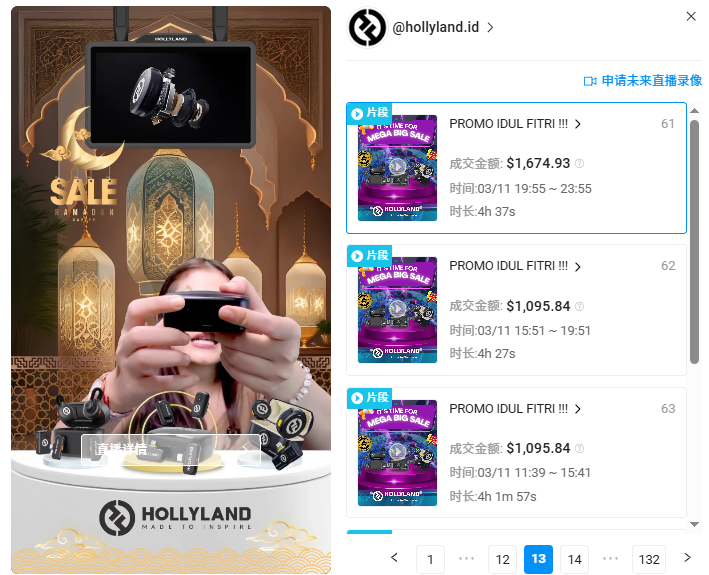
สำหรับอุปกรณ์เสียงและวิดีโอระดับมืออาชีพที่มีราคาต่อหน่วยสูง การถ่ายทอดสดยิ่งเหมาะสมกว่าเหมาะสมกับการแปลงยอดขายของผลิตภัณฑ์ประเภทนี้。
ในห้องถ่ายทอดสดผู้ดำเนินรายการสามารถสาธิตผลการลดเสียงรบกวน การทำงานของอุปกรณ์ที่เข้ากันได้ และตอบคำถามผู้ใช้เกี่ยวกับการรับประกันและอุปกรณ์ที่เข้ากันได้ทันที。
รูปแบบนี้ไม่เพียงแต่ช่วยลดความกังวลในการตัดสินใจของผู้ใช้ได้อย่างมีประสิทธิภาพ และยังสอดคล้องกับพฤติกรรมการช้อปปิ้งออนไลน์ของผู้ใช้ในท้องถิ่นเอเชียตะวันออกเฉียงใต้ ประสิทธิภาพการแปลงสูงกว่าการปลูกปั้นด้วยวิดีโอสั้นเพียงอย่างเดียวมาก
ที่มาของภาพ:kalodata
นอกเหนือจากระบบการดำเนินงานของตนเองแล้วกลยุทธ์อินฟลูเอนเซอร์ของแบรนด์ Hollyland ก็น่าสนใจที่จะพูดถึง
ในด้านนี้แบรนด์ไม่ได้กำหนดกรอบหรือกฎเกณฑ์มากมายให้กับตัวเอง ประเภทและระดับของผู้มีอิทธิพลที่ร่วมงานด้วยก็มีความยืดหยุ่นพอสมควร ซึ่งอาจเกี่ยวข้องกับกับผลิตภัณฑ์ที่เกี่ยวข้องกับคุณลักษณะ,ไมโครโฟนโดยพื้นฐานแล้วคือ“ผลิตภัณฑ์ประเภทเครื่องมือ” ผู้ใช้ซื้อมันก็คือเพื่อแก้ปัญหา: การรับเสียงที่ชัดเจน ระบบตัดเสียงรบกวนที่ใช้งานได้ดี และการถ่ายวิดีโอโดยไม่มีเสียงแตก
ดังนั้น ตรรกะหลักที่ดึงดูดผู้ใช้ไม่ใช่“ใครขาย” แต่เป็น “ใครใช้ ใช้ดีหรือไม่”
ที่มาของภาพ:kalodata
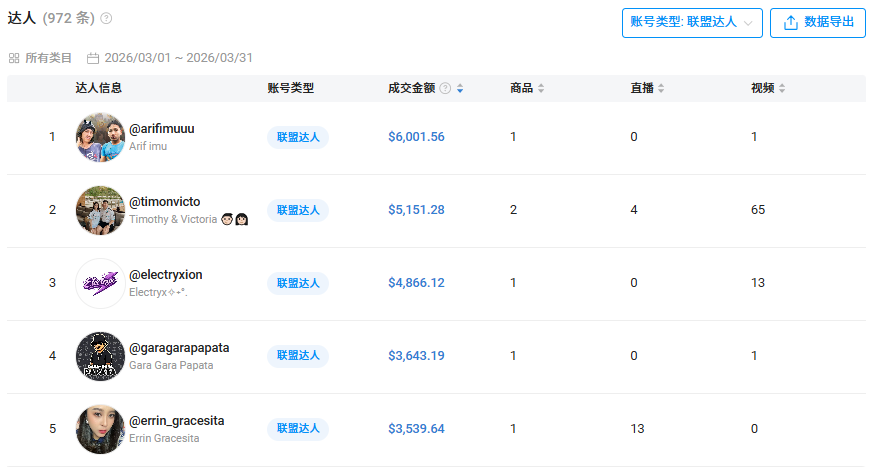
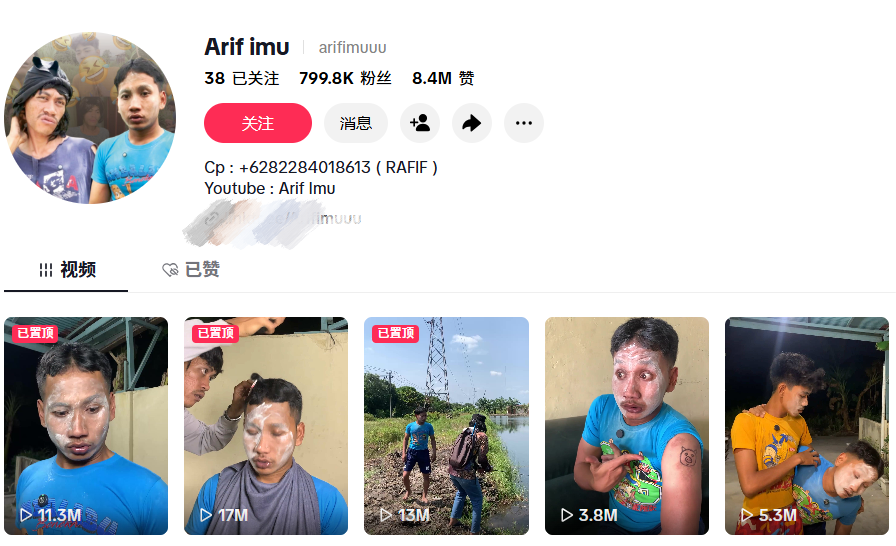
ยกตัวอย่างอินฟลูเอนเซอร์ชาวอินโดนีเซียที่ร่วมงานกับแบรนด์@arifimuuu เป็นตัวอย่าง ผู้สร้างคนนี้เน้นเนื้อหาแนวละครและการแสดง ซึ่งเมื่อมองคร่าวๆ ดูเหมือนจะไม่เกี่ยวข้องกับ Hollylandผลิตภัณฑ์เทคโนโลยีประเภทนี้ดูเหมือนจะไม่มีความเกี่ยวข้องโดยตรง
แต่จุดที่น่าสนใจก็คือตรงนี้,เขาแทบจะทุกวิดีโอจะสวมใส่ของ Hollylandไมโครโฟนในระหว่างการถ่ายทำเนื้อหาประจำวันหรือคลิปตลก ไมโครโฟนจะปรากฏในภาพอย่างเป็นธรรมชาติในฐานะเครื่องมือ โดยไม่ต้องอธิบายโดยเฉพาะและไม่รบกวนจังหวะของเนื้อหา
รูปแบบเนื้อหาสถานการณ์บน TikTok ต้องการให้ผู้สร้างมีทักษะการสร้างสรรค์ที่สูง แต่เมื่อกระตุ้นให้เกิดความ共鸣 (共鸣) ของผู้ชม ข้อมูลโฆษณาก็จะซึมเข้าไปโดยไม่รู้ตัว วิธีการ “แทรกแบบนุ่มนวล” นี้จะไม่ทำให้ผู้ชมรู้สึกแข็งทื่อ แต่กลับสร้างความไว้วางใจขึ้นเรื่อยๆ เนื่องจากการปรากฏบ่อยครั้ง
ที่มาของภาพ:TikTok
2. Amazon
ปัจจุบัน,ผลิตภัณฑ์ไมโครโฟนไร้สายและเครื่องส่งสัญญาณภาพของแบรนด์ Hollyland อยู่ในอันดับต้นของประเภทสินค้าในหลายไซต์ โดยตำแหน่งหัวตาราง BSR ค่อนข้างคงที่
สำหรับผลิตภัณฑ์ประเภทอุปกรณ์เสียงและวิดีโอระดับมืออาชีพ ผู้ใช้ต่างประเทศมักมีนิสัยในการซื้อที่ชอบค้นหา ดูสเปก และอ่านรีวิวบน Amazon ก่อน ด้วยเหตุนี้ Hollyland ทำในการสร้าง Listing ได้ค่อนข้างละเอียดมากกว่า อย่างละเอียด เมื่อผู้ใช้คลิกเข้ามา ก็สามารถตัดสินได้อย่างรวดเร็วว่าเหมาะกับตัวเองหรือไม่
ในขณะเดียวกัน สำหรับพฤติกรรมผู้ใช้ในแต่ละประเทศ站点 คำอธิบาย คำค้นหา และส่วนคำถามที่พบบ่อยของ Listing จะถูกปรับให้เป็นท้องถิ่นตามความเหมาะสม ไม่ใช่แค่ใช้การแปลอัตโนมัติแบบง่ายๆ
จากที่เห็นในปัจจุบัน Amazon มีส่วนช่วย ส่วนสำคัญของรายได้ต่างประเทศของ Hollyland ซึ่งเป็นฐานที่มั่นคงที่สนับสนุนธุรกิจต่างประเทศของแบรนด์

ที่มาภาพ:Amazon
3. เว็บไซต์อิสระ
สถานการณ์ของเว็บไซต์อิสระค่อนข้างซับซ้อนกว่าเล็กน้อย เว็บไซต์ทางการของ Hollyland ไม่ใช่แค่หน้าเว็บขายสินค้า แต่เน้นไปที่แพลตฟอร์มบูรณาการฟังก์ชันมากกว่า
นอกเหนือจากการแสดงผลิตภัณฑ์ทั่วไปและช่องทางซื้อแล้ว ส่วนที่มีประโยชน์ในเว็บไซต์คือโมดูลฟังก์ชันต่างๆ เช่น ดาวน์โหลดเฟิร์มแวร์ คู่มือการใช้งานอุปกรณ์ การส่งคำสั่งซ่อมหลังการขาย และการค้นหาตัวแทนจำหน่ายทั่วโลก
หลังจากผู้สร้างซื้ออุปกรณ์แล้ว ปัญหาต่อเนื่องหลายอย่าง เช่น การอัปเกรดเฟิร์มแวร์ การยืนยันความเข้ากันได้ การยื่นขอรับประกัน สามารถทำได้บนเว็บไซต์โดยตรง ไม่ต้องติดต่อฝ่ายบริการลูกค้าซ้ำแล้วซ้ำอีก ข้อดีของวิธีนี้คือ ผู้ใช้จะพึ่งพาแบรนด์มากขึ้น โอกาสในการซื้อซ้ำและแนะนำก็มากขึ้น

ที่มาภาพ:Hollyland
บทสรุป
จากHollyland แบรนด์ เมื่อมองย้อนกลับไปในเส้นทางของแบรนด์ จะเห็นได้ชัดเจนว่า การสะสมเทคโนโลยี การวางตำแหน่งประเภทสินค้า และการดำเนินงานหลายแพลตฟอร์ม เป็นสามจุดสำคัญที่สนับสนุนแบรนด์จีนในการออกสู่ตลาดต่างประเทศในปัจจุบัน
ในอีกไม่กี่ปีข้างหน้า เมื่ออัตราการเจาะตลาดของวิดีโอสั้นและการถ่ายทอดสดทั่วโลกเพิ่มขึ้น รวมถึง การอัปเกรดเวิร์กโฟลว์การผลิตวิดีโอที่ขับเคลื่อนด้วย AI อุปกรณ์อย่างไมโครโฟนไร้สาย ตัวส่งสัญญาณพกพา กล้องถ่ายทอดสด ยังมีพื้นที่การเติบโตเชิงโครงสร้างค่อนข้างมาก
สำหรับธุรกิจในประเทศ การจะคว้าโอกาสนี้ไว้ได้หรือไม่ จุดสำคัญไม่ได้อยู่ที่“要不要出海”,而在于“如何从代工思维转向品牌和技术驱动思维,如何用多平台组合把产品真正推到海外创作者的手里”。当国内市场趋于饱和时,出海不再是“备选项”,而是下一个增长阶段的必经之路。