 2206
2206อากาศร้อนแล้ว ทุกคนมีความคิดเห็นเกี่ยวกับประเภทสินค้าข้ามพรมแดนอย่างไรบ้าง?
ความนิยมในการค้นหาของผู้บริโภคต่างประเทศสำหรับหมวดหมู่ที่จำเป็นในช่วงฤดูร้อนนั้นเพิ่มขึ้นอย่างเห็นได้ชัด โดยเฉพาะหมวดหมู่ชุดว่ายน้ำ ทุกปีเดือนพฤษภาคมถึงกรกฎาคมเป็นช่วงขายดี
แบรนด์ที่เราคุยกันวันนี้เป็นแบรนด์ที่มาจากเซินเจิ้น ชื่อว่าBlooming Jelly (ชื่อจีน “不明觉厉”)
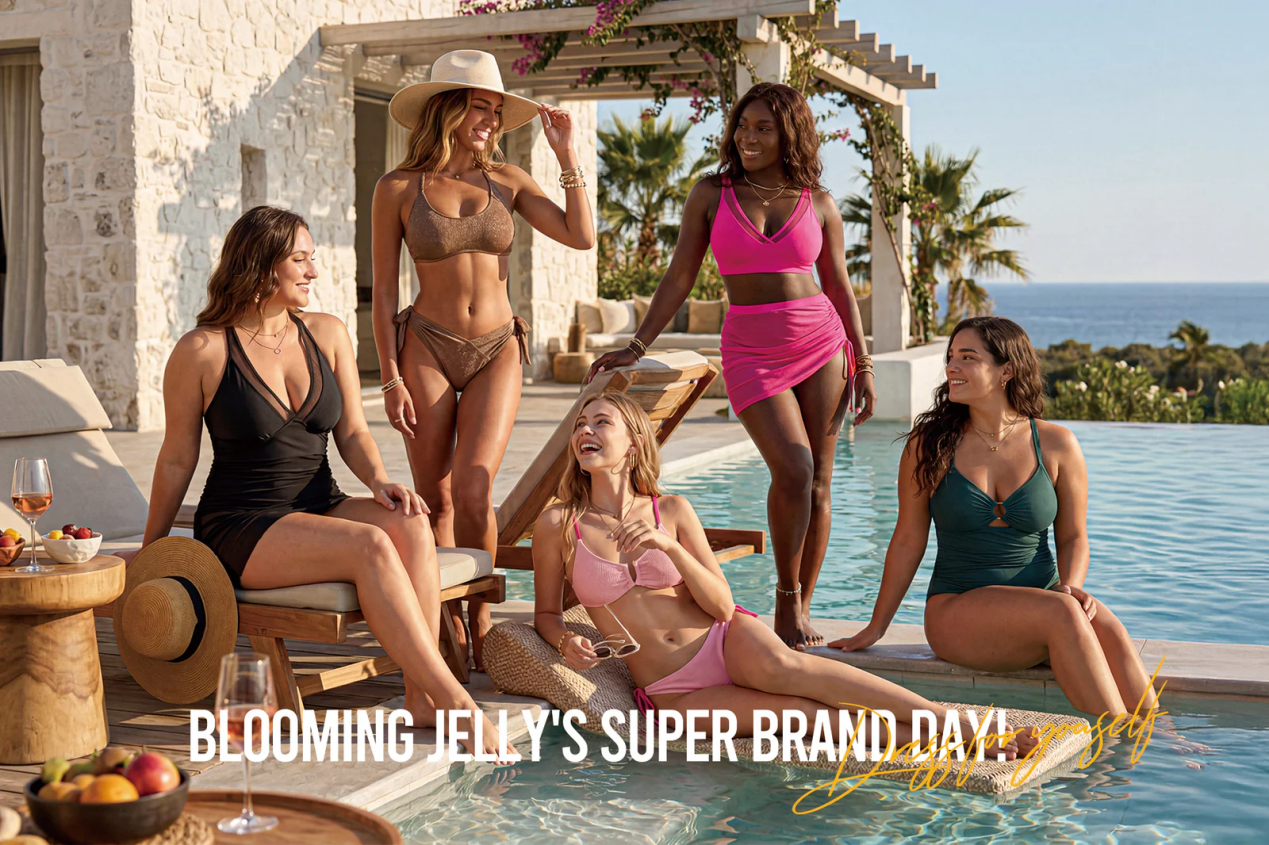
ที่มาของรูปภาพ:Blooming Jelly
ตั้งแต่ตั้งแต่เปิดร้านใน TikTok Shop เมื่อเดือนธันวาคม 2023 จนถึงปัจจุบัน แบรนด์มียอดขายรวมเกือบ 12,629,400 ดอลลาร์สหรัฐ มียอดขายมากกว่า 3,889,200 ชิ้น ชุดว่ายน้ำแบบชิ้นเดียวยอดฮิตติดอันดับขายดีประจำสัปดาห์ของ TikTok สหรัฐอเมริกาต่อเนื่อง
ส่วนในช่องทาง Amazonยอดขายรวมต่อปีของ Blooming Jelly เกิน 200 ล้านดอลลาร์สหรัฐ ครองตำแหน่งผู้ขายชุดว่ายน้ำชั้นนำในอเมริกาเหนือ
เมื่อพูดถึงผลงานของแบรนด์นี้ ควรดูเส้นทางที่ผ่านมาของมันก่อน
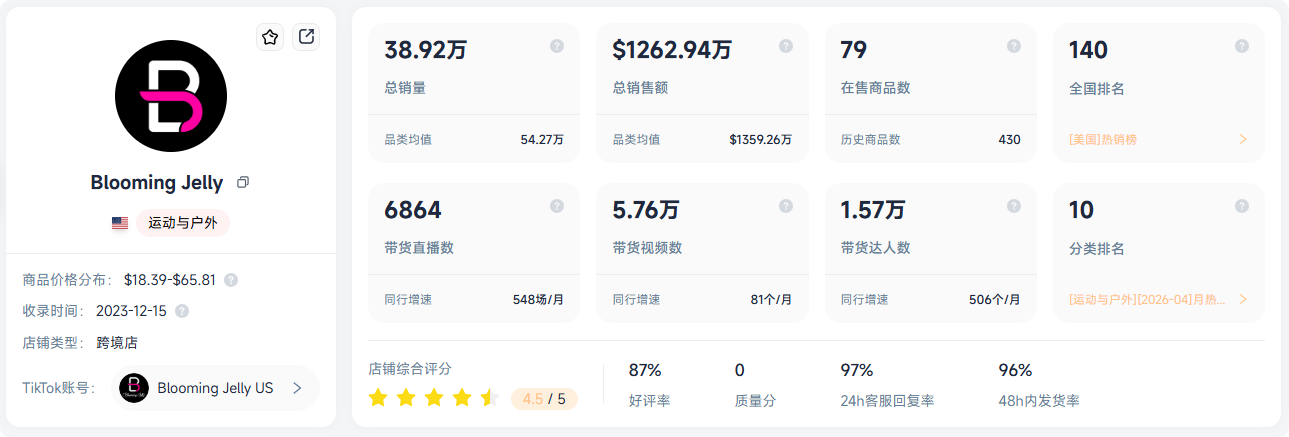
ที่มาของรูปภาพ:fastmoss
จากการต่อสู้ราคาในประเทศไปสู่การบุกตลาดต่างประเทศ
Blooming Jelly ก่อตั้งในปี 2014 ผู้ก่อตั้ง Neo เริ่มต้นทำตลาดเสื้อผ้าผู้หญิงในจีน แต่สภาพแวดล้อมอีคอมเมิร์ซในประเทศตอนนั้น คนที่คุ้นเคยจะรู้ว่าสถานการณ์เป็นอย่างไร —— การแข่งขันภายในที่รุนแรงมาก
ต่อมา Neo เล่าถึงประสบการณ์นี้ในการแบ่งปันสาธารณะ: 'เราผ่านยุคการแข่งขันภายในและ 'ราคา 9.9 หยวนส่งฟรี' ช่วงนั้นสินค้าค้างสต๊อกมาก อัตราการคืนสินค้าสูง ต้นทุนกดดันมาก'
แม้ว่าการออกแบบผลิตภัณฑ์และคุณภาพผ้าจะไม่แพ้แบรนด์นานาชาติ แต่ในระบบสงครามราคาของอีคอมเมิร์ซในประเทศ คุณค่าแบรนด์แทบไม่มีที่ยืน ทีมงานตระหนักว่าเส้นทางแลกออเดอร์ด้วยราคาถูกนั้นใช้ไม่ได้ โดยเฉพาะหมวดหมู่เสื้อผ้าผู้หญิงที่มีอัตราการคืนสูง การหมุนเวียนสต๊อกช้า กำไรบางเฉียบ ถ้าทำต่อไปเรื่อยๆ ก็ตายอย่างช้าๆ
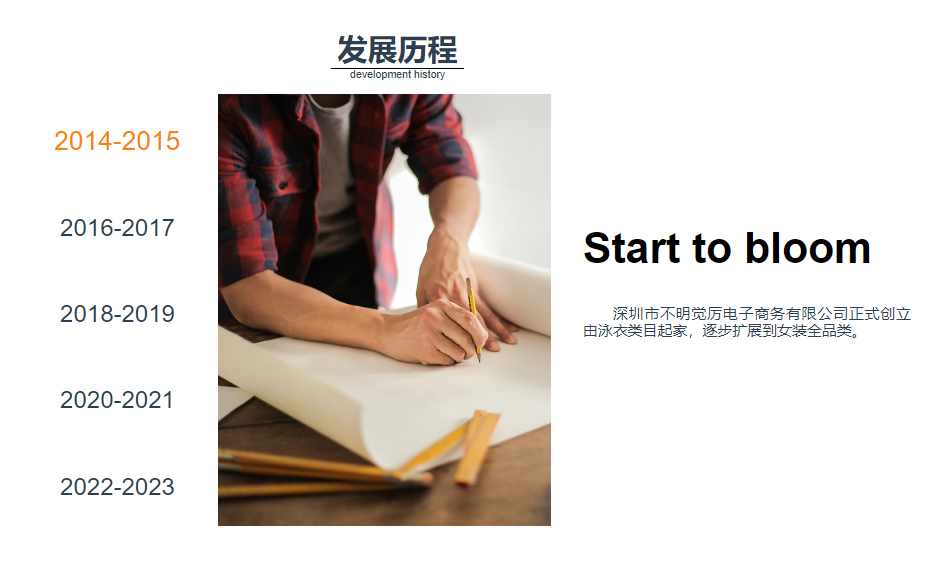
ที่มาของรูปภาพ: เว็บไซต์ทางการของแบรนด์
ประมาณปี 2017 Blooming Jelly ค่อยๆ หันความสนใจไปที่อีคอมเมิร์ซข้ามพรมแดน มุ่งเน้นตลาด Amazon ในยุโรปและอเมริกา โดยเน้นชุดว่ายน้ำและเสื้อผ้าผู้หญิงลำลอง
ด้วยการออกแบบทรงที่แม่นยำ อัตราคุ้มค่าสูง และครอบคลุมตั้งแต่กลยุทธ์ขนาดเต็มตั้งแต่ XS ถึง 4XL ทำให้แบรนด์ตั้งหลักในหมวดหมู่ชุดว่ายน้ำของ Amazon ได้อย่างรวดเร็ว ยอดขายรวมต่อปีทะลุ 200 ล้านดอลลาร์สหรัฐ
แต่ของ Amazonตรรกะ 'ชั้นวางสินค้า' กำหนดความสัมพันธ์ระหว่างแบรนด์และผู้บริโภคเป็น 'ค้นหา+ซื้อขาย' ผู้บริโภคซื้อเสร็จก็จากไป สร้างการรับรู้แบรนด์ได้ยาก ประมาณปี 2022 ทีมงานได้ตัดสินใจสำคัญอีกครั้ง: ทุ่มเทเต็มที่กับโซเชียลคอมเมิร์ซ ใช้ TikTok เป็นศูนย์กลางในการบุกตลาดต่างประเทศ
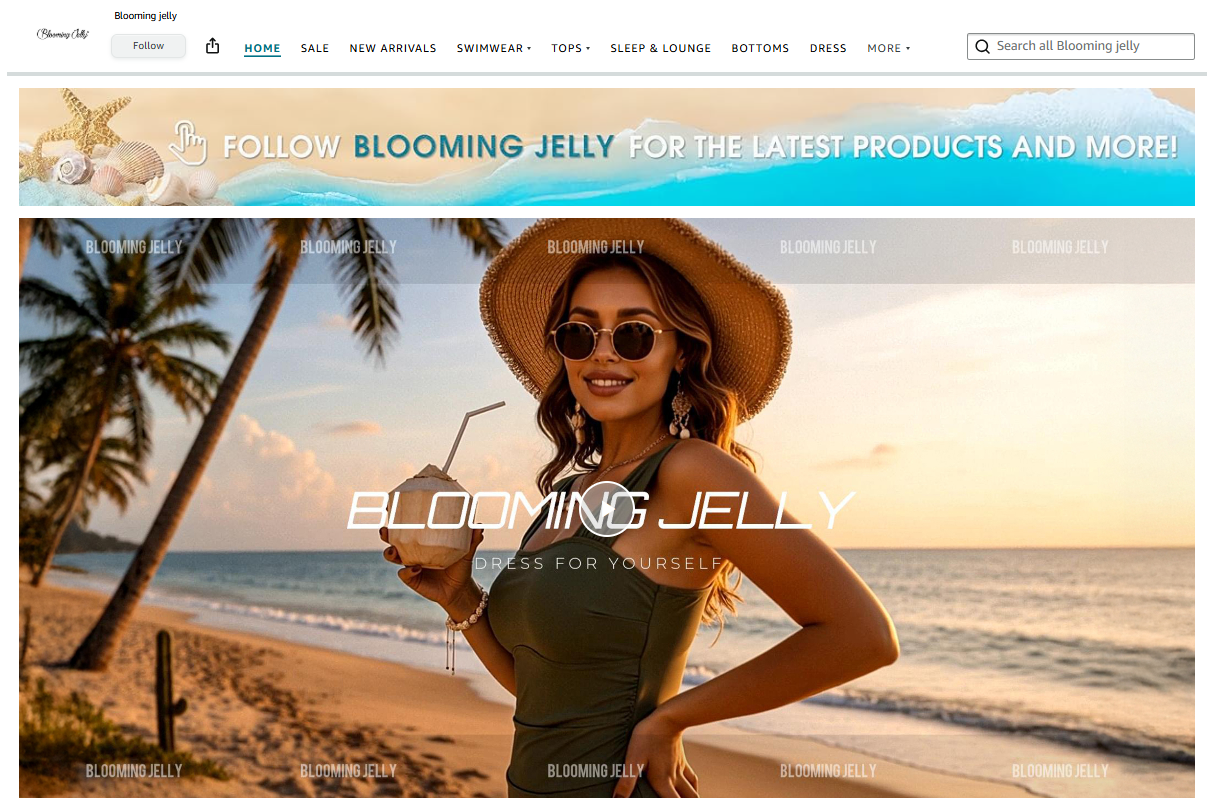
ที่มาของรูปภาพ:Amazon
จับเทรนด์,All in โซเชียลคอมเมิร์ซ
ธันวาคม 2023 Blooming Jelly เข้าสู่ TikTok Shop สหรัฐอเมริกาอย่างเป็นทางการ ทันกับช่วงเวลาที่แพลตฟอร์มมีปริมาณการใช้งานเพิ่มขึ้นอย่างรวดเร็ว
ในหมวดหมู่ชุดว่ายน้ำบน TikTok เป็นที่นิยมมากอยู่แล้ว เนื้อหามีความร้อนแรงในตัว แค่แฮชแท็ก #swimsuit และ #swimsuitcheck สองอันนี้ มียอดรับชมรวมกว่า 2 พันล้านครั้ง เทียบเท่ากับแหล่งปริมาณการเข้าชมขนาดใหญ่ที่พร้อมใช้
ที่สำคัญยิ่งกว่านั้นคือTikTok Shop เชื่อมโยงเนื้อหาและการซื้อเข้าด้วยกัน ผู้ใช้เลื่อนดูวิดีโอ穿搭 ถูกปลูกฝัง สั่งซื้อ กระบวนการทั้งหมดมักใช้เวลาแค่ไม่กี่วินาที
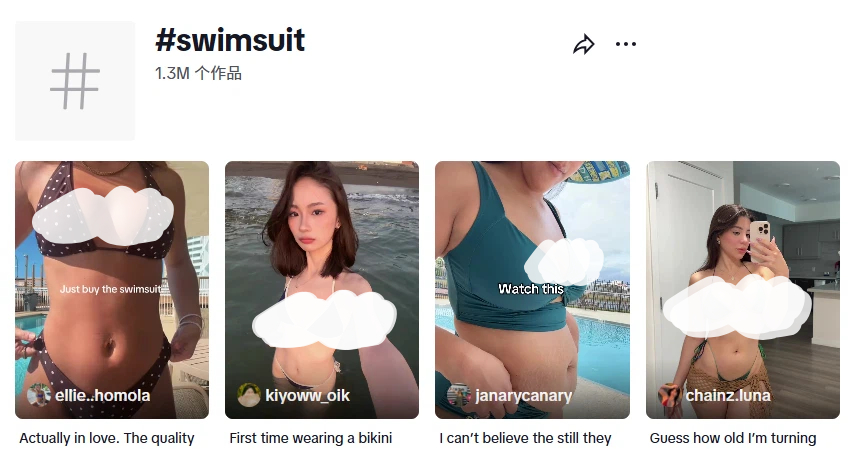
ที่มาภาพ:TikTok
ในขณะเดียวกัน ตลาดชุดว่ายน้ำทั่วโลกกำลังอยู่ในช่วงเติบโตอย่างมั่นคง ตามรายงานของ Research And Markets ระบุว่า มูลค่าตลาดชุดว่ายน้ำทั่วโลกในปี 2024 อยู่ที่ 20.8 พันล้านดอลลาร์สหรัฐ คาดว่าจะสูงถึง 34.1 พันล้านดอลลาร์สหรัฐภายในปี 2034 ด้วยอัตราการเติบโตเฉลี่ยต่อปีที่ 5.1%
อเมริกาเหนือเป็นตลาดชุดว่ายน้ำที่ใหญ่ที่สุดในโลกในปี 2024 ขนาดตลาดอยู่ที่ 10.69 พันล้านดอลลาร์สหรัฐ คาดว่าจะเติบโตถึง 18.96 พันล้านดอลลาร์สหรัฐภายในปี 2034 ด้วยอัตราการเติบโตเฉลี่ยต่อปี 5.9%
ภายใต้บริบทการขยายตัวของตลาด ยังมีการเปลี่ยนแปลงแนวโน้มผู้บริโภคที่สำคัญยิ่งขึ้น: ในช่วงไม่กี่ปีที่ผ่านมา สังคมยุโรปและอเมริกาให้ความสำคัญกับ“ความวิตกกังวลเรื่องรูปร่าง” กำลังเร่งผลักดันความหลากหลายทางสุนทรียศาสตร์ การเปลี่ยนแปลงนี้ส่งผลโดยตรงให้หมวดหมู่เสื้อผ้าผู้หญิงขนาดบวกได้รับความนิยมอย่างต่อเนื่อง
อาจกล่าวได้ว่า การเปลี่ยนแปลงแนวโน้มผู้บริโภคเป็นแรงผลักดันตามธรรมชาติให้แบรนด์อย่าง Blooming Jelly ที่ขยายตลาดต่างประเทศ
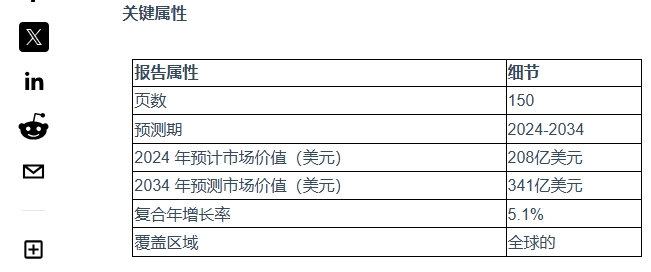
ที่มาภาพ:globenewswire
TikTok เล่นยังไง? การตลาดเชิงอารมณ์ + การขับเคลื่อนด้วยเครือข่ายอินฟลูเอนเซอร์แบบสองล้อ
เมื่อพูดถึงพื้นหลังแล้ว มาพูดถึงกลยุทธ์เฉพาะของ Blooming Jelly บน TikTok การที่ทำยอดขายจากศูนย์ถึงกว่า 10 ล้านดอลลาร์สหรัฐนั้น ไม่ได้อาศัยเพียงคลิปวิดีโอฮิตหนึ่งหรือสองคลิป แต่เป็นตรรกะการดำเนินงานที่สามารถทำซ้ำได้
ประการแรก กำหนดตำแหน่งแบรนด์ก่อน: จาก“เสื้อผ้าสวย” เป็น “คุณสวยเมื่อใส่”
Blooming Jelly เน้นย้ำข้อเสนอคุณค่าหลักบน TikTok เสมอ นั่นคือ 'Dressing for Yourself' (แต่งตัวเพื่อตัวเอง) ไม่ใช่แนวทางการตลาดแบบเซ็กซี่แบบดั้งเดิม ไม่เน้นความผอมและส่วนโค้งเว้า แต่ส่งต่อแนวคิดที่ว่า 'ทุกรูปร่างสมควรได้รับการมองเห็น' ซ้ำแล้วซ้ำเล่า
จากแบรนด์ที่ผ่านมา30 วัน (14 เม.ย. - 13 พ.ค.) จากการจัดอันดับวิดีโอขายสินค้า วิดีโอที่ติดอันดับต้นๆ ล้วนส่งอารมณ์เดียวกัน นั่นคือ อย่ากังวลเรื่องรูปร่าง ใส่ชุดว่ายน้ำที่คุณชอบ
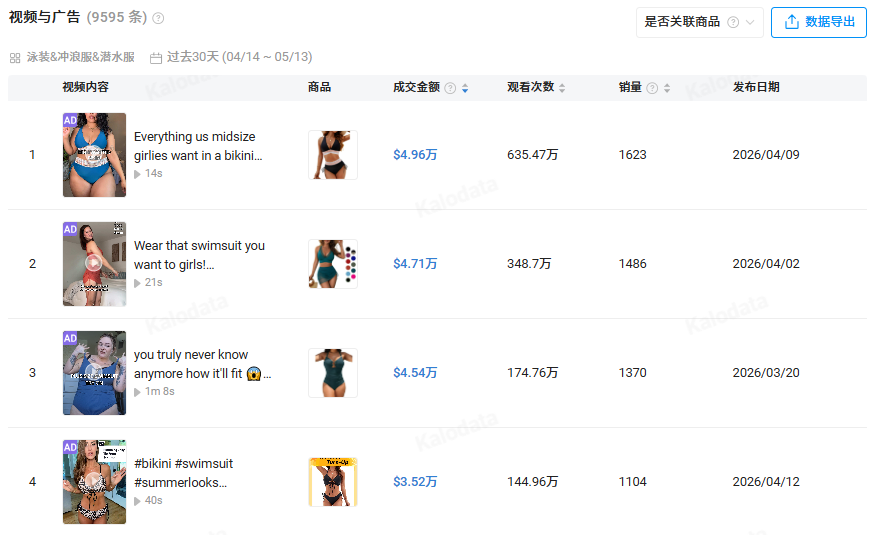
ที่มาของรูป:globenewswire
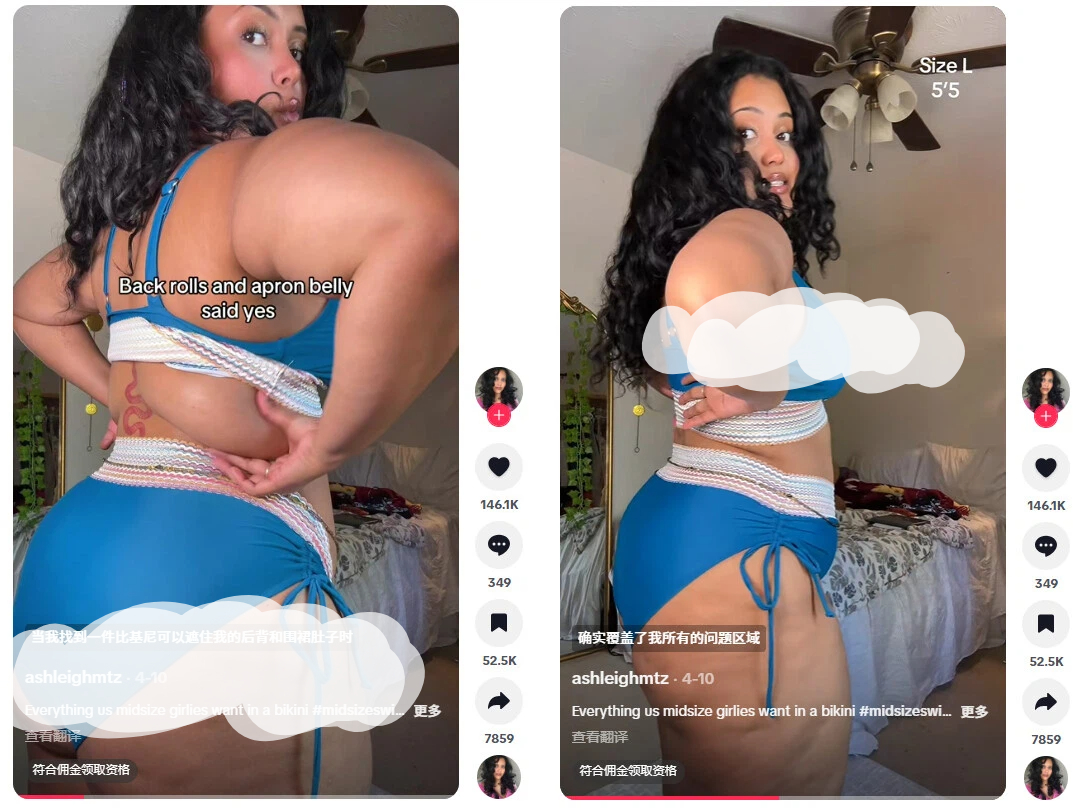
เหมือนกับวิดีโอนี้ที่โพสต์โดย TikTok อินฟลูเอนเซอร์ @ashleighmtz ตอบโจทย์จุดอารมณ์นี้ได้อย่างแม่นยำ
ตั้งแต่ต้นคลิป เธอก็พูดตรงๆ ถึง"จุดอ่อน" ของร่างกายเธอ ซึ่งตรงใจผู้หญิงจำนวนมากที่กังวลเรื่องหุ่นจนไม่กล้าซื้อชุดว่ายน้ำ ทำให้พวกเธอรู้สึกว่า "เธอเหมือนฉัน" ตั้งแต่วินาทีแรก
ก่อนอื่นเสนอปัญหา จากนั้นจึงแนะนำชุดว่ายน้ำ Blooming Jelly ซึ่งทั้งแสดงให้เห็นถึงข้อดีของชุดว่ายน้ำ และยังทำให้ผู้ใช้เกิดการคิดแทนว่า "เธอใส่แล้วสวย → ฉันใส่ก็น่าจะได้"
ที่มาของรูป:TikTok
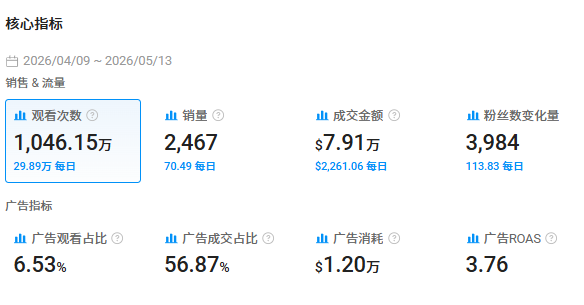
นี่คือรูปแบบของเนื้อหาที่ "สร้างความเห็นอกเห็นใจก่อน แล้วค่อยปลูกหญ้า" (种草) ทำให้วิดีโอนี้ตั้งแต่เผยแพร่ในเดือนเมษายนปีนี้จนถึงปัจจุบัน มียอดดูรวมกว่า 10.5 ล้านครั้งบน TikTok และยอดขายสูงถึง 73,100 ดอลลาร์สหรัฐ กลายเป็นวิดีโอที่มีผลลัพธ์การขายโดดเด่นที่สุดของแบรนด์ในช่วงนี้
นี่คือการแสดงให้เห็นเป็นรูปธรรมของ "ช่วงสามวินาทีทอง" ที่เรามักพูดถึงในวิดีโอสั้น การทิ้งตะขอที่ดึงดูดไว้ในตอนต้น การเปลี่ยนผู้ชมเป็นลูกค้าในภายหลังก็เป็นไปตามธรรมชาติ
ที่มาของรูป:kalodata
ประการที่สอง การบริหารจัดการพอร์ตอินฟลูเอนเซอร์แบบละเอียด
รูปแบบความร่วมมือบน TikTok มักมีกฎ 80/20: อินฟลูเอนเซอร์ระดับบนสุดเพิ่มเสียงของแบรนด์ อินฟลูเอนเซอร์ระดับกลางขับเคลื่อนยอดขาย Blooming Jellyก็ไม่เป็นข้อยกเว้น
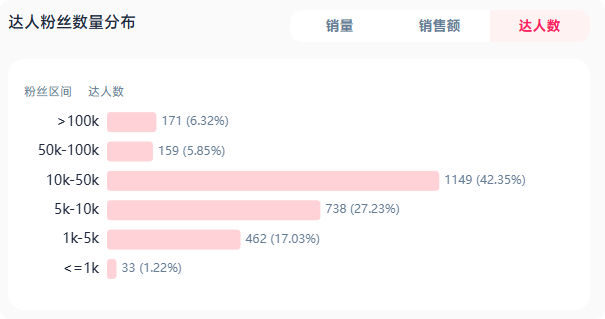
จากข้อมูลแสดงให้เห็นว่า ในช่วง28 วันที่ผ่านมา แบรนด์ร่วมงานกับอินฟลูเอนเซอร์เพื่อการขาย 2,712 ราย โดยอินฟลูเอนเซอร์ระดับกลางระดับล่างที่มีแฟน 1-5 หมื่นคนคิดเป็น 69.38% ซึ่งเป็นส่วนใหญ่
อินฟลูเอนเซอร์ระดับบนสุดเพิ่มเสียงของแบรนด์ อินฟลูเอนเซอร์ระดับกลางและล่างสร้างยอดขายจริง การรวมกันทั้งสองทำให้ประสิทธิภาพการแปลงสูงและควบคุมต้นทุนได้
ที่มาของรูป:fastmoss
ประเด็นนี้สามารถเห็นได้อย่างชัดเจนจากข้อมูล
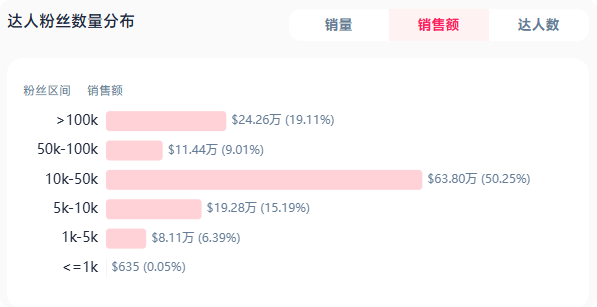
ดังรูปด้านล่างอินฟลูเอนเซอร์ระดับกลางที่มีแฟน 1-5 หมื่นคนสร้างยอดขาย 638,000 ดอลลาร์สหรัฐ คิดเป็น 50.25% ของยอดขายทั้งหมด ในขณะที่กลุ่มแฟน 5-10 หมื่นคนสร้าง 114,400 ดอลลาร์สหรัฐ (9.01%) กล่าวคือ เกือบ 60% ของยอดขายมาจากอินฟลูเอนเซอร์ระดับกลางเหล่านี้
นี่ยังยืนยันความจริงที่ว่า บนTikTok การทำการขาย จำนวนแฟนไม่เท่ากับพลังในการขาย ความจริงใจและความไว้วางใจคือกุญแจสำคัญในการปิดการขาย
แหล่งที่มาของภาพ:fastmoss
ประการที่สาม 掌握จังหวะตามฤดูกาล 集中ระเบิด
ชุดว่ายน้ำเป็นสินค้าที่มีฤดูกาลสูงมาก หน้าต่างขายในตลาดอเมริกาเหนือ集中集中在5-7月。
Blooming Jelly ใช้กลยุทธ์“预热ล่วงหน้า + 集中ระเบิด” ก่อนถึงฤดูท่องเที่ยวจะ密集โพสต์วิดีโอแต่งตัวผ่านเครือข่าย達人เพื่อ铺垫 จากนั้น冲刺集中ในช่วงจุดสำคัญ
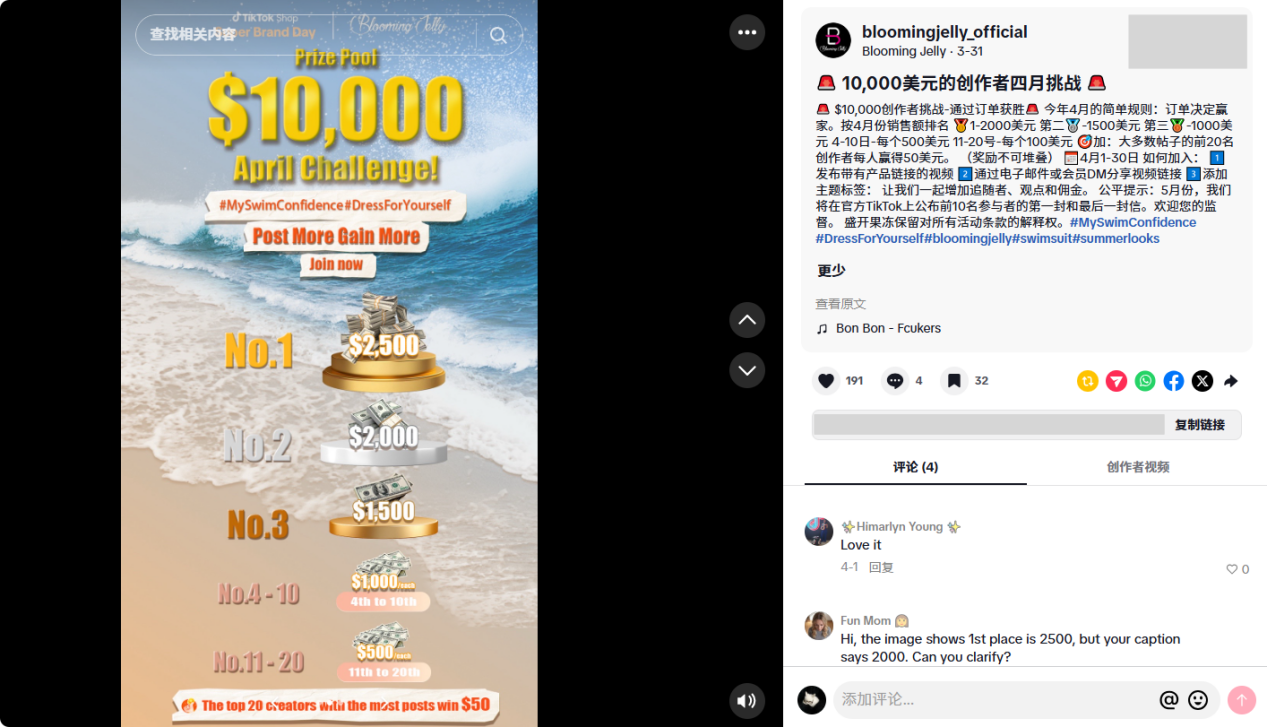
ตัวอย่างเช่น ในช่วงที่เพิ่งผ่านมา4月 แบรนด์ได้เปิดตัวแคมเปญส่งเสริมการขาย为期หนึ่งเดือน ให้達人ทุกคน参与ในการแข่งขัน
แหล่งที่มาของภาพ:TikTok
มีรางวัลก็มีแรงบันดาลใจ ความคิดสร้างสรรค์ของ達人点燃อย่างเต็มที่ วิดีโอ试穿จริง数量มากและหลากหลายรูปร่าง涌现集中 ดึงดูดความสนใจและการตามกระแสของผู้ใช้ทั่วไป
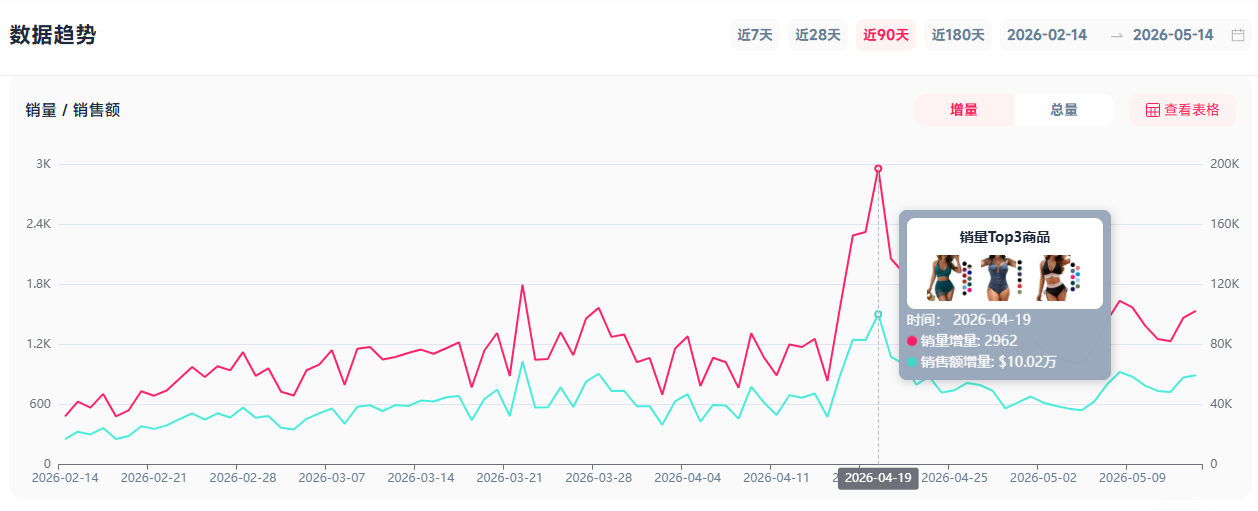
流量และการแปลง随之而起 ดังรูปด้านล่าง เข้าสู่หลัง4月แบรนด์ยอดขายเริ่มเพิ่มขึ้น直线上升 จนถึงกลาง4月迎来集中爆发 วันที่19เมษายนยอดขายต่อวันยิ่งไปกว่านั้นทะลุหนึ่งแสนดอลลาร์สหรัฐในครั้งเดียว
กิจกรรมนี้ไม่เพียงแต่提升ระดับยอดขายในช่วงต้นฤดูท่องเที่ยว แต่ยังทำให้แบรนด์在หัวข้อ热度ในTikTok持续升温 เพื่อ储备人群资产ที่เพียงพอสำหรับหน้าต่างขายหลักในช่วง5-7月ถัดไป
แหล่งที่มาของภาพ:fastmoss
一点ความคิด延伸
กรณีของBlooming Jelly ทำให้เราเห็นว่าตลาดต่างประเทศในวันนี้กำลังรอคอยบริษัทจีนที่มีพลังผลิตภัณฑ์และพลังแบรนด์มากขึ้นเข้าไป สนามชุดว่ายน้ำจาก208พันล้านดอลลาร์ถึง300กว่าพันล้านดอลลาร์เป็นเพียงภาพ缩影 มองไปที่สินค้าประเภทเสื้อผ้า ของใช้ในบ้าน อิเล็กทรอนิกส์ผู้บริโภค ฯลฯ พื้นที่เติบโตของตลาดโลกยังคง可观
回顾กระบวนการที่บริษัทจีนออกไปต่างประเทศในช่วงหลายปีที่ผ่านมา คล้ายกับ“换道超车”案例越来越多。过去大家总以为出海就是“把国内便宜的东西卖到国外去”,但现在的故事版本已经完全不一样了ตลาดต่างประเทศแน่นอนว่ามีการแข่งขันที่รุนแรง แต่ยิ่งการแข่งขันรุนแรงมากเท่าไร แบรนด์ที่เคารพผู้ใช้ เข้าใจผู้ใช้ และให้บริการผู้ใช้อย่างแท้จริงก็ยิ่งมีพื้นที่มากขึ้น
สำหรับธุรกิจที่ต้องการจะก้าวไปต่างประเทศ แทนที่จะลังเลอยู่กับที่ ควรก้าวแรกออกไป— แม้จะเป็นการลองผิดลองถูก ก็มีค่ามากกว่าการพลาดโอกาส