 1961
1961في جنوب شرق آسيا، وخاصة في إندونيسيا، هناك متطلبات عالية جدًا لنظافة الفم، وقد هيمنت على سوق غسول الفم منذ فترة طويلة علامات تجارية دولية عريقة وأخرى محلية موثوقة.
بالنسبة للعلامات التجارية الجديدة، فإن الحصول على حصة في مثل هذه البيئة السوقية يعد أمرًا صعبًا للغاية.
ولكن في ظل هذه الظروف السوقية، تمكنت علامة تجارية صينية - Metoo لغسول الفم - من الصعود بسرعة مذهلة بفضل استراتيجياتها وإجراءاتها الفريدة، لتصبح المفضلة الجديدة في السوق.
كيف تمكنت هذه العلامة التجارية من تحقيق ذلك؟ وكيف برزت في سوق جنوب شرق آسيا في وقت قصير؟
اليوم، Tuke ستأخذكم لاكتشاف ذلك.
صعود Metoo
تأسست Metoo في عام 2021، وهي علامة تجارية مبتكرة متخصصة في العناية بالفم.
المؤسس وو شاولونغ، لديه خبرة واسعة في التجارة الإلكترونية الصينية، ورأى إمكانات وسائل التواصل الاجتماعي في التوسع إلى جنوب شرق آسيا بينما كان الآخرون لا يزالون يترقبون.
واختيار إندونيسيا كأول سوق مستهدف يعود إلى أن التجارة الإلكترونية ووسائل التواصل الاجتماعي فيها تشهدان تطورًا سريعًا. وفي الوقت نفسه، باعتبارها الدولة التي تضم أكبر عدد من السكان المسلمين في العالم، فإن الحاجة إلى نظافة الفم في إندونيسيا مدفوعة بعادات دينية عميقة، وأصبح غسول الفم منتجًا أساسيًا للعناية الشخصية في الحياة اليومية للسكان المحليين.
لذا، حتى لو كان هذا السوق يهيمن عليه منذ فترة طويلة علامات تجارية دولية تقليدية ومحلية عريقة، مع هيكل تنافسي شبه جامد، فإن Metoo ترى أنه لا يزال هناك فرص زرقاء في هذا المحيط الأحمر، مع احتياجات غير ملباة.
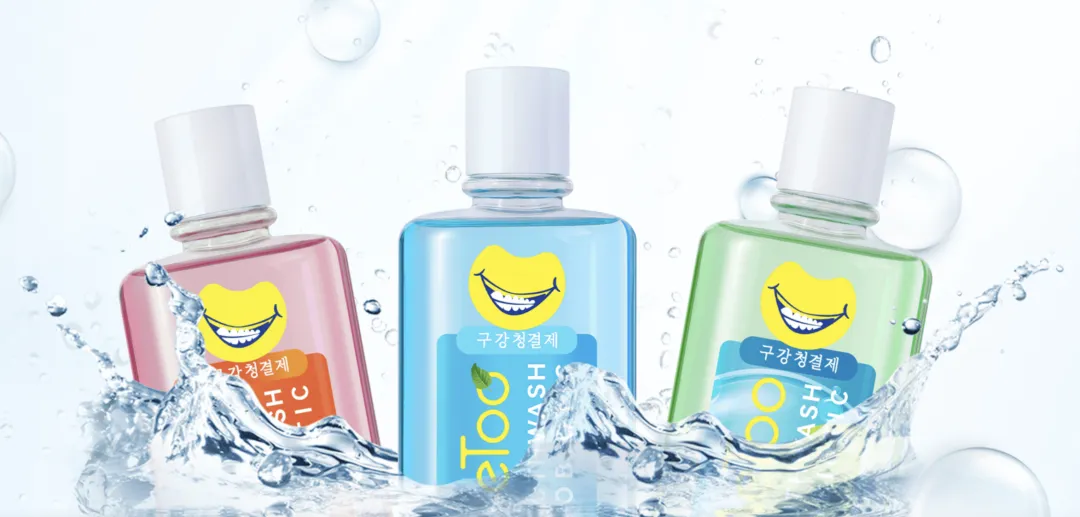
في مارس 2022، تم إطلاق غسول الفم Metoo على TikTok في إندونيسيا.وبعد ثلاثة أشهر فقط، تجاوزت المبيعات مليوني زجاجة.
ثم في غضون 3 سنوات فقط من التأسيس، وبفضل موقعها الفريد واستراتيجياتها، حققت Metooمبيعات سنوية تجاوزت 100 مليون يوان في إندونيسيا، واحتلت صدارة مبيعات غسول الفم عبر الإنترنت.
كيف تحقق هذا التطور السريع؟
من 0 إلى 2 مليون
سبب اختيار Metoo لغسول الفم لدخول السوق عبر TikTok هو أيضًا أن العلامات التجارية التقليدية لغسول الفم في السوق الإندونيسي لم يكن لها أي صوت تقريبًا على المنصات الناشئة مثل TikTok، مما وفر فرصة ممتازة لـ Metoo لدخول السوق الإندونيسي في المرحلة المبكرة.
ولهذا، اعتمدت استراتيجيتين أساسيتين:
1. استخدام خصائص منصة الفيديو القصيرة لإنشاء محتوى ممتع وسهل الانتشار.
2. اختيار اللحظات الثقافية المهمة مثل شهر رمضان لتنظيم تحديات وفعاليات خاصة.
هذه الاستراتيجيات هي التي جعلت مبيعات غسول الفم Metoo على TikTok Shop تحقق نموًا هائلًا، وسرعان ما أصبحت منتجًا شائعًا على TikTok في إندونيسيا.
علاوة على ذلك، لا تقتصر استراتيجية المحتوى لـ Metoo على عرض المنتجات البسيط. بل أنتجت أيضًا سلسلة من مقاطع الفيديو التعليمية، مثل تعليم الطريقة الصحيحة للمضمضة، وكيفية تحسين صحة الفم في الحياة اليومية. هذا المحتوى لم يحصل فقط على مشاهدات ومشاركات واسعة على TikTok حتى اليوم، بل ساهم أيضًا في بناء قاعدة جماهيرية مخلصة تبلغ 1.1262 مليون متابع للعلامة التجارية.
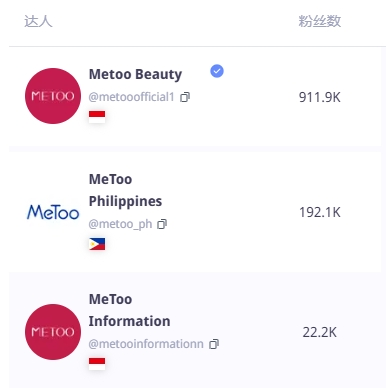
المصدر: EchoTik
الجهود المتكاملة عبر الإنترنت وغير المتصل
لم تكتف Metoo بالنجاح عبر الإنترنت، بل بدأت على الفور في التوسع النشط في القنوات غير المتصلة.
بعد النجاح الأولي على TikTok، تحولت العلامة التجارية بسرعة إلى توسيع القنوات غير المتصلة. تعاونت Metoo مع سلسلتي المتاجر الصغيرة الرائدتين في إندونيسيا Alfamart وIndomaret، لتحقيق تكامل سلس بين الإنترنت وغير المتصل.
في القنوات غير المتصلة، لم تكتف Metoo بوضع المنتجات على الرفوف، بل عززت أيضًا رؤية العلامة التجارية ورغبة المستهلكين في الشراء من خلال الأكشاك والعروض الترويجية والإعلانات غير المتصلة.
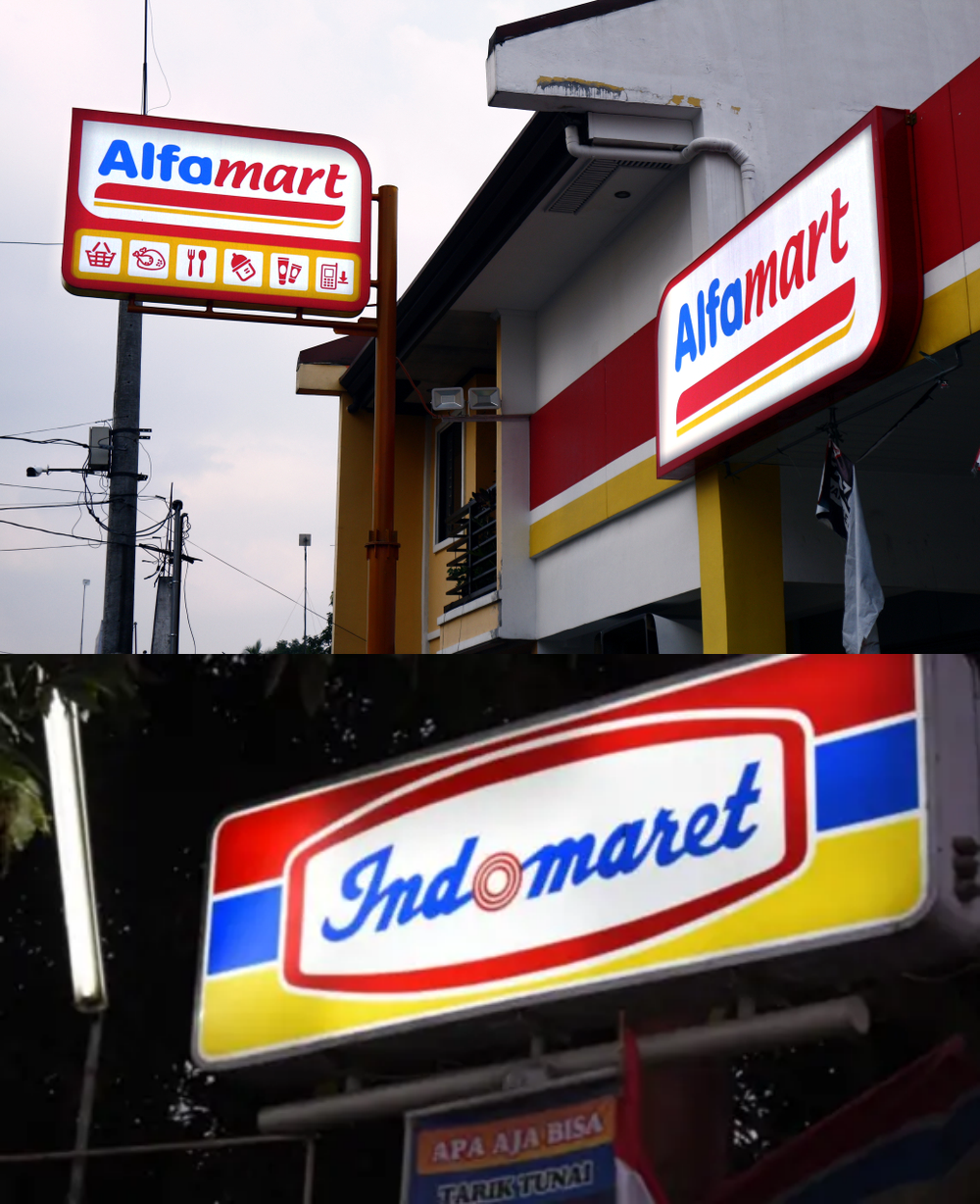
المصدر: Google
التوطين لتعميق السوق الإندونيسي
في تصميم المنتجات والتسويق، أخذت Metoo في الاعتبار الاحتياجات المحلية للسوق الإندونيسي.
في جانب تصميم المنتجات، أطلقت منتجات غسول فم خالية من الكحول لتتناسب مع المعتقدات الدينية الإسلامية، وقدمت نكهات متنوعة تلبي تفضيلات الأذواق المحلية.
في الاستراتيجيات التسويقية، ربطت Metoo بشكل وثيق الخصائص الثقافية الإندونيسية وعادات المستهلكين، مما خلق صورة علامة تجارية متكاملة مع الثقافة المحلية.
قصة نجاح Metoo تقدم مثالًا قويًا للشركات الصينية التي تتوسع في سوق جنوب شرق آسيا.
في موجة العولمة، لا يكمن مفتاح النجاح فقط في ابتكار المنتجات ومرونة الشركات، بل أيضًا في الفهم الثاقب والتكيف مع بيئات السوق الجديدة. هذا هو الموضوع الذي يجب على كل علامة تجارية صينية تسعى للتوسع في الأسواق العالمية أن تتعمق في التفكير فيه وتتعلم منه.