 2194
2194في العصر الرقمي، أصبح توسع الشركات عالميًا هو الوضع الطبيعي الجديد للاستراتيجيات العالمية. تقنيات الواقع الافتراضي (VR) والواقع المعزز (AR)، كجسر يربط بين العالم الافتراضي والواقعي، تعيد تشكيل طريقة التفاعل بين العلامات التجارية والمستهلكين.
ما هي تقنيات VR/AR؟
تقنية VR تخلق بيئة افتراضية بالكامل، مما يسمح للمستخدمين بالانغماس فيها وتجربة عالم افتراضي مختلف عن الواقع. بينما تقنية AR تضيف معلومات افتراضية إلى العالم الحقيقي، مما يعزز إدراك المستخدم للواقع وتفاعله معه.

تطبيقات تقنيات VR/AR على TikTok
TikTok، كمنصة فيديوهات قصيرة، تتكون جمهورها بشكل أساسي من الشباب، الذين لديهم قبول عالٍ للأشياء الجديدة وحاجة طبيعية للتجارب التفاعلية.
تتجلى تطبيقات تقنيات VR/AR على TikTok في الجوانب التالية:
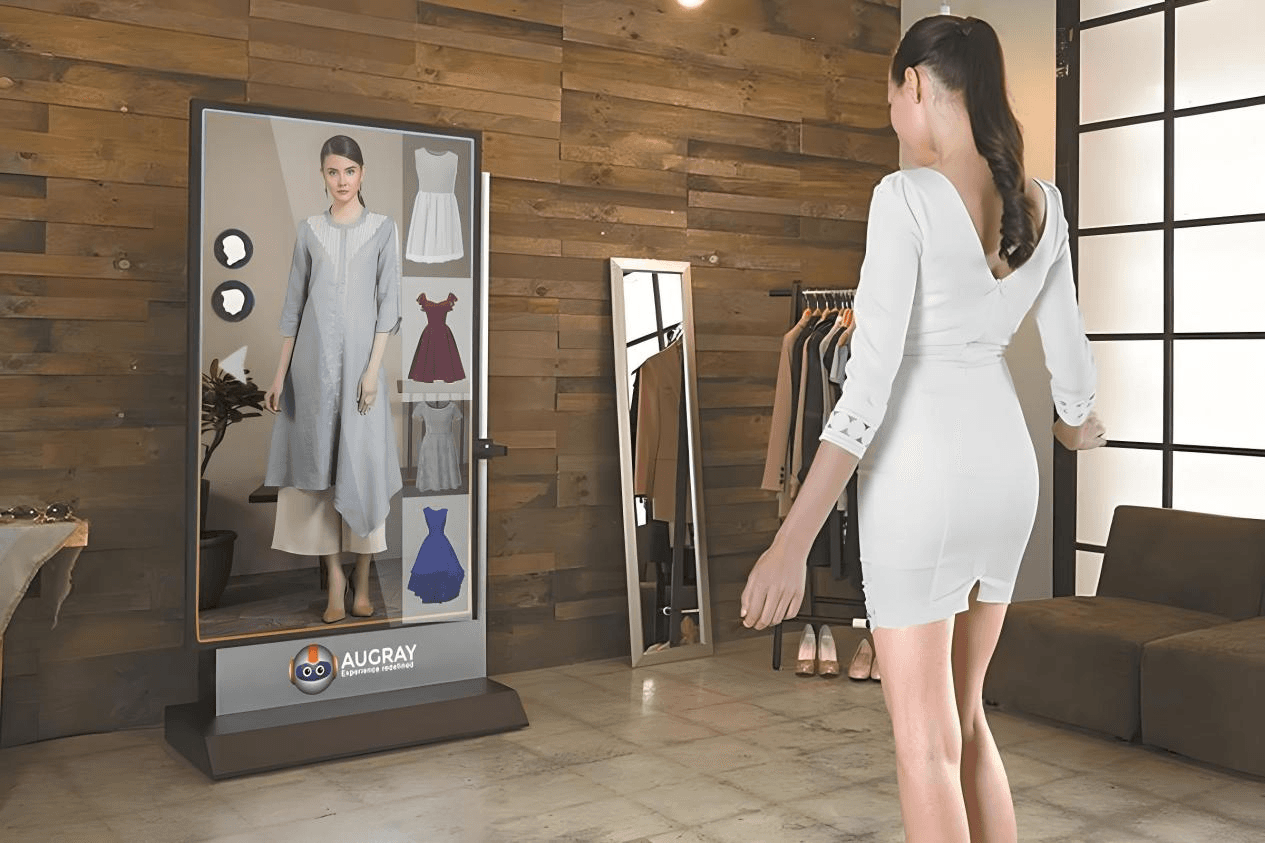
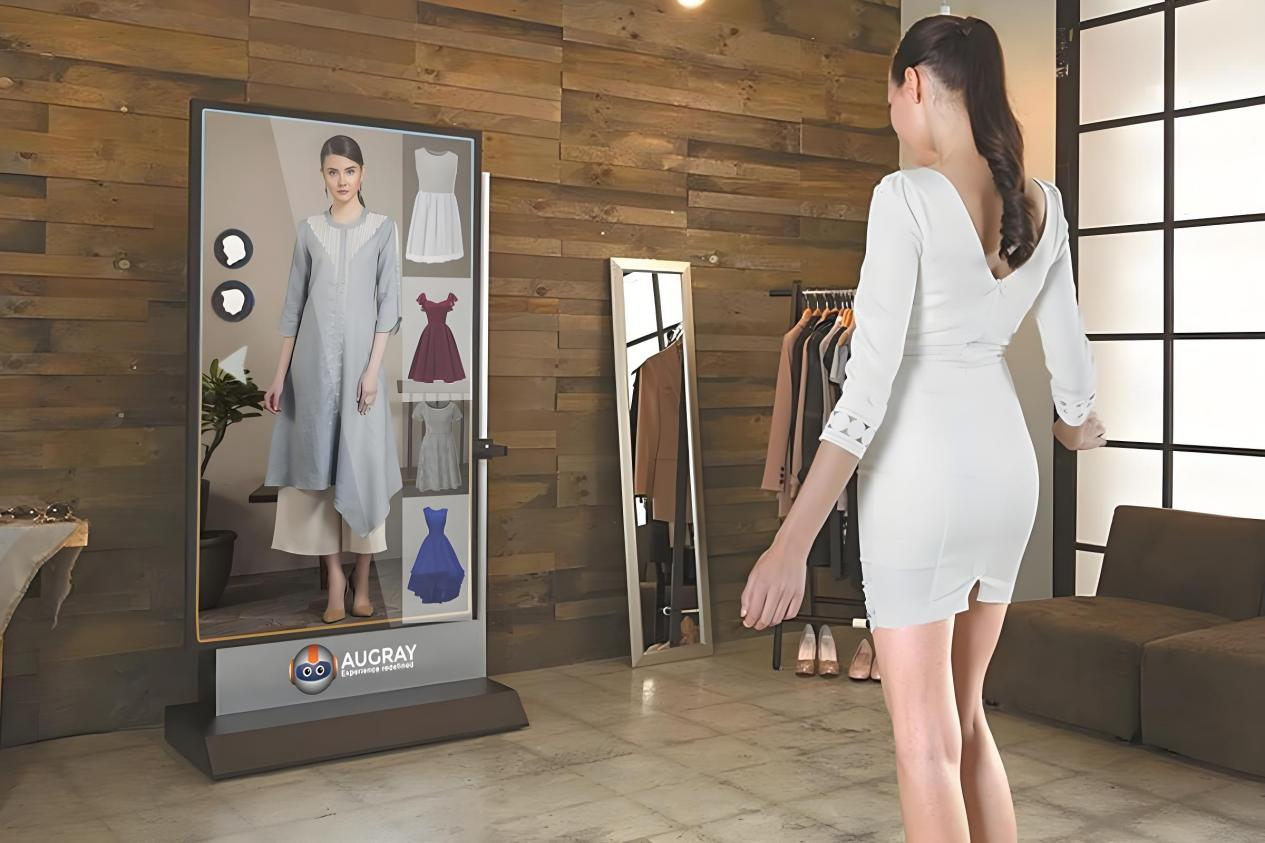
تعزيز التفاعل: من خلال مرشحات AR، يمكن للمستخدمين التفاعل مع محتوى العلامات التجارية، مثل تجربة الملابس أو الإكسسوارات.
تجربة غامرة: تقنية VR تتيح للمستخدمين تجربة المنتجات في بيئة افتراضية، مما يزيد من الرغبة في الشراء.
إنتاج محتوى إبداعي: يمكن للعلامات التجارية استخدام تقنيات VR/AR لإنشاء محتوى فريد يجذب انتباه المستخدمين ويشجع على المشاركة.
ما هي مزايا تقنيات VR/AR؟
توفر تقنيات VR/AR تجارب غامرة وتفاعلية تجذب المستخدمين، وتزيد من تفاعل العلامة التجارية، كما تتيح للمستخدمين معاينة المنتجات قبل الشراء، مما يعزز الرغبة في الشراء ويدفع المبيعات.
فيما يلي، يقدم لكم Tuke بعض الأمثلة التسويقية التي تستخدم تقنيات VR/AR بذكاء. من خلال هذه الأمثلة، يمكننا فهم أعمق للإمكانات الهائلة التي تحملها تقنيات VR/AR كأداة تسويقية مبتكرة.
كيف تستخدم العلامات التجارية تقنيات VR/AR في التسويق؟
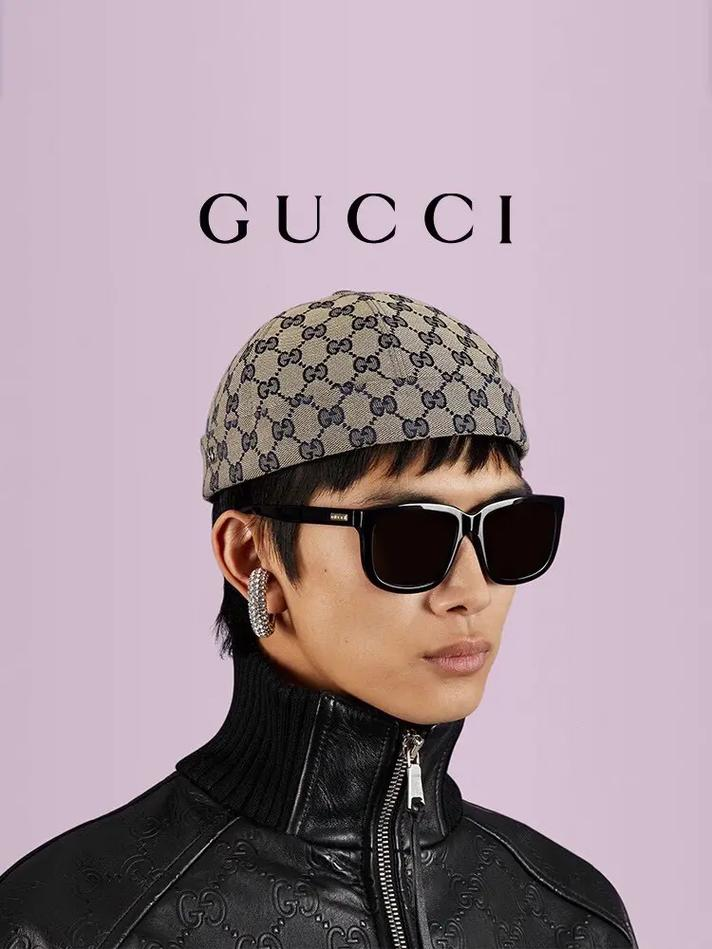
1. تجربة ارتداء النظارات عبر مرشح AR من Gucci
أطلقت العلامة التجارية الفاخرة Gucci مرشح AR على TikTok، يمكن للمستخدمين من خلاله تجربة أحدث نظاراتها الشمسية ومعاينة مظهر المنتج. هذه الطريقة التسويقية المبتكرة عززت بشكل فعال صورة العلامة التجارية وجاذبية المنتج.
2. مرشحات AR من Grace Choi تُحدث ثورة في تعليم المكياج
ابتكرت خبيرة التجميل Grace Choi عدة مرشحات AR لتعليم المكياج عبر منصة AR المفتوحة Effect House من TikTok، مثل مرشحات "Eyebrow (الحواجب)" و"Contour (تحديد الوجه)". من خلال إسقاط خطوط توضيحية دقيقة على الوجه، توجه هذه المرشحات المستخدمين إلى مناطق محددة لوضع المكياج، ويمكن للمستخدمين ببساطة اتباع هذه الخطوط لإكمال إطلالتهم بسهولة.
هذه المرشحات المبتكرة لتعليم المكياج عبر AR، من خلال انتشارها على منصة TikTok، جذبت انتباه واستخدام عدد كبير من المستخدمين، مما ساعدهم على إكمال مكياج الحواجب وتحديد الوجه بكفاءة أكبر، كما وفرت طريقة تسويقية جديدة للعلامات التجارية لمستحضرات التجميل.
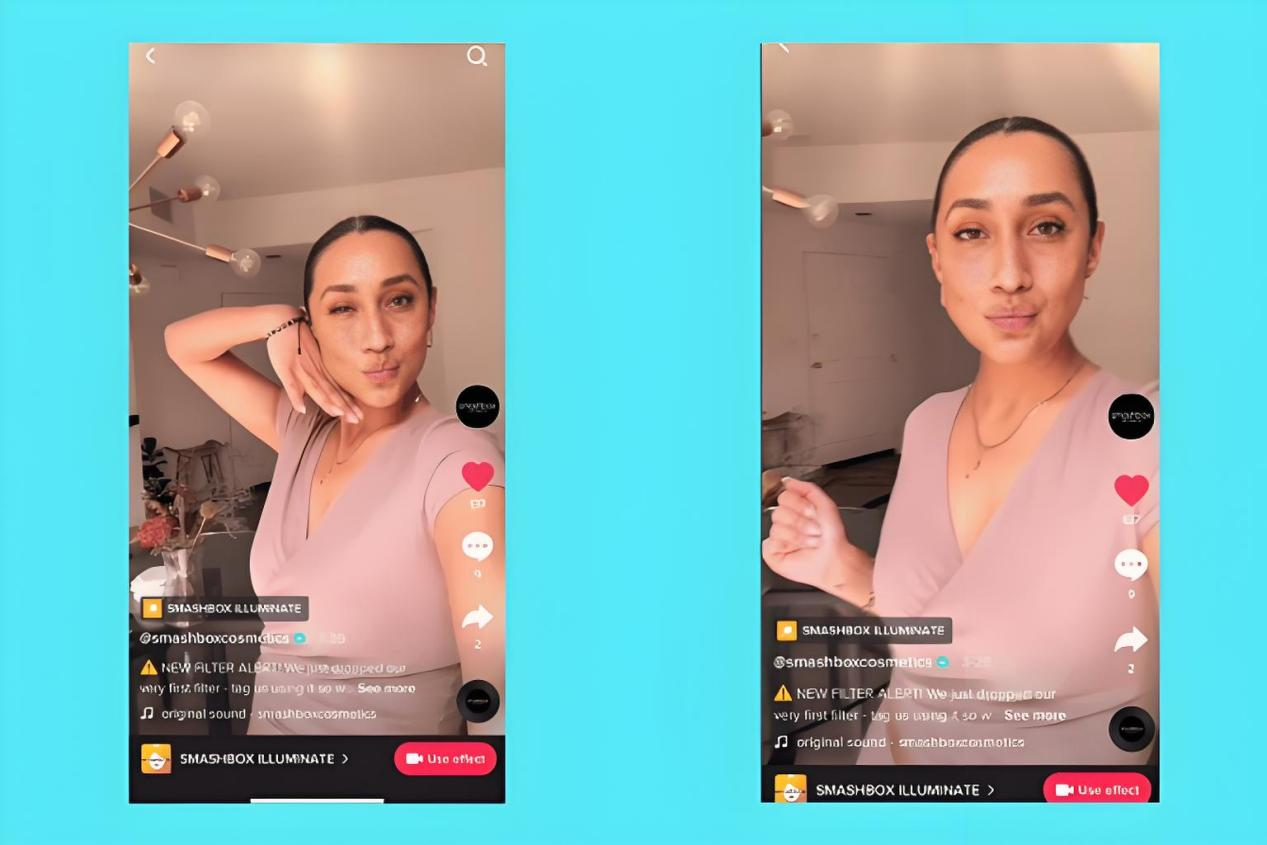
3. إعلانات AR المؤثرة من Smashbox
تعاونت علامة Smashbox، التابعة لمجموعة Estée Lauder، مع TikTok باستخدام تقنية Camera IQ المتقدمة لإنشاء سلسلة من إعلانات AR المبتكرة.
هذا التعاون لم يفتح فقط قناة تفاعل جديدة لـ Smashbox، بل أثرى أيضًا تجربة المستخدم بشكل كبير. من خلال محتوى AR المصمم بعناية، نجحت Smashbox في جذب عدد كبير من العملاء المحتملين، ورفعت مستوى مشاركة المستخدمين، ووسعت نطاق تأثير العلامة التجارية.
خاتمة
مما سبق، نرى بوضوح أنه مع التطور المستمر لتقنيات VR/AR، أصبح الاتجاه الجديد لتسويق توسع الشركات عالميًا أكثر وضوحًا.
في المستقبل، نتطلع إلى رؤية المزيد من العلامات التجارية تستخدم تقنيات VR/AR لتحسين فعالية تسويقها على TikTok.