 2018
2018ربما لم تسمع عن PopSockets، لكنك بالتأكيد صادفت على وسائل التواصل الاجتماعي حامل الهاتف القابل للتمدد "بوب سوكيتس" الذي يستخدمه النجمة هوليوود إيما روبرتس لالتقاط صور السيلفي، ونجمة التنس سيرينا ويليامز لمشاهدة المسلسلات، وحتى نائب الرئيس الأمريكي السابق بايدن أصبح من مستخدميه المخلصين!
هذه "القرص الصغير" الذي صُمم أصلاً لحل مشكلة تشابك أسلاك السماعات، باع أكثر من 250 مليون قطعة، وغطى 75 دولة حول العالم، وبلغت إيراداته السنوية ذات مرة أكثر من 200 مليون دولار، وصنفته مجلة The Verge في المرتبة 24 ضمن "أروع المنتجات التقنية في العقد الماضي"، متجاوزاً مجفف شعر دايسون ونظارات جوجل.
ما سر جاذبية هذا "القرص الصغير" الكبيرة؟
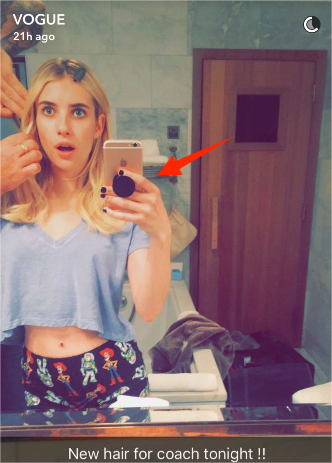
إيما روبرتس تلتقط صورة سيلفي باستخدام حامل PopSockets المصدر: Facebook
من "فكرة فلسفية" إلى منتج عالمي رائج
تعود القصة إلى عام 2010. حينها، أصيب أستاذ الفلسفة الأمريكي David Barnett بالجنون بسبب تشابك أسلاك السماعات، فاستخدم الغراء للصق زرين على ظهر هاتفه لتثبيت السلك ومنع تعقده، لكنه لم يتوقع أن يصبح هذا بالصدفة النواة الأولى لحامل الهاتف PopSockets.
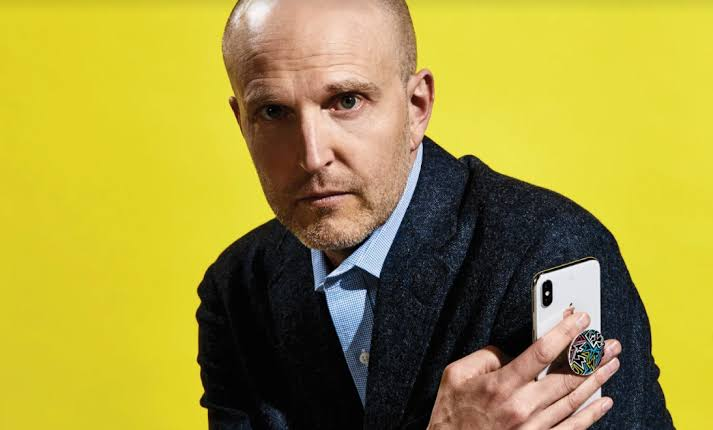
David Barnett المصدر: Facebook
في عام 2012، أطلق Barnett حملة تمويل جماعي على Kickstarter لغطاء هاتف مزود بحامل مدمج، لكن تأخير المصنع أدى إلى استرداد الأموال. ولم تتوقف المصائب عند هذا الحد، فخلال هذه الفترة، دمر حريق كبير منزله، وأصبح بين ليلة وضحاها بلا شيء.
رغم ذلك، استخدم Barnett أموال التأمين والتبرعات لمواصلة التطوير، وأخيراً في عام 2014 أسس العلامة التجارية رسمياً، وباع في عامه الأول 30 ألف منتج.
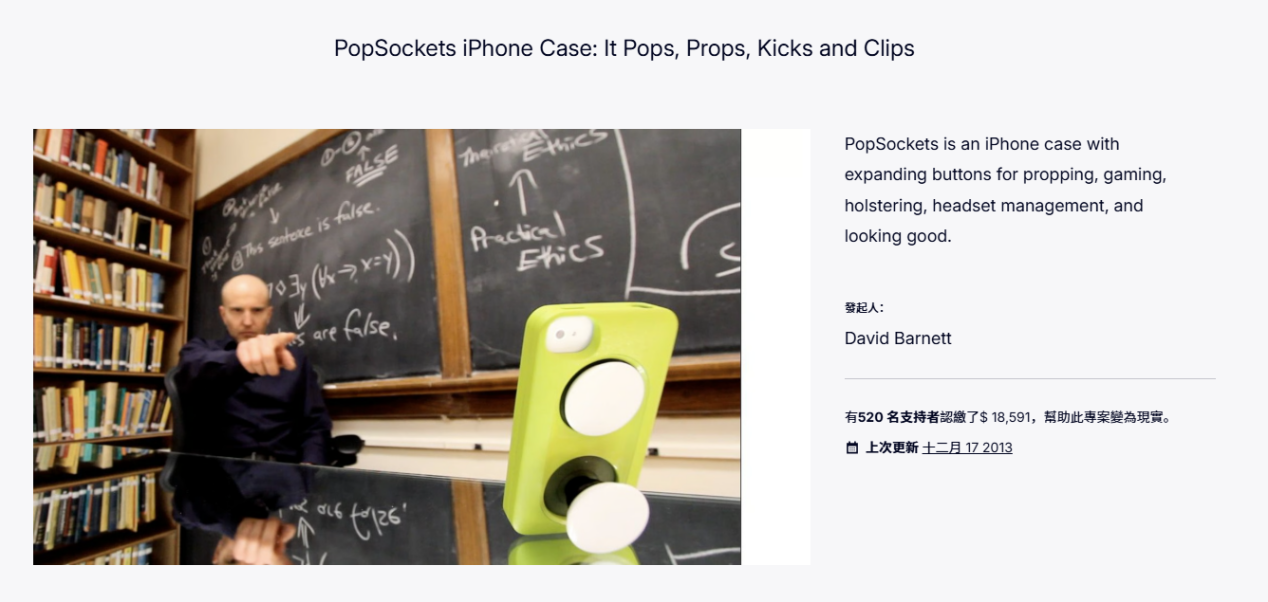
المصدر: Kickstarter
بعد عام من الإطلاق، أبرمت علامة PopSockets شراكة بيع بالتجزئة مع T-Mobile، ودخلت السوق الرئيسي رسمياً. بعد ذلك، دخلت العلامة التجارية مرحلة نمو سريع، وارتفعت مبيعاتها في عام 2018 إلى 35 مليون قطعة، وتجاوزت الإيرادات السنوية 169 مليون دولار.
في عام 2023، أطلقت علامة PopSockets أداة تخصيص بالذكاء الاصطناعي، حيث يمكن للمستخدمين إدخال نص أو تحميل صورة لتوليد تصميم حصري وطباعته على غطاء الهاتف في غضون 60 ثانية، مما جعلهم أول علامة تجارية للإكسسوارات تقدم تجربة تخصيص مباشرة بالذكاء الاصطناعي للمستهلكين.
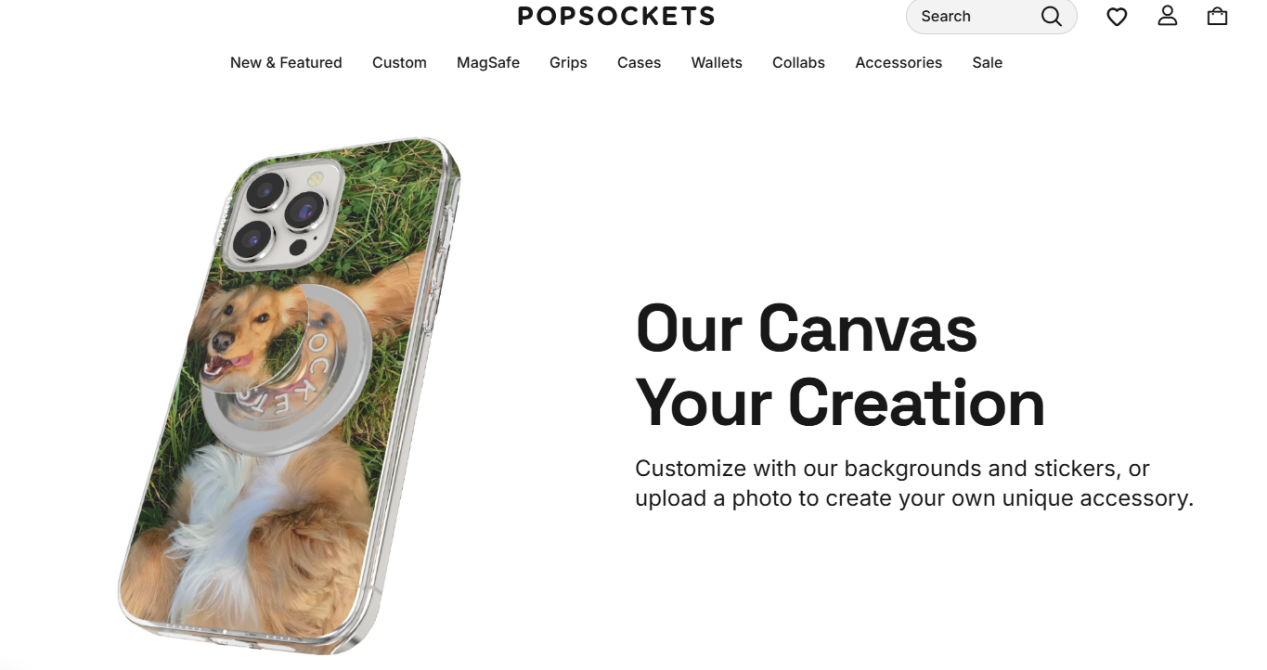
المصدر: PopSockets
سوق إكسسوارات 3C: "المحرك الخفي" وراء مسار تريليوني
صعود علامة PopSockets لم يكن مصادفة، بل يمكن القول إنه نتيجة حتمية لتطور التكنولوجيا الرقمية.
وفقاً لمنصة طرف ثالث، تجاوز سوق إكسسوارات 3C الرقمية العالمية 19.542 مليار دولار في عام 2023، ومن المتوقع أن تصل مبيعاته إلى 38.082 مليار دولار بحلول عام 2031. وراء هذا الحجم الهائل من السوق، يكمن تغير عميق في احتياجات المستهلكين، الذين لم يعودوا يكتفون بالوظائف الأساسية "لحماية الهاتف"، بل يسعون للتعبير عن شخصيتهم وتكييف المنتج مع سيناريوهات الاستخدام.
وصعود علامة PopSockets هو تجسيد لهذا الاتجاه. في سوق إكسسوارات 3C شديد التنافسية، ولّى زمن المنافسة على المواصفات وحدها، وأصبحت القيمة العاطفية والرموز الثقافية هي مفتاح الاختراق.
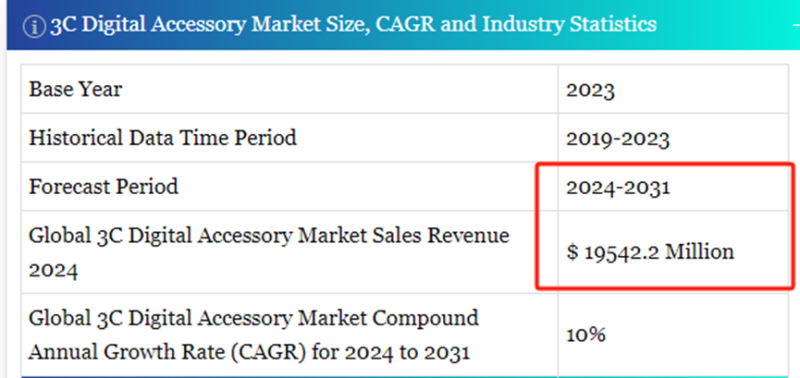
المصدر: Cognitive Market Research
بناء شبكة متعددة المنصات على وسائل التواصل الاجتماعي
مع الازدهار الكبير لمنصات التجارة الإلكترونية في السنوات الأخيرة، يميل المستهلكون بشكل متزايد لشراء إكسسوارات 3C عبر الإنترنت، وأصبح الترويج عبر وسائل التواصل الاجتماعي وجذب الزوار هو العنصر الأهم في عملية البيع عبر الإنترنت للعلامات التجارية.
تعتمد علامة PopSockets بشكل أساسي على منصات مثل TikTok وInstagram لتخطيط تدفق الزوار.
1. TikTok: الإبداع المشترك مع المستخدمين لجذب الجيل Z
على TikTok، يميل مستهلكو الجيل Z إلى المشاركة والتفاعل بدلاً من تلقي الإعلانات بشكل سلبي. لذلك، تتبنى علامة PopSockets استراتيجية أساسية تركز على "الإبداع المشترك مع المستخدمين + التسويق السياقي"، مما يمكنها من بناء اتصال عميق مع المستخدمين من خلال المحتوى، وليس مجرد ترويج أحادي الاتجاه للمنتج.
بناءً على هذه الاستراتيجية، أنشأت علامة PopSockets شبكة من 4 حسابات على TikTok لتشكيل شبكة نشر محتوى متعددة المستويات، حيث تجاوز عدد متابعي الحساب الرئيسي @popsockets 283.6 ألف، وبلغ إجمالي مرات المشاهدة حوالي 214.2 مليون مرة.
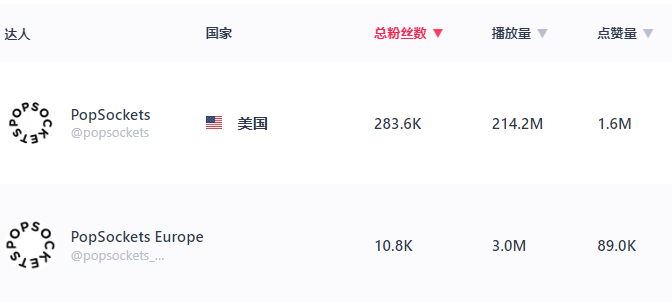
معلومات بعض حسابات العلامة التجارية المصدر: Chao Dian You Shu
لتعزيز شعور المستخدمين بالمشاركة، تشجع علامة PopSockets مستخدمي TikTok على نشر فيديوهات تظهر استخدامات إبداعية للمنتج. مما يتيح لمزيد من المستخدمين رؤية تعدد استخدامات المنتج وارتباطه الوثيق بسيناريوهات الحياة اليومية.
حالياً، تجاوزت فيديوهات المستخدمين تحت الوسم #popsockets على TikTok 23.9 ألف فيديو، وحققت حوالي 25 مليون مشاهدة.
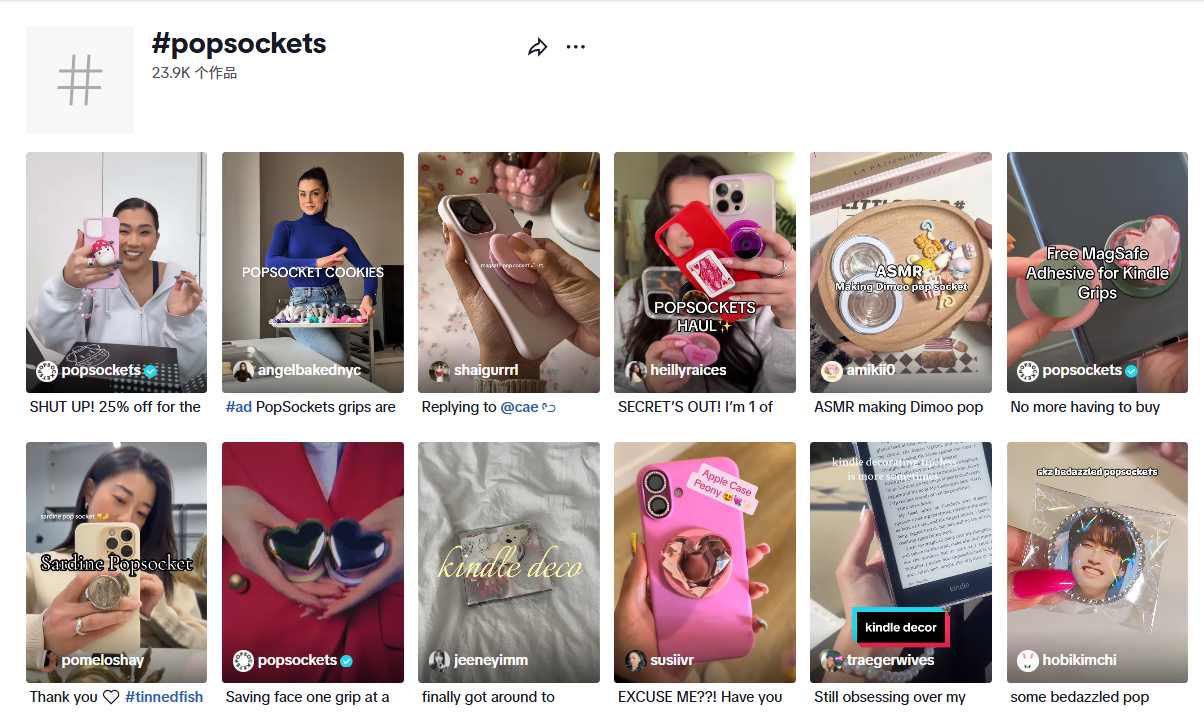
المصدر: TikTok
في الوقت نفسه، تتعاون علامة PopSockets بشكل عميق مع مؤثري الموضة والتكنولوجيا (KOL)، من خلال محتوى مثل فيديوهات فتح العلبة والعروض السياقية، لعرض الاستخدامات المتنوعة للمنتج بشكل مرئي.
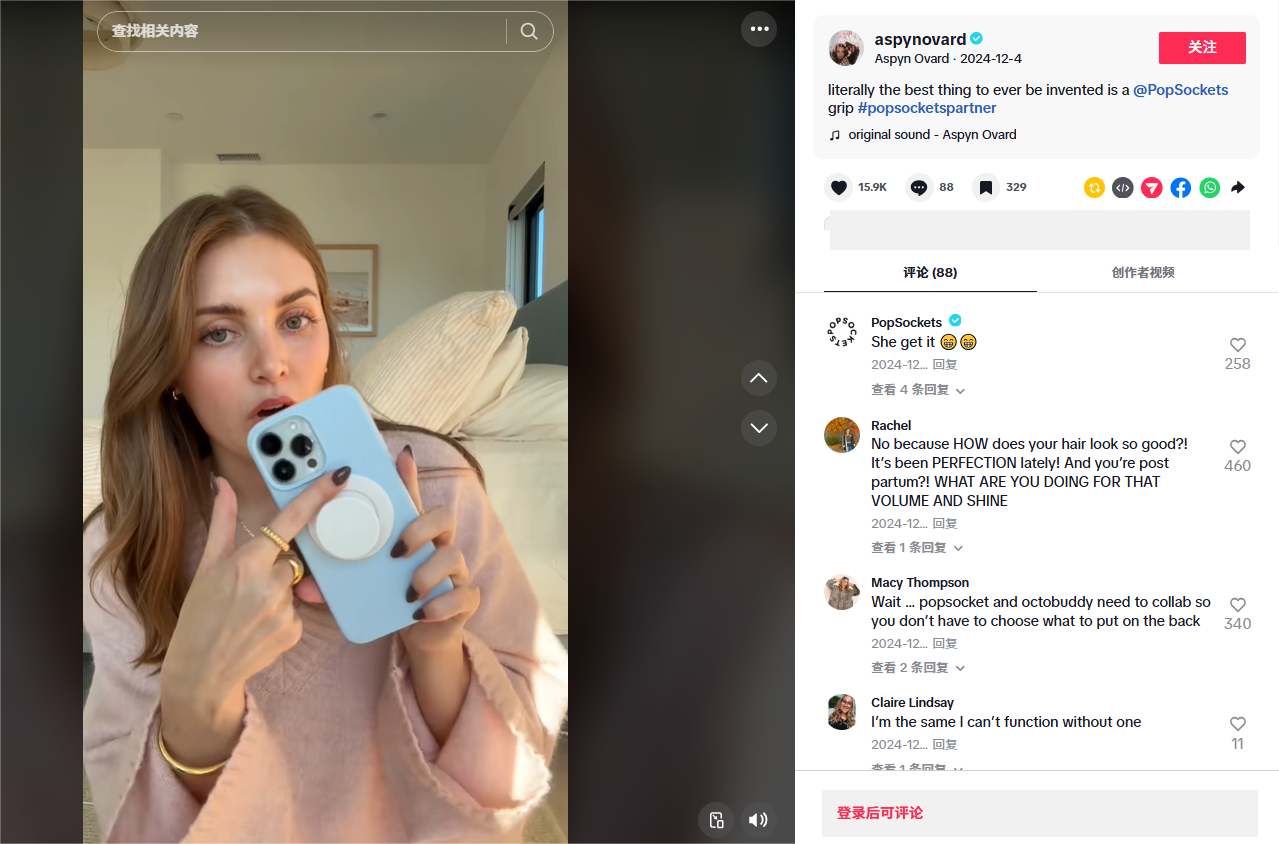
على سبيل المثال، فيديو فتح علبة حامل PopSockets الذي نشره مؤثر TikTok @aspynovard (1.1 مليون متابع)، جذب 638.3 ألف مشاهدة بفضل الشرح المباشر والنبرة المبالغ فيها.
هذا التعاون مع المؤثرين لا يضخم صوت العلامة التجارية فحسب، بل يقلل أيضاً من حاجز اتخاذ القرار لدى المستخدمين من خلال عرض سيناريوهات حقيقية.
المصدر: TikTok
2. Instagram: "قصف بصري" عالي الجمالية
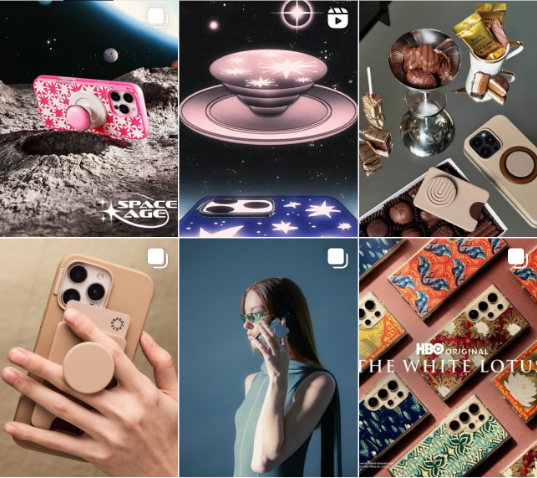
على Instagram، تتبنى علامة PopSockets استراتيجية مختلفة، حيث تعزز صورة العلامة التجارية من خلال محتوى بصري عالي الجمالية، مما يوسع نفوذها.
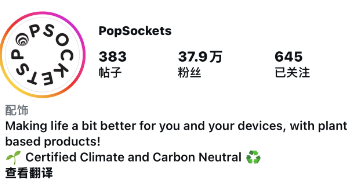
حالياً، حصل حساب العلامة التجارية @popsockets على أكثر من 379 ألف متابع، حيث يعرضون من خلال الصور والفيديوهات القصيرة المصممة بعناية طرق استخدام المنتج في سيناريوهات مختلفة، مثل تنسيقه مع الأزياء العصرية، أو دمجه في البيئة المنزلية، أو حتى استخدامه كإكسسوار للسفر.
المصدر: Instagram
نجح هذا النمط من المحتوى في ترقية المنتج من إكسسوار وظيفي إلى قطعة أزياء عصرية، مما جذب العديد من المستهلكين الذين يهتمون بجودة الحياة والتعبير الجمالي.
المصدر: Instagram
الموقع المستقل: سر "الربح السهل" من تحسين محركات البحث والزوار الطبيعيين
إذا كان تراكم الزوار على منصات التواصل الاجتماعي هو الخطوة الأولى للتسويق، فإن الموقع المستقل هو الساحة الأساسية لتحويل هؤلاء الزوار إلى مبيعات.
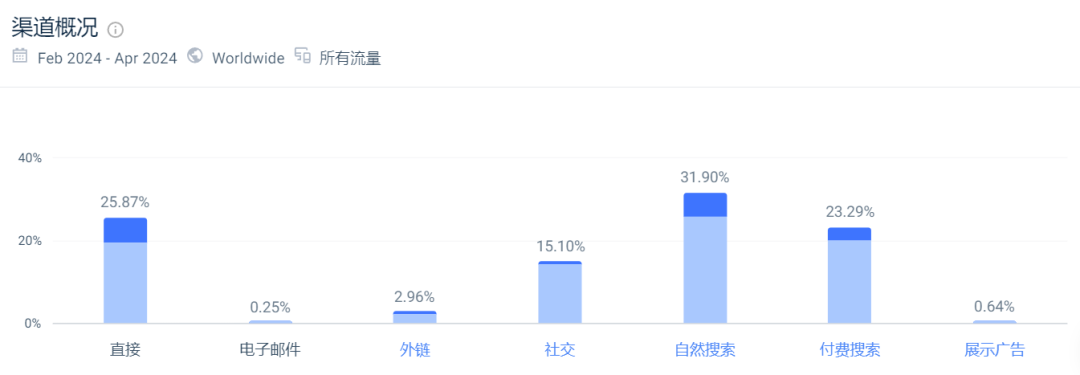
استثمرت علامة PopSockets الكثير في تحسين محركات البحث (SEO). وفقاً لبيانات منصة طرف ثالث، بلغ زوار الموقع المستقل لعلامة PopSockets بين مايو وأغسطس 2024 حوالي 1.89 مليون، بمتوسط زوار شهري يصل إلى 930 ألف، حيث جاء 31.9% من البحث الطبيعي، وبلغت حصة وسائل التواصل الاجتماعي 15.1%.
المصدر: الإنترنت
هذا النموذج "جذب الزوار من وسائل التواصل + التحويل على الموقع المستقل" لم يساعد علامة PopSockets فقط على الاستخدام الفعال للزوار، بل أيضاً على ترسيخ قاعدة المستخدمين الأساسية للعلامة التجارية من خلال الموقع المستقل.
خاتمة
بالنظر إلى مسيرة تطور علامة PopSockets، يمكن ملاحظة أن طريق التوسع الخارجي لم يكن أبداً مجرد "توزيع بضائع" لتحقيق النجاح. حالياً، تغيرت قواعد المنافسة في الأسواق الخارجية، فالمستخدمون لا يشترون منتجاً، بل يشترون إجابة السؤال "من أنا".
سواء من خلال الترويج على TikTok، أو الترسيخ على الموقع المستقل، أو استخدام الذكاء الاصطناعي لتمكين التخصيص، فإن الجوهر هو جعل المنتج أداة للتعبير عن الذات للمستخدمين، وخلق قيمة لهم.
وهناك الكثير والكثير من المنتجات المماثلة في بلدنا...
كما قال مؤسس ShaoshuPai، "صنع في الصين" في تراجع، وعصر "إبداع الصين" قادم.
(ملاحظة: المعلومات الواردة في هذا المقال مأخوذة من تقارير عامة وبيانات منصات مختلفة، والوضع الفعلي يعتمد على المعلومات الرسمية)