 2335
2335عندما تقوم الشركات بالتسويق عبر TikTok للأسواق الخارجية، يكون اختيار السوق المستهدف أمرًا بالغ الأهمية. وبينما لم تفتح بعض الدول بعد ميزة متجر TikTok الصغير، إلا أنها لا تزال تجذب اهتمام بعض الشركات، مثل اليابان. واليوم، ستقدم لكم Tuke بالتفصيل وضع سوق TikTok في اليابان وآفاق تطوره، لمساعدتكم على الاستفادة بشكل أفضل من TikTok في التسويق الخارجي.
△نظرة عامة على السوق الياباني
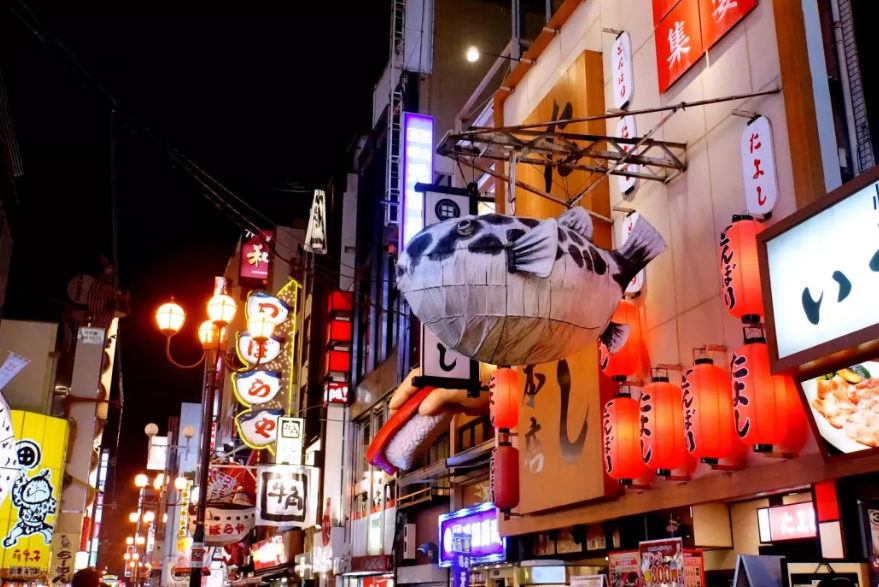
اليابان هي ثالث أكبر اقتصاد في العالم، حيث ظل إجمالي الناتج المحلي في طليعة العالم لما يقرب من 40 عامًا. كما أنها رابع أكبر سوق استهلاكي في العالم، حيث يمثل الاستهلاك الشخصي 60% من إجمالي الناتج المحلي، ويظل حجمه الإجمالي مستقرًا في السنوات الأخيرة.
تتمتع اليابان ببيئة اقتصادية ناضجة ومتطورة ومستقرة طويلة الأمد. وباعتبارها واحدة من القوى الاقتصادية القليلة في العالم، فإن أنظمة اليابان وبنيتها التحتية متطورة للغاية. توفر البيئة الاقتصادية الناضجة والمستقرة طويلة الأمد أرضًا خصبة لتطوير الأعمال. يعادل الاقتصاد المحلي في اليابان الناتج المحلي الإجمالي الوطني، وقد أنتج قوة اقتصادية عالية يمكنها تجاوز دول مثل سويسرا والسويد وتايلاند والبرازيل على مساحة أرضية محدودة. مع تكيف المجتمع تدريجيًا مع الوضع الطبيعي الجديد، يتعافى النشاط الاقتصادي في اليابان بثبات، مما يظهر اتجاهًا تنمويًا جيدًا.
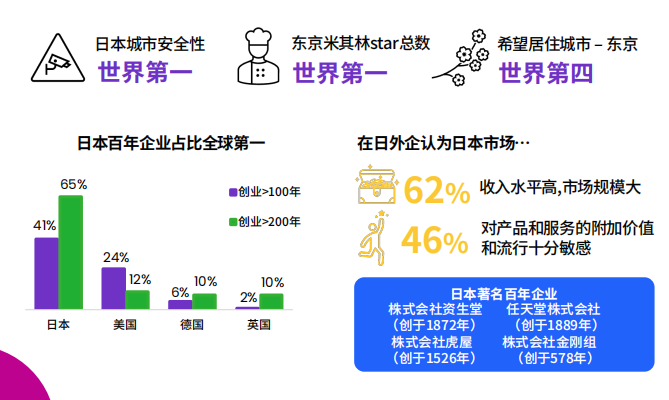
وفقًا لـ Tuke، في عام 2022، بلغت مبيعات التجزئة في اليابان حوالي 154.4 تريليون ين، مسجلة أعلى مستوى لها في 10 سنوات. تعتقد الشركات الأجنبية في اليابان أن السوق الياباني يتمتع بمستوى دخل مرتفع وحجم سوق كبير بنسبة 62%، و46% حساسة للقيمة المضافة والموضة للمنتجات والخدمات.
△الهواتف الذكية كأجهزة اتصال أساسية
معدل انتشار الإنترنت في اليابان مرتفع نسبيًا، ومعدل امتلاك الهواتف الذكية واستخدام الإنترنت عند مستويات عالية نسبيًا. الهاتف المحمول هو الوسيلة الرئيسية للاتصال بالإنترنت لجميع الفئات العمرية في اليابان. يصل معدل انتشار الإنترنت إلى 93%، ويغطي 174 مليون شخص، و88% يمتلكون هواتف ذكية، ويصل معدل استخدام الإنترنت بين الأشخاص من سن 13 إلى 60 عامًا والأسر التي يزيد دخلها السنوي عن 6 ملايين ين إلى أكثر من 90%. من بينهم، يقضي الأشخاص في العقدين العاشر والعشرين أطول وقت في استخدام الهواتف المحمولة للاتصال بالإنترنت.
أدت التغيرات الاقتصادية والتعليمية إلى تشكيل قيم واتجاهات استهلاكية مختلفة لثلاثة أجيال في اليابان.
جيل الفقاعة: المولودون بين 1965-1971، دخلوا المجتمع في ذروة ازدهار اقتصاد الفقاعة، واستمتعوا بمزايا العصر، وسعوا إلى ترقية الاستهلاك، وأحبوا العلامات التجارية الفاخرة والحياة الباذخة، وكانوا على استعداد للإنفاق على المظهر والحفاظ على الشباب. العلامات التجارية الممثلة: CHANEL/LV.
الجيل الثاني من الكتلة: المولودون بين 1971-1982، دخلوا المجتمع عندما انهار اقتصاد الفقاعة، واجهوا صعوبات في التوظيف، وفروق دخل كبيرة. حياتهم بسيطة ومتواضعة، ولديهم متطلبات عالية لنسبة السعر إلى الأداء للمنتجات. العلامة التجارية الممثلة: Muji.
جيل التنوير: المولودون بين 1983-2004، ولدوا في عصر الاستقرار الاقتصادي، ولا يحبون المنافسة بسبب التعليم المتساهل. لا يحبون الحياة المزيفة وغير الضرورية، ويرفضون الاستهلاك غير الضروري، ولديهم ميل للحنين، ويميلون إلى الرغبات المنخفضة البوذية. العلامة التجارية الممثلة: APPLE.
يتحول شراء المستهلكين اليابانيين من المتاجر الفعلية إلى الإنترنت، حيث يعد تغير البيئة الخارجية أحد الأسباب الرئيسية لاختيارهم التسوق عبر الإنترنت، كما أدى زيادة وقت البقاء في المنزل في ظل الوضع الطبيعي الجديد إلى تسريع هذا التحول. 82% بحثوا عبر الإنترنت عن منتجات أو خدمات يريدون شراءها؛ 85% زاروا مواقع أو متاجر بيع بالتجزئة عبر الإنترنت؛ 73% اشتروا منتجات عبر الإنترنت.
من بينهم، يميل المستهلكون اليابانيون أكثر إلى شراء الكتب/الأقراص/برامج الألعاب عبر الإنترنت، يليها منتجات التعبئة والتغليف الاستهلاكية/منتجات النظافة، ومستحضرات التجميل، وأجهزة الكمبيوتر الشخصية/الألعاب، والأثاث/الأجهزة الكهربائية. والأسباب الرئيسية لاختيار المستهلكين اليابانيين للتسوق عبر الإنترنت تشبه إلى حد كبير أسباب المستهلكين في البلدان الأخرى، وتتمثل بشكل أساسي في القدرة على تقديم الطلبات في أي وقت وسرعة التوصيل، والتوصيل إلى المنزل دون الحاجة إلى حمل الأشياء الثقيلة، ومقارنة جودة وأسعار المنتجات المختلفة قبل الشراء.
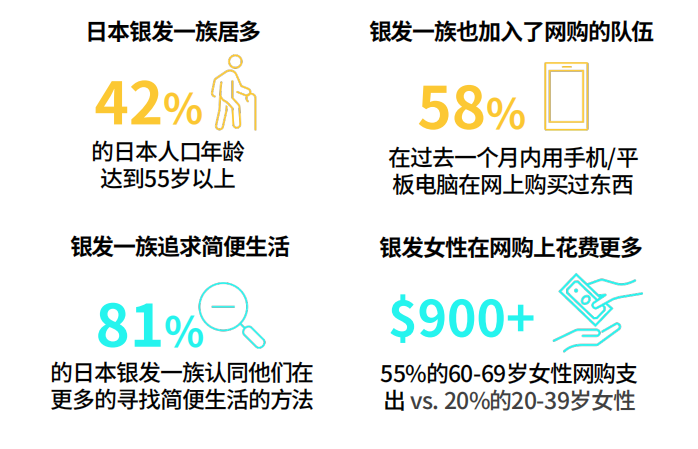
والجدير بالملاحظة أن كبار السن في اليابان متحمسون جدًا للتسوق عبر الإنترنت أيضًا، وهم أكثر ميلًا لإنفاق الأموال على التسوق عبر الإنترنت مقارنة بالشابات، ويهتمون كثيرًا بالراحة وتجربة الخدمة. لذلك، يمكن للعلامات التجارية إضافة أو تحسين الخدمات بشكل مناسب لجذب المزيد من كبار السن اليابانيين لطلب المنتجات بثقة.
△TikTok: مؤشر اتجاهات الموضة في اليابان
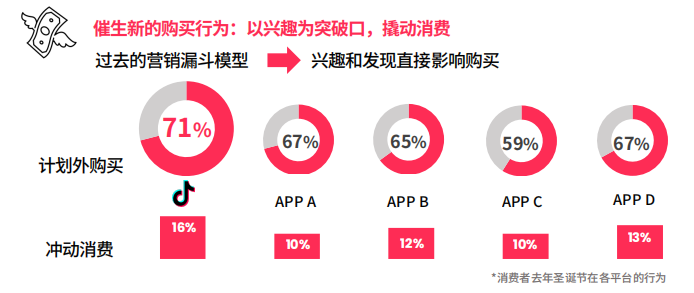
تحول سلوك الشراء "شراء الأشياء المرغوبة بعد تفكير عميق" في عام 2021 إلى "الشراء عند المصادفة والإعجاب"، وTikTok هو المثال النموذجي لهذه الظاهرة.
تجاوزت مشاهدات مقاطع الفيديو التي يقدم فيها المستخدمون المنتجات التي اشتروها 1.4 مليار مشاهدة في غضون ستة أشهر. احتلت ظاهرة "TikTok بيع" (TikTok بيع) المرتبة الأولى في قائمة أفضل 30 منتجًا مبيعًا في مجلة Nikkei Trendy Business السنوية لعام 2021.
ما الذي ينشط رغبة مستخدمي TikTok اليابانيين في الشراء؟
أقصر، وقابل للتخطي، وأكثر واقعية!
مقارنة بالمنصات الرائدة الأخرى، يتمتع TikTok ببيئة مشاهدة نشطة ذاتيًا وغير مفروضة.
بالنسبة للجيل Z الياباني، يعتبر TikTok مؤشر اتجاهات جديرًا بالثقة. عند الرغبة في الحصول على أحدث المعلومات، يستخدم 20% TikTok؛ عند الرغبة في جمع معلومات حول الطهي والأعمال المنزلية، يستخدم 17% TikTok؛ عند جمع معلومات متعلقة بالأعمال التجارية، يستخدم 11% TikTok. ووجد 42% منتجات يريدونها على TikTok، ويمارس 36% الطرق المقدمة في TikTok، واشترى 38% منتجات أو خدمات تم تقديمها على TikTok.
أما جيل الألفية الياباني، فيرى TikTok كمنصة حيوية وإيجابية، تحتوي على كمية كبيرة من المحتوى الترفيهي، وتختلف عن المحتوى الذي يشاهدونه على مواقع التواصل الاجتماعي الأخرى. من بينهم، عند الحاجة إلى التحفيز، يستخدم 11% TikTok؛ عند جمع معلومات حول الموضة، يستخدم 9% TikTok؛ عند الرغبة في إرسال رسائل خاصة إلى الأصدقاء أو المشاهير، يستخدم 9% أيضًا TikTok.
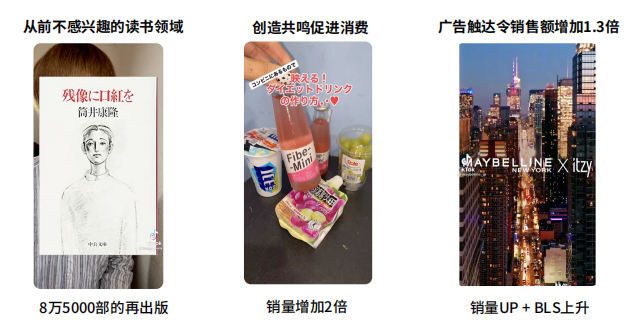
ست فئات منتجات شائعة
--المواد الغذائية
TikTok هو صانع المنتجات الرائجة للأغذية والمشروبات. استخدم الإعلانات لاستغلال الاتجاهات الشائعة وتوسيع المبيعات! في صناعة الأغذية والمشروبات، تنتشر موجات البيع الساخنة التي أثارها TikTok بشكل متكرر.
قالت صحيفة نيكي الاقتصادية اليابانية ذات مرة: "من بين العديد من خدمات الفيديو، هناك تطبيق لنشر الفيديو يحظى بشعبية خاصة بين الشباب، وهو تطبيق TikTok من شركة ByteDance الصينية.越来越多的制造商将 TikTok 变成了用于促进真实讨论的公关大本营。"
اتجاهات الأغذية والمشروبات الشائعة على TikTok:
#TikTok美食家-播放 الفيديو 1.9 مليار+
#TikTok菜谱-播放 الفيديو 1.7 مليار+
--السيارات
المثال 1: BMW
لم تؤدِ مقاطع الفيديو المنشورة على حساب TikTok إلى زيادة زيارات وكلاء السيارات وعقود البيع الموقعة فحسب، بل كان لها أيضًا تأثير إيجابي على وكلاء BMW في مناطق أخرى من اليابان. حققت 90 مليون مشاهدة و 300 مليون إعجاب.
--التجزئة
المثال: FamilyMart
بعد أن جذبت #FamimaSocks (جوارب متجر FamilyMart) اهتمامًا واسعًا على TikTok بسبب "الروعة" و"الموضة"، تم بيعها بالكامل. عند نشر مقاطع فيديو مراجعة وصور ارتداء لهذه الجوارب على وسائل التواصل الاجتماعي، يضيف الأشخاص علامات مثل "#FamimaSocks". كما نشر الممثل كيمورا تاكويا صورة له وهو يرتدي هذه الجوارب المخططة، مما أثار اهتمامًا أكبر بهذه الجوارب.
--النشر الإعلامي
تظهر محتويات رائجة باستمرار على TikTok، حتى أن مناطق مختلفة في اليابان أنشأت أقسام بيع خاصة لـ TikTok. وأحدث شعار إعلاني في مجال الثقافة الشعبية هو "منتجات TikTok الرائجة"!
--الألعاب
كانت اليابان دائمًا سوقًا مهمًا في صناعة الألعاب، وأنتجت منصات ألعاب رائدة عالميًا مثل Sega وNintendo وPlayStation لعقود، ويبلغ عدد اللاعبين 70 مليونًا، أي أكثر من نصف إجمالي سكان اليابان. في عام 2022، انخفض الإيرادات السنوية لسوق التطبيقات اليابانية بشكل طفيف من 20.7 مليار دولار في عام 2021 إلى 17.8 مليار دولار، لكنه لا يزال أعلى من مستويات ما قبل الوضع الطبيعي الجديد. وبذلك أصبحت اليابان ثالث أكبر سوق للتطبيقات في العالم، بعد الولايات المتحدة والصين. يستمر عدد مستخدمي الهواتف الذكية في اليابان في النمو. يبلغ متوسط وقت استخدام التطبيقات اليومي للمستخدمين اليابانيين حوالي 4.8 ساعات، بزيادة تزيد عن ساعة واحدة مقارنة بعام 2019.
ألعاب تمثيل الأدوار والألغاز والاستراتيجية هي أنواع الألعاب المفضلة لدى اللاعبين اليابانيين. واللاعبون اليابانيون متحمسون جدًا لـ "الدفع داخل اللعبة"، حيث يعتقد أكثر من 60% منهم أن الدفع ضروري لتجربة اللعبة بعمق. الأسباب التي تدفع اللاعبين اليابانيين للدفع داخل اللعبة: 42% للحصول على شخصيات/أبطال جدد؛ 39% لتحسين قدرات الشخصيات/الأبطال؛ 31% للحصول على أسلحة جديدة.
--مستحضرات التجميل
يهتم المستهلكون اليابانيون كثيرًا بالعناية بالبشرة، ولديهم قدرة ورغبة قوية في الدفع. مقارنة بسوق مستحضرات التجميل العالمي، فإن حصة منتجات العناية بالبشرة في سوق مستحضرات التجميل الياباني كبيرة جدًا. ومع ذلك، نظرًا لأن استخدام العطور في الأماكن العامة يعتبر غير مهذب، فإن اليابانيين عمومًا ليس لديهم عادة استخدام العطور، وحصة العطور صغيرة نسبيًا، وهذا أمر يجب على الشركات الانتباه إليه بشكل خاص.
هناك العديد من العلامات التجارية اليابانية المحلية لمستحضرات التجميل التي تعمل بشكل جيد، لذا فإن المنافسة ليست صغيرة. ومع ذلك، فإن "الموضة الصينية" في عالم مستحضرات التجميل قد وصلت أيضًا إلى اليابان. يتزايد الطلب الياباني على مستحضرات التجميل الصينية، حيث بلغت قيمة واردات مستحضرات التجميل اليابانية من الصين 82 مليون دولار أمريكي حتى عام 2022. ويعزى ذلك بشكل رئيسي إلى انتشار مكياج النمط الصيني في اليابان.
مع نمو واردات مستحضرات التجميل الصينية وتطور الإنترنت والتجارة الإلكترونية، أصبحت منتجات المكياج الصينية شائعة تدريجيًا بين الشباب الياباني. منذ عام 2019، بدأت مكياج النمط الصيني ذو الحواجب الكثيفة والبشرة البيضاء والشفاه الحمراء والكحل الأسود في الانتشار في اليابان. حتى ظهر مصطلح جديد شائع "Chiborg" (チャイボ一グ)، وهو مزيج من China وCyborg، ويعني في الأصل جميل مثل الروبوت، ويشير الآن إلى المرأة الجميلة على الطريقة الصينية ومكياج النمط الصيني.
بعد دخول العلامات التجارية الصينية لمستحضرات التجميل مثل Florasis وZeesea وHuaxizi إلى اليابان، حققت جميعها مبيعات مبهرة. وفي مجال العناية بالبشرة، فإن المستهلكين اليابانيين الذين يتمتعون بدخل متاح مستقر ويسعون إلى الجودة العصرية على استعداد لدفع ثمن الجودة المتوسطة إلى العالية.
اتجاهات العناية الشخصية ومستحضرات التجميل الشائعة على TikTok:
#مستحضرات التجميل-播放 الفيديو 2.2 مليار+
#تحول جميل-播放 الفيديو 1.3 مليار+
#مستحضرات التجميل-播放 الفيديو 1.3 مليار+
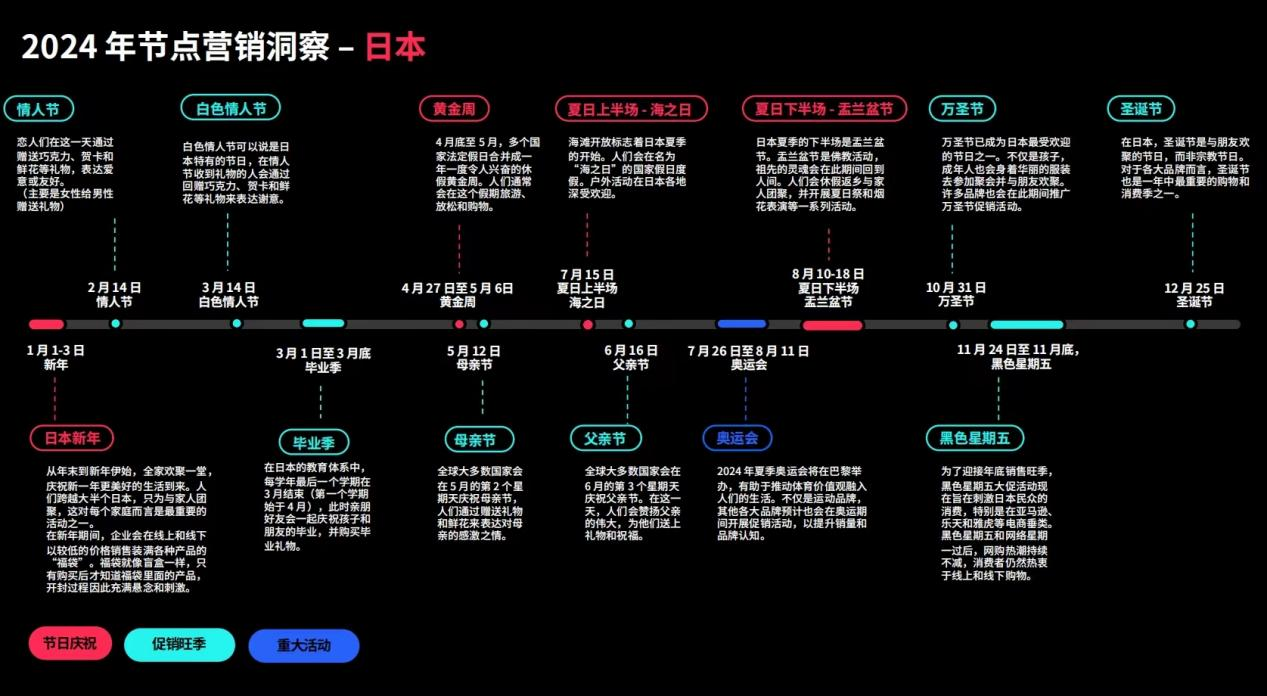
△مواسم التسويق الهامة في اليابان
--مهرجان الصيف
الكلمات المفتاحية: الألعاب النارية، التبريد، كيمونو الصيفي، الوجبات الخفيفة، المهرجانات، تاناباتا، المواكب.
الوسوم الشائعة:#مهرجان TikTok الصيفي
من يوليو إلى ديسمبر هو موسم المبيعات في اليابان، خاصة بعد تخفيضات مهرجان أوبون في أغسطس، تبدأ مبيعات النصف الثاني. يولي اليابانيون أهمية كبيرة لمهرجان أوبون، وأصبح الآن عيدًا مهمًا بعد رأس السنة الجديدة.
في مهرجان الصيف، تقام المواكب والعروض في جميع أنحاء اليابان، ويرتدي الناس كيمونو الصيفي الجميل ويتجولون في الشوارع ويتسوقون. تقام فعاليات مثل المعابد أو المتنزهات، وتباع الأطعمة مثل المعكرونة المقلية وكرات الأخطبوط والتايياكي. هناك أيضًا العديد من الأنشطة الترفيهية مثل صيد السمك الذهبي وبالونات الماء. كما تزين المتاجر المحيطة وتقيم فعاليات خاصة، وتبيع سلعًا صغيرة مثل أجراس الريح والمراوح القابلة للطي والأقنعة.
في ليالي مهرجان الصيف، تقام عروض الألعاب النارية، وتعتبر الألعاب النارية في سماء الليل الصيفي سمة جميلة.
دروس للعلامات التجارية:
في مهرجان الصيف، تطلق العديد من العلامات التجارية منتجات محدودة الصيف. يمكن للعلامات التجارية زيادة مبيعات المنتجات من خلال إضافة عناصر صيفية (مثل المراوح القابلة للطي، كيمونو الصيفي، السمك الذهبي، إلخ). في الوقت نفسه، يقوم العديد من اليابانيين بتحضير مستلزمات الصيف خلال فترة أوبون، أو الاستعداد للسفر للهروب من الحر قبل حلول الصيف. يجب على العلامات التجارية تمديد دورة التسويق والاستعداد مبكرًا لقدوم مهرجان الصيف.
--عيد الحب
الكلمات المفتاحية: الشكر، الهدايا، الحلوى، الرد، الأزواج
طريقة احتفال اليابانيين بعيد الحب تختلف عنا، حيث تقوم النساء عادةً بإهداء الشوكولاتة للشخص المعجب به في 14 فبراير. لاحقًا، تحول عيد الحب إلى عيد تقدم فيه النساء الشوكولاتة لمن حولهن، بما في ذلك من يحبونه وزملائهم وأصدقائهم، مما أدى إلى ظهور "شوكولاتة الواجب". لا تعبر شوكولاتة الواجب عن الحب، بل عن الشكر أو الاحترام، وهي تعبير عن الصداقة. رأى تجار صناعة الحلوى أن عيد الحب في 14 فبراير فتح سوقًا للشوكولاتة، فاستغلوا عادة اليابانيين في رد الهدايا، وابتكروا "عيد الحب الأبيض" في 14 مارس. وفي 14 مارس، يرد الرجال الهدايا للنساء، ويسمى هذا اليوم "عيد الحب الأبيض". هناك شيء مضحك حول عيد الحب الأبيض، حيث يحاول بعض الرجال إبهار النساء اللواتي يحبونها باستخدام "ثلاثة أضعاف الرد" (بمعنى رد ثلاثة أضعاف). يعدون هدية تعادل ثلاثة أضعاف قيمة الشوكولاتة التي تلقوها في 14 فبراير.
دروس للعلامات التجارية:
بسبب حب اليابانيين للهدايا وردها، خلال فترة عيد الحب، لا يشتري السكان المحليون الزهور والحلوى لشركائهم فحسب، بل يقدمون الهدايا أيضًا لعائلاتهم وأصدقائهم وزملائهم. يمكن للشركات زيادة الترويج للعلامة التجارية خلال هذه الفترة، وإطلاق منتجات خاصة بعيد الحب أو حزم هدايا مغلفة بشكل جميل لزيادة التحويل.
--الأسبوع الذهبي
الكلمات المفتاحية: السفر، العطلات المتصلة، الاسترخاء، الأسرة.
على عكس الأسبوع الذهبي في الصين في أكتوبر، فإن الأسبوع الذهبي الياباني يقع في نهاية أبريل وبداية مايو، وهو أحد أكثر العطلات التي ينتظرها اليابانيون. هذا الترقب لا يقل عن رأس السنة الجديدة في يناير ومهرجان أوبون في منتصف أغسطس. خلال هذه الفترة، تتجمع العديد من الأعياد، ومع عطلات نهاية الأسبوع، تتشكل عطلة تصل إلى 7 أيام أو أكثر.
دروس للعلامات التجارية: يستغل العديد من اليابانيين هذه العطلة القصيرة للاسترخاء والسفر إلى أماكن مختلفة. تقدم المتاجر في المناطق السياحية هدايا تذكارية لجذب المستهلكين. منتجات السفر والواقي من الشمس ومستحضرات التجميل ضرورية أيضًا، ويستغل اليابانيون هذه الفرصة للراحة ومكافأة أنفسهم.
--الهالوين
الكلمات المفتاحية: الأزياء، المواكب، شيبويا، الموضة.
الهالوين هو عيد وطني لا غنى عنه لليابانيين خلال العام، ويرتبط ذلك ارتباطًا وثيقًا بالطابع الوطني وثقافة الكوسبلاي. في اليابان، يبتكر الناس طرقًا لارتداء الأزياء خلال الهالوين، ويجتمع الأصدقاء معًا للكوسبلاي، مما يخلق "ليلة الهالوين" الخاصة بالثقافة اليابانية.
دروس للعلامات التجارية: تزين العديد من المتاجر مبكرًا بديكورات الهالوين لجذب العملاء، وتطلق منتجات بعناصر الهالوين، وترتفع مبيعات ملابس ومستحضرات تجميل الكوسبلاي للهالوين بشكل كبير. كما تقدم المتاجر في أماكن تجمع الكوسبلاي، مثل شيبويا وإيكيبوكورو، عروضًا خاصة للهالوين، وتباع المشروبات بكثرة في هذا اليوم.
--ليلة عيد الميلاد وعيد الميلاد
الكلمات المفتاحية: حقيبة الحظ، السنة الجديدة، عيد الميلاد، الدعاء، الاحتفال.
الوسوم الشائعة:#TikTok عيد الميلاد
في اليابان، يقضون عيد الميلاد مع الأحباء والأصدقاء. كل عام، تقضي العديد من العائلات اليابانية عيد الميلاد في كنتاكي. بالإضافة إلى تناول العائلات اليابانية لكنتاكي، يشاركون في هذا اليوم كعكة الفراولة بالكريمة مع العائلة والأصدقاء للاحتفال.
دروس للعلامات التجارية: تطلق العديد من المتاجر منتجات محدودة أو متعلقة بعيد الميلاد لجذب العملاء للحجز المبكر، ويرتدي البائعون زي بابا نويل لجذب العملاء.
--رأس السنة اليابانية + بداية العام
الكلمات المفتاحية: حقيبة الحظ، السنة الجديدة، عيد الميلاد، الدعاء، الاحتفال.

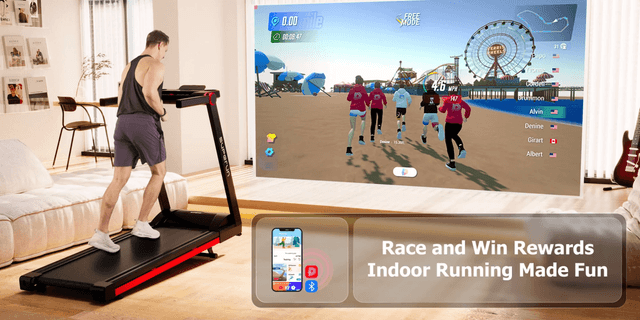
في السنوات الأخيرة ، على الرغم من أن اللياقة البدنية العالمية تصاعد ، ولكن لا يمكن إنكار أن الولايات المتحدة لا تزال أعلى معدل اللياقة البدنية الوطنية ، هي أيضا واحدة من أكبر سوق معدات اللياقة البدنية المنزلية
![[ حصري ] ريال مدريد بدء الأعمال التجارية فقط في السنة ، كيف يعتمد على tiktok البث المباشر ، الدخل السنوي كسر مليار دولار ؟](/_next/image?url=https%3A%2F%2Fadmin.tktk.com%2Fuploads%2Fallimg%2F240402%2F1-2404021H2400-L.png&w=640&q=75)
في هذا العالم tiktok منصة الفيديو القصير ، DTC العلامة التجارية الرئيسية لا يمكن أن تساعد ولكن أذكر - نيومي .