 8
8
Finding laundry too much effort led to the invention of the washing machine; not wanting to wash dishes brought dishwashers into the kitchen.
Every timethe “lazy demand” is upgraded, countless new products and new tracks are born, which not only improve the quality of life, but also create a batch of brands that seize the opportunity.
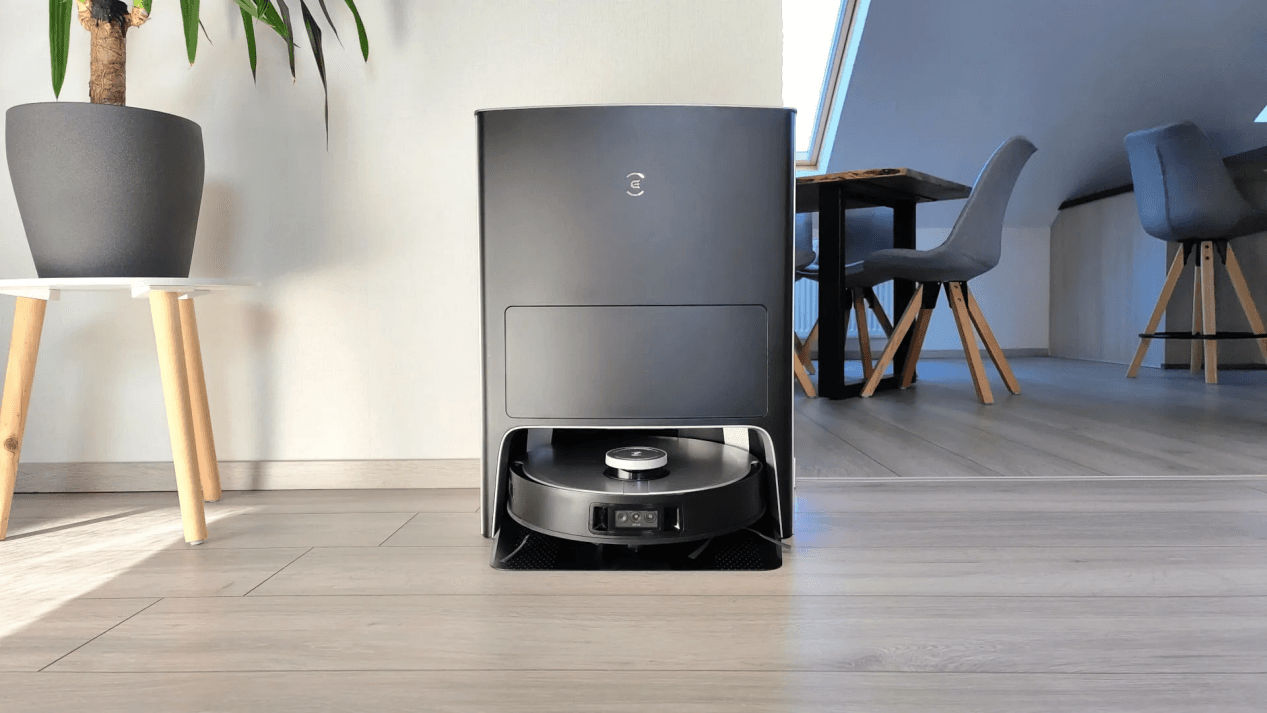
In recent years, robot vacuum products have been pushed to the forefront in this way.
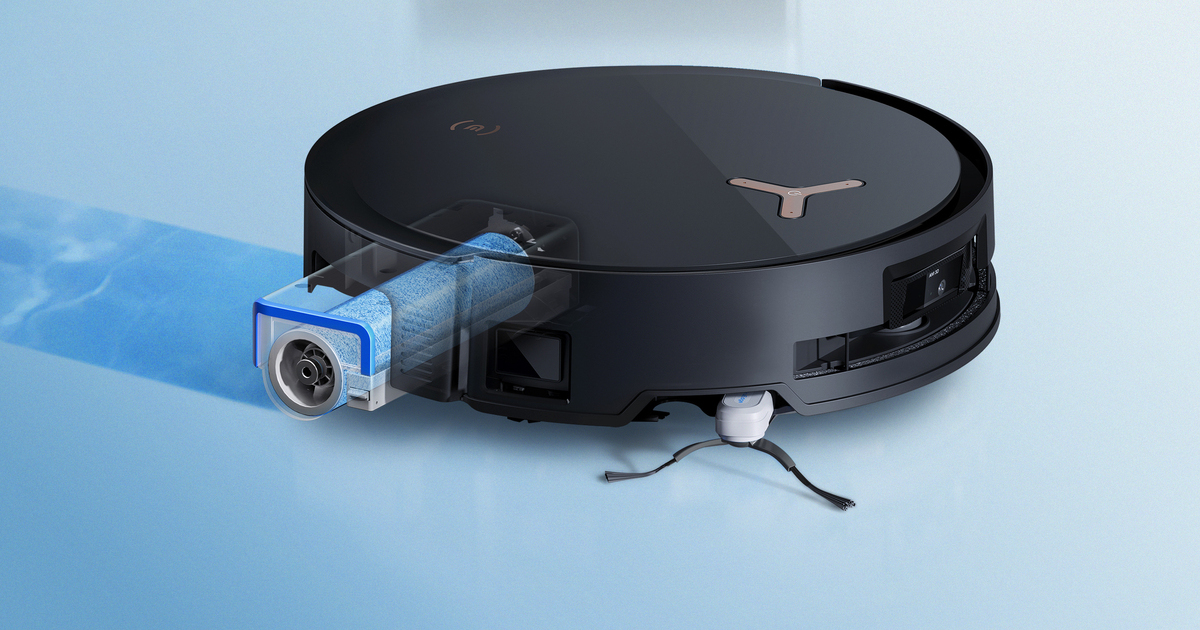
Image source:Google
According to the industry report on fortunebusinessinsights, it shows thatthe global robot vacuum market size was valued at $9.77 billion in 2020, and is expected to grow from $11.97 billion in 2021 to $50.65 billion in 2028, with a compound annual growth rate of 27.2% during this period.
Behind the continuously rising curve is the rigid demand of global households for“liberating time”, and the process of the “lazy economy” being systematically amplified.
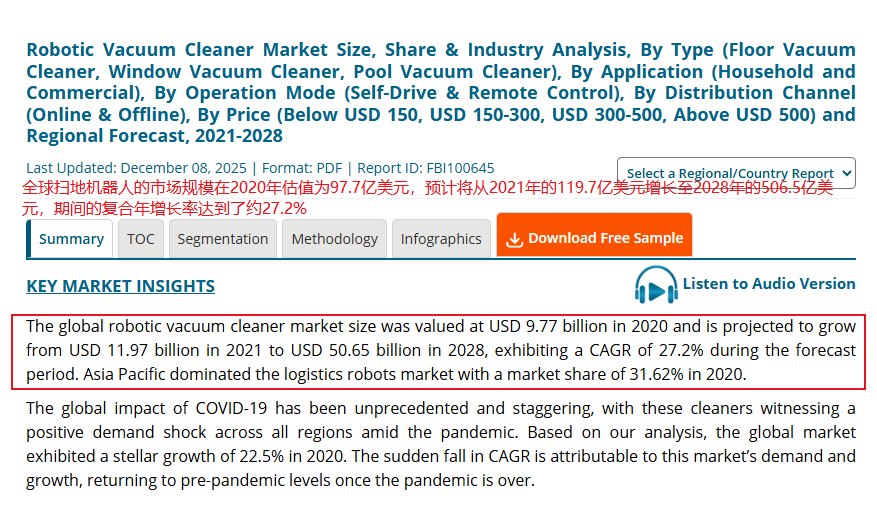
Image source:fortunebusinessinsights
The track is developing with great momentum, bringing continuous business opportunities and naturally attracting many brands to join the competition.
In this seemingly crowded track, a cleaning home appliance company from Suzhou,ECOVACS, in less than thirty years, grew from an OEM factory to the global leader in service robots, maintaining over 10 billion yuan in revenue for 5 consecutive years, and becoming an unmissable name in the field of small cleaning appliances.
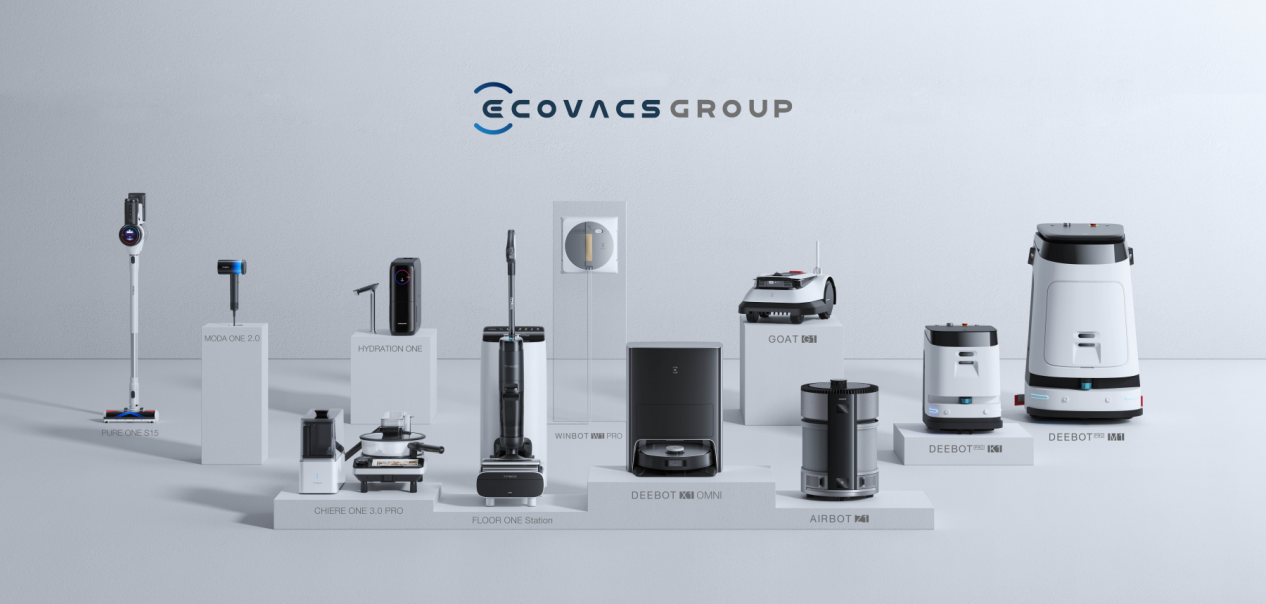
Image source:Google
From OEM to Own Brand: The “Suzhou Sample” in Cleaning Appliances
The story of ECOVACS did not have a glamorous beginning.
In 1998, founder Mr. Qian established TEK in Suzhou, mainly doing vacuum cleaner OEM for international brands like Philips and Panasonic—working for others and living by orders.
The OEM model can bring stable cash flow, but is inherently constrained by others. With accumulated industry experience, Mr. Qian knew well that staying only in the OEM track meant always lingering at the lower end of the value chain.
In 2006, he made a key decision: no longer just doing OEM for others, but to build his own brand. ECOVACS was thus born, and the brand’s first robot vacuum product officially launched the following year.
Since then,ECOVACS began to shift from “making products for others” to “making users for itself”.
In the brand’s product map, robot vacuums were just the starting point. Around the“home cleaning” scenario, a multi-category matrix including mopping and window cleaning gradually unfolded, completing the transition from a single category to multi-scenario cleaning solutions.
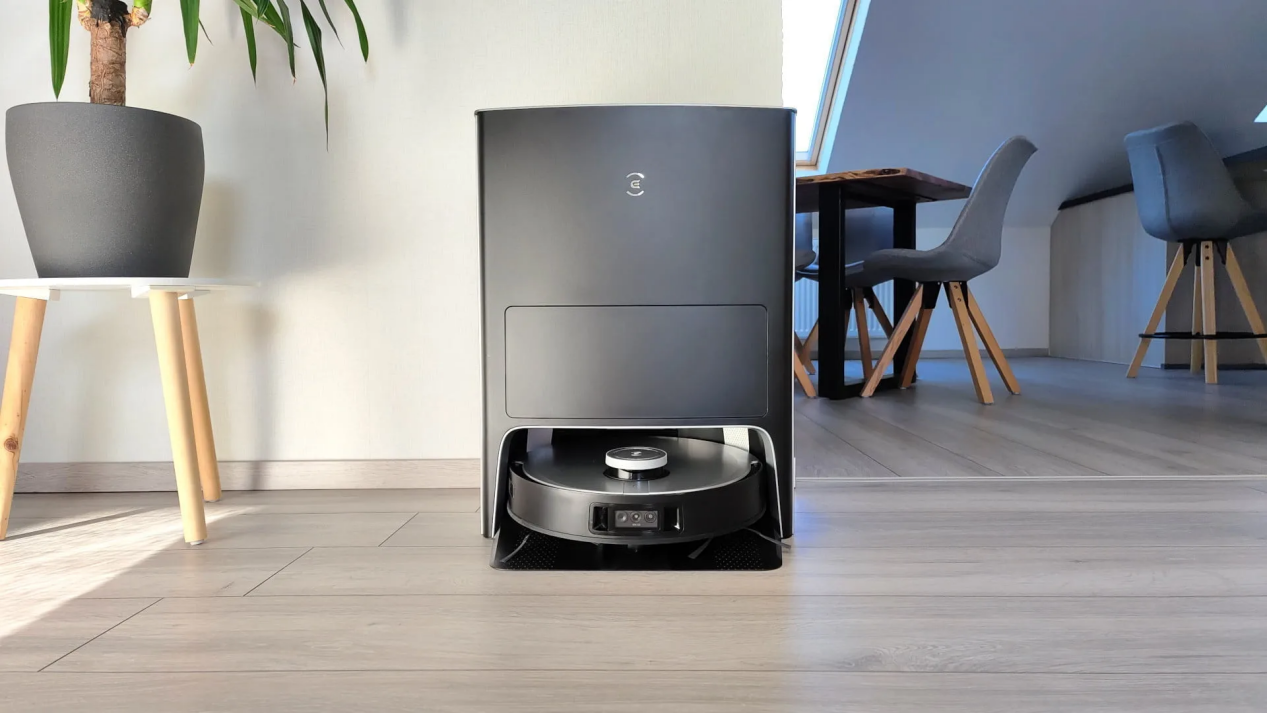
Image source:Google
What truly changed the development trajectory wasa series of Tuke moves after 2012.
Starting with its German subsidiary,ECOVACS gradually established local teams and warehousing networks in the US, Japan, South Korea, Australia and other markets, building a “China HQ + regional center” localized operation framework. As a Chinese brand of cleaning appliances, it began to systematically enter overseas households.
Data is the most intuitive footnote.
From2021 to 2024, ECOVACS has maintained total revenue at the 10 billion yuan level for four consecutive years(data from 股市通); adding the performance of the first three quarters of 2025, the 10-billion scale has become the norm rather than a wartime peak.
While the revenue curve rises, the brand’s footprint now covers more than170 countries and regions worldwide, serving over 50 million users.
For such a segmented track as small cleaning appliances, it is rare for a Chinese company to consistently achieve this scale.
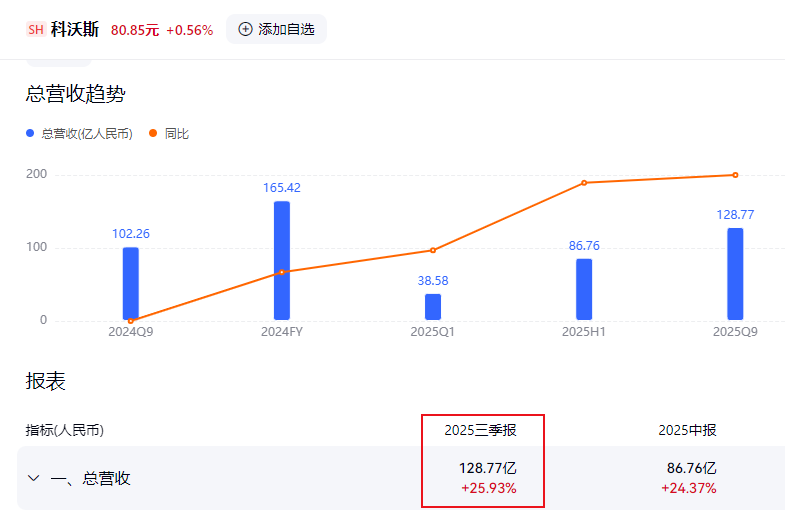
Image source: 股市通
Winning Overseas: Not Just Selling Machines
For a Chinese brand to keep growing overseas, it’s never just about piling up specs or competing on price.
ForECOVACS, the real challenge is to find that common “lazy pain point” across different countries, family structures, and living habits.
In Europe and America, consumers are more sensitive to high-end performance and brand premium.
Therefore, in these markets,ECOVACS focuses its product strategy on the high-end: smarter obstacle avoidance, cleaner edge cleaning, more worry-free anti-tangle for hair—not just “can sweep”, but to reduce every manual intervention in complex environments.
Meanwhile, the local teams set up by the brand in various places act as“translators” between product and user.
From floor materials to pet ownership rates, to house layouts, these seemingly trivial life details are continuously fed back into product iteration, so that the same robot vacuum can get as close as possible to local usage habits in different countries.
When product strength truly matches demand, it is reflected commercially in sustained revenue growth and repeat purchases.
Maintaining a 10-billion-yuan revenue scale for many years actually corresponds to: one-time purchase+trade-in+gradual penetration into more home cleaning scenarios.
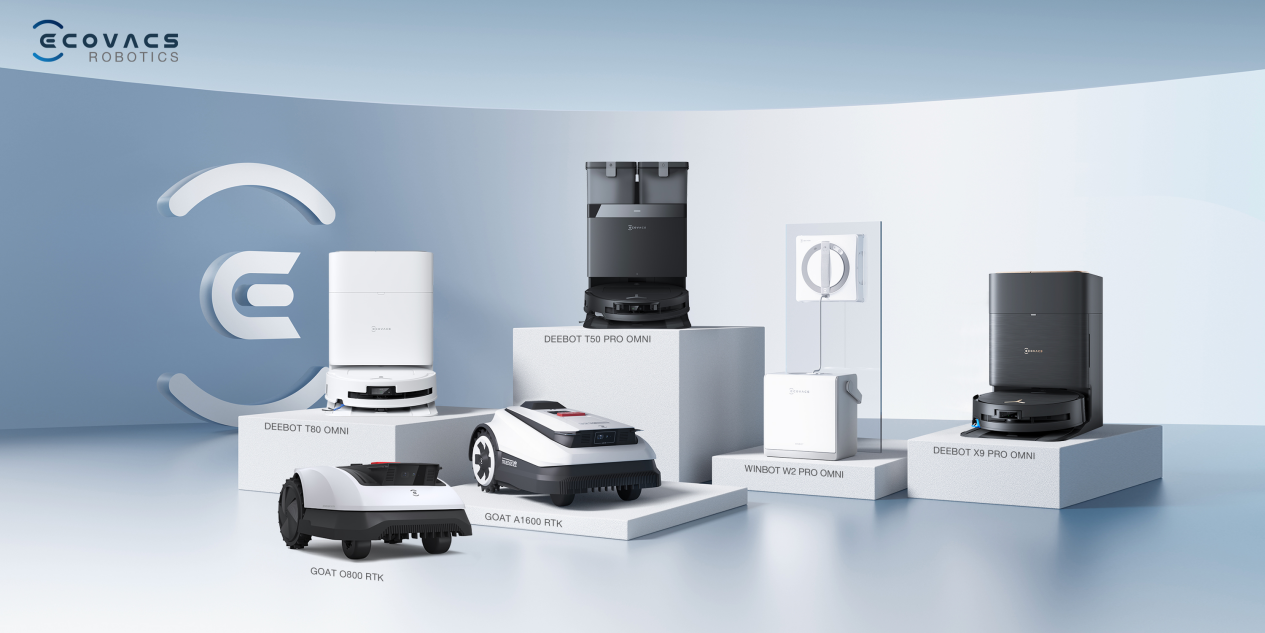
Image source:Google
Using Content Platforms to Capture Those Who “Grow Interested by Watching Videos”
If the product is the foundation ofECOVACS’s Tuke, then content is its “accelerator” for gaining a foothold overseas. Whoever can clearly explain on global content platforms like TikTok “what this machine can save you” has a better chance of becoming the user’s first choice.
In this regard,ECOVACS does not treat overseas social media as a single advertising channel, but has built an account matrix.
In addition to the main global account@ecovacs_global, the brand has set up local TikTok accounts for markets such as Vietnam, France, Malaysia, Indonesia, Germany, Thailand, Italy, Singapore, and the UK, making content as close as possible to local users in language, form, and scenario.
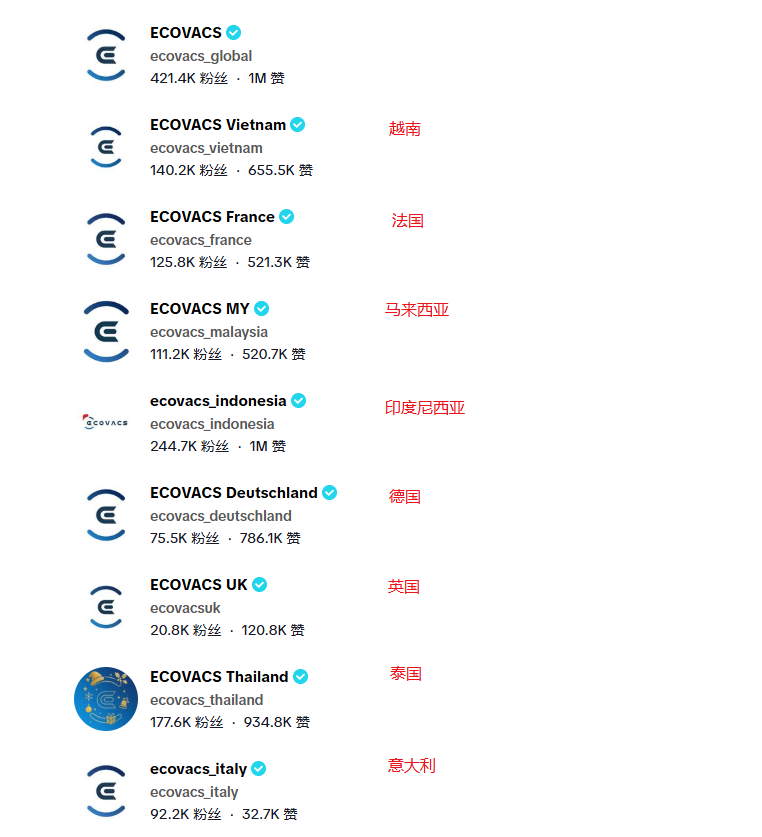
Image source:TikTok
The significance of the account matrix is: no longer using the same ad to talk to completely different user mindsets.
So far, the brand’sTikTok account matrix has accumulated over 1.4188 million followers and 5.6449 million likes.
Among them, the main global account@ecovacs_global stands out, with the most followers at 421,400 and likes exceeding one million.
This account is positioned around brand event promotion, with content mainly being the latest campaign ads, which both establish the brand’s tone and allow users to clearly get the core advantages of the product while watching the videos.
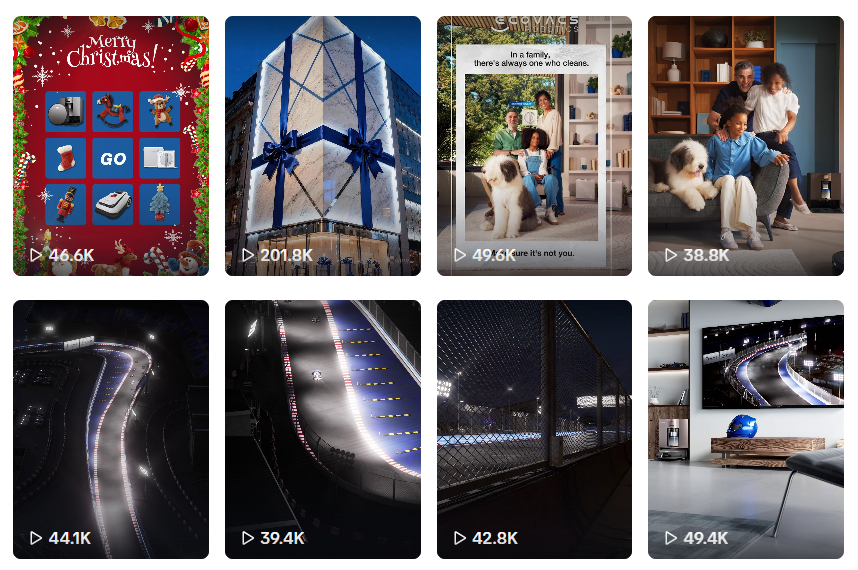
Image source:TikTok
For the local accounts set up fordifferent countries, ECOVACS adopts a localized operation strategy, creating video content tailored to local user preferences.
Take Indonesia’s local account@ecovacs_indonesia as an example,local consumersprefer watching real-life situational skits over straightforward product function explanations when browsing social media. This account uses such lifestyle content as its main creative line.
From the data,@ecovacs_indonesia has 242,700 followers, less than half of the main account, but also exceeds one million likes, which is quite impressive.
This data is enough to prove: creating content that matches local user preferences greatly boosts brandregional awareness and user favorability.
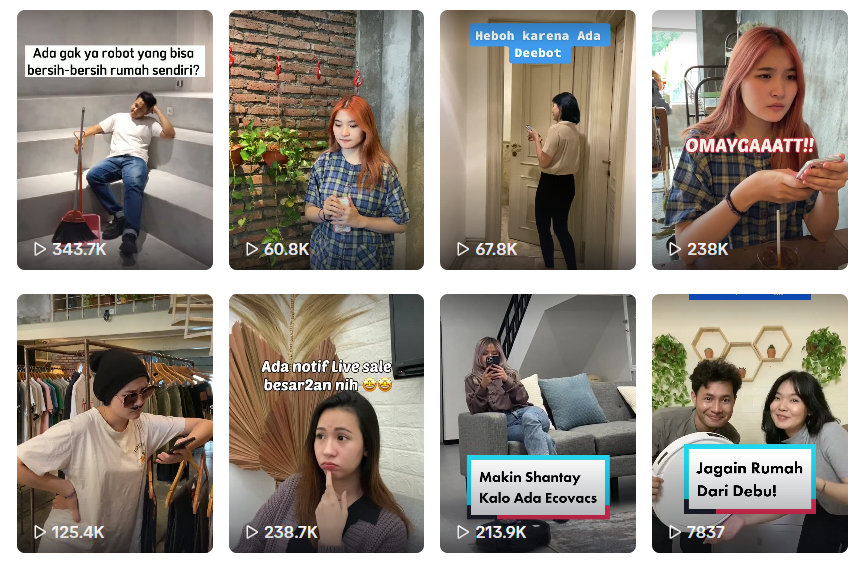
Image source:TikTok
With Influencers, Act Out the “Lazy Demand” for You
Beyond social media content layout,ECOVACS also focuses on influencer cooperation.
Especially home and tech creators, who naturally bring target audiences. Discussions about“housework time” and “quality of life” are naturally topics where robot vacuums can fit in.
TikTok home influencer @daesharena, with 787,000 followers, is a collaborator of ECOVACS.
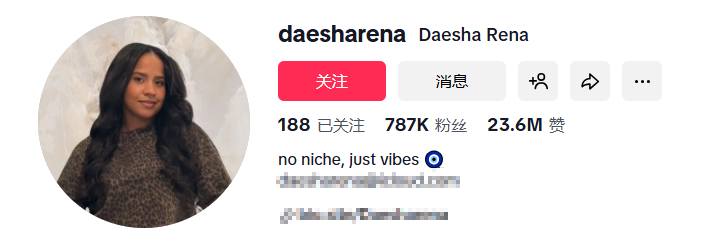
Image source:TikTok
In the promotional video collaboration,daesharena first tidies up her daughter’s scattered toys, then starts ECOVACS’s robot vacuum to clean the floor, quickly restoring the home environment to a tidy state.
Althoughdaesharena’s follower count is not outstanding, the video’s data performance is excellent. As of now, the video has reached 7 million views and 133,300 likes.
It can be seen that such content, closely related to daily home cleaning scenarios, can make potential users with needs willing to stop and watch. It not only intuitively presents product functions, but also conveys the emotional value of liberating time, helping to further stimulate purchase intention.
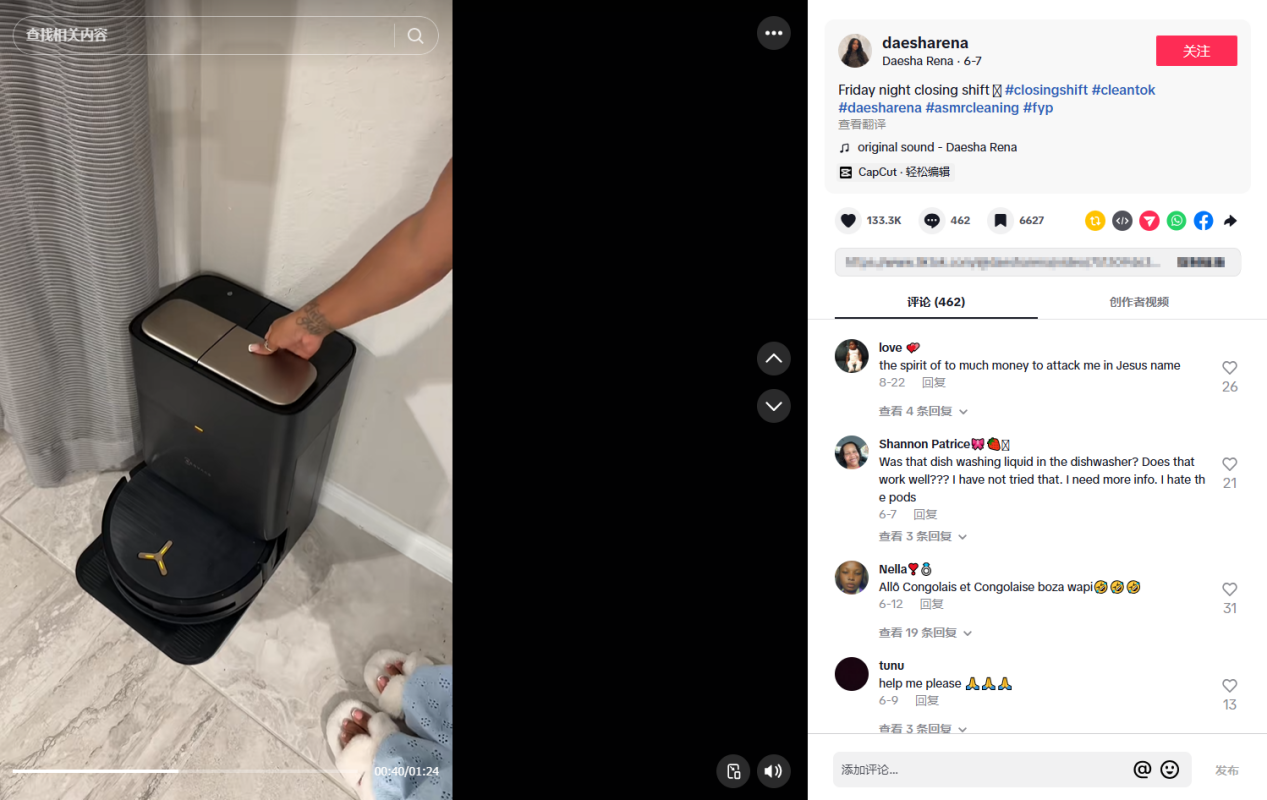
Image source:TikTok
Inspiration for Chinese Brands Going Global
Currently, the cleaning appliance track is still expanding rapidly, with opportunities far outweighing competition.
Whether it’s robot vacuums, floor washers, or future home products with moreAI capabilities, overseas consumers’ acceptance of “using technology to save time” will only increase.
The ECOVACS path shows that Chinese manufacturing is fully capable of making the leap from OEM to brand.
What really determines the ceiling is not just the hardware itself, but a whole system built around user needs: how the product is designed, how channels are laid out, and how content is told to people in different countries.
As cross-border logistics, payment systems and other infrastructure become more complete, and the policy environment continues to improve, the threshold for Tuke is being systematically lowered.
For Chinese brands, now is not the time to ask“Is there still an opportunity?”, but to quickly find their own niche track and use product strength + localized operations + content strategy to create a sample that can be validated long-term.
On the canvas of cleaning appliances,ECOVACS has already given a Suzhou version of the answer. Next, it’s time for more Chinese brands to paint their own stroke.