
 2583
2583Werbung auf TikTok ist für viele Marken inzwischen Standard, aber ob sie gut gemacht ist, steht auf einem anderen Blatt.
Manche erzielen mit einem einzigen viralen Kurzvideo direkte Verkaufserfolge, andere zielen präzise auf ihre Zielgruppe ab und ernten doch nur geringe Ergebnisse, und wieder andere investieren ein großes Budget, nur um festzustellen, dass ihre Anzeige in einer Sekunde weggewischt wird. Tatsächlich liegt der Erfolg oder Misserfolg von TikTok-Anzeigen oft nicht allein an der „präzisen Ausrichtung“ oder den „kreativen Inhalten“, sondern daran, ob beides optimal kombiniert werden kann.
Heute sprechen wir über die häufigsten Fallstricke, in die Marken bei der TikTok-Werbung tappen!

Bildquelle: Google
Irrtum 1: Präzise Ausrichtung ist alles? Schwache Inhalte sind rausgeworfenes Geld
Viele Marken stecken bei TikTok-Werbung einen Großteil ihres Budgets und ihrer Energie in die Zielgruppenausrichtung und versuchen, mit Parametern wie Alter, Interessen und Verhalten die präziseste Zielgruppe zu erreichen. Diese Methode ist nicht verkehrt, aber das Problem ist: Wenn der Anzeigeninhalt nicht ansprechend genug ist, nützt auch die präziseste Ausrichtung nichts. Auf der jungen Plattform TikTok ist die Toleranz der Nutzer gegenüber Inhalten extrem gering, und sie wischen noch schneller weiter. Ob sie im ersten Moment gefesselt werden, entscheidet der Inhalt über Erfolg oder Misserfolg.
Zum Beispiel liegt der Erfolg von Xiaomi bei TikTok-Werbung darin, dass sie sich nicht ausschließlich auf die gezielte Ausrichtung verließen, sondern mit lustigen und humorvollen Videoformaten die Produktfunktionen präsentierten und das gute Preis-Leistungs-Verhältnis in Szenarien einbetteten, die junge Leute mögen. Ob der „Handy-Sturztest“ oder eine rhythmische Show mit populärer Musik – diese Inhalte sind an sich schon fesselnd genug, sodass die Anzeige eher wie ein natürliches Nutzervideo wirkt. Die präzise Zielgruppenausrichtung ist nur das i-Tüpfelchen für den kreativen Inhalt, nicht der „Retter in der Not“.

Bildquelle: TikTok
Irrtum 2: Gleichbleibende Werbekreativität, Vernachlässigung von Datenfeedback
Viele Marken investieren zu Beginn in die Werbeinhalte, aktualisieren sie aber nach dem Start nicht mehr und lassen die Anzeige in ihrem ursprünglichen Zustand, was dazu führt, dass die Datenleistung mit der Zeit rapide abfällt. Die Interessen der TikTok-Nutzer ändern sich schnell, und die Werbeinhalte müssen den Daten folgen. Ohne kontinuierliche Optimierung wird aus einer anfänglichen „Kampagne“ schnell ein „Flop“.
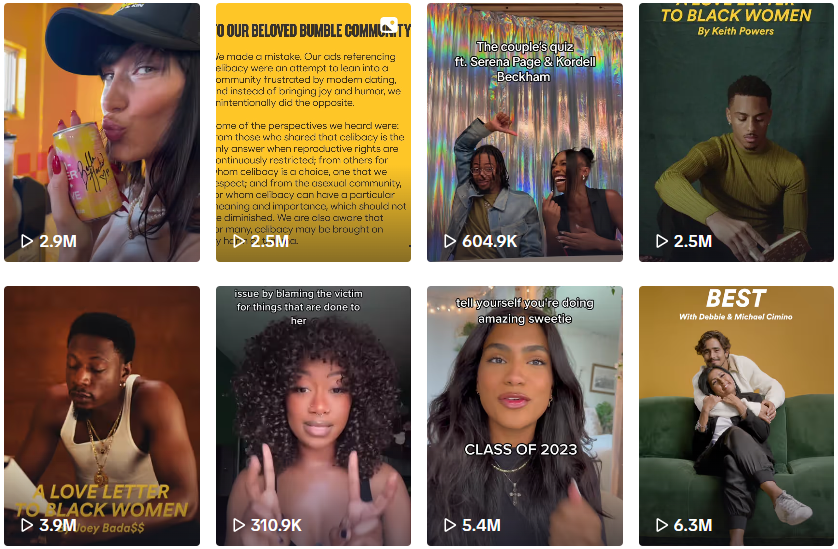
Nehmen wir die Dating-App Bumble als Beispiel. Ihre erste Werberunde auf TikTok erzielte durch die Präsentation echter Nutzergeschichten viele Klicks. Aber die Folgedaten zeigten einen Rückgang der Interaktionsrate. Bumble passte die Strategie schnell an und fügte interaktivere Ideen hinzu, wie die Einladung an Nutzer, an der „Herausforderung des idealen Dates“ teilzunehmen, und forderte sie auf, ihre Erfahrungen in den Kommentaren zu teilen. Die neuen Inhalte ließen die Anzeige wieder aufleben, und die Klick- und Konversionsraten stiegen. Dies zeigt, dass die kontinuierliche Beobachtung der Anzeigendaten und die rechtzeitige Optimierung der Schlüssel sind, um auf TikTok mit Werbung erfolgreich zu sein.
Bildquelle: TikTok
Irrtum 3: Zu harte Werbung, zu wenig Emotion
TikTok-Nutzer lehnen Werbung nicht grundsätzlich ab, aber sie bevorzugen eine „sanfte und unaufdringliche“ Art. Wenn die Werbung zu aufdringlich ist und direkt „Kauf, kauf, kauf“ schreit, stößt sie nur auf Ablehnung und kann sogar das Markenimage beschädigen.
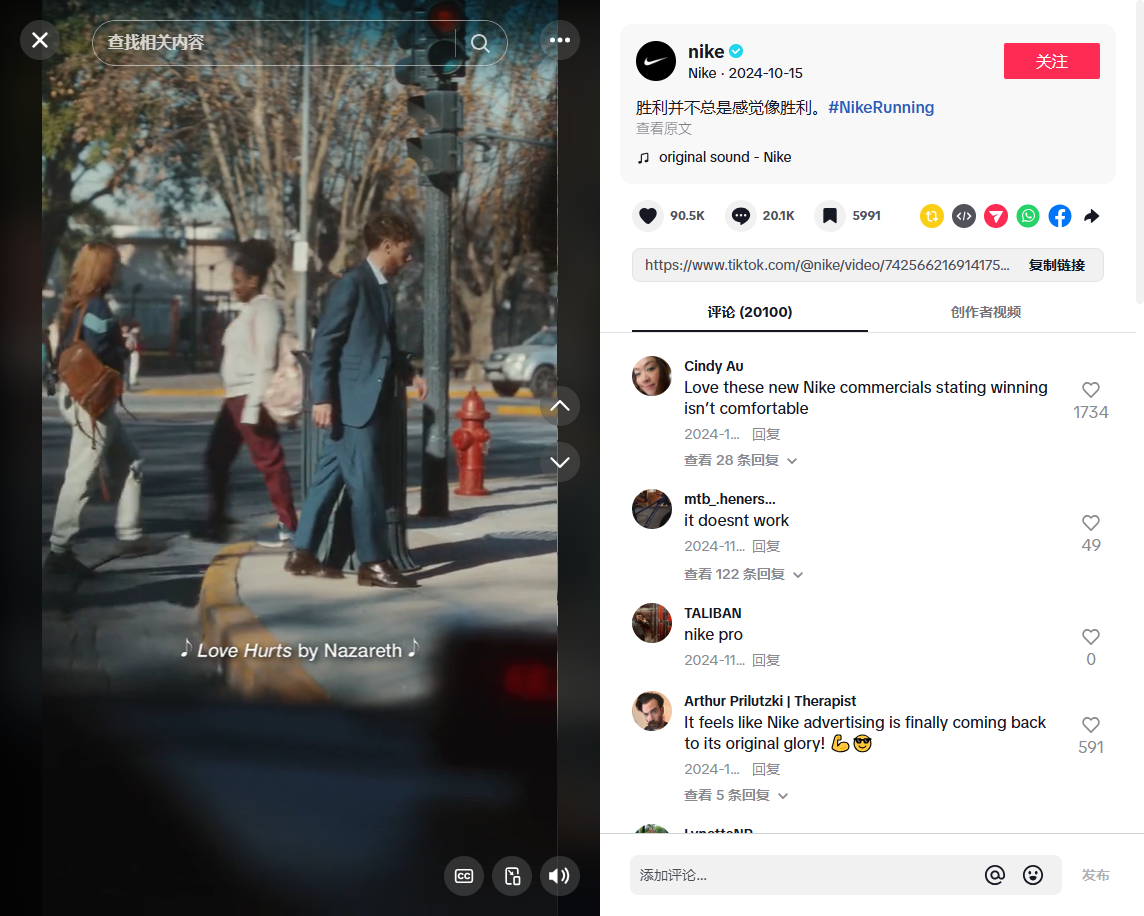
Nikes Werbung ist ein gutes Beispiel. Wenn sie auf TikTok für Produkte werben, sprechen sie selten direkt über die Funktionen der Ware, sondern zeigen in Kurzvideos echte Sportgeschichten von Nutzern, wie jemand, der durch Laufen Ängste überwindet, oder jemand, der sich durch Fitness selbst herausfordert. Diese Art vermittelt den Nutzern den Geist der Marke, nicht nur „Ich will dir etwas verkaufen“. Diese sanfte emotionale Verbindung gewinnt leichter die Zuneigung und Anerkennung der Nutzer.
Bildquelle: TikTok
Irrtum 4: Traditionelle Werbung kopieren, TikToks Spielregeln ignorieren
Manche Marken verwenden bei TikTok-Werbung noch traditionelle Werbeansätze – lange Erklärungen oder das direkte Hochladen von TV-Spots. Diese Art hat auf TikTok kaum eine Überlebenschance. Die Aufmerksamkeitsspanne der TikTok-Nutzer ist sehr kurz, die Anzeige muss innerhalb von 3 Sekunden fesseln, nicht mit langatmigen, unwichtigen Informationen.
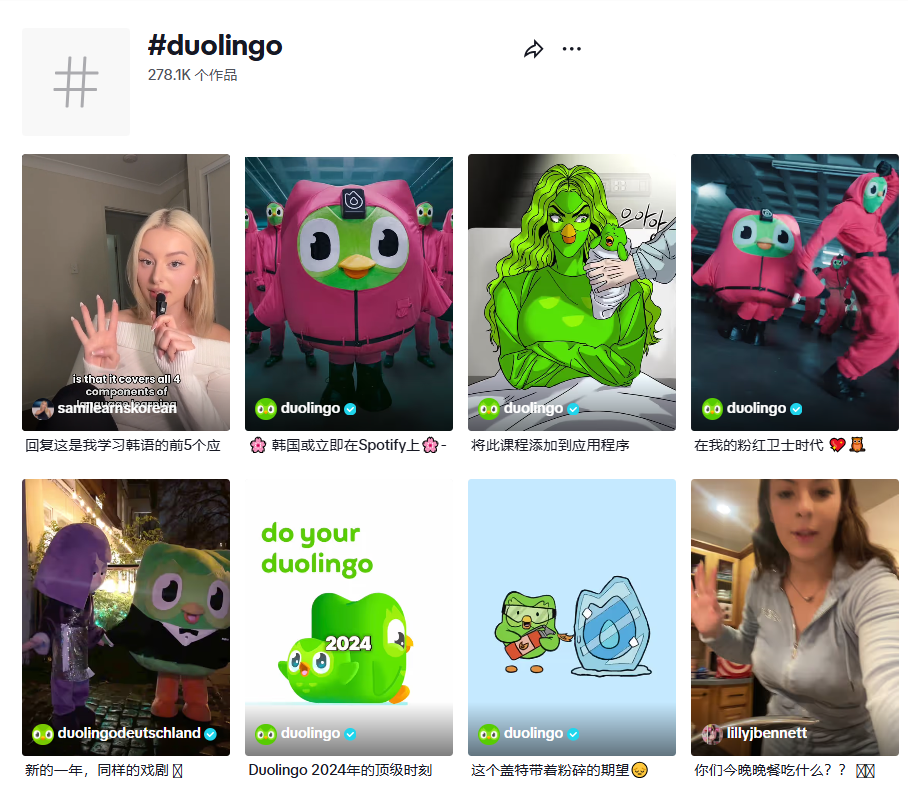
Duolingos „Grüner Vogel“-Marketing ist ein klassisches Beispiel. Sie bewarben die App nicht mit traditioneller Werbung, sondern interagierten durch humorvolle Kurzvideos und das Maskottchen „Grüner Vogel“ mit den Nutzern und erzählten lustige Geschichten. Diese Art ließ die Anzeige wie ein normales Kurzvideo wirken und steigerte die Beteiligung und Sympathie der Nutzer. Marken müssen auf TikTok lernen, auf eine lockere und unterhaltsame Weise auf die Nutzer zuzugehen, anstatt ihnen die traditionellen Werbemuster aufzuzwingen.
Bildquelle: TikTok
Fazit
TikTok ist eine schnelllebige Plattform, die Wischgeschwindigkeit der Nutzer lässt der Werbung kaum Zeit zum Nachdenken. Daher kommt es nicht darauf an, wie präzise die Ausrichtung ist, sondern ob der Inhalt in einer Sekunde fesseln kann. Ein interessanter Anfang, ein Video, das man sehen möchte, ist oft wichtiger als die „präzise Zielgruppenausrichtung“.
Gute Werbung wird den Nutzern nicht aufgezwungen, sondern sie bleiben freiwillig stehen und teilen sie sogar. Marken, die es verstehen, Produkte in Lebensszenen einzubetten und kreativ zu spielen, haben den TikTok-Erfolgscode wirklich geknackt. Denn auf diesem riesigen Schlachtfeld des Nutzerverkehrs werden die Marken in Erinnerung bleiben, die den besten Content liefern.