
 2298
2298In den letzten Jahren hat der Markt für intelligente Wearables kontinuierlich an Größe zugenommen.
Laut den neuesten Daten von fortunebusinessinsights wird der globale Markt für intelligente Wearables im Jahr 2024 auf 157,3 Milliarden US-Dollar geschätzt. Es wird erwartet, dass er zwischen 2025 und 2032 mit einer durchschnittlichen jährlichen Wachstumsrate von 34,9 % stabil wächst.
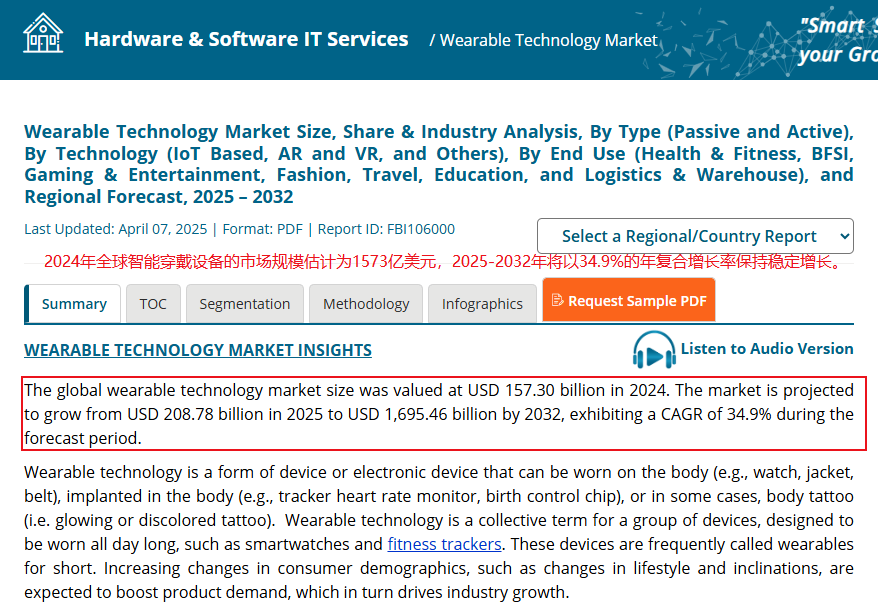
Quelle: fortunebusinessinsights
Die Produktpalette in diesem Bereich ist reichhaltig und vielfältig und umfasst Smartwatches, Smart Bands, Smart Glasses, Smart Clothing und mehr. Mit dem zunehmenden Fokus auf Gesundheitsmanagement steigt die Nachfrage nach Smartwatches und Smart Bands stetig, was sie zu den Mainstream-Produkten auf dem Markt macht, die in vielen Bereichen wie Gesundheitsmanagement, Sportüberwachung und Lebenshilfe weit verbreitet sind.
Vor diesem Branchenhintergrund erkannte eine inländische Marke eine Geschäftsmöglichkeit, konzentrierte sich auf die Nische der intelligenten Wearables, positionierte sich präzise im unteren bis mittleren Marktsegment und tauchte schnell im Cross-Border-E-Commerce-Markt auf.
Die Produkte sind in über 90 Ländern weltweit beliebt und die Nutzerbasis hat 24 Millionen überschritten. Im Bereich der Smartwatches liegt der Versand weltweit unter den Top vier, und in Ländern wie Spanien, Brasilien und Russland wurde sogar der erste Platz bei den Verkaufszahlen erreicht.
Im Jahr 2024 überschritt der globale Umsatz sogar die Marke von 500 Millionen Yuan.
Es ist Amazfit.
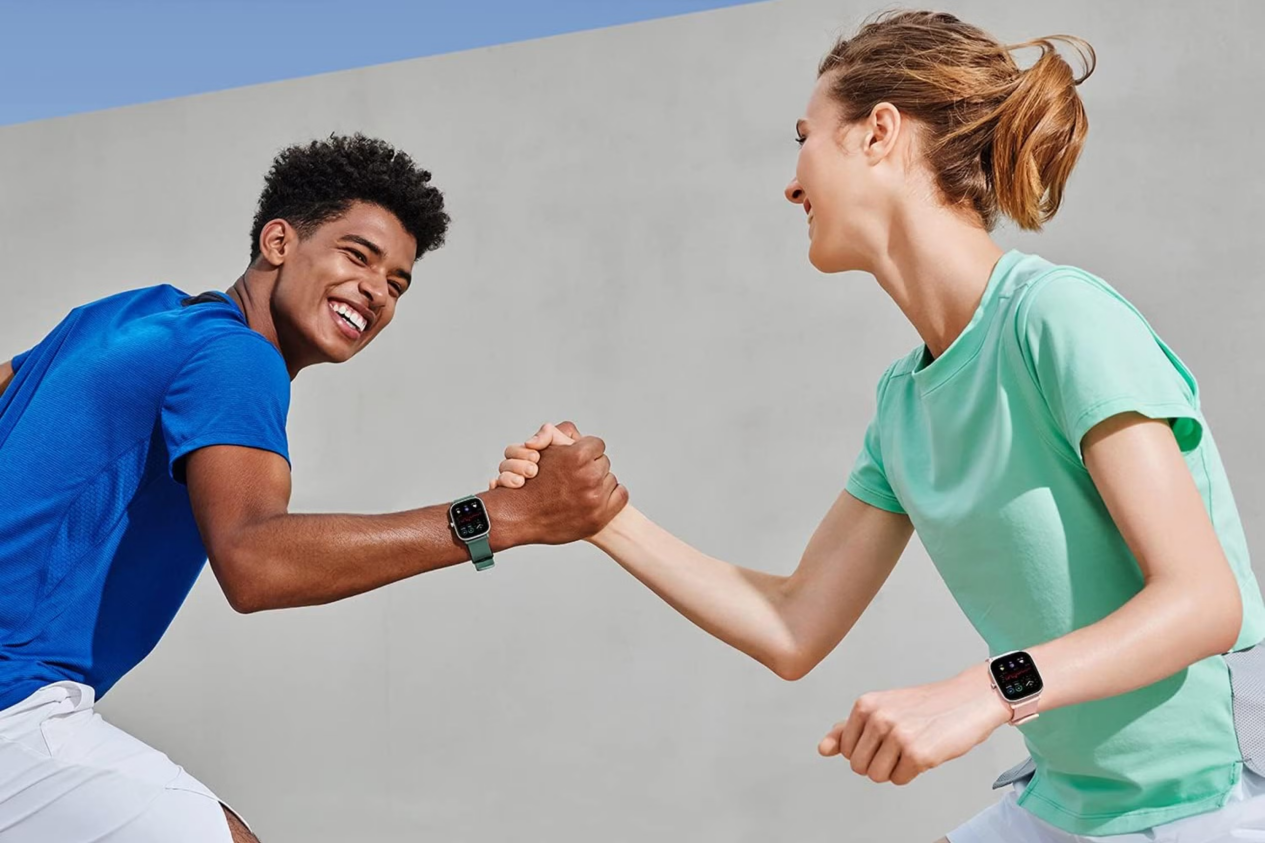
Quelle: Google
Vom Auftragsfertiger zur Eigenmarke: Ein Wandel aus Unzufriedenheit
Bekanntlich ist die Marke Amazfit eine wichtige Marke der Huami Technology. Der Gründer, Herr Huang, ist ein herausragender Vertreter im Bereich eingebetteter Systeme in China. Im Jahr 2013 arbeitete er mit Xiaomi zusammen und gründete Huami Technology, das sich auf die Entwicklung des Xiaomi Mi Bands konzentrierte.
Dank der herausragenden technologischen Stärke überschritt der Verkauf der ersten Generation des Xiaomi Mi Bands bereits 13 Monate nach der Markteinführung die 10-Millionen-Marke.
Die Ambitionen von Huami Technology gingen jedoch weit darüber hinaus. Das Unternehmen gab sich nicht damit zufrieden, nur ein Auftragsfertiger für Xiaomi zu sein, sondern suchte aktiv nach Durchbrüchen und Innovationen. Im Jahr 2015 brachte Huami Technology offiziell die Marke Amazfit auf den Markt und startete eine völlig neue Reise als Eigenmarke.

Quelle: Google
Markteintritt mit extremem Preis-Leistungs-Verhältnis
Zu dieser Zeit wurde der Smartwatch-Markt von einigen großen internationalen Marken dominiert. Im Vergleich dazu war der Markt für Smartwatches im unteren bis mittleren Preissegment nahezu leer. Daher zielte Amazfit von Anfang an auf den unteren bis mittleren Markt ab und trat mit einem extremen Preis-Leistungs-Verhältnis ein.
Niedriger Preis bedeutet jedoch keinen Kompromiss bei der Qualität. Als Schlüsselelement des Xiaomi-Ökosystems nutzte Huami Technology die Forschungs- und Entwicklungskapazitäten, die Lieferkettenvorteile und die breite Nutzerbasis von Xiaomi voll aus. Dadurch konnte die Marke Amazfit nicht nur Produktiterationen und Massenproduktion effizient vorantreiben, sondern auch sicherstellen, dass ihre Produkte bei gleichzeitiger Aufrechterhaltung eines hohen Preis-Leistungs-Verhältnisses eine hervorragende Qualität und Leistung bieten.
Die Smartwatches der Marke Amazfit sind mit verschiedenen Funktionen wie Herzfrequenzüberwachung, Blutsauerstoffmessung, Schlafanalyse und Bewegungsverfolgung ausgestattet und können nahtlos mit iPhone- und Android-Geräten verbunden werden, um die Nutzungsbedürfnisse der Benutzer in verschiedenen Szenarien vollständig zu erfüllen.
Dank der hervorragenden Leistung seiner Produkte in Bezug auf Funktionsausstattung und Benutzererfahrung konnte sich die Marke Amazfit erfolgreich auf dem globalen Markt abheben.
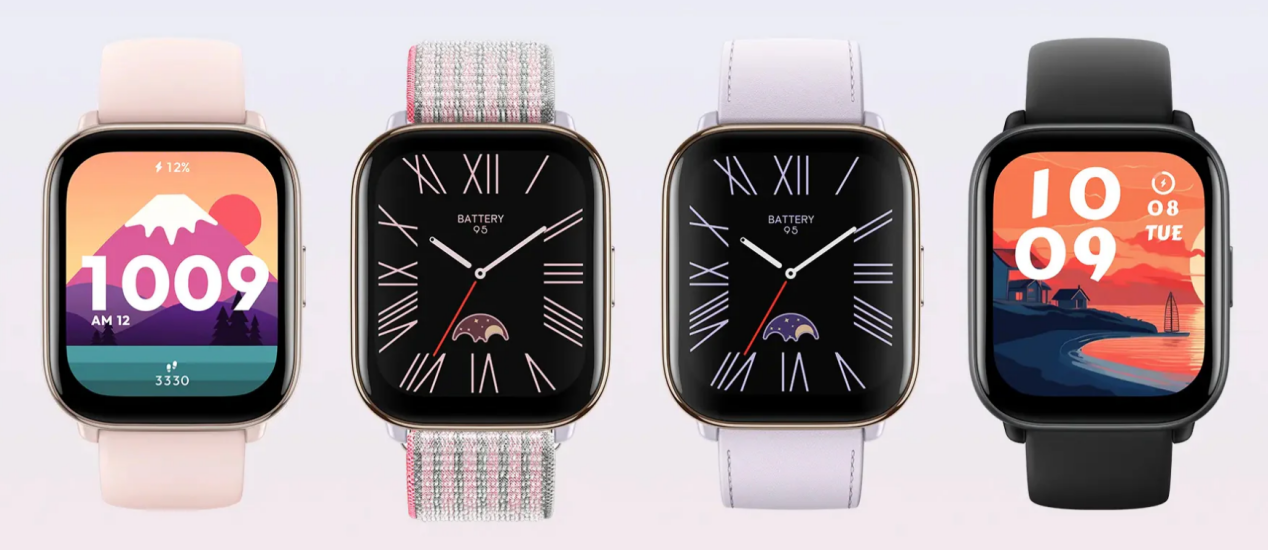
Quelle: Amazfit
Social-Media-Marketing: Präzise Ansprache potenzieller Nutzer
Obwohl die Marke Amazfit mit ihren Produkten mit extremem Preis-Leistungs-Verhältnis erfolgreich Verbraucher anzog, bedarf es dennoch präziser Marketingstrategien, um im hart umkämpften Exportmarkt die Markenbekanntheit aufrechtzuerhalten und sich zu behaupten.
Im Marketing-Mix der Marke Amazfit sind soziale Medien und die Zusammenarbeit mit Influencern zu entscheidenden Mitteln geworden, um die Zielgruppen zu erweitern und Marken-Privatdomänen-Traffic aufzubauen.
TikTok:
Um Nutzergruppen in verschiedenen Ländern präzise abzudecken, hat die Marke Amazfit auf TikTok ein Account-Netzwerk aufgebaut und separate Konten für wichtige Zielmärkte wie Indonesien, Großbritannien, Singapur und Ägypten eingerichtet.
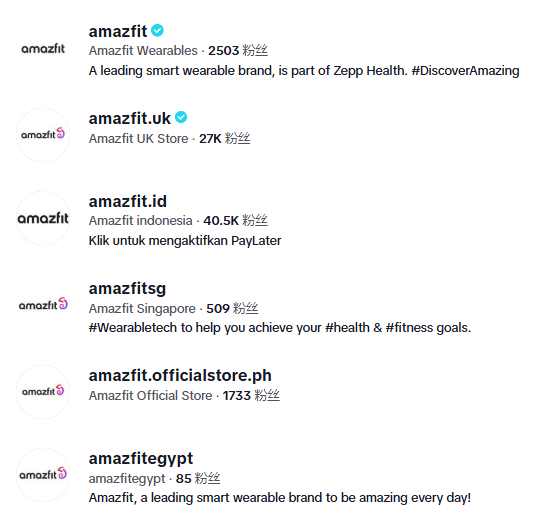
Quelle: TikTok
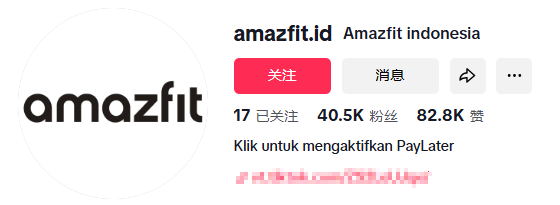
Der erfolgreichste Account ist der für den indonesischen Markt eingerichtete TikTok-Account @amazfit.id, der hauptsächlich kreative Kurzvideos zur Präsentation der Markenfunktionen zeigt. Er hat bereits 40.500 Follower und 82.800 Likes erhalten.
Quelle: TikTok
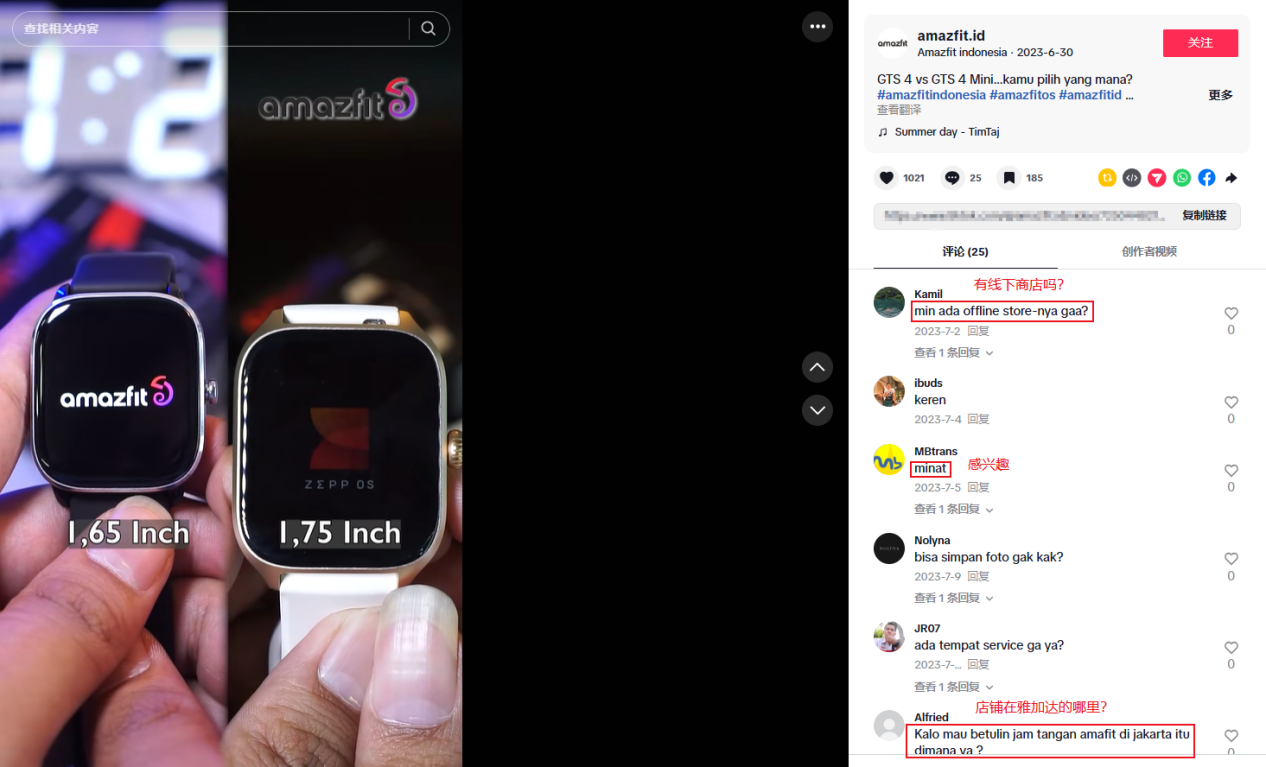
Bis heute sind die beliebtesten Videos des Accounts Vergleichstests zwischen der Amazfit-Smartwatch und Uhren konkurrierender Marken.
Der Inhalt ist sehr einfach: Durch die direkteste Bedienung und den direktesten Vergleich werden zwei Smartwatches einem Praxistest unterzogen, der Schlüsselindikatoren wie Startgeschwindigkeit, Anzahl der Sportmodi, Reaktionsempfindlichkeit und Akkulaufzeit abdeckt.
Die Ergebnisse zeigen, dass die Smartwatch der Marke Amazfit schneller startet, mehr Sportmodi bietet, reaktionsschnell und ruckelfrei ist und eine bessere Akkulaufzeit hat. Diese Art von echtem und zuverlässigem Vergleichstest kann die Bedürfnisse und Schwachstellen der Nutzer genau erfassen, ihnen helfen, die Vorteile des Produkts besser zu verstehen und so die Aufmerksamkeit potenzieller Nutzer auf sich ziehen.
Viele Nutzer hinterlassen Kommentare wie „Interessiert“ oder fragen direkt: „Gibt es ein Ladengeschäft?“, „Wo ist das Geschäft in Jakarta?“
Quelle: TikTok
YouTube:
Auf YouTube arbeitet die Marke Amazfit hauptsächlich mit Tech-Influencern zusammen, die Testvideos zu Amazfit-Produkten veröffentlichen. Diese Videos unterscheiden sich von den Indoor-Aufnahmen auf TikTok. Um den Nutzern die Leistung des Produkts in realen Nutzungsszenarien anschaulicher zu vermitteln, gehen diese Tech-Influencer oft ins Freie, um dort zu filmen. Auf diese Weise wird die Markenbekanntheit und das Vertrauen der Nutzer weiter gesteigert.
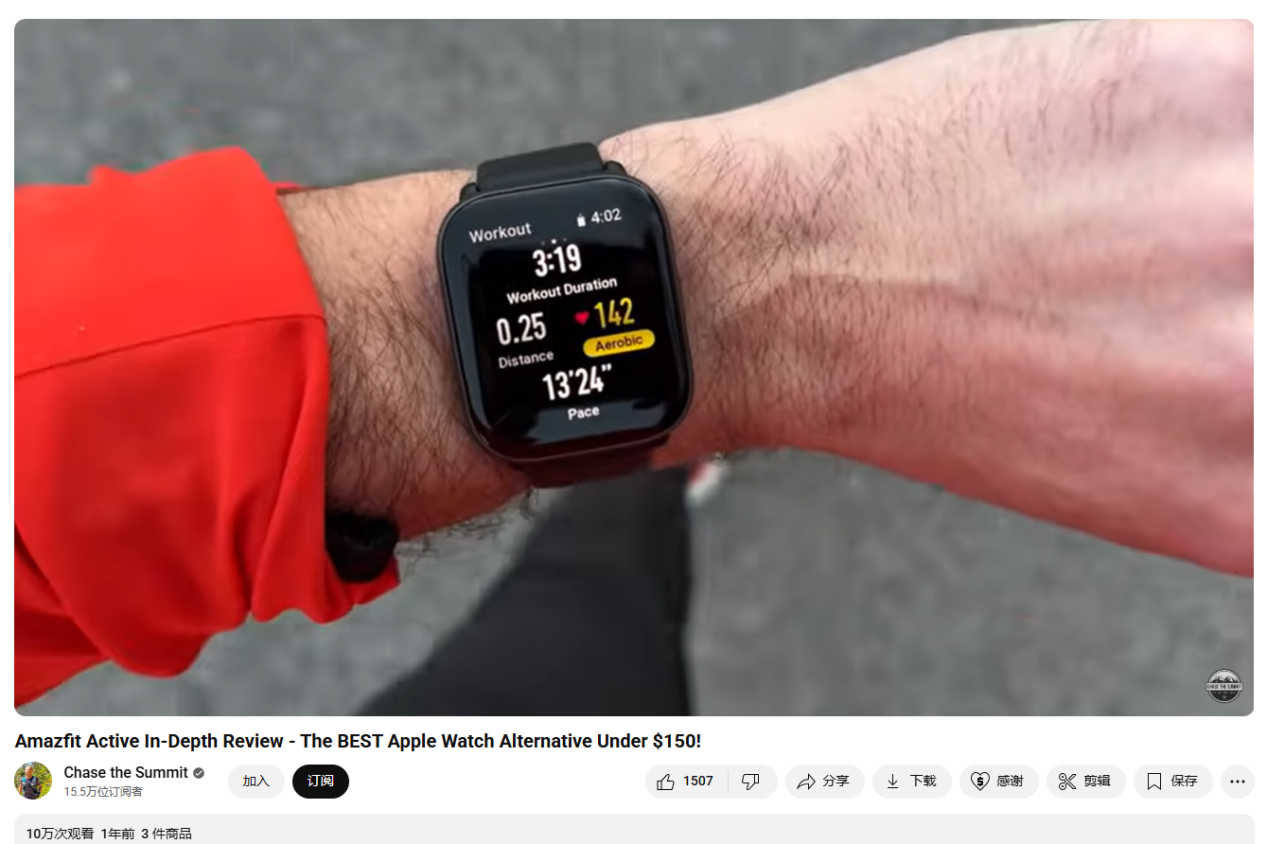
Zum Beispiel arbeitete die Marke mit dem Tech-Blogger Chase the Summit zusammen, um ein Outdoor-Testvideo für das Produkt Amazfit Active zu drehen, das 100.000 Aufrufe erzielte.
Quelle: YouTube
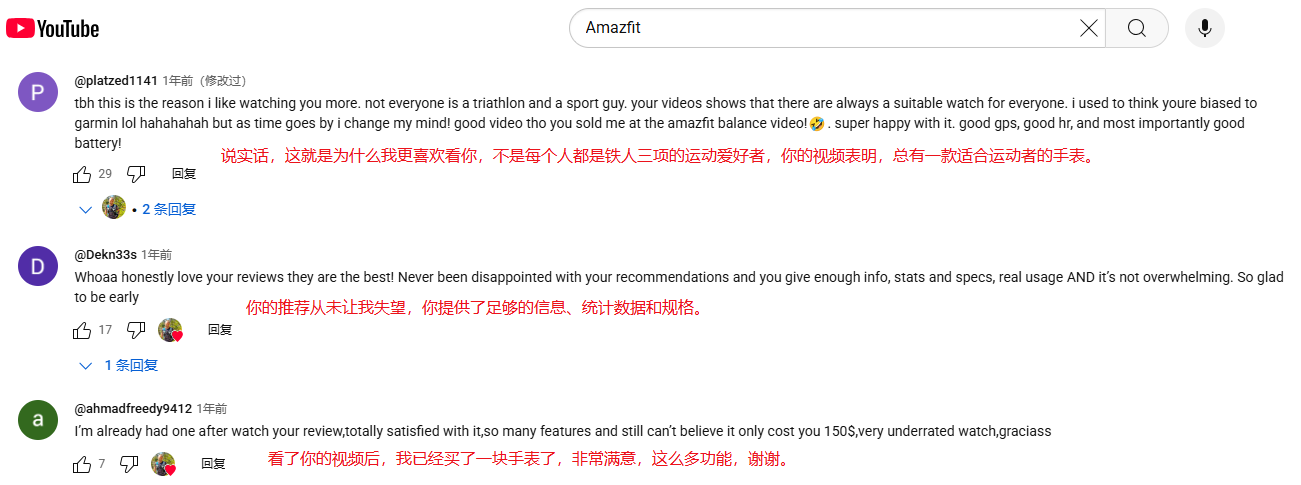
Viele Nutzer hinterließen Kommentare im Bereich unter dem Video. Einige sagten: „Ehrlich gesagt, deshalb sehe ich dich lieber. Nicht jeder ist ein Triathlon-Sportler. Deine Videos zeigen, dass es immer eine Uhr gibt, die zu einem Sportler passt.“ „Deine Empfehlungen haben mich noch nie enttäuscht. Du lieferst genügend Informationen, Statistiken und Spezifikationen.“
Viele potenzielle Nutzer wurden nach dem Ansehen des Videos zum Kauf angeregt und kommentierten nach dem Kauf: „Nachdem ich dein Video gesehen hatte, habe ich mir eine Uhr gekauft. Ich bin sehr zufrieden, so viele Funktionen, danke.“ Sie drückten ihre Zuneigung zu dem Produkt aus!
Daraus lässt sich schließen, dass diese Art der Promotion über Drittanbieter-Influencer die Nutzer eher dazu bringt, das Produkt zu mögen und einen Kauf zu tätigen.
Quelle: YouTube
Facebook:
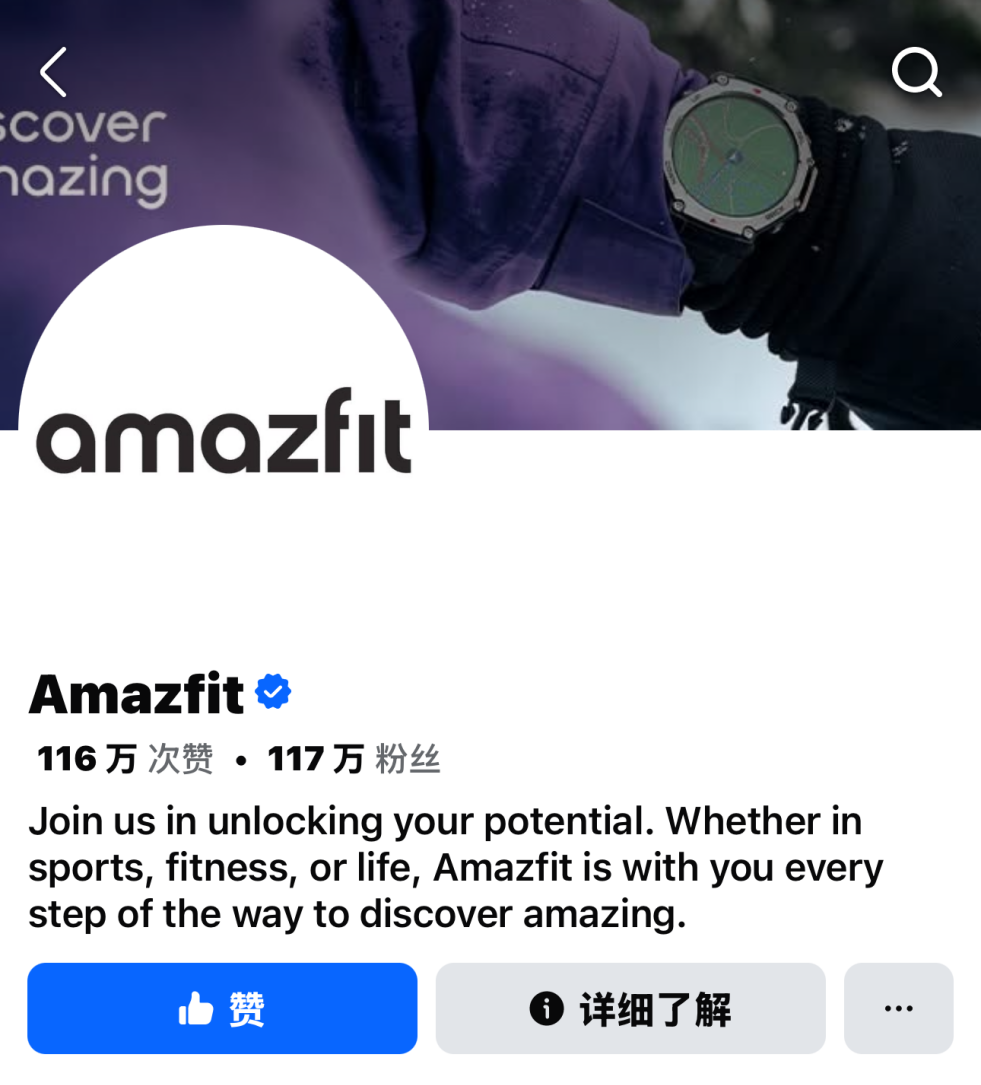
Auf der Plattform Facebook erreichte der Account der Marke Amazfit 1,17 Millionen Follower und ist damit der Kanal mit der größten Fangemeinde unter allen Social-Media-Plattformen.
Quelle: Facebook
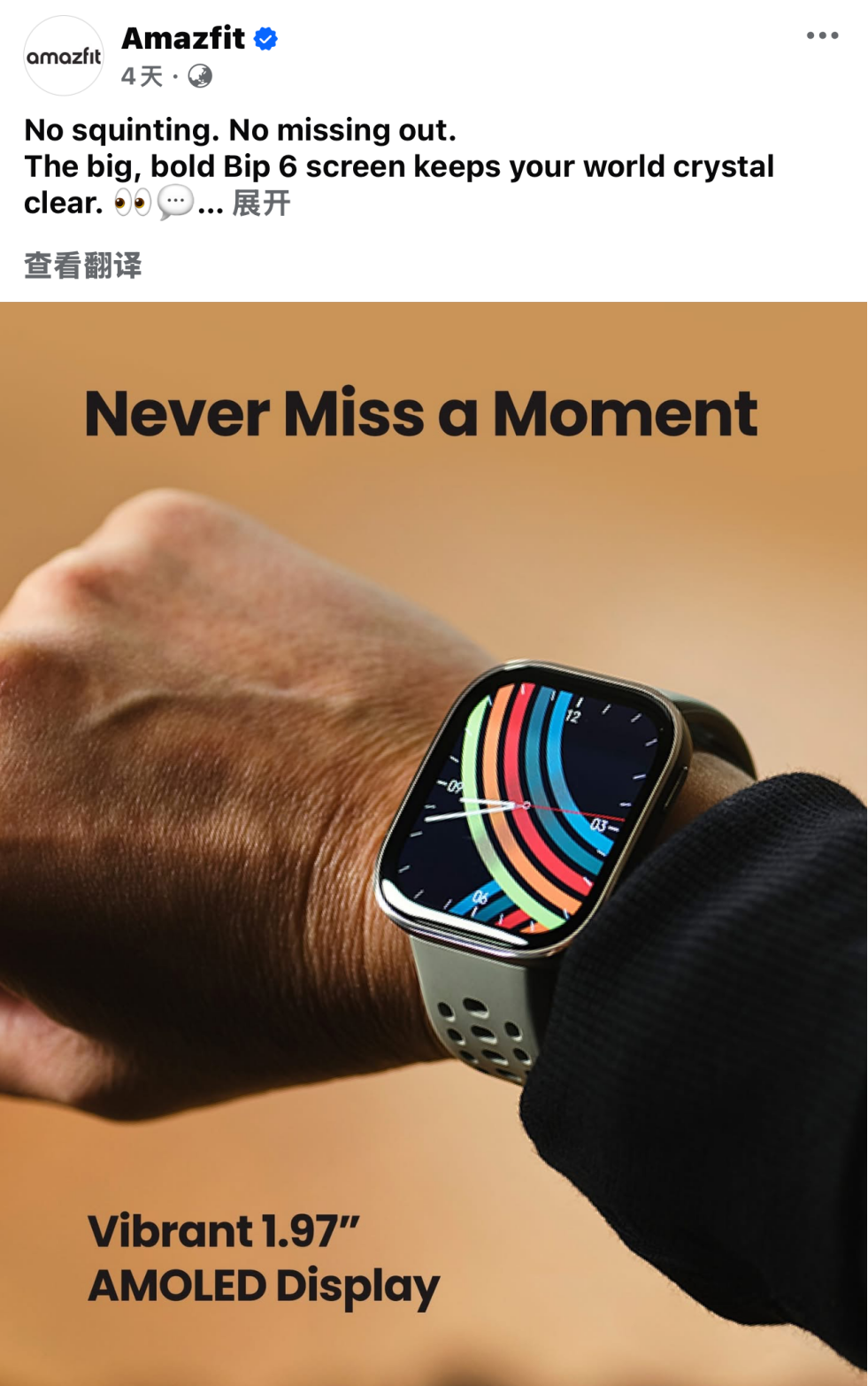
Auf dieser Plattform ermutigt die Marke Amazfit durch die Erstellung und Pflege offizieller Gruppen die Nutzer, ihre Erfahrungen zu teilen und Produkterfahrungen zu diskutieren, stärkt die emotionale Bindung zwischen Marke und Verbrauchern und fördert so die Mundpropaganda.
Quelle: Facebook
Aufbau einer eigenen Website: Schaffung eines eigenen Marken-Traffic-Pools
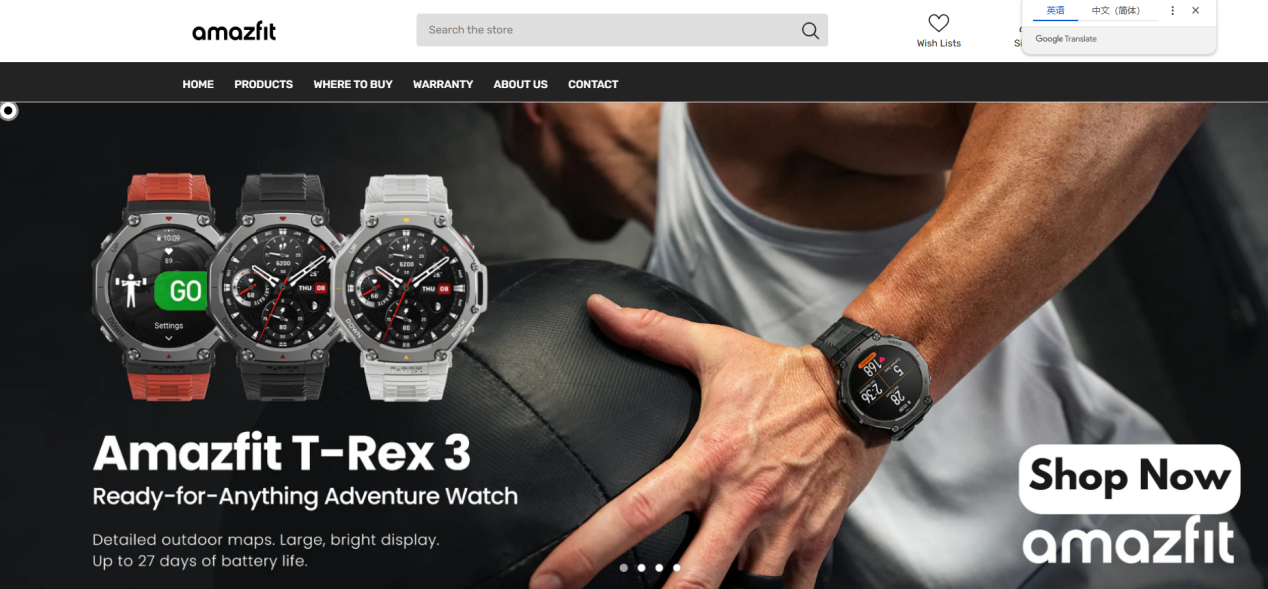
Um sich auf dem Überseemarkt zu etablieren, beschränkte sich die Marke Amazfit nicht auf Drittanbieter-E-Commerce-Plattformen, sondern baute eine eigene Website auf. Dieser Schritt eröffnete den Nutzern einen bequemeren und direkteren Kaufweg und bot ein nahtloses und reibungsloses Einkaufserlebnis, falls es auf Drittanbieterplattformen zu Kaufbeschränkungen oder -hindernissen kommen sollte, sodass der Kaufprozess der Nutzer nicht gestört wird.
Gleichzeitig richtete die Marke auf ihrer eigenen Website einen Blog-Bereich ein, der die Nutzer dazu ermutigt, ihre Nutzungsgeschichten zu teilen und ihre Erfahrungen auszutauschen. Diese nutzergenerierten Inhalte (UGC) bieten potenziellen Kunden auch echte und zuverlässige Produktreferenzen und helfen sehr dabei, die Aufmerksamkeit neuer und bestehender Kunden zu gewinnen und Käufe zu fördern.
Quelle: Amazfit
Fazit: Ein gangbarer Weg für chinesische Marken im Ausland
Derzeit befindet sich der globale Markt für intelligente Wearables noch in einer Phase des schnellen Wachstums. Die Durchdringungsrate in aufstrebenden Märkten wie Südostasien und dem Nahen Osten liegt unter 15 %.
Für inländische Unternehmen zeigt der Weg von Amazfit einen gangbaren Kanal auf. Nämlich, mit differenzierten Produkten einen leeren Markt zu besetzen, mit Social-Media-Marketing emotionale Verbindungen aufzubauen und mit einer eigenen Website einen Marken-Traffic-Pool aufzubauen.
Wenn „Made in China“ auf die weltweit steigende Nachfrage trifft, ist der Gang ins Ausland keine Option mehr, sondern eine Pflichtaufgabe!