 2010
2010Ein kurzes Video, das von einem normalen Nutzer hochgeladen wurde, ließ die chinesische Hausschuhmarke „Puxi“ im Ausland durch die Decke gehen. Im Video beschrieb der Nutzer die Hausschuhe mit dem Ausdruck „Eintrittgefühl“ für ihre weiche Haptik, und die Kommentarspalte war voller „Hahaha“ und „Will das gleiche Modell“ in verschiedenen Sprachen. Dieses zufällige Video erzielte innerhalb einer Woche über 500.000 Aufrufe und steigerte den Umsatz von Puxi-Hausschuhen direkt um 500 %.
Das ist die Magie von TikTok – der „organische“ Effekt der Nutzerverbreitung kann effektiver sein als Geld für Werbung auszugeben. Aber für Marken, die ins Ausland gehen, reicht Glück allein bei weitem nicht aus.

Quelle: Internet
Interesse mit der „Sprache der Nutzer“ wecken
Das Schwierigste auf dem Überseemarkt ist oft nicht das Produkt, sondern wie man die Verbraucher die Marke „verstehen“ lässt.
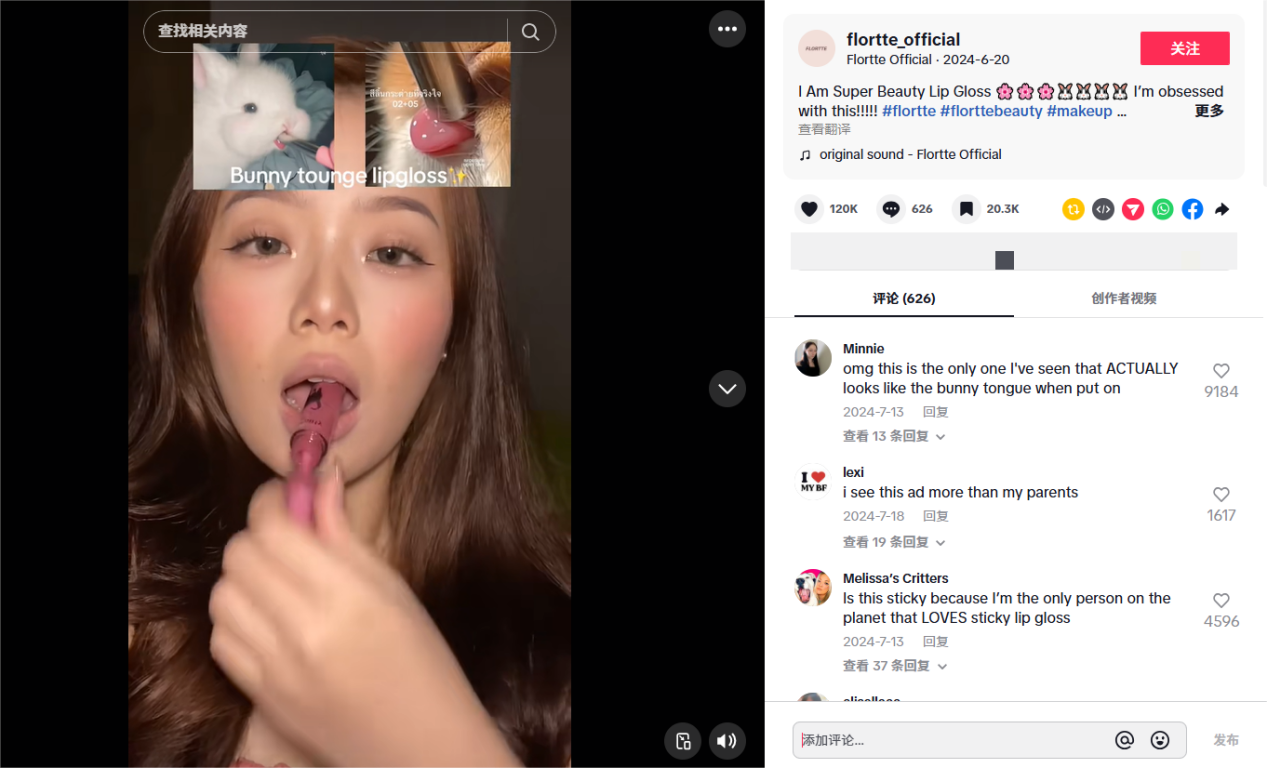
Die Beauty-Marke Florasis hat genau das erkannt und den südostasiatischen Markt mit einer direkten Herangehensweise erobert. Sie stellten fest, dass lokale Verbraucher anschauliche Swatch-Inhalte bevorzugen, und veröffentlichten ein kurzes Swatch-Video. Ohne aufwendige Kulissen oder Filter zeigte es einfach die Farbabgabe und Textur des Lipgloss. Dieses „einfach und direkt“ Video erreichte schließlich 12,5 Millionen Aufrufe und 120.000 Likes, was die Verkaufszahlen direkt in die Höhe trieb.
Kernlogik: Marken müssen die Haltung aufgeben, „Nutzer zu erziehen“, und stattdessen mit lokalisierter Sprache und Szenen mit den Verbrauchern kommunizieren – sei es durch lustige Memes oder praktische Tests.

Quelle: TikTok
Echte Mundpropaganda ist „verkaufsstärker“ als Werbung
Auf TikTok sind von Nutzern selbst erstellte UGC-Inhalte (User Generated Content) der wahre Schlüssel zum Traffic.
Die Haushaltsreinigungsmarke Seaways versteht das genau. Sie ermutigen Nutzer, „Vorher-Nachher“-Videos ihrer Produkte zu drehen: Ein schmutziger Teppich wird nach der Reinigung mit dem Reiniger makellos, eine fettige Küchenarbeitsplatte erstrahlt sofort wie neu ... Diese echten, fast schon „rohen“ Vergleichsbilder sprechen direkt die Schmerzpunkte der Verbraucher an und steigern den Umsatz um 200 %.
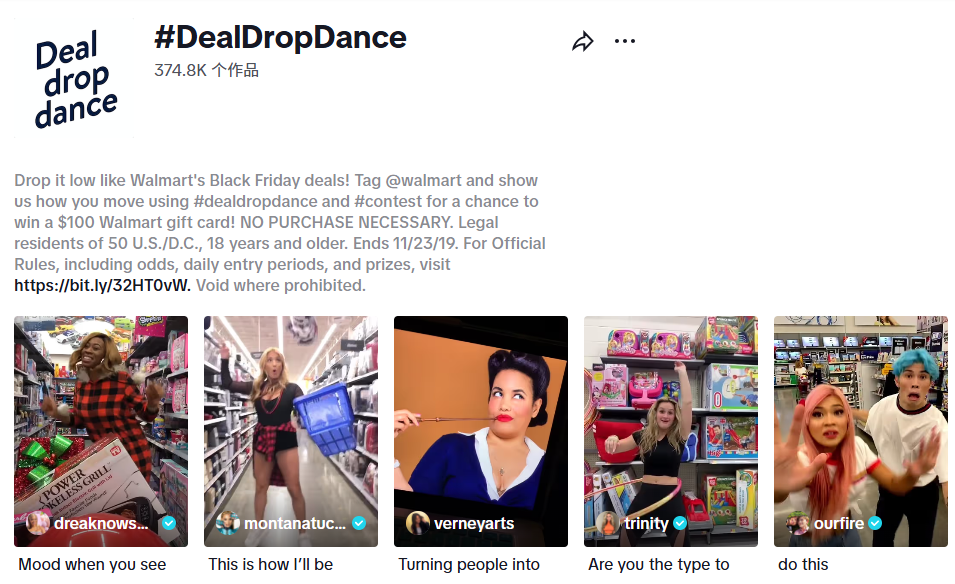
Sogar Einzelhandelsriesen wie Walmart machen mit. Sie starteten die #DealDropDance-Challenge und luden Nutzer ein, Videos zu drehen, in denen sie in den Supermarkt-Gängen tanzen. Diese erreichte schließlich 17 Millionen Follower und verwischte mit unterhaltsamen Inhalten die Grenze zwischen Werbung und sozialen Medien.

Quelle: TikTok
Nur wenn man mit den Nutzern „spielt“, kann man langfristig wachsen
Das Wesen von TikTok ist eine Interessensgemeinschaft. Marken müssen einen Weg finden, mit den Nutzern zu „spielen“. Auf TikTok kaufen Verbraucher nicht nur ein Produkt, sondern auch ein Gefühl der Teilhabe und Identifikation.
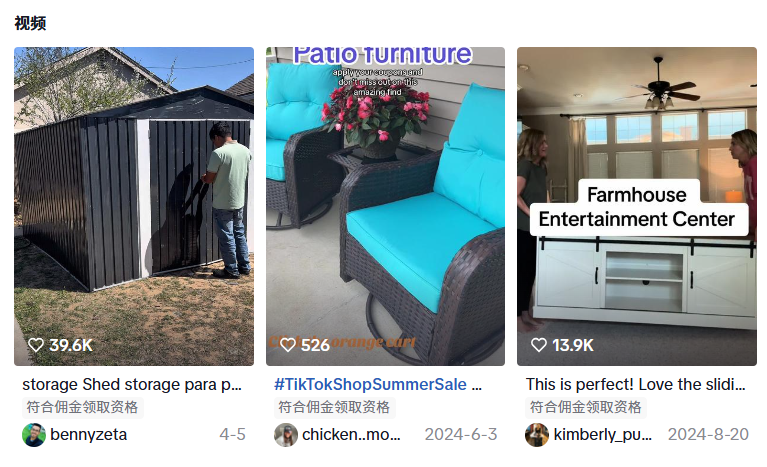
Die Outdoor-Möbelmarke Kullavik hat dies erreicht, indem sie ihre Produkte in „soziale Währung“ verwandelte, um Traffic zu konvertieren. Sie arbeiteten mit 87 Influencern zusammen und veröffentlichten 107 Unboxing- und Aufbauvideos. Nutzer wurden sogar dazu eingeladen, während eines Livestreams auf einer Hängeschaukel zu plaudern. Diese „immersive Erfahrung“ ließ einen Korb-Hängesessel für über 200 US-Dollar innerhalb von 20 Tagen einen Umsatz von 1,7 Millionen Yuan erzielen.

Quelle: TikTok
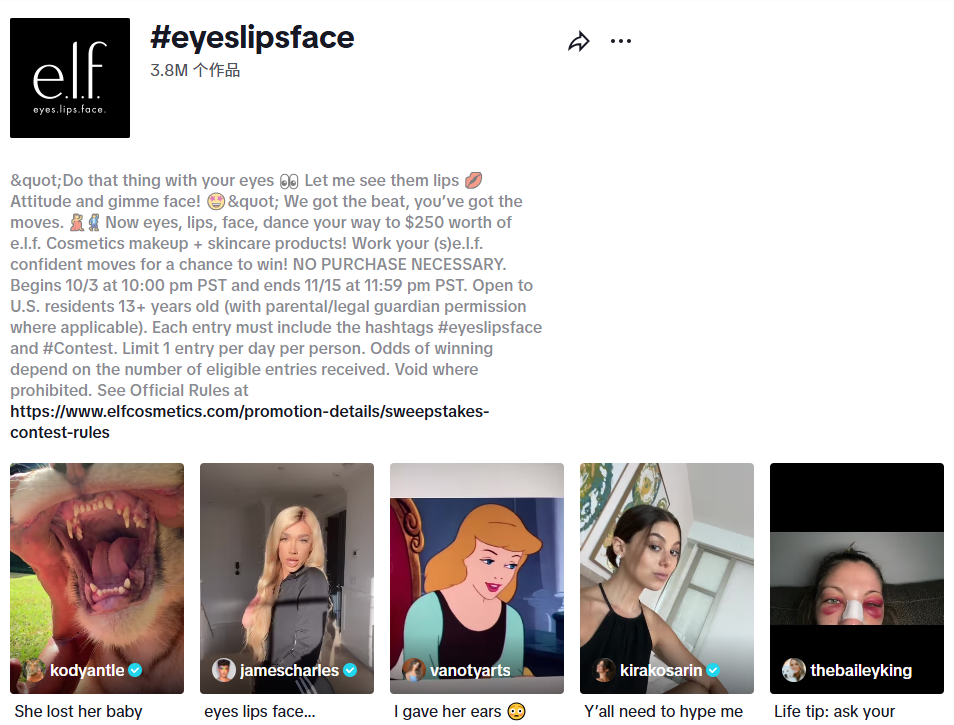
Die Beauty-Marke e.l.f. ging noch einen Schritt weiter. Nachdem sie feststellten, dass Nutzer auf TikTok über 3 Millionen markenbezogene Videos erstellt hatten, starteten sie direkt eine Challenge unter dem vollständigen Markennamen #eyelipsface. Diese erzielte schließlich 7 Milliarden Aufrufe und brachte den Challenge-Song sogar auf Platz 4 der Spotify-Charts.

Quelle: TikTok
Den Weg „vom Impuls zur Bestellung“ verkürzen
Egal wie groß der Traffic ist, wenn er nicht konvertiert wird, ist es nur Selbstzufriedenheit. Ob B2B-Anfragen oder B2C-Verkäufe, Marken müssen basierend auf den Produkteigenschaften den kürzesten Konvertierungspfad entwerfen – damit Verbraucher im „Impulsmoment“ sofort handeln können.
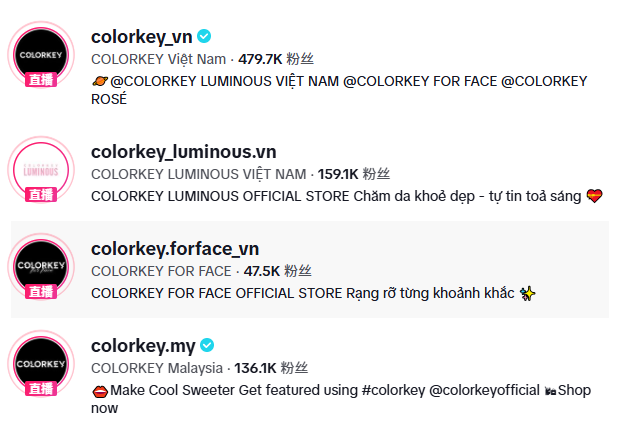
Die Strategie der chinesischen Beauty-Marke Colorkey auf dem vietnamesischen Markt ist sehr beachtenswert. Die Marke veröffentlicht täglich Inhalte und jedes Video zeigt das Produkt mit lokalen Models. Der Hashtag #colorkey erzielte über 27 Millionen Aufrufe. Durch häufige Interaktionen bauten sie schrittweise einen Kreislauf aus „Content-Seeding – Livestream-Konvertierung – Wiederkauf“ auf.

Quelle: TikTok
Fazit: Authentizität ist wichtiger als Perfektion
Marken, die ins Ausland gehen, müssen nicht nach „Hochwertigkeit“ streben, sondern sollten stattdessen ihre Zurückhaltung ablegen und das Produkt zu einem Teil des Lebens der Nutzer machen. Wie der Onkel aus Sichuan, der auf TikTok still die ländliche Küche Chinas filmt – ohne ausgefeilten Schnitt, nur mit einer dampfenden Schüssel Fischsuppe, aber dennoch 300.000 ausländische Nutzer begeistert.
Letztendlich ist die Logik, TikTok zu erobern, einfach: Behandle die Nutzer wie Freunde, nicht wie Verbraucher.