
 2300
2300In letzter Zeit sorgt eine Welle im Cross-Border-E-Commerce-Bereich für Aufsehen … Die US-Marke Kitsch hat aufgrund von Urheberrechts- und Patentproblemen bei Produkten wie hitzefreien Lockenwicklern und Badezimmer-Aufbewahrungsregalen häufig Klagen eingereicht, die mit den Fallnummern 25-cv-00520 und 24-cv-05628 nacheinander in die Branchen-Hot-Trends aufgenommen wurden.

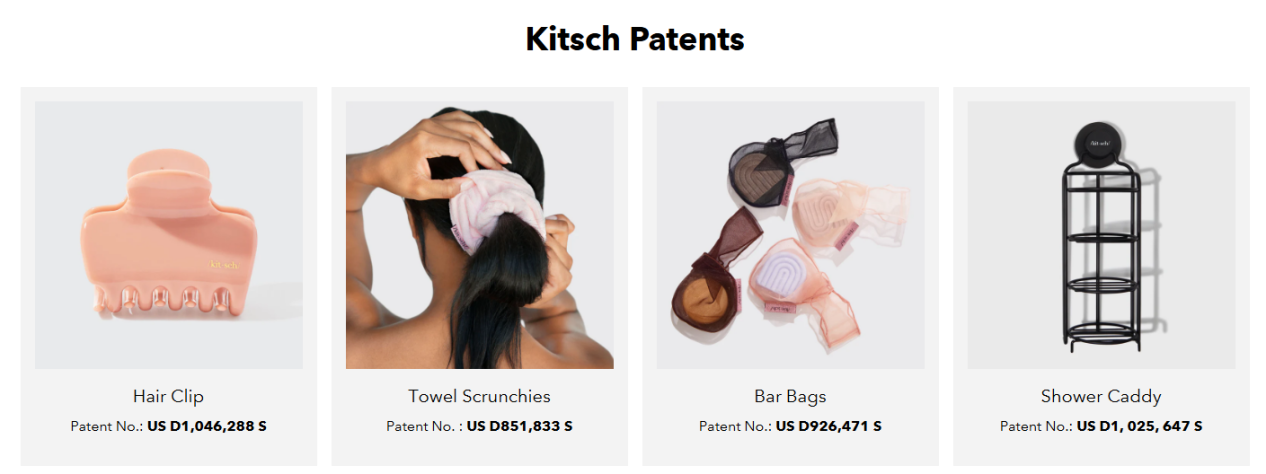
Abbildung: Kitsch
Diese Serie von Rechtsstreitigkeiten hat auch die im Stillen aufgestiegene US-DTC-Marke ins Rampenlicht gerückt. Ausgehend von einer kleinen handgefertigten Haaraccessoire-Werkstatt hat sie sich in etwas mehr als zehn Jahren in die Spitzenliga von über 27.000 Einzelhandelsgeschäften in 27 Ländern katapultiert. Im Jahr 2023 überstieg der weltweite Umsatz 120 Millionen US-Dollar, ein Anstieg von 25 % im Vergleich zum Vorjahr.
Im Folgenden zeigt Ihnen Tuke, wie sich diese Marke „im Stillen entwickelt“ hat.

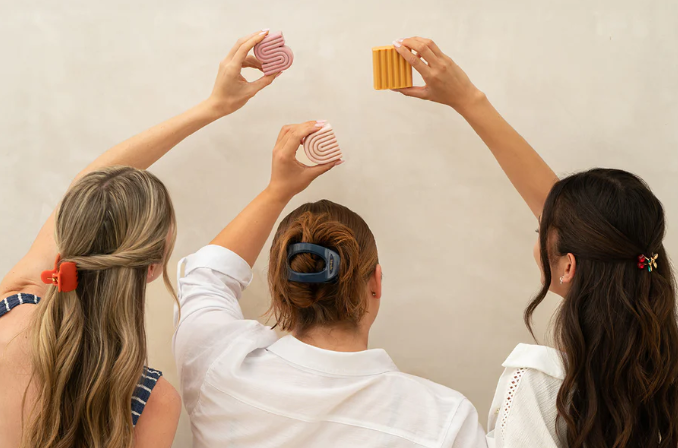
Abbildung: Kitsch
Vom Familienbetrieb zur globalen Marke
Am Erntedankfest 2009 bemerkte die Gründerin Cassandra Morales Thurswell, dass die Haaraccessoires ihrer Familienmitglieder nicht zu ihren sorgfältig ausgewählten Outfits passten. Dieses Detail regte sie zum Nachdenken über das „Ungleichgewicht zwischen Ästhetik und Funktionalität“ an. Im darauffolgenden Jahr begann sie zu Hause, handgefertigte Haargummis herzustellen und diese direkt an Verbraucher, Friseursalons und Boutiquen zu verkaufen, was den offiziellen Start der Marke Kitsch markierte.


Cassandra Morales Thurswell
Das frühe flexible Anpassungsmodell half der Marke, schnell einen guten Ruf aufzubauen. Innerhalb von 14 Jahren erweiterte sich Kitsch von Haaraccessoires auf die gesamte Produktpalette der Haarpflege, Hautpflege und des Lebensstils mit über 320 Produkten, die in 27 Ländern und 27.000 Einzelhandelsgeschäften erhältlich sind, darunter große Ketten wie Ulta Beauty und CVS.
Im Jahr 2023 erreichte der weltweite Umsatz 120 Millionen US-Dollar, ein Anstieg von 25 % im Vergleich zum Vorjahr, wobei Online-Kanäle 65 % ausmachten und die monatlichen Besuche der eigenen Website über eine Million betrugen. Kernprodukte wie das seidene hitzefreie Lockenset und feste Shampoos stehen seit langem auf den Bestsellerlisten von Amazon. Das TikTok-Thema #kitsch hat über 61.300 Beiträge angesammelt und ist zum Synonym für „gesunde Haarpflege“ der Generation Z geworden.

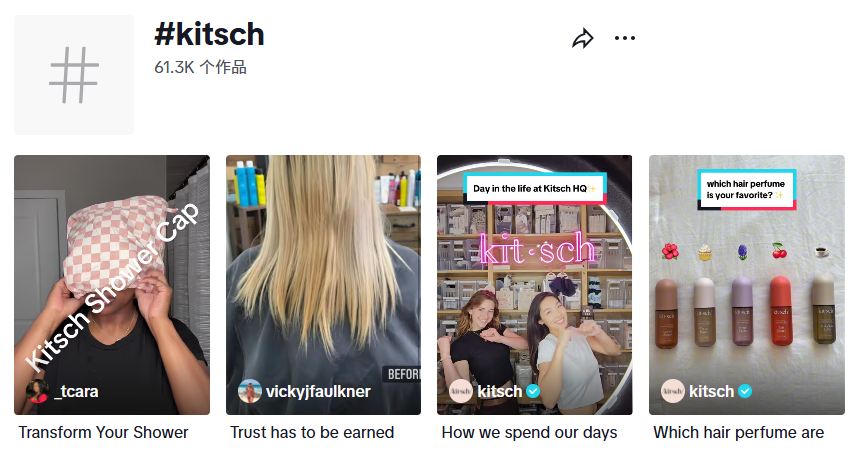
Abbildung: TikTok
„Doppelter Antrieb“ durch Branchentrends und Marktnachfrage
Der Durchbruch der Marke Kitsch ist auf zwei große Trends zurückzuführen: „nachhaltiger Konsum“ und „Social-Media-E-Commerce“.
Laut Daten von Drittanbieterplattformen wird für den globalen Schönheits- und Körperpflegemarkt im Jahr 2025 ein Umsatz von 677,19 Milliarden US-Dollar prognostiziert, mit einer erwarteten durchschnittlichen jährlichen Wachstumsrate (CAGR) von 3,37 % (2025-2030).

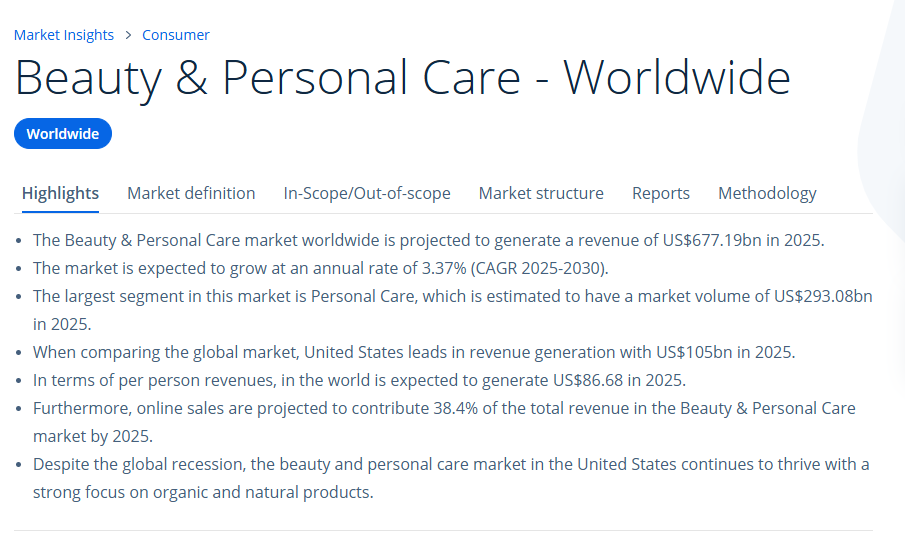
Abbildung: Statista
Der Anteil der 18- bis 35-jährigen Verbraucher steigt ebenfalls von Jahr zu Jahr. Ihre Nachfrage nach umweltfreundlichen, preiswerten und ästhetisch ansprechenden Produkten hat einen Trend zur „praktischen Ästhetik“ ausgelöst. Unter diesen Marktbedingungen positionierte sich Kitsch mit abfallfreier Verpackung und wiederverwendbarem Design (z. B. Stoffhaargummis) zu Preisen zwischen 5 und 30 US-Dollar und schloss damit die Lücke zwischen traditionellen Haaraccessoires und hochpreisigen nachhaltigen Marken.

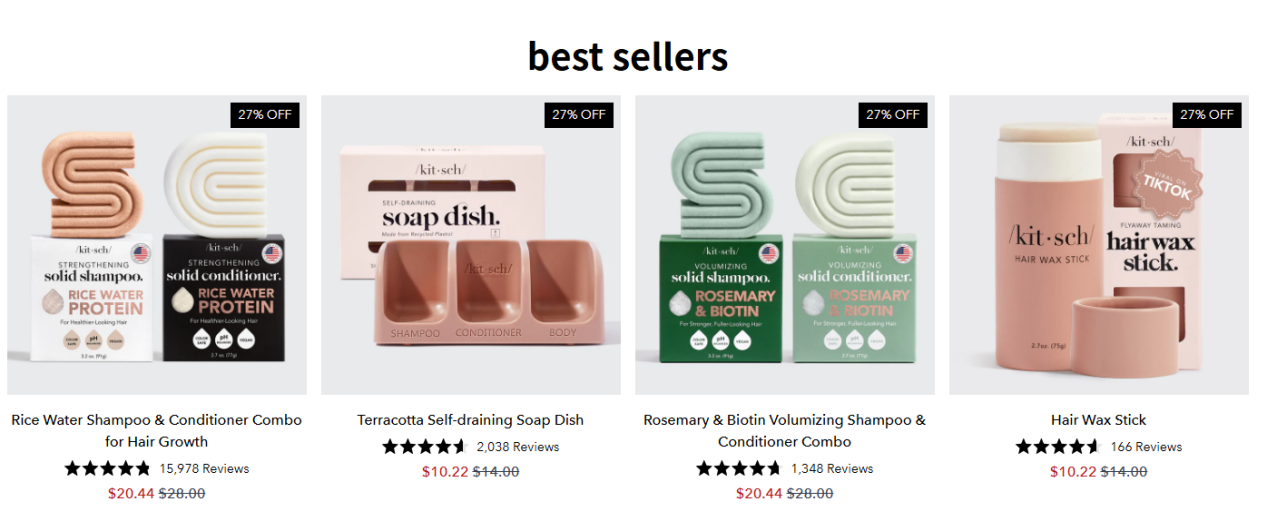
Abbildung: Kitsch
Gleichzeitig hat das „Content-E-Commerce“-Modell die Verbraucherkette für die spätere Entwicklung der Marke neu gestaltet. Kitsch nutzte diese Gelegenheit, um durch Influencer-Marketing, IP-Kooperationen (z. B. Hello Kitty, Wonder Woman) und Retro-Ästhetik-Inhalte seine Produkte in die alltäglichen Szenarien der Nutzer zu integrieren.

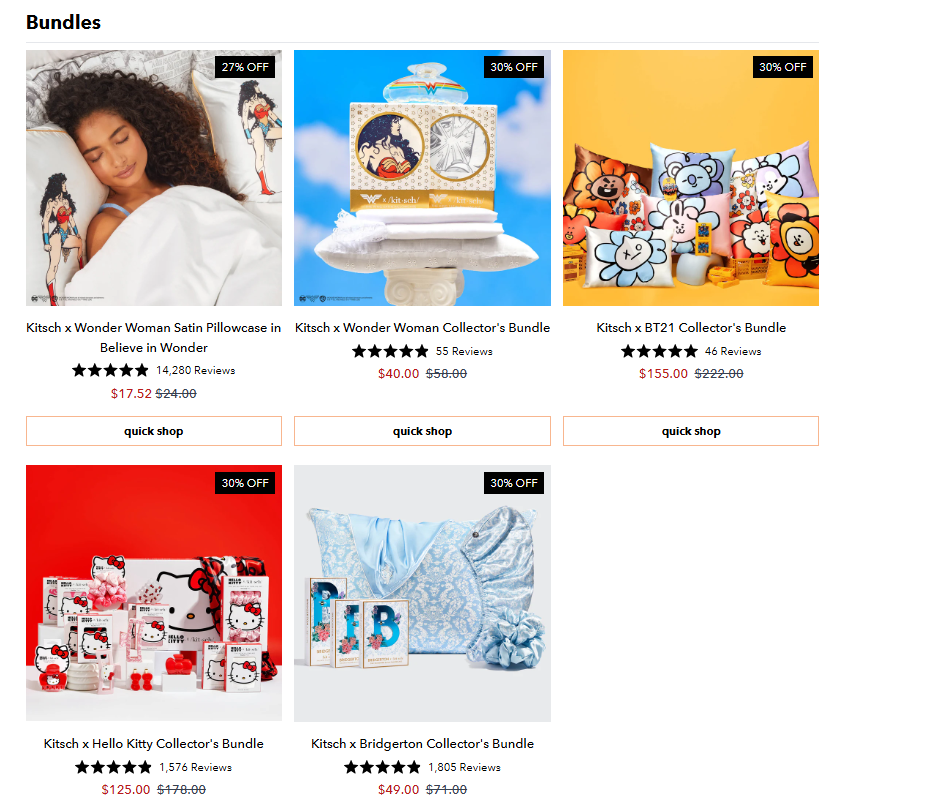
Abbildung: Kitsch
Multi-Plattform-Aufstellung: Durchdringung von Traffic bis zur Marke
Die internationale Expansion von Kitsch basiert nicht auf einem einzigen Kanal, sondern auf einem geschlossenen Ökosystem aus „Social-Media-Traffic-Generierung + DTC-Website-Bindung + Omnichannel-Abdeckung“.
-TikTok
Kitsch betrachtet TikTok als sein zentrales Schlachtfeld und setzt in der Gesamtstrategie hauptsächlich auf Influencer-Promotion und Live-Shopping.
Am Beispiel des kürzlich beliebten Kitsch Vintage Turban-Handtuchs für Damen: In den letzten 30 Tagen kamen 496 neue Influencer hinzu, die insgesamt 790 Produktvideos und 31 Live-Streams erstellten, mit einem geschätzten Umsatz von 325.000 US-Dollar. Dies bestätigt die Wirksamkeit der Strategie „hohe Content-Exposition + situative Echtzeit-Interaktion“ bei der Beschleunigung von Kaufentscheidungen.

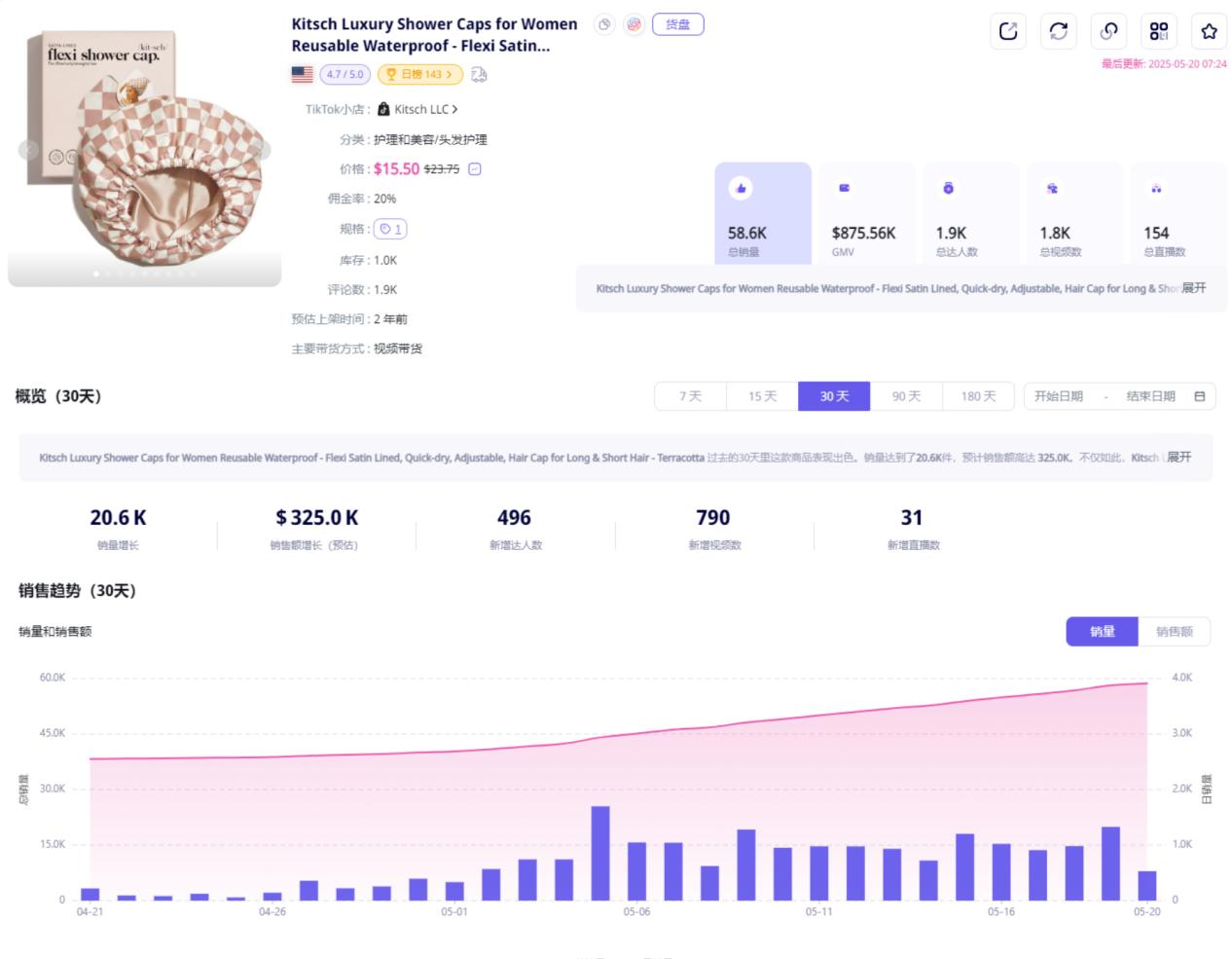
Abbildung: Echotik
Bei der Auswahl der Influencer zeigt die Liste der mit der Marke verbundenen Influencer, dass Kitsch nicht starr an der Höhe der Followerzahl festhält, sondern „vertikale Übereinstimmung + Szenario-Anpassung“ als Kernkriterium verwendet.
Dieses geschichtete Kooperationsmodell nutzt die Reichweite von Top-Influencern, um schnell Vertrauen aufzubauen, und dringt gleichzeitig durch die häufige Ansprache von Mid-Tier- und Mikro-Influencern in Nischengruppen ein, was letztendlich einen Kommunikationspfad von „breiter Abdeckung – starker Durchdringung – hoher Konversion“ schafft.

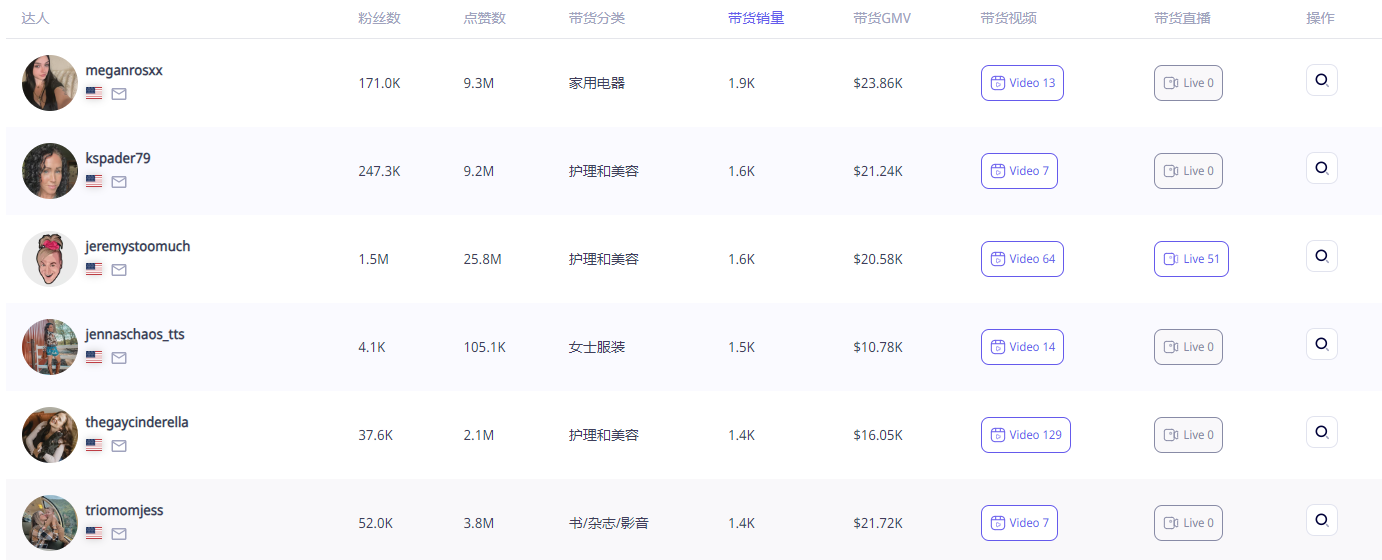
Abbildung: Echotik
Am Beispiel des TikTok-Influencers @shakeupyourmakeup: Obwohl dieser Influencer nur 73.500 Follower hat, erzielte er in der Zusammenarbeit mit Kitsch einen Rekord von 12,5 Millionen Aufrufen für ein einzelnes Video, was der Marke erheblichen Traffic und Aufmerksamkeit einbrachte.

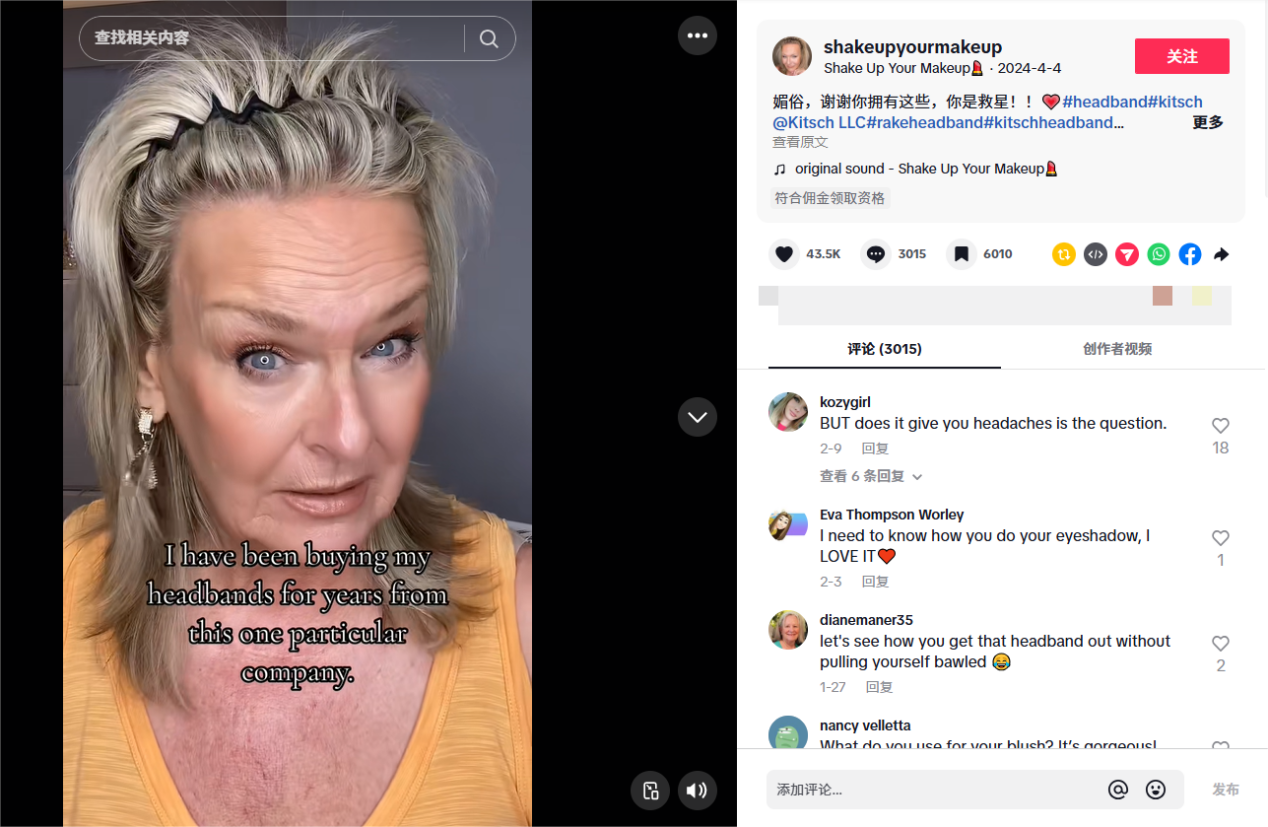
Abbildung: TikTok
Im Gegensatz zur Traffic-Generierung auf TikTok dreht sich die Instagram-Strategie von Kitsch stets um „visuelles Storytelling“. Die Daten des Kontos zeigen, dass die Marke insgesamt 3.980 Beiträge veröffentlicht und 1,19 Millionen Follower gewonnen hat.
Der Inhalt konzentriert sich auf Haarpflege, Schönheit und Lifestyle. Ausgehend von ihrer stets propagierten Positionierung als „Vorreiter des Vintage-Stils“ kreiert die Marke durch inszenierte Produktfotografie ein Image von „raffinierter Zweckmäßigkeit“.

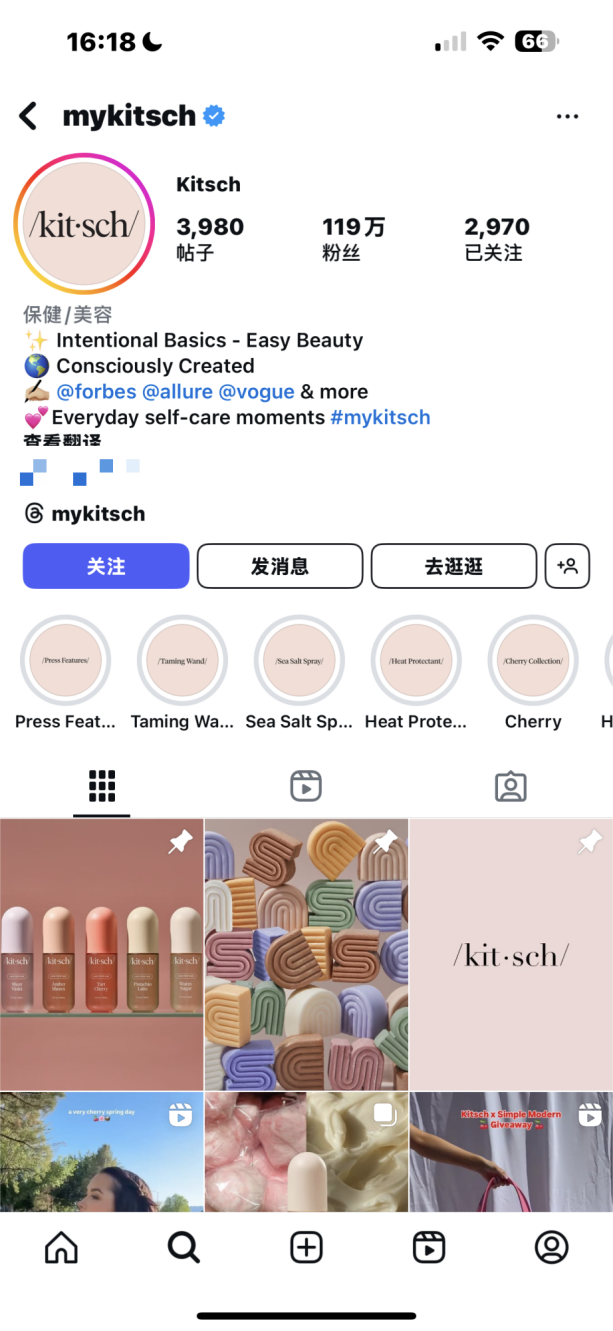
Abbildung: Instagram
-DTC-Website
Die DTC-Website von Kitsch ist nicht nur ein Verkaufskanal, sondern auch ein Markenerlebniszentrum. Bis April 2025 erreichte die Website durch ihr Mitgliedschaftssystem, zeitlich begrenzte Erstveröffentlichungen von Kooperationsprodukten und die Sammlung von nutzergenerierten Inhalten (UGC) insgesamt 1,668 Millionen Besuche. Obwohl dies einem Rückgang von 22,7 % im Vergleich zum Vormonat entspricht, führt sie dennoch mit deutlichem Vorsprung in der gleichen Kategorie.

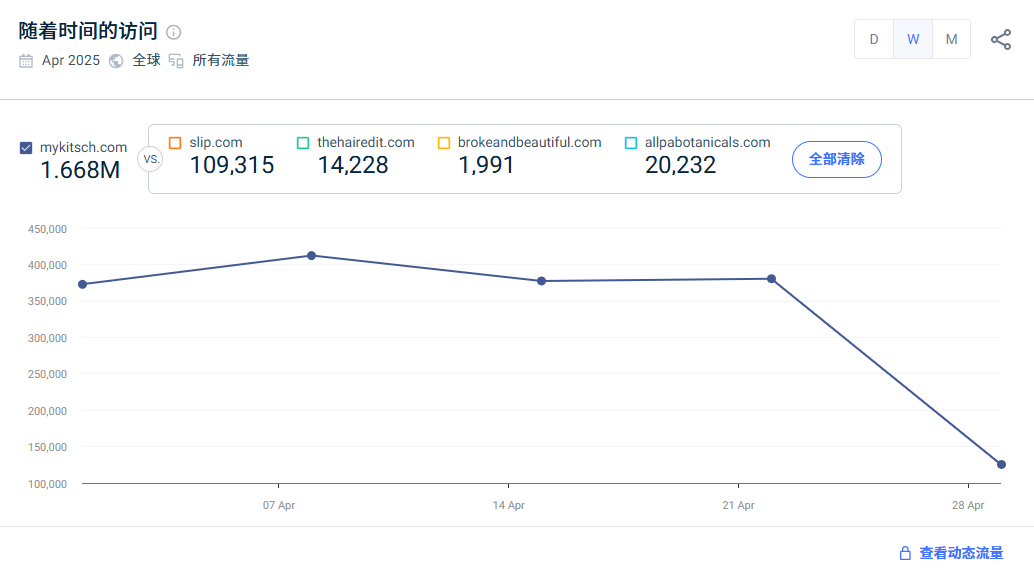
Abbildung: similarweb
In der Traffic-Struktur macht direkter Traffic 41,58 % und Social-Media-Traffic 25,59 % aus, was zeigt, dass die Marke eine synergetische Wirkung mit ihren Aktivitäten auf TikTok und Instagram erzielt hat.
Diese „De-Plattformierungs“-Strategie reduziert nicht nur die Abhängigkeit von Drittanbieter-Kanälen, sondern liefert auch Daten für personalisiertes Marketing.
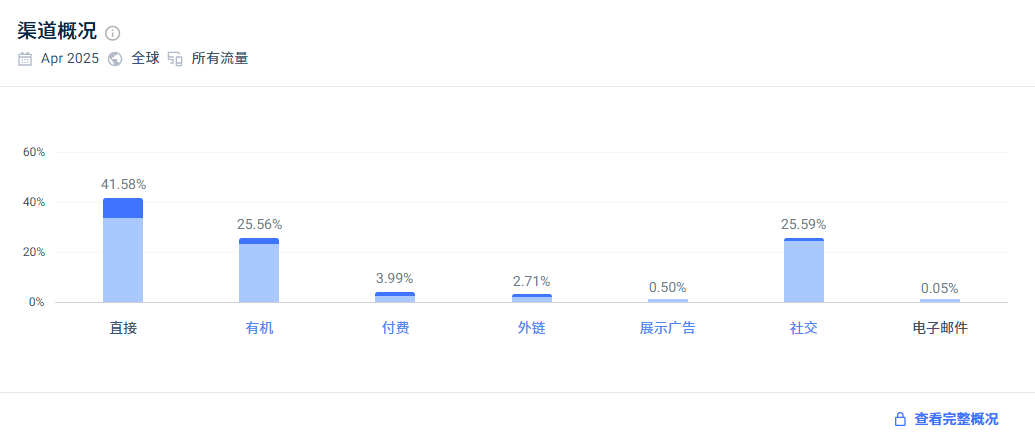
Abbildung: similarweb
Fazit
Der Überseemarkt ist kein „Winner-takes-all“-Spiel; präzise Positionierung, tiefgehende Social-Media-Durchdringung und Omnichannel-Betrieb können immer noch Lücken öffnen. Für chinesische Unternehmen bedeutet der Gang ins Ausland nicht nur den Verkauf von Waren, sondern auch die globale Vermittlung des Markenwerts.
Derzeit erlebt der globale Konsummarkt eine neue Runde der Umstrukturierung. Ob die Social-Media-Dividende in Südostasien oder die starke Nachfrage in Europa und Amerika nach nachhaltigen Produkten – all dies bietet chinesischen Marken die Chance, „die Spur zu wechseln und zu überholen“. Aber hinter den Chancen stehen die dreifache Bewährungsprobe von Produktstärke, Content-Stärke und Compliance-Stärke. Die Geschichte der Marke Kitsch lehrt uns: Es gibt keine Abkürzungen beim Gang ins Ausland; nur wer tief in Werte investiert, kann die Zyklen überdauern.