 2063
2063In den letzten Jahren ist der globale Markt für Audiogeräte aufgrund der gestiegenen Nachfrage der Verbraucher nach Heimunterhaltung, mobilem Arbeiten und Audio- und Videoerlebnissen schnell gewachsen.
Laut Daten von Grand View Research wurde der globale Markt für Audiogeräte im Jahr 2023 auf 32,69 Milliarden US-Dollar geschätzt, und es wird erwartet, dass er zwischen 2024 und 2030 mit einer durchschnittlichen jährlichen Wachstumsrate von 11,5 % schnell wächst.

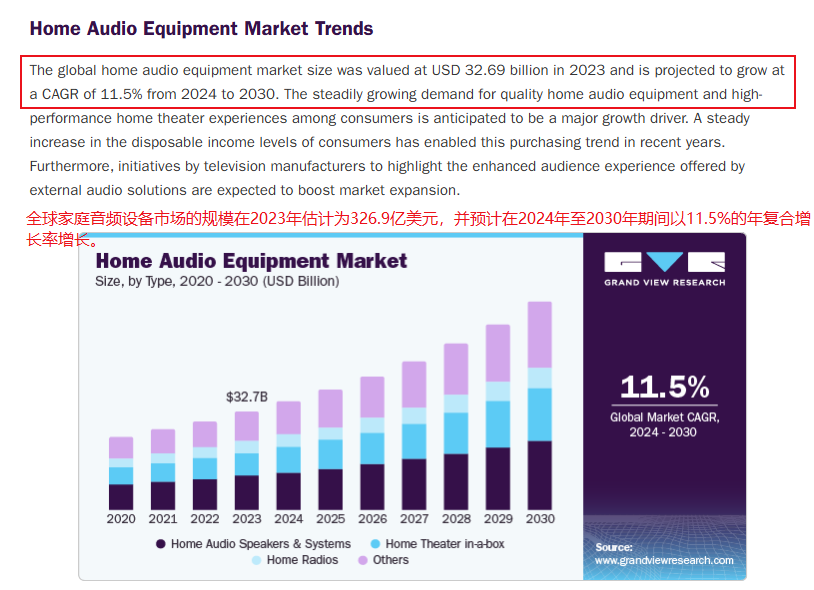
Quelle: Grand View Research
In diesem Trend sind hohe Kosteneffizienz, technologische Innovation und lokalisierte Erlebnisse zu Schlüsselfaktoren für den Markterfolg geworden. Die Marke EDIFIER aus Shenzhen, China, ist ein repräsentatives Beispiel, das diese Gelegenheit ergriffen hat.
Von den anfänglichen Multimedia-Lautsprechern bis hin zu Kopfhörern, professionellen Lautsprechern, Autolautsprechern und vielen anderen Kategorien hat sich die Marke EDIFIER durch 29 Jahre intensiver Arbeit nach und nach in mehr als 80 Länder und Regionen weltweit ausgebreitet.
Seit 2021 übersteigt ihr jährlicher Gesamtumsatz 2 Milliarden Yuan. Im Jahr 2024 erreichte der Gesamtumsatz sogar 2,943 Milliarden Yuan und näherte sich damit der 3-Milliarden-Marke.
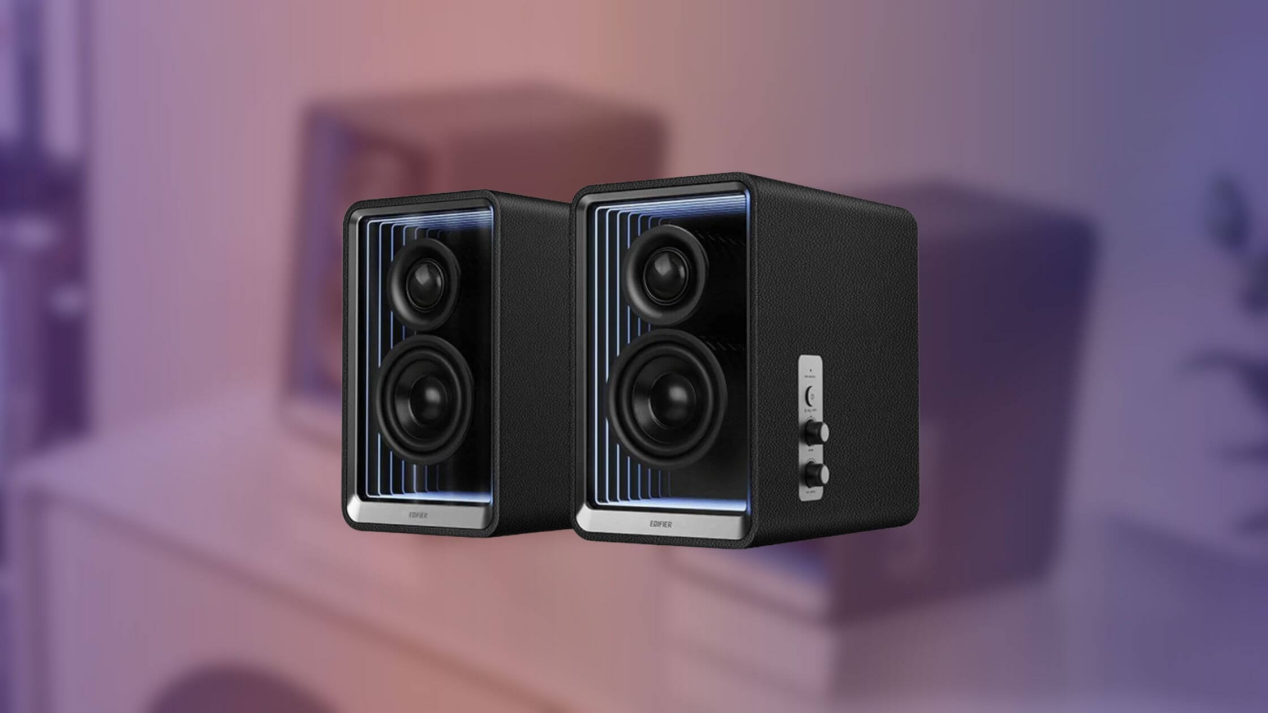
Quelle: EDIFIER
Vom BIT-Schlafsaal zum globalen Markt: Der Weg der Marke
Die Geschichte der Marke EDIFIER reicht bis ins Jahr 1994 zurück.
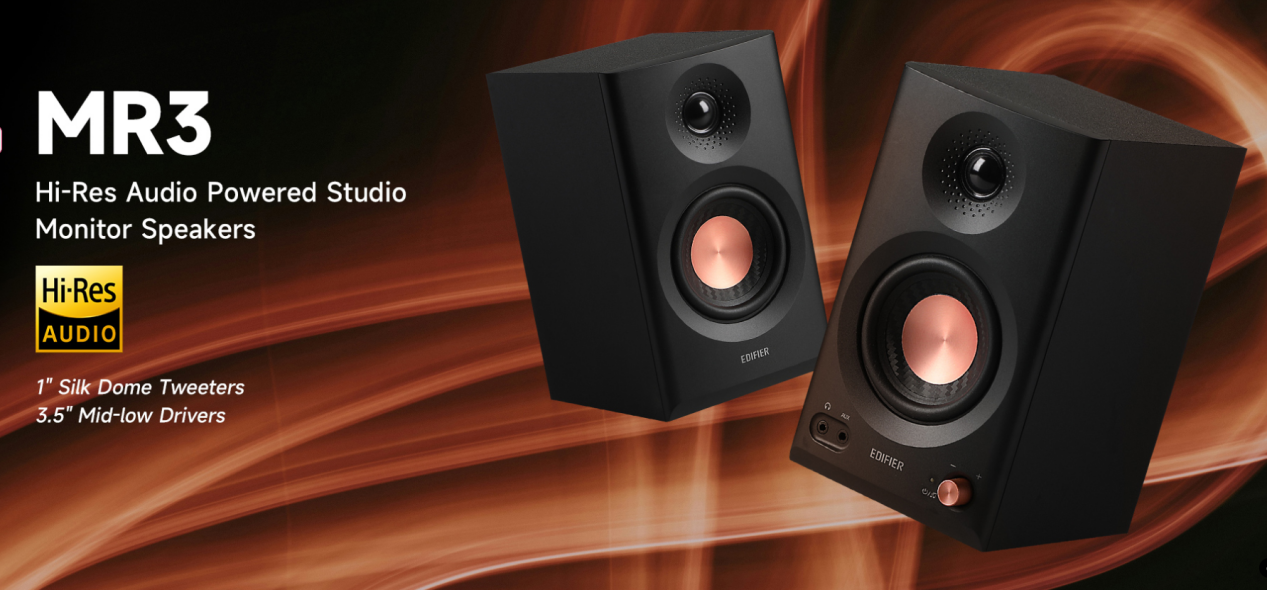
In diesem Jahr entwarfen und fertigten die beiden Gründer, Herr Zhang und Herr Xiao, aus Leidenschaft für Audio eigenhändig Aktivlautsprecher mit hervorragender Klangqualität in ihrem Schlafsaal am Beijing Institute of Technology (BIT), was die erste Form der Marke darstellte.
1996 wurde mit den gemeinsamen Anstrengungen der beiden Gründer die Edifier Group offiziell gegründet und die Marke EDIFIER eingeführt, die sich in der heimischen Audioindustrie zu profilieren begann.
Quelle: EDIFIER
Im Jahr 2003 weitete die Marke ihren Horizont auf Überseemärkte aus und ging eine Partnerschaft mit dem bekannten US-Einzelhändler RadioShack ein, wodurch sie erfolgreich die Tür zum nordamerikanischen Markt öffnete.
Aber Marktveränderungen sind immer unberechenbar. Im Jahr 2022 erlebte der globale Markt für intelligente Audiogeräte einen Winter, mit stark rückläufigen Auslieferungen und einem drastischen Rückgang der Nachfrage in Europa und Nordamerika.
Angesichts der Schwierigkeiten entschied sich die Marke EDIFIER, einen anderen Weg einzuschlagen und richtete ihren Fokus auf den südostasiatischen Markt. Diese Region hat viele junge Verbraucher, was einen großen Entwicklungsraum für 3C-Elektronikprodukte schafft und gut zur Marktanpassungsfähigkeit chinesischer Marken passt.
Es ist bekannt, dass EDIFIER zunächst versuchte, mit einer Niedrigpreisstrategie in den südostasiatischen Markt einzusteigen, sich auf Low-End-Produkte konzentrierte und versuchte, durch Preisvorteile schnell Marktanteile zu gewinnen. Die Praxis zeigte jedoch, dass man sich allein durch Niedrigpreiswettbewerb kaum am Markt behaupten kann; diese Strategie brachte nur kurzfristige Markteffekte.
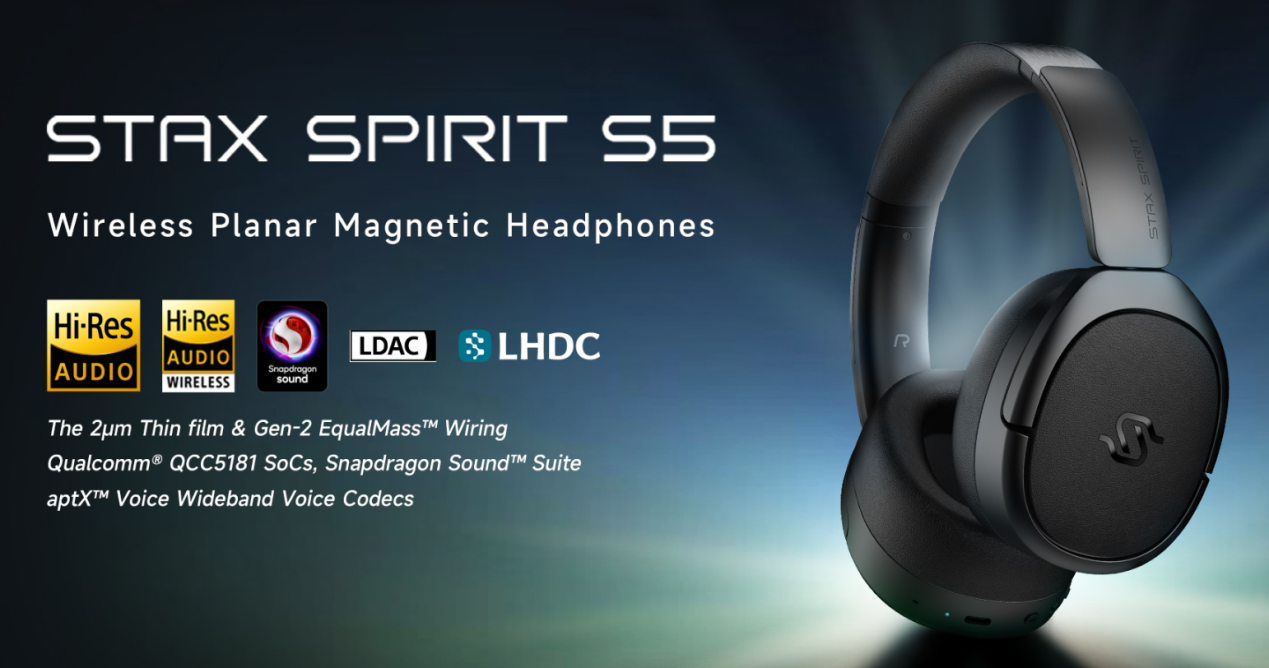
Daher wechselte die Marke EDIFIER später zu einer Strategie des „Hoch ansetzen, tief schlagen“, indem sie auf die technologischen Errungenschaften ihrer mittleren bis hochwertigen Produkte (wie Bluetooth-Konnektivität, Geräuschunterdrückung) und den Markenruf setzte, um nach und nach das Vertrauen der Verbraucher zu gewinnen und eine solide Grundlage für die langfristige Entwicklung zu schaffen.

Quelle: EDIFIER
Social-Media-Marketing: Nutzer mit echten Erlebnissen ansprechen
Auf den Überseemärkten verließ sich die Marke EDIFIER nicht auf traditionelle Werbung, sondern trat über soziale Medien in direkten Dialog mit den Nutzern.
1. TikTok: Lebensnahe Szenen schaffen Nähe
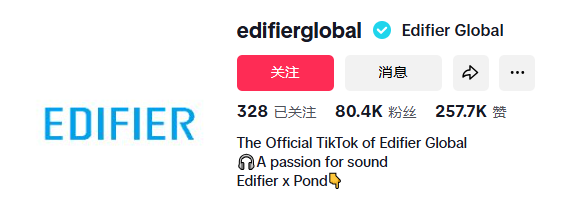
Bis heute hat der offizielle Account @edifierglobal der Marke EDIFIER auf TikTok 80.400 Follower und 257.700 Likes erhalten.

Quelle: TikTok
Die auf dem Account veröffentlichten Kurzvideos konzentrieren sich auf Produkt-Unboxings und echte Nutzungserfahrungen der Benutzer.
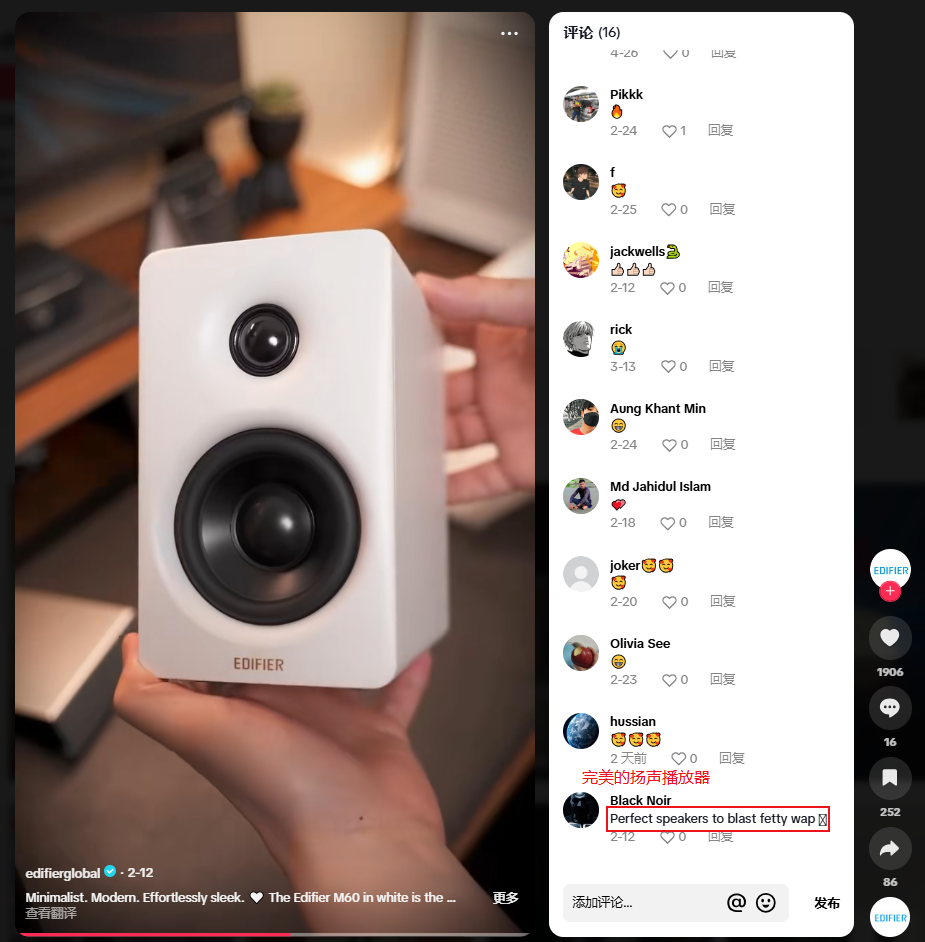
Nehmen wir als Beispiel ein Video mit 1,3 Millionen Aufrufen. Der Inhalt dieses Videos ist sehr einfach: Der Benutzer zeigt nach Erhalt eines Heimlautsprechers der Marke EDIFIER den Unboxing-Prozess und die Nutzungswirkung.
Aber gerade diese Art von „ungefiltertem“ Inhalt ermöglicht es den Zuschauern, die Größe, Klangqualität und Design-Details des Produkts intuitiver und authentischer wahrzunehmen.
Viele Nutzer mochten dieses Video, und einige wurden angezogen und hinterließen im Kommentarbereich: „Perfekter Lautsprecher!“

Quelle: TikTok
Die Marke EDIFIER nutzt auch Promi-Effekte, um die Markenbekanntheit zu steigern.
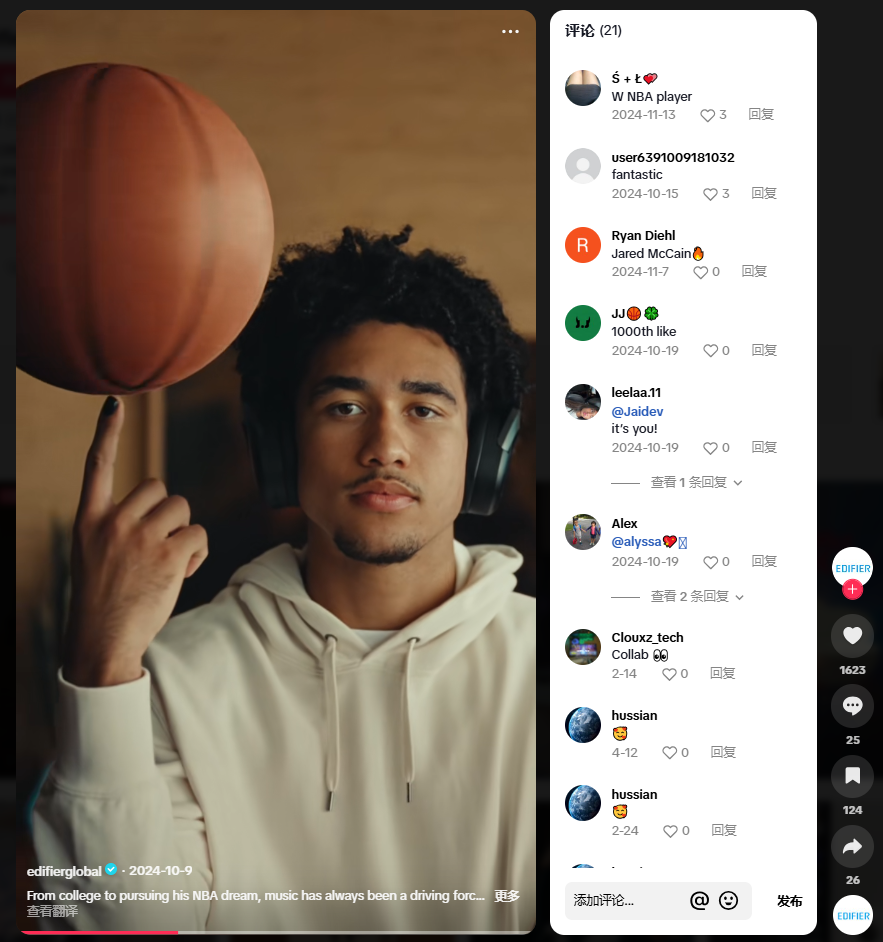
Zum Beispiel arbeitete sie mit dem NBA-Star Jared McCain, der auf TikTok 4,7 Millionen Follower hat, zusammen, um eine Serie von Kurzfilmen mit dem Titel „Begleite mich durch den Tag“ für die Over-Ear-Kopfhörer der Marke EDIFIER zu drehen. Durch Szenen wie Fitness und Sport werden die Produktvorteile auf natürliche Weise vermittelt, was der Marke hilft, die Verbindung zum Lebensstil zu stärken.
Bis heute hat dieses kreative Kurzvideo über 1,3 Millionen Aufrufe erzielt, viele Fans zum Anschauen angezogen und ist sehr hilfreich für die Steigerung der Markenbekanntheit.

Quelle: TikTok
2. YouTube: Professionelle Tests schaffen Vertrauen
Auf der YouTube-Plattform arbeitet die Marke EDIFIER hauptsächlich mit professionellen Tech-Bloggern zusammen, um Produkte zu bewerben. Diese Blogger nutzen ihren Einfluss auf ihre Fangemeinde durch Formate wie Unboxing und Tests, um Markeninformationen an die Zielnutzer weiterzugeben.
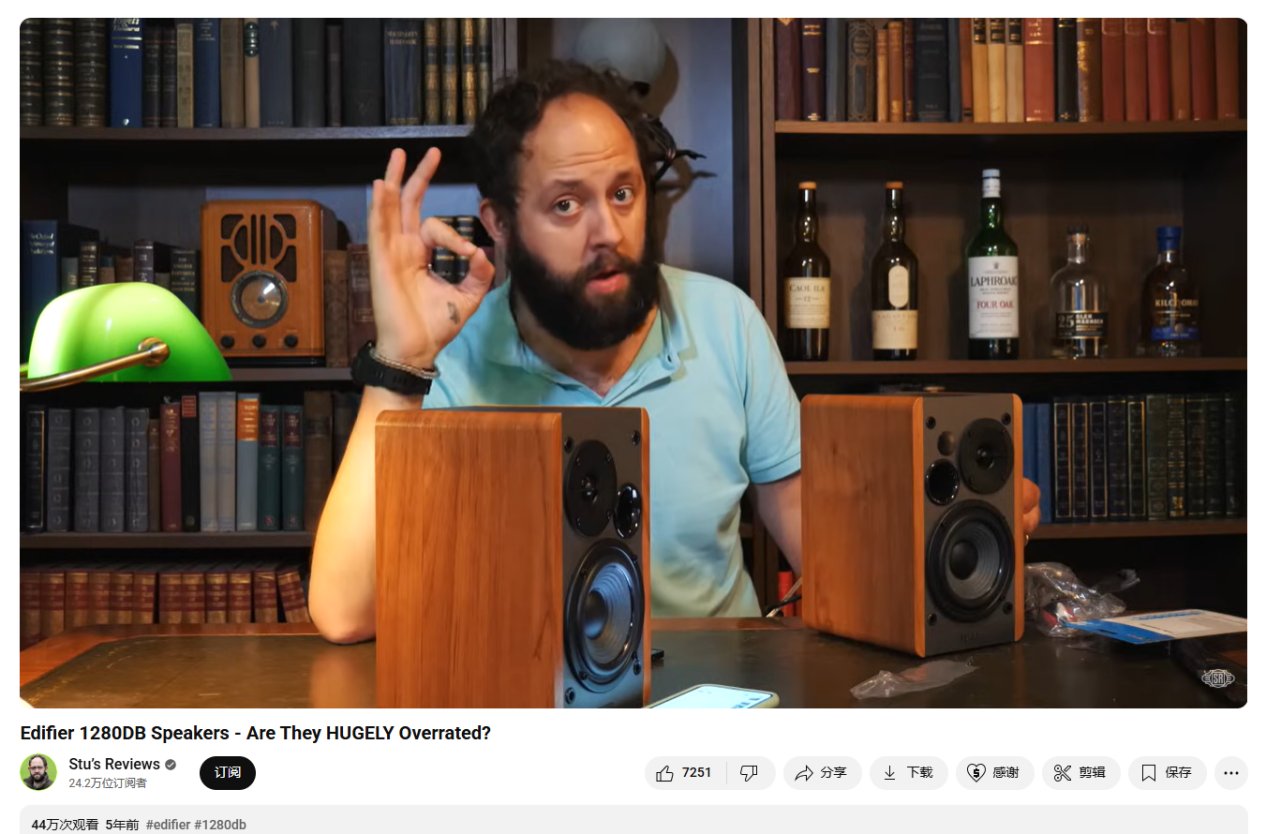
Der Tech-Blogger Stu's Reviews mit 242.000 Abonnenten ist einer von ihnen. Er hat ein ausführliches Unboxing- und Testvideo für den Lautsprecher EDIFIER 1280DB gedreht. Bis heute hat das Video 440.000 Aufrufe.
Während des Tests führte Stu's Reviews detaillierte Analysen und Tests zu den für Verbraucher wichtigsten Aspekten durch: Geräuschunterdrückungsleistung, Klangqualität und Multi-Device-Konnektivität, und beantwortete damit mögliche Fragen potenzieller Nutzer. Diese professionelle und tiefgehende Testmethode hilft den Nutzern, das Vertrauen in das Produkt zu stärken.

Quelle: YouTube
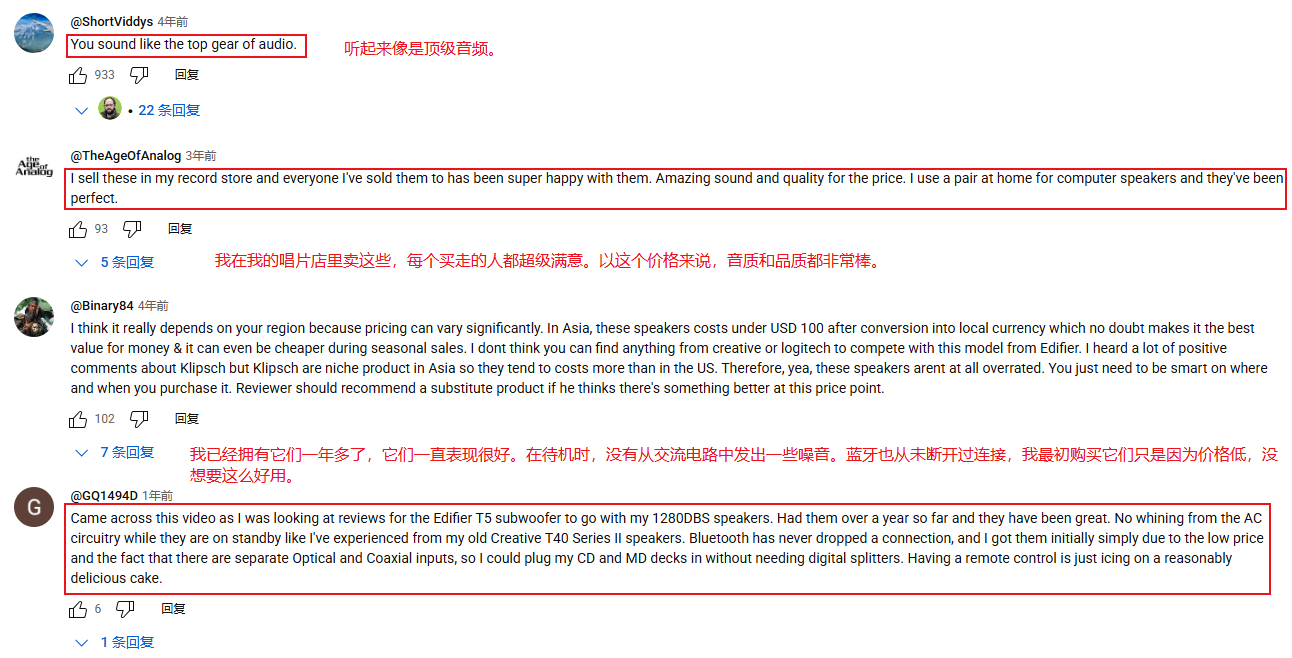
Viele Nutzer hinterließen nach dem Anschauen Kommentare im Bereich unter dem Video:
„Klingt wie erstklassiges Audio.“
„Ich verkaufe diese in meinem Plattenladen, und jeder, der sie kauft, ist super zufrieden. Für diesen Preis sind Klangqualität und Verarbeitung hervorragend.“
„Ich habe sie seit über einem Jahr und sie haben sich immer gut verhalten. Im Standby-Modus gibt es kein Rauschen aus dem Wechselstromkreis. Auch die Bluetooth-Verbindung wurde nie unterbrochen. Ich habe sie ursprünglich nur wegen des niedrigen Preises gekauft, hätte nicht gedacht, dass sie so gut sind.“
Quelle: YouTube
Eigene Website: Der Burggraben des Langfristismus
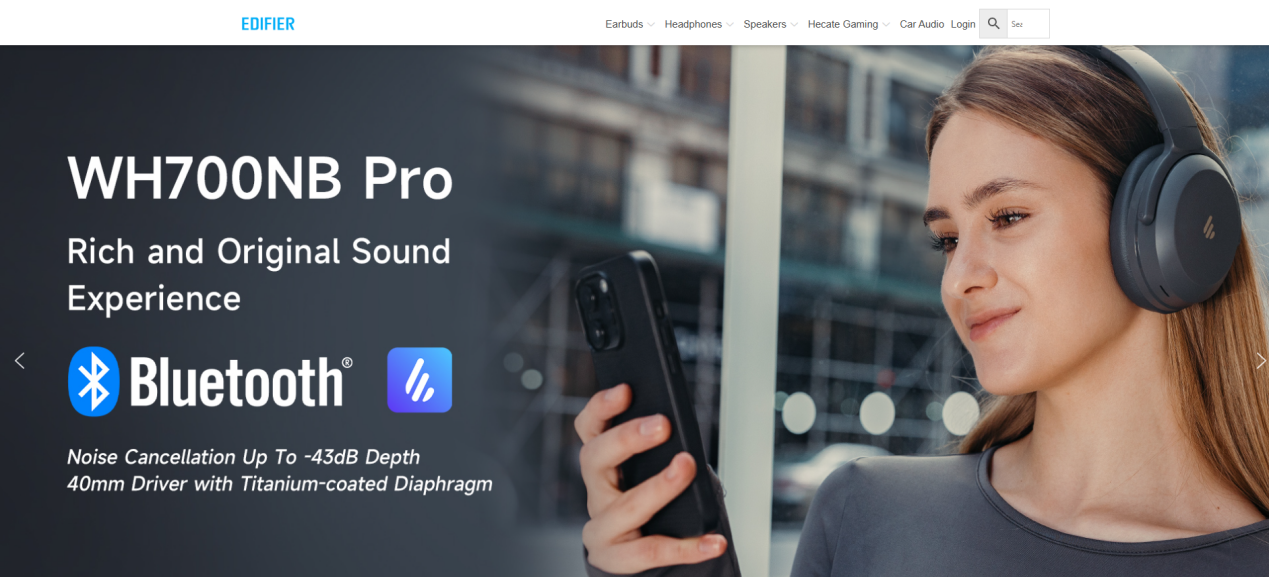
Neben Drittanbieter-Plattformen hat die Marke EDIFIER schon früh eine eigene internationale Website aufgebaut. Diese Entscheidung brachte ihr drei Vorteile:
Durch Community-Interaktion und Nutzerfeedback-Mechanismen auf der eigenen Website kann sie schnell Verbraucherbedürfnisse erfassen, eine schnelle Produktiteration und -optimierung erreichen und so Nutzerressourcen tiefgehend binden.
Die Existenz der eigenen Website kann auch Geschäftsrisiken effektiv streuen, die Abhängigkeit der Marke von traditionellen E-Commerce-Plattformen wie Amazon verringern und potenzielle Auswirkungen durch Richtlinienänderungen der Plattformen vermeiden, was die Widerstandsfähigkeit der Marke erhöht.
Design, Inhalte und Werbeaktionen der eigenen Website können stark auf das Markenimage abgestimmt werden und bieten auch mehr Spielraum für die Gestaltung des Markenimages.

Quelle: EDIFIER
Fazit
Aus dem Fall der Marke EDIFIER wird deutlich, dass sowohl technologische Upgrades als auch Preisstrategien letztendlich zum Nutzererlebnis zurückkehren müssen. Dabei muss die Marke über Social-Media-Plattformen schnell Nutzer erreichen und gleichzeitig über die eigene Website langfristige Nutzerbeziehungen und ein Markenimage aufbauen.
Derzeit bieten die Überseemärkte noch große Entwicklungsmöglichkeiten. Inländische Marken sollten aktiv „ins Ausland gehen“, differenzierte Produkte als Kernwettbewerbsvorteil nutzen, lokalisierte Betriebsstrategien als solide Grundlage verwenden, ihr Territorium stetig erweitern und eine neue Situation auf den Überseemärkten schaffen.