 2488
2488In der Geschäftswelt neigen viele Menschen dazu, den Blick auf beliebte, massentaugliche Kategorien zu richten, in der Annahme, dass dort der Reichtum zu finden sei. Doch auch scheinbar kleine Nischenkategorien bergen unendliche Chancen, wenn man sich intensiv mit ihnen beschäftigt.
Nehmen wir die 3D-Druck-Branche als Beispiel. Im Massenkonsummarkt ist sie nicht so bekannt und breit gefächert wie Kategorien wie Smartphones oder Bekleidung, aber die Marke Anycubic der Shenzhen Anycubic Technology Co., Ltd. hat sich in dieser Nische einen Weg gebahnt. Ihre Produkte werden in über 200 Länder und Regionen weltweit exportiert, und der kumulierte Absatz hat die 1 Million Einheiten überschritten.
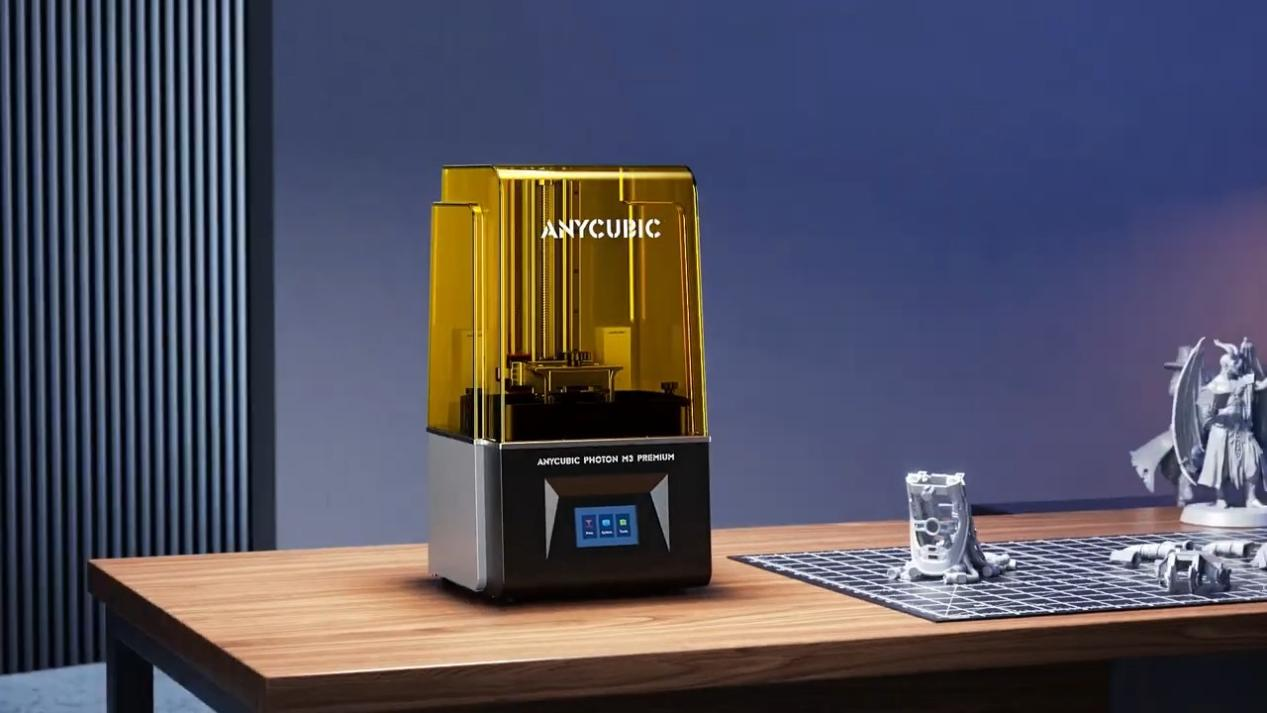
Quelle: Internet
Der existenzielle Wandel vom „Verkauf von Teilen" zur „Definition der Branche"
Laut Angaben gründete Herr Ouyang, der Gründer von Anycubic, das Unternehmen 2015 in Shenzhen. Zu Beginn war es ein typischer Händler, der alles Mögliche verkaufte – Regenschirme, Rucksäcke, Schlafanzüge –, aber es fehlte stets an Kernkompetenz.
Bis sie ein Phänomen entdeckten: Kunden, die Ersatzteile für 3D-Drucker kauften, konnten die Einzelteile zu kompletten Maschinen zusammenbauen und diese zum doppelten Preis verkaufen. Diese Entdeckung veranlasste das Team, alle nicht damit zusammenhängenden Geschäfte einzustellen und sich voll und ganz auf die Entwicklung kompletter Maschinen zu konzentrieren.
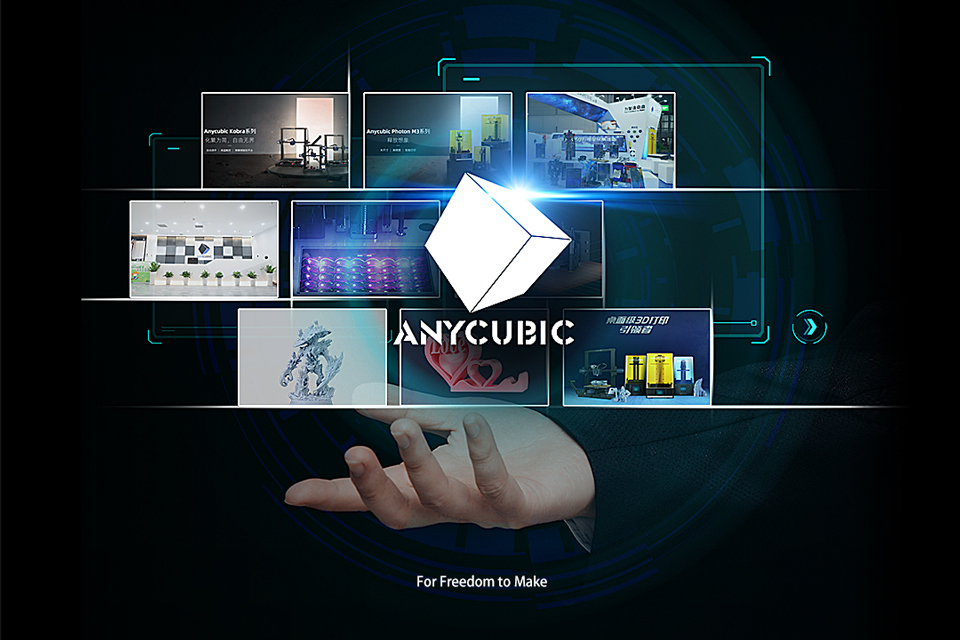
Quelle: Anycubic-Website
Die Markteinführung ihres ersten Produkts, des Anycubic i3 Mega, wurde zum Wendepunkt. Verbraucher erhielten erstmals ein professionelles Erlebnis zu weniger als der Hälfte des Preises europäischer und amerikanischer Marken (ca. 300-500 US-Dollar).
Im ersten Monat nach der Markteinführung stieg der Absatz von 50 auf 3.000 Einheiten, und das Produkt schoss schnell auf die Bestsellerliste von Amazon. In den folgenden acht Jahren brachte Anycubic kontinuierlich über 20 Produkte auf den Markt.
Bis 2023 betrug der jährliche Ausstoß über 500.000 Einheiten, der kumulierte Absatz überstieg eine Million, und die Märkte in Nordamerika und Europa steuerten 90 % des Umsatzes bei. Damit wurde das Unternehmen zum unangefochtenen „unsichtbaren Champion" im Bereich der Consumer-3D-Drucker.
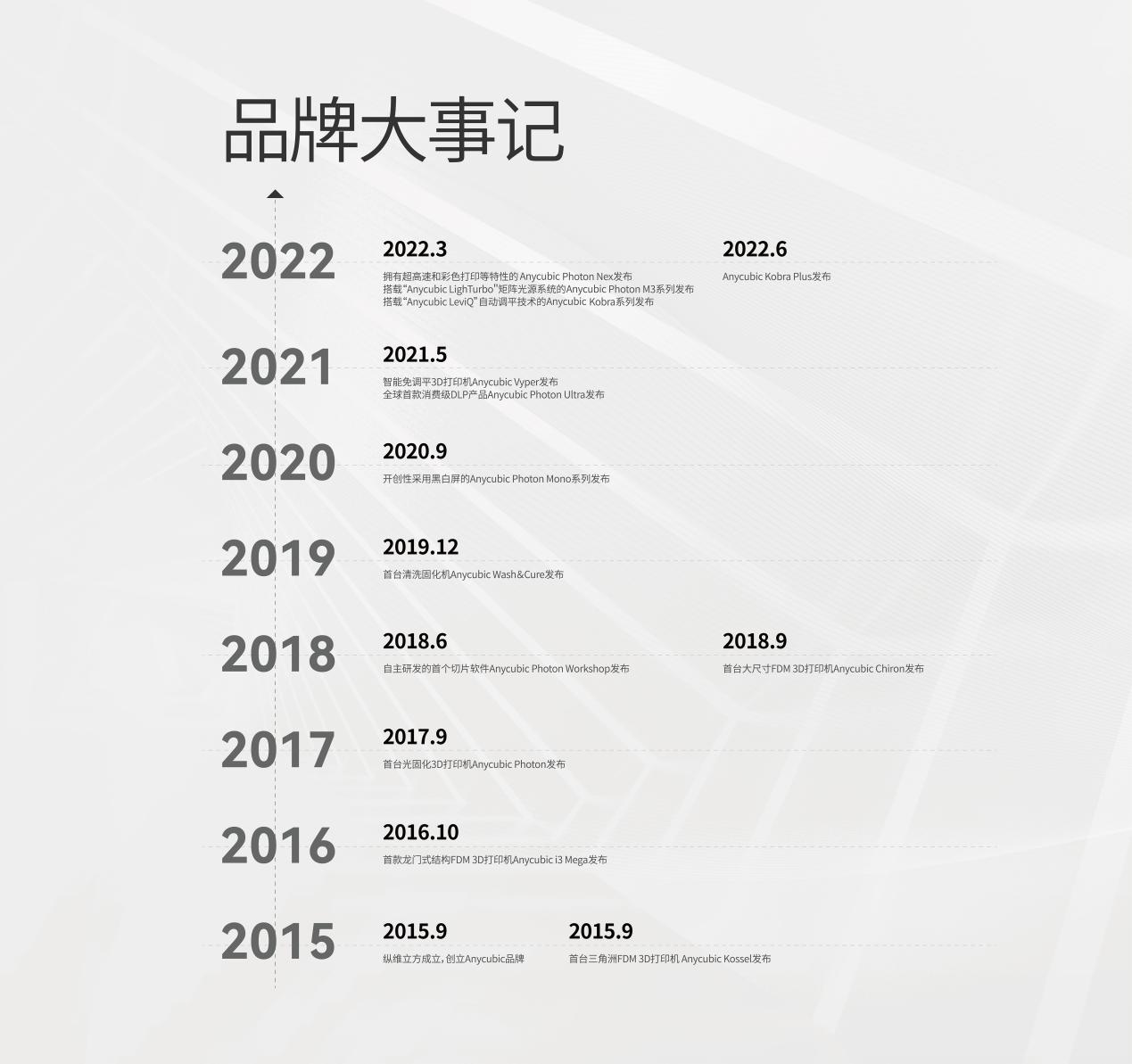
Quelle: Anycubic-Website
Die doppelte Explosion von Technologie und Nachfrage
Betrachtet man die Entwicklung der Marke, so ist der Erfolg von Anycubic zu einem großen Teil darauf zurückzuführen, dass sie den richtigen Zeitpunkt erwischt hat, als der 3D-Druck immer beliebter wurde, insbesondere die Nachfrage nach erschwinglichen und benutzerfreundlichen Heimgeräten stark anstieg.
Laut Daten von Drittanbieterplattformen wächst der globale 3D-Druckmarkt mit einer durchschnittlichen jährlichen Wachstumsrate von 16,4 % und wird bis 2030 ein Volumen von 374 Milliarden US-Dollar erreichen.
Innerhalb dieses Wachstums ist der überraschende Aufstieg des Consumer-Marktes besonders entscheidend. Die Reifung der Technologie und die sinkenden Kosten für Kernkomponenten haben die schnelle Verbreitung von 3D-Druckern von „professionellen Werkzeugen" zu „Haushaltskonsumgütern" vorangetrieben.
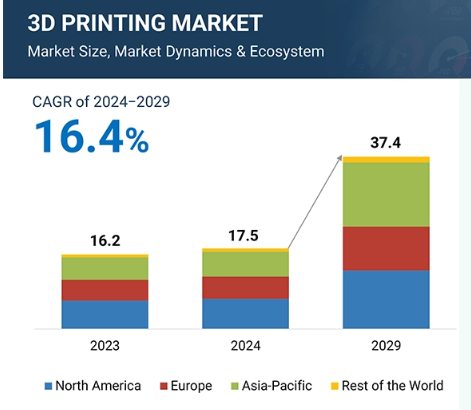
Quelle: Markets and Markets
Gleichzeitig wurde der tiefgreifende Wandel der Rolle Chinas in der globalen 3D-Druck-Lieferkette zum Kernmotor für den Aufstieg von Marken wie Anycubic. Nach Jahren der technologischen Akkumulation und Lieferkettenintegration hat sich China von einem frühen technologischen „Nachläufer" zu einer wichtigen globalen Basis für die Produktion und den Export von 3D-Druckgeräten entwickelt.
Im ersten Quartal 2025 erreichte die Anzahl der von China exportierten 3D-Druckgeräte 965.000 Einheiten, mit einem Exportwert von fast 1,97 Milliarden CNY. Dieser Skaleneffekt und die Effizienz der Lieferkette ermöglichen es Anycubic, zu einem weitaus niedrigeren Preis als traditionelle europäische und amerikanische Marken schnell auf Marktanforderungen zu reagieren und zuverlässige, sich schnell weiterentwickelnde Consumer-Produkte auf den Markt zu bringen, die genau die starke Nachfrage der Überseeverbraucher nach „erschwinglicher Benutzerfreundlichkeit" treffen.
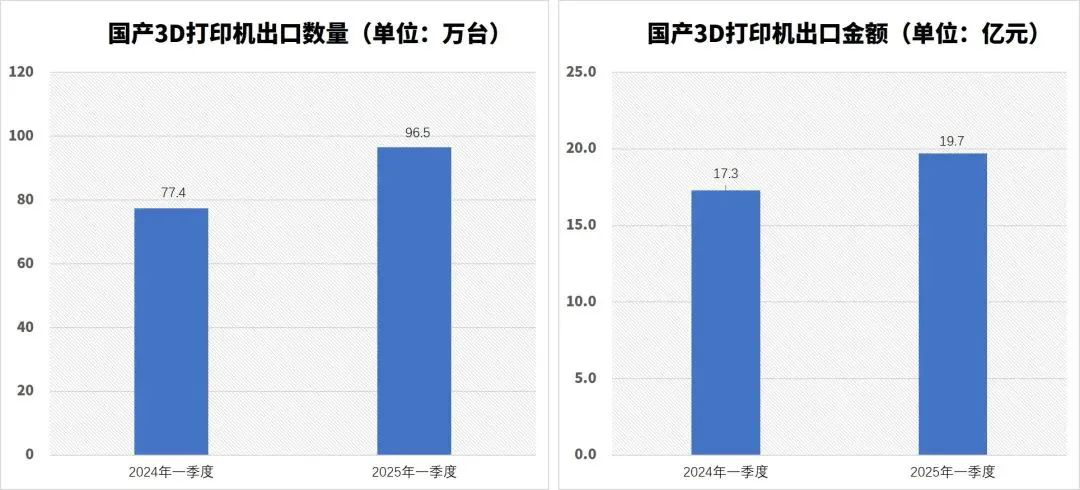
Quelle: General Administration of Customs, zusammengestellt von Nanjixiong
Globale Aufstellung: Präzise Erschließung von Traffic-Pools
Die Vertriebs- und Marketingstrategie von Anycubic zielt im Kern darauf ab, eine zentrale Herausforderung zu lösen: Wie erreicht man in einem vertikalen Bereich mit hohen Einstiegshürden und hohen Durchschnittspreisen kontinuierlich die verstreuten globalen Nutzer und baut Vertrauen auf?
Die Antwort liegt nicht in der Abhängigkeit von einer einzigen Plattform, sondern im Aufbau eines mehrschichtigen, sich ergänzenden Traffic-Ökosystems.
1. Social-Media-Marketing: Vertikale Vertiefung, Aufbau professionellen Vertrauens durch Inhalte
Angesichts der Tatsache, dass 3D-Druck-Nutzer im Allgemeinen technikaffin, handwerklich begabt und begeistert von Kreationen sind, ist die Strategie von Anycubic in den sozialen Medien sehr klar: Fokussierung auf Professionalität und Szenarien, um die tatsächlichen Probleme der Nutzer zu lösen und ihre Kreativität anzuregen.
Auf TikTok hat der offizielle Account @anycubic von Anycubic 32.100 Follower, die durchschnittliche Video-Play-Zahl beträgt 125.300, und die Conversion-Rate des Follower-Traffics ist recht gut. Die Inhalte konzentrieren sich auf technische Demonstrationen und integrieren geschickt Elemente aus dem Anime-Bereich, um Traffic anzuziehen.
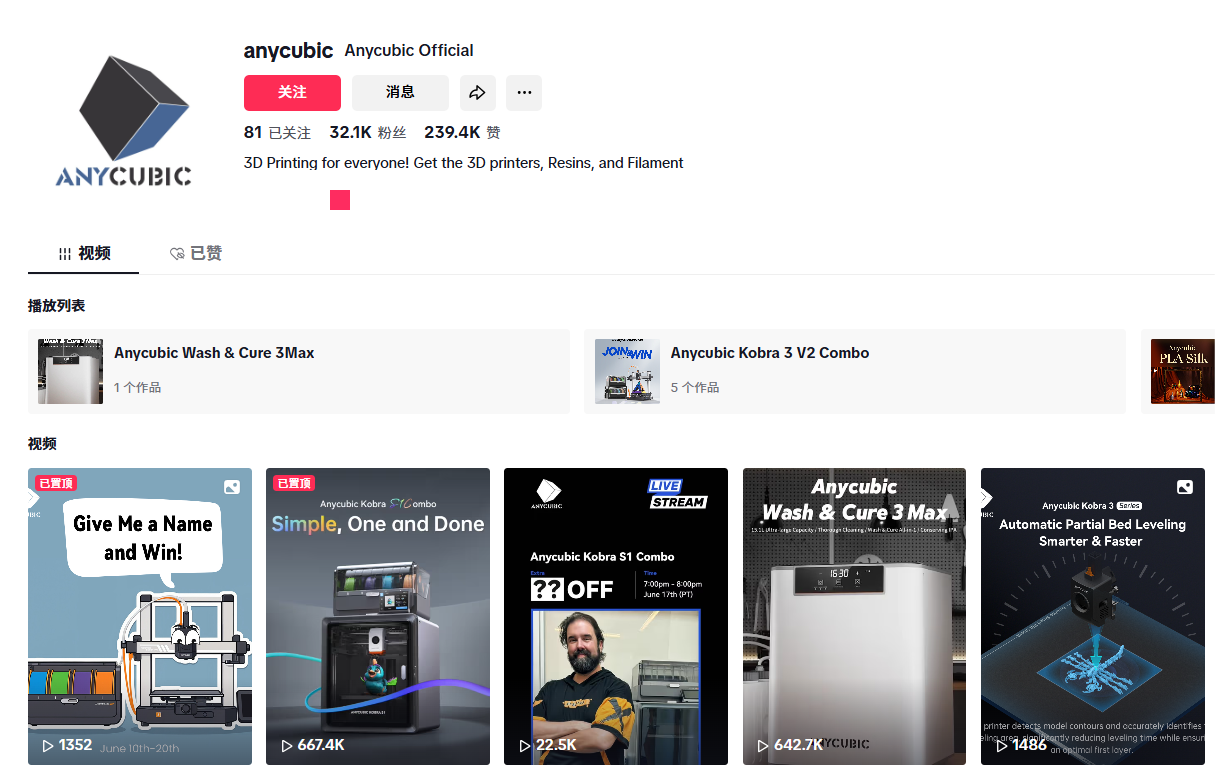
Quelle: TikTok
Gleichzeitig startet Anycubic auf TikTok auch kreative Challenges wie #AnycubicMake, um Nutzer zu ermutigen, ihre Druckerzeugnisse zu teilen.
Diese Strategie hat die Kreativität der Nutzer erfolgreich angeregt. Die kumulierte Play-Zahl von nutzergenerierten Inhalten (UGC) mit dem Hashtag #Anycubic auf der Plattform hat bereits die Zehnmillionen-Marke überschritten und bildet eine riesige, kostenlose „Bibliothek mit echten Anwendungsbeispielen", die kontinuierlich potenzielle Nutzer anzieht.
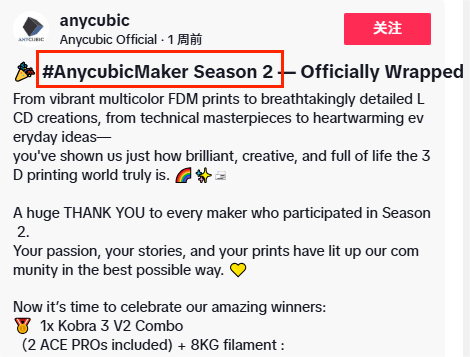
Quelle: TikTok
Darüber hinaus arbeitet Anycubic auch mit vielen TikTok-Influencern zusammen. Die Kooperationen konzentrieren sich oft auf die Nutzung in funktionalen Szenarien. Diese Art von Inhalten bringt der Marke beträchtliche Vorteile. Beispielsweise brachte ein Video des TikTok-Influencers @universeofemily, das die Herstellung von Cosplay-Requisiten mit einem 3D-Drucker zeigte, der Marke 531.800 Aufrufe.
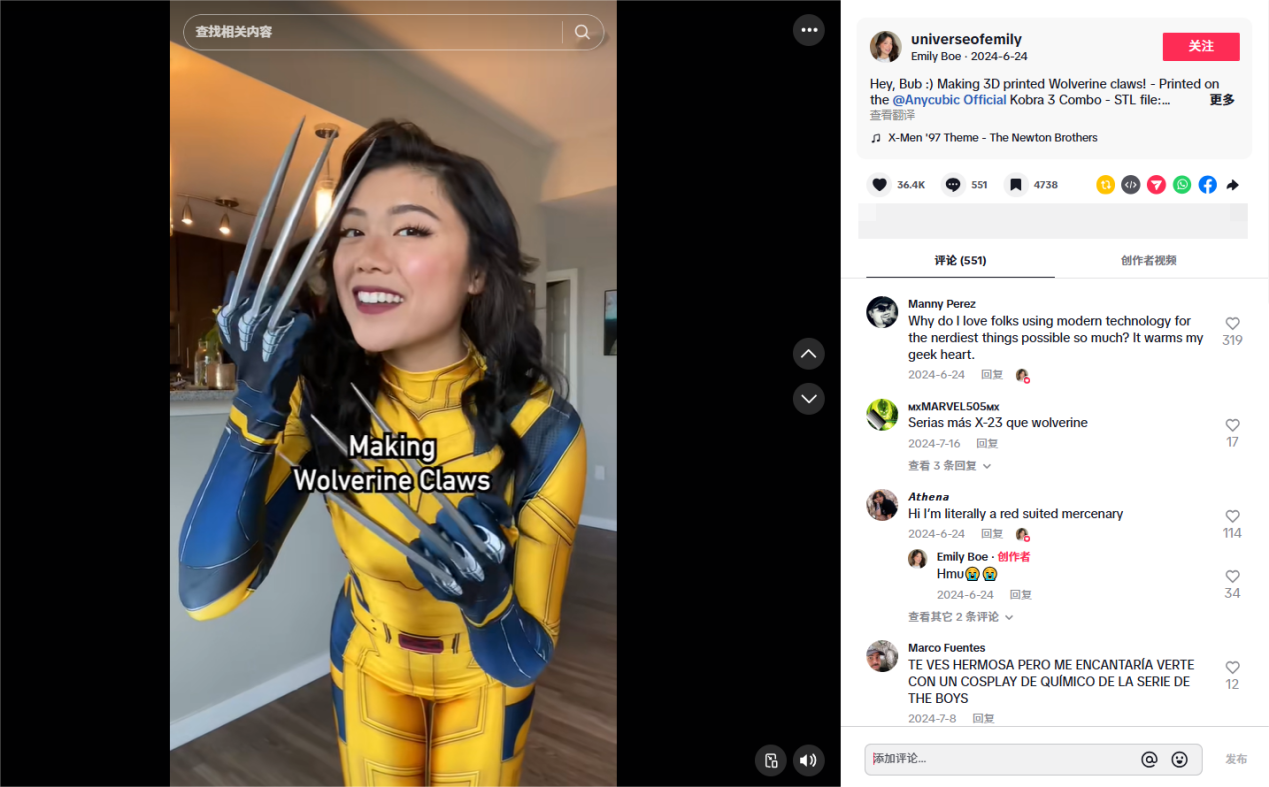
Quelle: TikTok
2. Vertriebskanäle: Zwei Motoren, Überwindung der Plattformabhängigkeit
Für Technologieprodukte wie 3D-Drucker mit einem Durchschnittspreis von 200-1000 US-Dollar ist Amazon der zentrale Einstiegspunkt für die aktive Suche und den Preisvergleich der Nutzer. Anycubic hat hier eine vollständige Produktmatrix aufgebaut, wobei insbesondere die Einstiegsmodelle im Bereich von 300-500 US-Dollar (wie der Photon Mono 4K) die Hauptlast des Absatzes tragen.
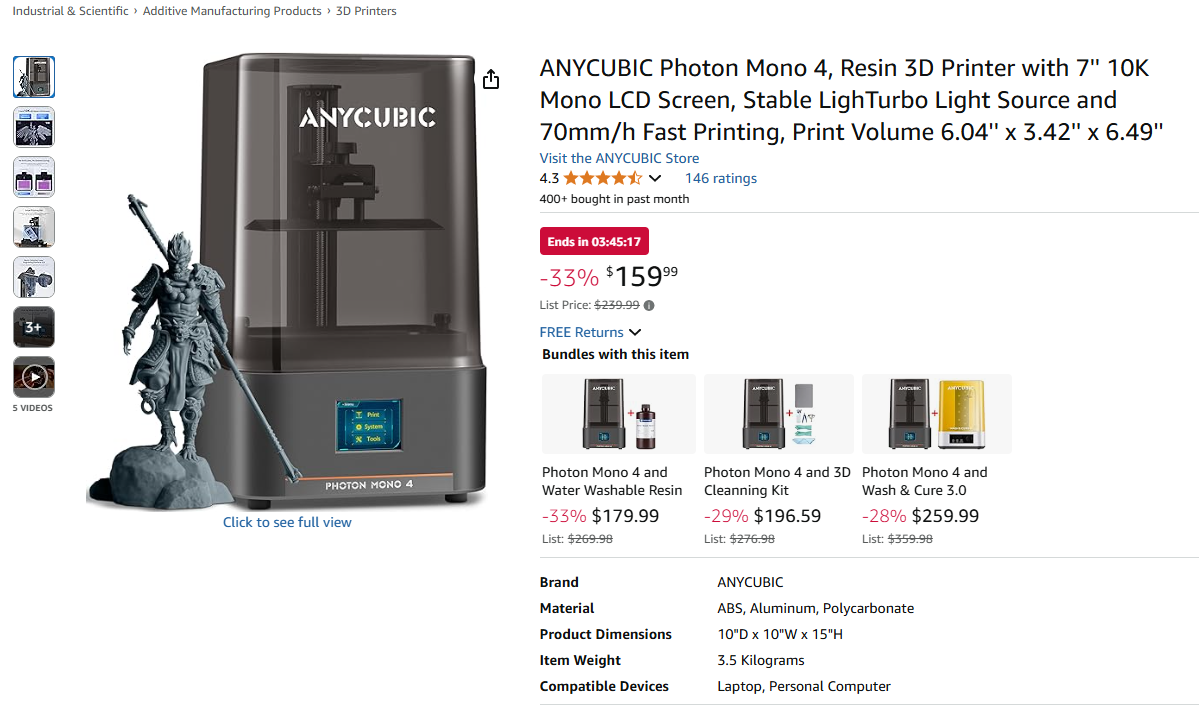
Quelle: Amazon
Die Logik dahinter ist nicht schwer zu verstehen: Die Produkte treffen so präzise auf die klaren Bedürfnisse der Nutzer nach „Plug-and-Play" und „für Anfänger geeignet", was den Entscheidungsprozess verkürzt. Dies zeigt sich auch in den Produktbewertungen (siehe unten).
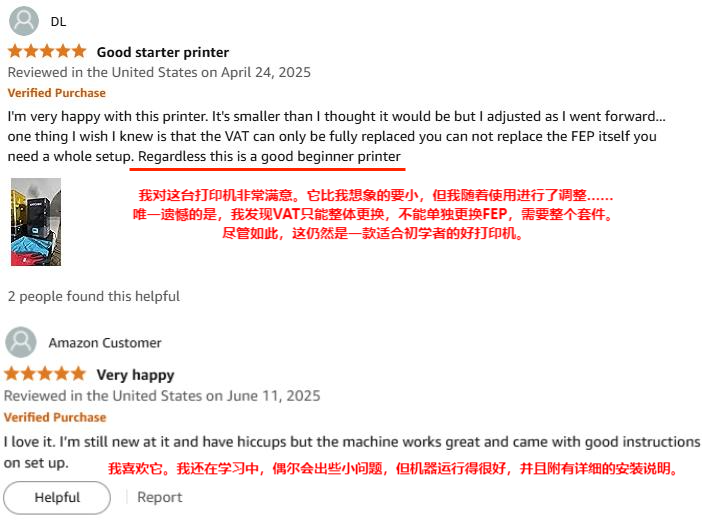
Quelle: Amazon
Die Rolle der unabhängigen internationalen Website geht jedoch weit über „einen weiteren Ort zum Verkaufen" hinaus. Sie fungiert eher als die Markenhochburg von Anycubic bei den Überseeverbrauchern.
Auf dieser eigenen Plattform hat Anycubic eine aktive Nutzer-Community aufgebaut, die Druckanleitungen und Modelldateien zum Herunterladen bereitstellt und die Nutzer ermutigt, ihre eigenen Werke hochzuladen und Erfahrungen auszutauschen.
Diese Interaktion kann die Nutzerbindung erhöhen und einen positiven Kreislauf aus „Kreation – Teilen – Wiederkauf" schaffen. Wenn Nutzer die Werke anderer sehen, kann dies die Kaufabsicht wecken, und die Kreation neuer Werke nach dem Kauf kann wiederum mehr Menschen anziehen.
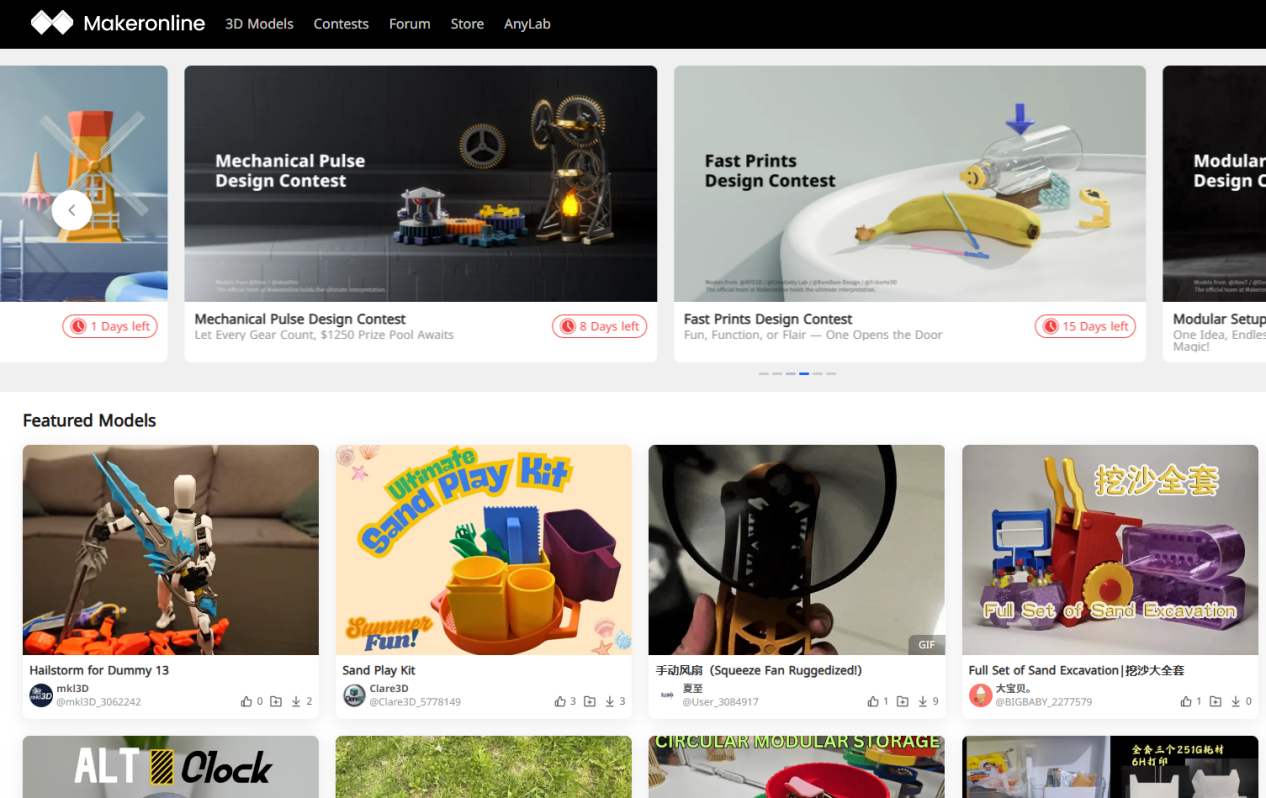
Anycubic Maker Center
Made in China goes global: Vom Produktexport zum Wertexport
Die Geschichte von Anycubic zeigt eines: Im globalen Markt verbergen sich unzählige „Geheimtipps" wie den 3D-Druck. Es muss nicht die umsatzstärkste Kategorie sein. Solange man die wahren Bedürfnisse einer Gruppe von Menschen erkennt und diese mit der Effizienz und dem Preis-Leistungs-Verhältnis von „Made in China" gut und gründlich bedient, kann man sich im Ausland etablieren.
Der Weg ins Ausland ist heute tatsächlich viel einfacher als noch vor zehn Jahren. Plattformen wie Amazon und TikTok helfen dabei, Nutzer zu erreichen, ausgereifte Tools machen den Aufbau einer unabhängigen Website einfacher, und das Bewusstsein der Überseeverbraucher dafür, dass „gute chinesische Waren nicht teuer sind", wird immer klarer.
Zögern Sie also nicht länger mit der Frage, ob es machbar ist, sondern denken Sie mehr darüber nach, wie es gemacht werden kann. Der Überseemarkt, dieses „Meer", ist groß genug. Chinesische Unternehmen haben durchaus die Fähigkeit und die Chance, sich ihren eigenen „großen Fisch" zu angeln!


![[Neueste Richtlinien & praktischer Leitfaden 2025] Wie können Unternehmen in Saudi-Arabien Fuß fassen?](/_next/image?url=https%3A%2F%2Fadmin.tktk.com%2Fuploads%2Fallimg%2F250617%2F1-25061G621590-L.png&w=640&q=75)