 2501
2501Warnung: Die Risiken auf dem US-Markt steigen!
In den letzten Jahren war die US-Region die bevorzugte Wahl für chinesische Cross-Border-Händler, da sowohl Plattformen, Logistik, Werbesysteme als auch die Nutzergewohnheiten relativ klar waren.
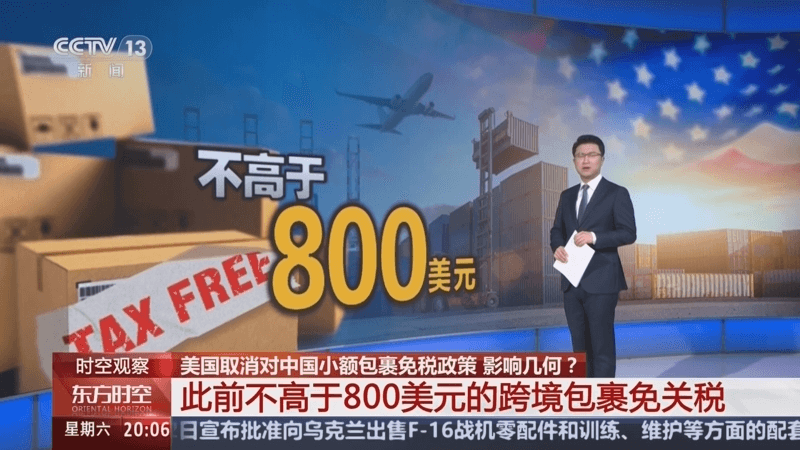
Im Jahr 2024 jedoch verändert sich die Situation deutlich. Die USA haben die Zollbefreiung für Kleinsendungen unter 800 US-Dollar abgeschafft, die Zollpolitik wurde mehrfach angepasst, und es kommt immer wieder zu Staus und Kostensteigerungen in der Logistik...
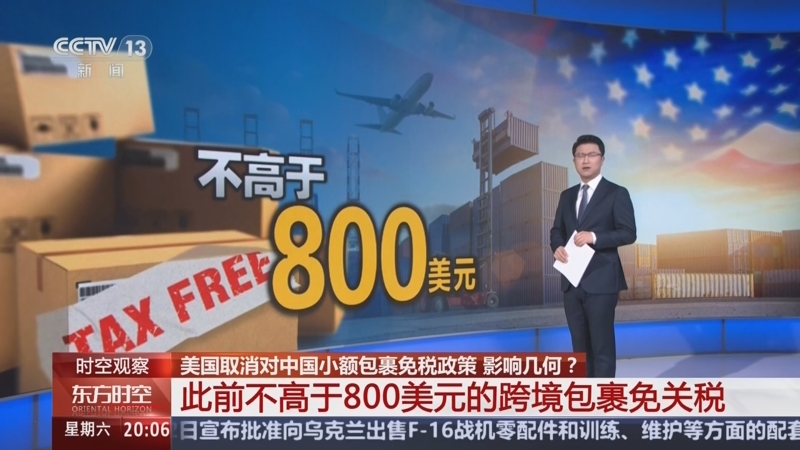
Bildquelle: Dongfang Shikong
Diese Veränderungen bedeuten für Marken, die vom US-Markt abhängig sind, eine enorme Unsicherheit, die insbesondere zu steigendem Kapitaldruck, geringerer Zollabfertigungseffizienz und zunehmenden Compliance-Risiken führt.
Daher ist es eine gute Entscheidung, nach stabileren Märkten zu suchen. Europa ist eine solche Region, die lange unterschätzt wurde, sich aber nun rasant entwickelt. Wie der Bericht „Europäische Markttrends 2025 und Leitfaden für internationales Marketing“ von YinoLink zeigt, wird der europäische Markt zum neuen Fokus für Cross-Border-Händler.
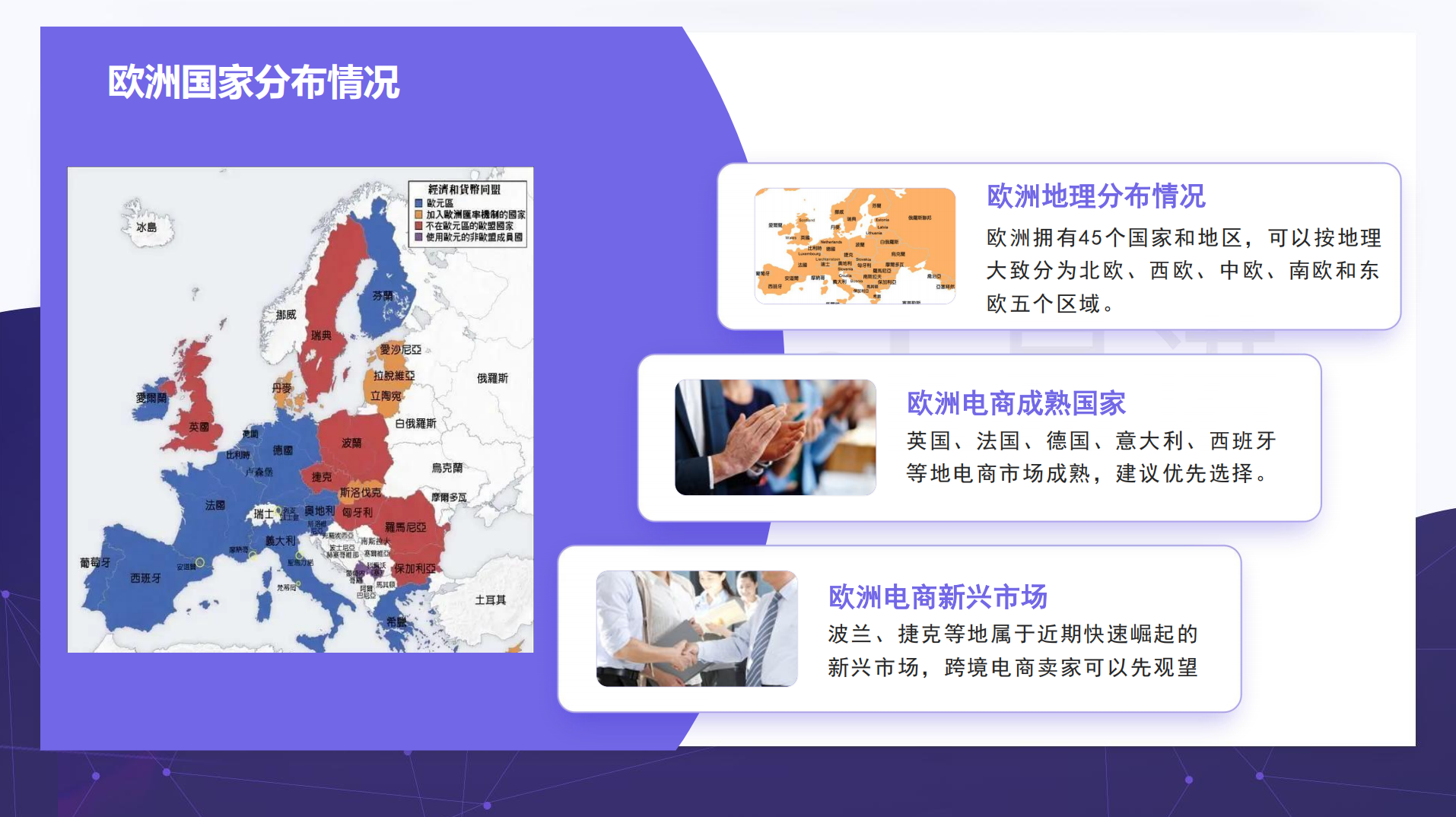
Bildquelle: YinoLink
Bericht „Europäische Markttrends 2025 und Leitfaden für internationales Marketing“
Die Chancen auf dem europäischen Markt öffnen sich allmählich
Laut dem Bericht hat Europa 740 Millionen Einwohner und ein BIP von 19,4 Billionen US-Dollar im Jahr 2024, womit es weltweit an dritter Stelle hinter den USA und China liegt.
Die vier Kernländer (Deutschland, Frankreich, Italien, Spanien) haben ein Pro-Kopf-BIP von über 50.000 US-Dollar und eine sehr starke Gesamtkaufkraft. Bis 2025 wird die E-Commerce-Durchdringung in Europa voraussichtlich 67,1 % erreichen, mit über 586 Millionen Online-Käufern, was ein enormes Marktpotenzial darstellt.
Viele haben vielleicht noch den Eindruck, dass Europa aufgrund der komplexen Sprachen, der umständlichen Vorschriften und der schwierigen Umsetzung nicht einfach zu bearbeiten ist, aber die Realität ist weitaus besser als gedacht.
Zum Beispiel haben traditionelle große Länder wie Deutschland und Frankreich bereits eine sehr ausgereifte E-Commerce-Infrastruktur, und die Verbraucher sind dem Online-Shopping gegenüber sehr aufgeschlossen. Spanien und Italien hingegen, obwohl sie später gestartet sind, wachsen sehr schnell, mit Raten von 13,5 % bzw. 14 %. Besonders in Spanien schneiden chinesische Marken beim Kauf von nicht-europäischen Waren am besten ab, wobei Lebensmittel und Kosmetik besonders beliebt sind.
Aus Plattformsicht haben neben Amazon auch lokale europäische Plattformen wie OTTO, Cdiscount und ManoMano eine stabile Nutzerbasis. Cross-Border-Plattformen wie SHEIN, TEMU und TikTok Shop beschleunigen ebenfalls ihre Lokalisierungsprozesse und schaffen die Infrastruktur für den Markteintritt chinesischer Marken.


Bildquelle: YinoLink
Bericht „Europäische Markttrends 2025 und Leitfaden für internationales Marketing“
Marketing und Nutzerkommunikation müssen stärker lokalisiert werden
Im Vergleich zu Nutzern in Südostasien und den USA ist der Prozess des Vertrauensaufbaus bei europäischen Verbrauchern länger. Sie legen mehr Wert auf die Authentizität der Inhalte und die kulturelle Passung.
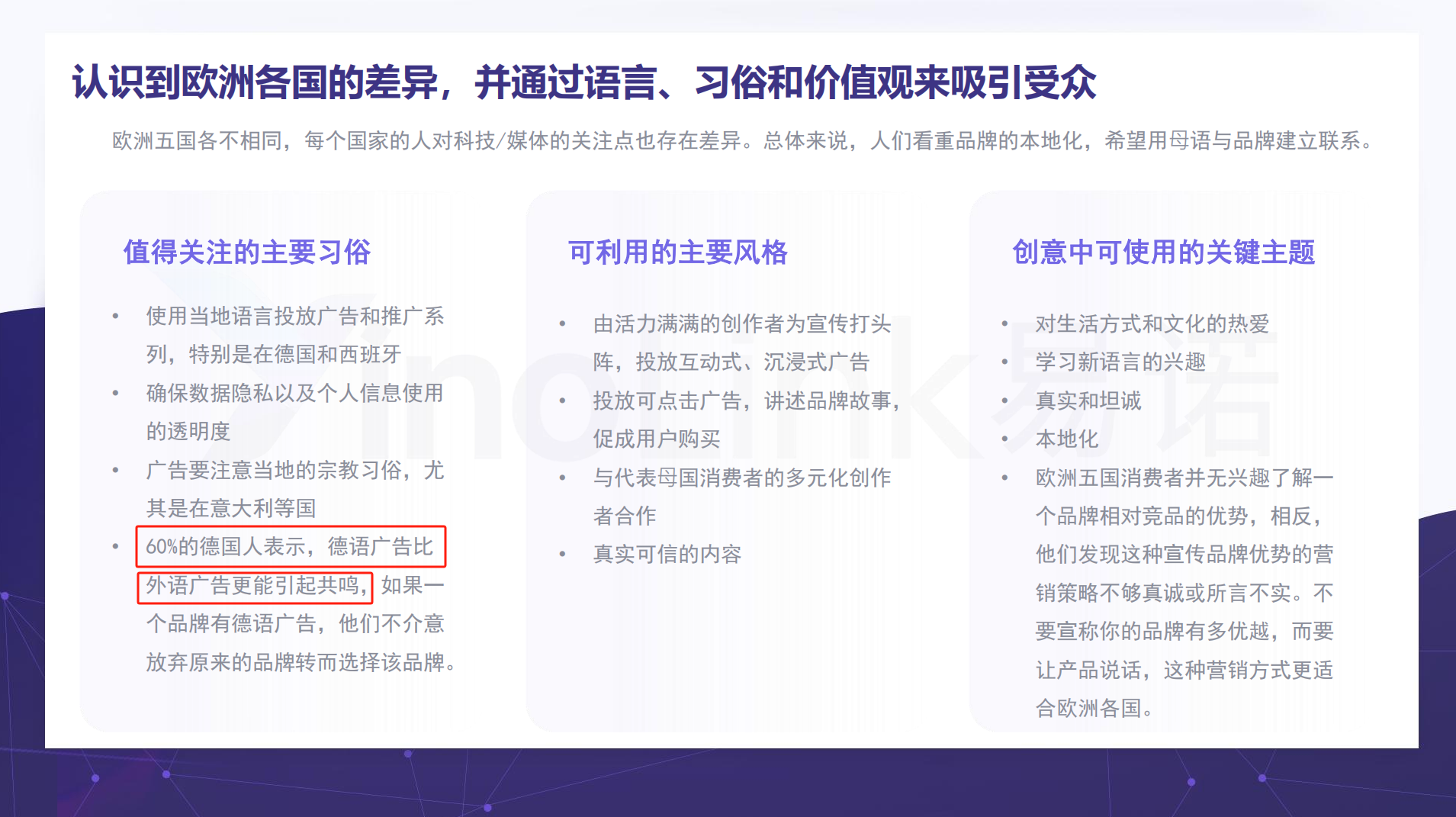
Der Bericht weist insbesondere darauf hin, dass deutsche Nutzer großen Wert auf die Lokalisierung der Werbesprache legen. Über 60 % geben an, dass sie bereit wären, ihre bisherige Marke aufzugeben, wenn eine Marke Werbung auf Deutsch schaltet. Französische Nutzer hingegen legen großen Wert auf Produkttests, Mustererfahrungen und transparente Versandkosteninformationen.
Das bedeutet, dass Unternehmen bei der Schaltung von Werbung nicht mehr einfach die US-Vorlagen übernehmen oder standardisierte Massenmaterialien verwenden können. Stattdessen müssen sie Inhalte in der Landessprache erstellen, lokale Bräuche respektieren und lokale Trends aufgreifen.
In Bezug auf die Werbestruktur haben Plattformen wie Meta und TikTok in den vier europäischen Ländern eine hohe Durchdringung, und die Werbekosten sind relativ kontrollierbar. Zum Beispiel liegt der CPM in Frankreich zwischen 6 und 10 Euro, in Deutschland zwischen 10 und 45 Euro, und bei gemischten Kampagnen in mehreren europäischen Ländern beträgt der CPM nur 5 bis 15 Euro, was sich für Einsteiger zum Testen von Produkten eignet.
 Bildquelle: YinoLink
Bericht „Europäische Markttrends 2025 und Leitfaden für internationales Marketing“
Compliance-Probleme dürfen nicht ignoriert werden, es wird empfohlen, sich frühzeitig vorzubereiten
Die Compliance-Hürden in Europa sind tatsächlich etwas höher als in anderen Regionen, wie z. B. die Umsatzsteuer-Identifikationsnummer (VAT), das Verpackungsgesetz, der Datenschutz und die EPR-Richtlinie. Diese Richtlinien haben jedoch klare Standards und Verfahren. Mit ausreichender Vorbereitung und der Nutzung erfahrener Dienstleister und Toolsysteme sind sie vollständig beherrschbar. Noch wichtiger ist, dass der europäische Markt, sobald ein Compliance-System aufgebaut ist, stabilere und langfristigere Entwicklungserträge bieten kann.
Zum Beispiel verlangt Deutschland, dass Händler ihre Verpackungsregistrierungsnummer auf der Plattform hochladen, während Frankreich sehr detaillierte Anforderungen an die VAT-Antragsunterlagen stellt. Wenn man jedoch nach den Standards vorgeht, treten nicht nur keine Probleme auf, sondern man kann von Anfang an Vertrauen bei der Plattform aufbauen.
Ebenso mögen die spanische NIF-UE und das italienische System der 50.000-Euro-Kaution zwar kompliziert klingen, aber sie dienen alle der Anpassung an die EU-Standards für den digitalen Handel. Sobald diese Hürden überwunden sind, können Cross-Border-Kanäle schnell erschlossen werden.

Bildquelle: Tuke
Die Produktauswahl bestimmt die langfristige Wettbewerbsfähigkeit
Der Bericht nennt auch einige vielversprechende Produktkategorien: Outdoor-Funktionsbekleidung, POD-Maßbekleidung, Raumdüfte, Schönheitsgeräte und Indoor-Gartenprodukte.
Diese Kategorien haben ein gemeinsames Merkmal: Sie erfüllen sowohl individuelle Bedürfnisse als auch die Möglichkeit, durch Inhalte Geschichten zu erzählen, und entsprechen gleichzeitig dem Streben europäischer Verbraucher nach Lebensqualität.
Am Beispiel von POD: Der globale Markt wird voraussichtlich bis 2025 ein Volumen von 4,5 Milliarden US-Dollar erreichen, mit einer jährlichen Wachstumsrate von über 11 %. Produkte wie Kultur-T-Shirts, Anime-IPs und lockere Kapuzenpullover sind bei der europäischen Generation Z sehr beliebt.
Kurz gesagt, in einem reifen, rationalen Verbrauchermarkt ist es schwierig, Nutzer allein mit Rabatten und kurzfristigen Bestsellern zu überzeugen. Die Produktauswahl muss aus mehreren Dimensionen erfolgen: Nutzungsszenario, emotionaler Wert und funktionale Innovation.

POD-Maßbekleidung Bildquelle: Internet
Fazit: Europa ist kein Ersatz, sondern das nächste Hauptspielfeld
Früher suchten wir bei der Internationalisierung immer nach Trends und blauen Ozeanen, aber nach 2025 wird es immer weniger Trends geben. Die wahren Chancen liegen in der Fähigkeit zu hochwertigem, präzisem und lokalisiertem Betrieb.
Europa ist kein Markt, in dem man schnell Geld verdienen kann, aber er ist groß genug, stabil genug und legt genug Wert auf den langfristigen Wert von Marken.
Für chinesische Marken mit Lieferkettenvorteilen, Content-Fähigkeiten und Betriebserfahrung ist Europa kein Ersatz, sondern vielmehr das wahre Hauptspielfeld für die zukünftige Internationalisierung.
Jetzt ist es an der Zeit, den Blick von „wo ist es einfach“ auf „wo lohnt es sich“ zu lenken!