 2123
2123Herr Liang Qichao sagte einmal: „Das Leben eines Menschen ist in der frühen Kindheit begründet.“
Frühe Bildung beeinflusst den Beginn eines Lebens, und mit dem wachsenden Bewusstsein für wissenschaftliche Erziehung hat sich die Branche der frühkindlichen Lernspielzeuge weltweit zu einem nicht zu unterschätzenden Sektor entwickelt.
Lovevery, ein US-amerikanisches Spielzeugunternehmen, ist ein herausragendes Beispiel für eine Marke im Bereich frühkindlicher Lernspielzeuge.
In den letzten fünf Jahren erhielt es eine Serie-B-Finanzierung in Höhe von 20 Millionen US-Dollar und eine Serie-C-Finanzierung von 100 Millionen US-Dollar. Ende 2021 wurde sein Wert bereits auf über 800 Millionen US-Dollar geschätzt!
Bis Ende 2022 ging es durch einen Börsengang (IPO) an die Börse und entwickelte sich zu einem Kapitalriesen unter den Marken für frühkindliche Lernspielzeuge.
Doch Lovevery wurde erst 2017 gegründet. Wie hat diese Marke, die für ihre innovativen Abonnement-Boxen für frühkindliche Bildung bekannt ist, dies in nur wenigen Jahren geschafft?
01 Die Herzen der Nutzer von Grund auf gewinnen
Werfen wir einen Blick auf die Entwicklung von Lovevery.
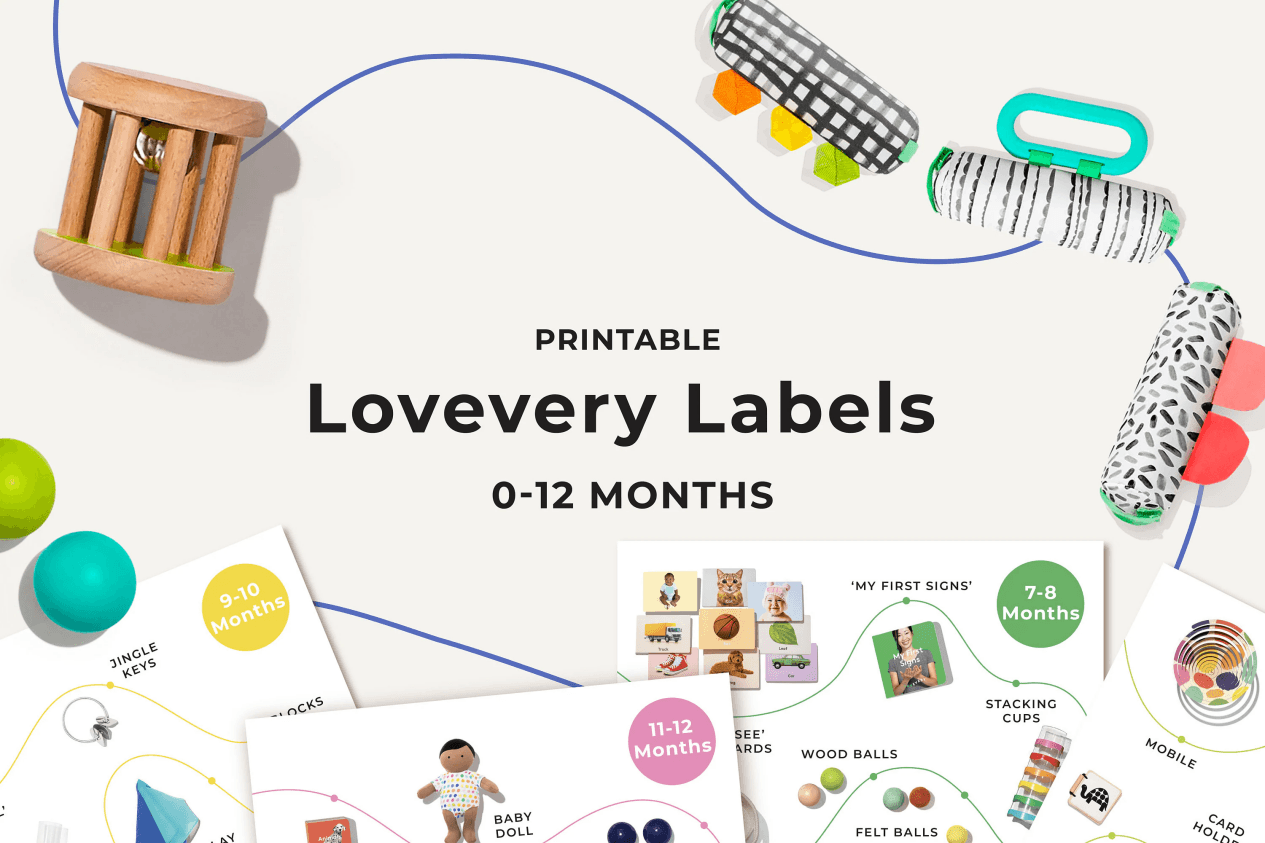
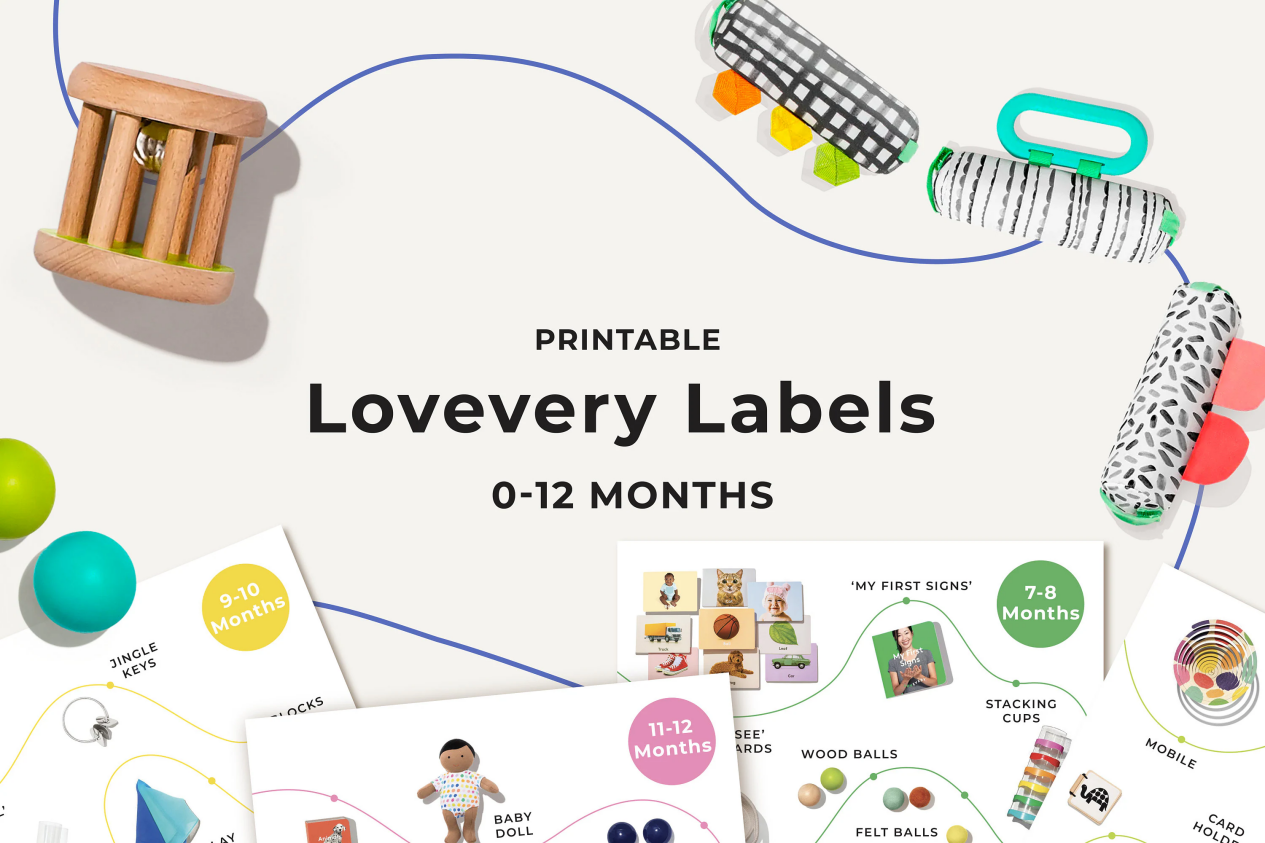
Von Anfang an folgte Lovevery der Montessori-Pädagogik und konzentrierte sich auf die Entwicklungsbedürfnisse von Kindern im Alter von 0-4 Jahren. Mit Abonnement-Boxen für frühkindliche Bildung bot es Spielzeuge und Bücher an, die auf verschiedene Entwicklungsstufen zugeschnitten sind, um die multisensorische Entwicklung von Kleinkindern zu fördern. Dies war eine große Lücke im damaligen Markt mit enormer Nachfrage nach frühkindlicher Bildung.
Anschließend passte sich Lovevery der Zeit an, ging direkt auf die Schmerzpunkte der Nutzer ein und brachte nacheinander Produkte wie Spielzeug-Fitnessstudios, Bauklötze-Sets und Möbel zur Aufbewahrung von Spielzeug auf den Markt, sodass Eltern je nach Alter des Babys wählen konnten.
Darüber hinaus bot Lovevery frischgebackenen Eltern einen umfassenden Service von Spielzeug bis hin zu Erziehungswissen und half vielbeschäftigten und unerfahrenen Eltern bei der frühkindlichen Bildung.
Damit gewann es von Grund auf die Herzen der Nutzer.
In Bezug auf das Marketing verkaufte Lovevery nicht nur über seine eigene Website, sondern eröffnete auch einen Amazon-Shop und trat in Einzelhandelskanäle wie Target und Babylist ein, wodurch es seine Produkte in 32 Länder weltweit vertrieb.
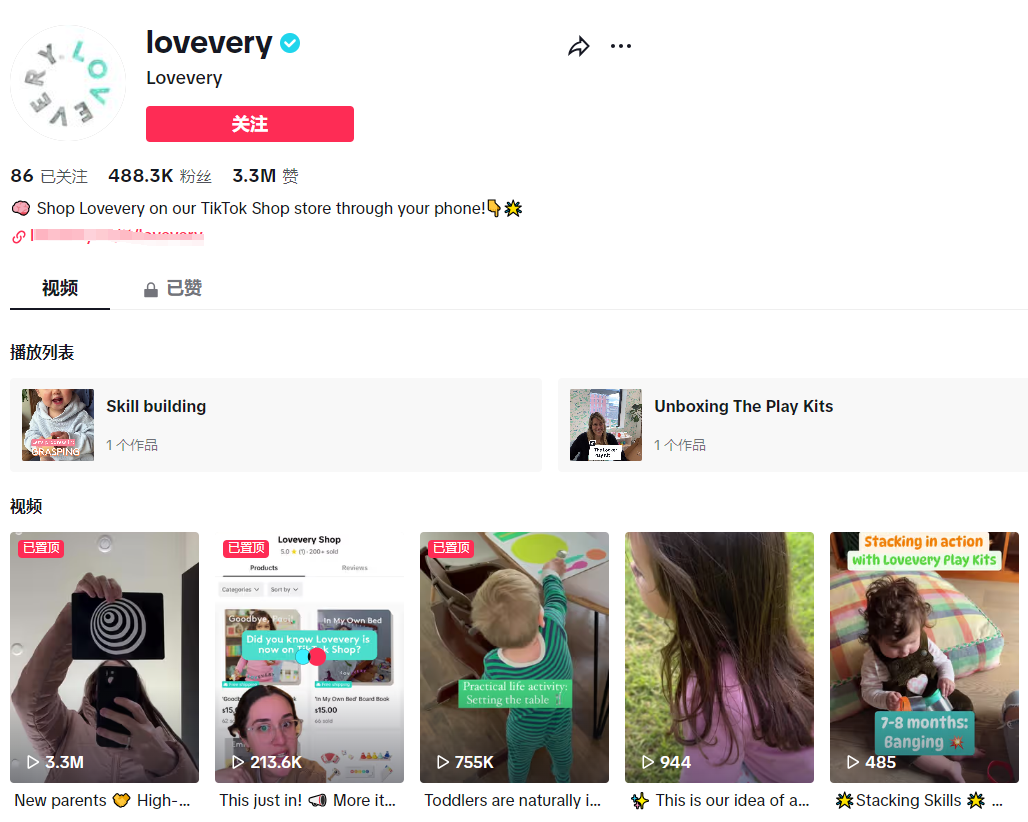
In den letzten Jahren ist es auch auf globalen Social-Media-Plattformen wie TikTok präsent, wo es durch kontinuierliche Updates von Produktnutzungsvideos mehr Kunden anzieht. Zum Zeitpunkt der Veröffentlichung hatte der Hauptaccount von Lovevery auf TikTok 488.300 Follower und über 3,3 Millionen Likes erhalten.
02 Starker Rückenwind im Bereich frühkindlicher Lernspielzeuge
Loveverys heutige Position hängt neben dem eigenen Betrieb auch stark mit dem externen Marktumfeld zusammen.
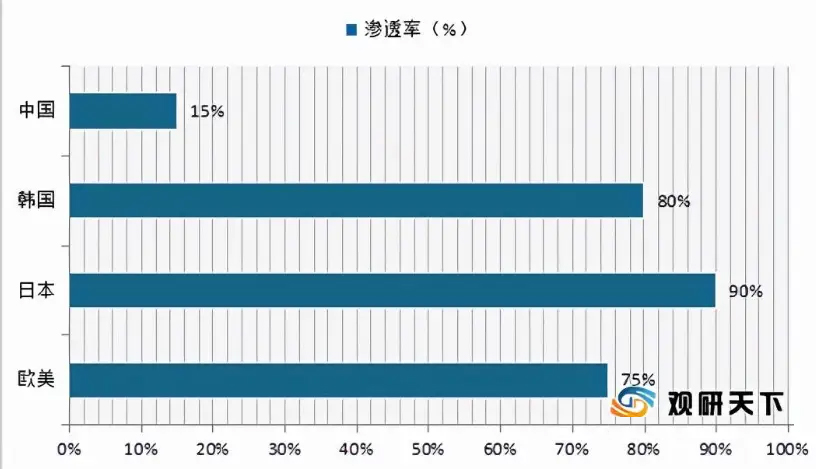
Der europäische und amerikanische Markt unterscheidet sich von China. Die Nachfrage nach frühkindlicher Bildung begann in China später und erreichte selbst 2023 nur eine Penetrationsrate von etwa 15 %, während sie in Europa und Amerika 75 % beträgt und damit weit über China liegt. Dementsprechend ist die Marktnachfrage dort deutlicher sichtbar.
Daher ist jetzt der beste Zeitpunkt, um in diesem Nischensegment der frühkindlichen Lernspielzeuge grenzüberschreitend zu expandieren.
Marktforschung zeigt auch, dass der globale Markt für frühkindliche Bildung von 2022 bis 2030 voraussichtlich eine durchschnittliche jährliche Wachstumsrate von 13,15 % verzeichnen wird, wobei das Marktvolumen auf 4870 Milliarden US-Dollar ansteigen soll.
Trotz sinkender globaler Geburtenraten ist das Potenzial des frühkindlichen Bildungsmarktes weiterhin enorm, insbesondere in Nordamerika und Europa mit hohem Einkommen und reichhaltigen Bildungsressourcen.
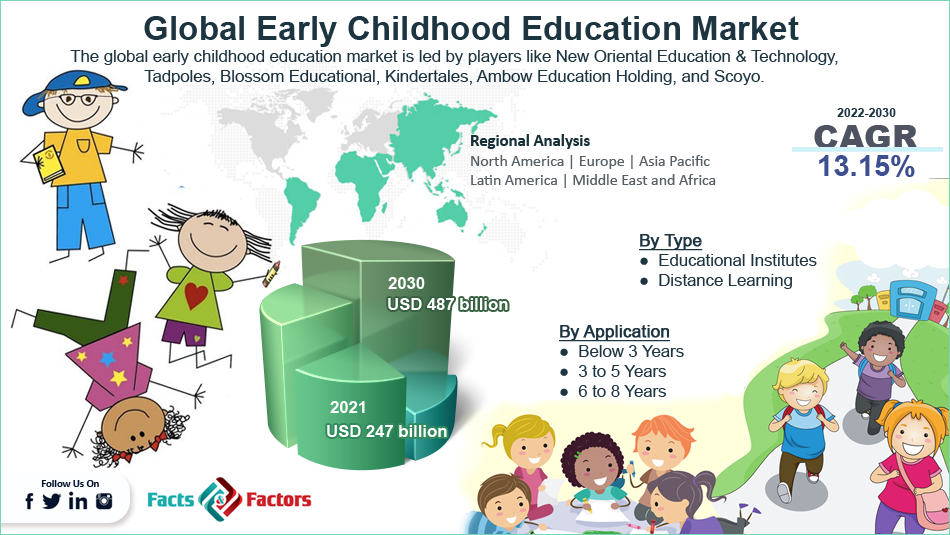
Wachstum des globalen Marktes für frühkindliche Bildung Quelle: facts
Natürlich erweitern neben Lovevery auch Marken wie Melissa & Doug und Fisher-Price in den USA aktiv ihre Produktlinien für frühkindliche Bildung und bringen eine Vielzahl von Lernspielzeugen auf den Markt, von Holzpuzzles bis hin zu intelligentem Spielzeug.
Diese Spielzeuge umfassen nicht nur traditionelle physische Spielzeuge, sondern auch Bildungshardware mit intelligenten Funktionen, wie den programmierbaren Roboter-Maus und interaktive elektronische Geräte von Learning Resources, die es Kindern ermöglichen, spielerisch Programmierung und Problemlösungsfähigkeiten zu erlernen.
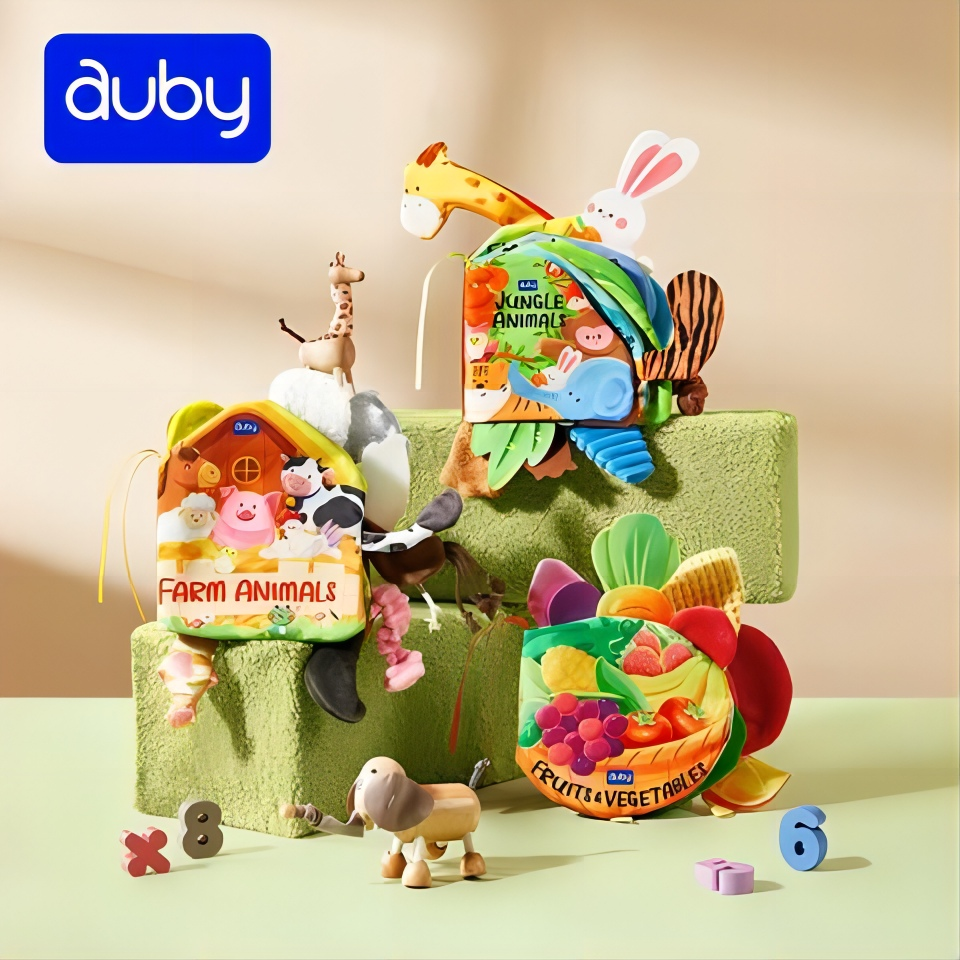
Auch chinesische Marken für frühkindliche Lernspielzeuge wie Logikdog, Auby, Goodway und Huohuotu sind aufgrund ihrer Produkteigenschaften auf dem Markt sehr beliebt, und einige Marken haben bereits den Schritt ins Ausland gewagt und bauen schrittweise globale Märkte auf.
Zusammenfassend lässt sich sagen, dass die Zukunftsaussichten für den Markt frühkindlicher Lernspielzeuge vielversprechend sind. Sowohl im B2B- als auch im B2C-Bereich hat der überseeische Markt für frühkindliche Bildung ein beträchtliches Volumen.
Angesichts des globalisierten Marktumfelds und kultureller Unterschiede müssen Marken für frühkindliche Bildung jedoch an die lokalen Gegebenheiten angepasste, effektive Marktstrategien entwickeln, um internationale Verbraucher anzuziehen. Gleichzeitig müssen Marken kontinuierliche Produkt- und Serviceinnovationen im Auge behalten, um sich an sich ändernde Verbraucherbedürfnisse und Bildungstrends anzupassen.
In Zukunft wird die Branche der frühkindlichen Lernspielzeuge voraussichtlich weitere Entwicklungsmöglichkeiten erleben, da Bildungsmethoden weiter innoviert und globale Märkte weiter erschlossen werden.