 2913
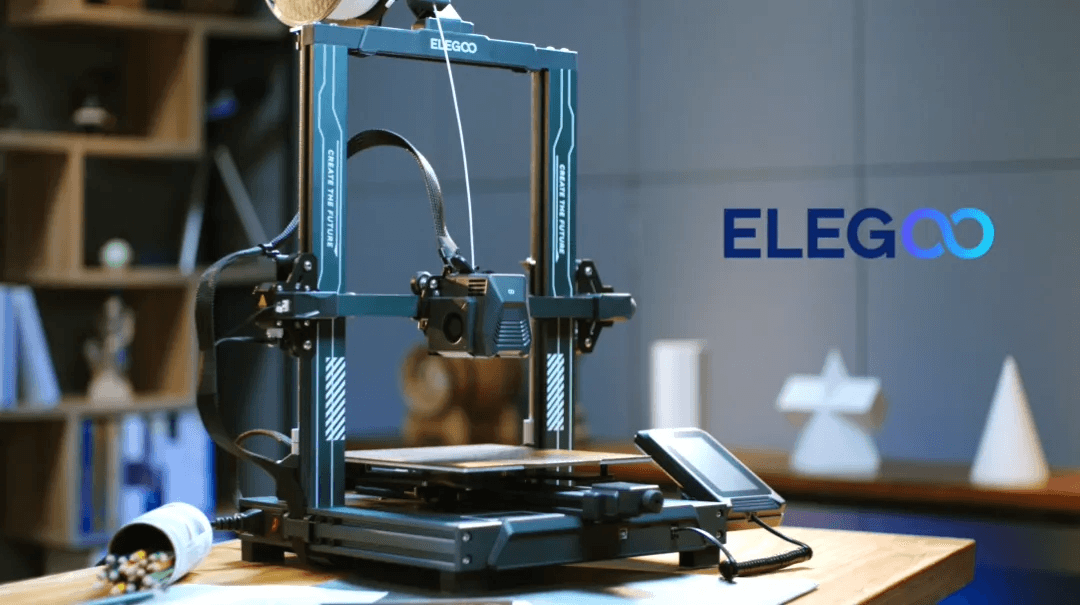
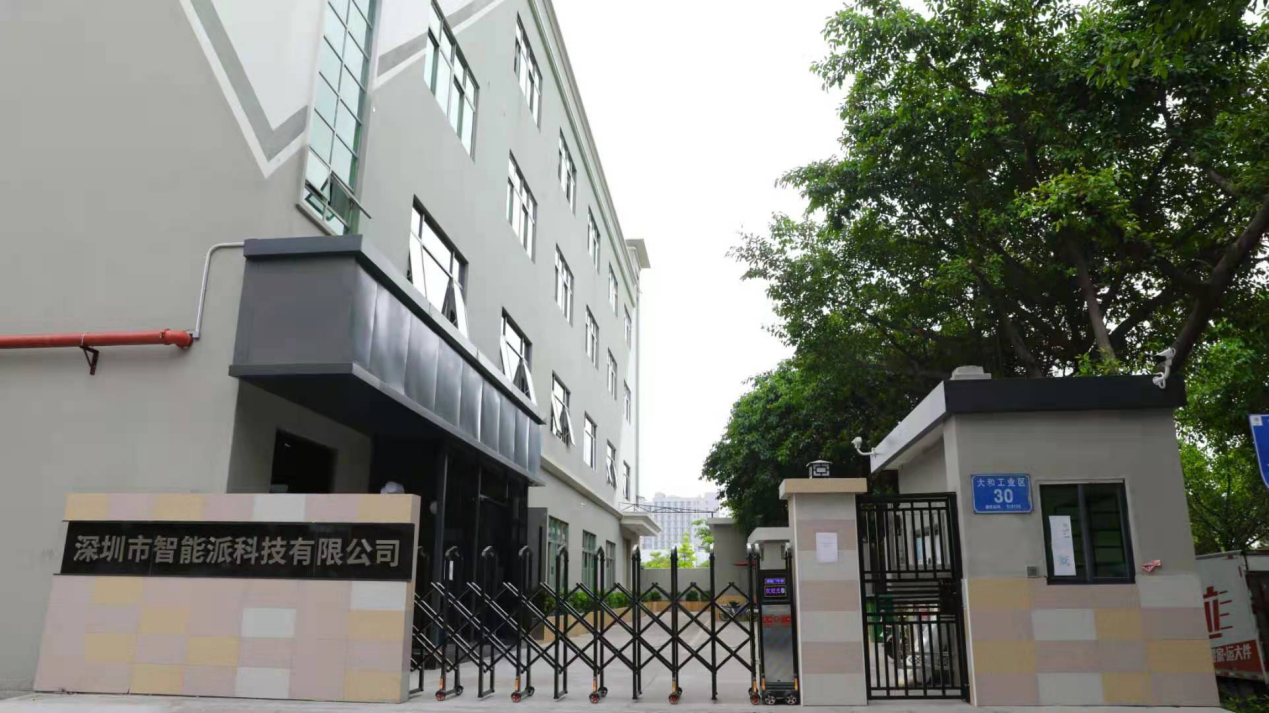
2913Im Jahr 2015 gründete Hong Yingsheng, ein aus Chaoshan stammender Veteran, „ELEGOO“ mit dem Schwerpunkt, STEM-Schaltkreis-Kits ins Ausland zu verkaufen.
2016 kam Chen Bo, der bei der China Post Group arbeitete, mit dem Cross-Border E-Commerce in Kontakt und kündigte entschlossen seinen sicheren Job, um sich dem Team von ELEGOO anzuschließen.
So begannen zwei Männer mit dem gleichen Traum zu dieser Zeit ihren unternehmerischen Weg.
01
Jahresumsatz von 1,2 Milliarden Yuan
Zu dieser Zeit boomte der Cross-Border E-Commerce, und dank der Vorteile der Hong-Familie als Distributoren elektronischer Komponenten erreichte „ELEGOO“ schnell die Spitzenposition in der Kategorie elektronischer Komponenten auf der Amazon-Plattform.
Danach stellten sie jedoch schnell fest, dass das Umsatzwachstum nicht nachhaltig war und dringend neue Wachstumsquellen benötigt wurden. Daher richteten sie ihren Fokus auf den Bereich der 3D-Drucker.
Zu dieser Zeit gab es nur wenige Unternehmen auf dem Markt für Consumer-3D-Drucker, die die Technologie der Photopolymerisation (SLA/DLP) verfolgten. Hinzu kamen die hohen Hardwarekosten für 3D-Drucker: Die Kosten für komplette Geräte inländischer Marken lagen in der Regel über 500 US-Dollar, während ausländische Marken sogar tausend Dollar erreichten, was die meisten Verbraucher abschreckte.
Doch ELEGOO gelang es durch die Integration der inländischen Lieferkette, elektronische Komponenten zu finden, die weit unter dem Marktpreis lagen, und senkte durch technologische Innovationen erfolgreich den Preis der 3D-Drucker.
So brachte ELEGOO im Jahr 2019 die 3D-Druckgeräte-Serie „Mars“ auf den Markt, die in der 300-Dollar-Preisklasse eine 2K-Druckgenauigkeit bot, und eroberte schnell den Markt.
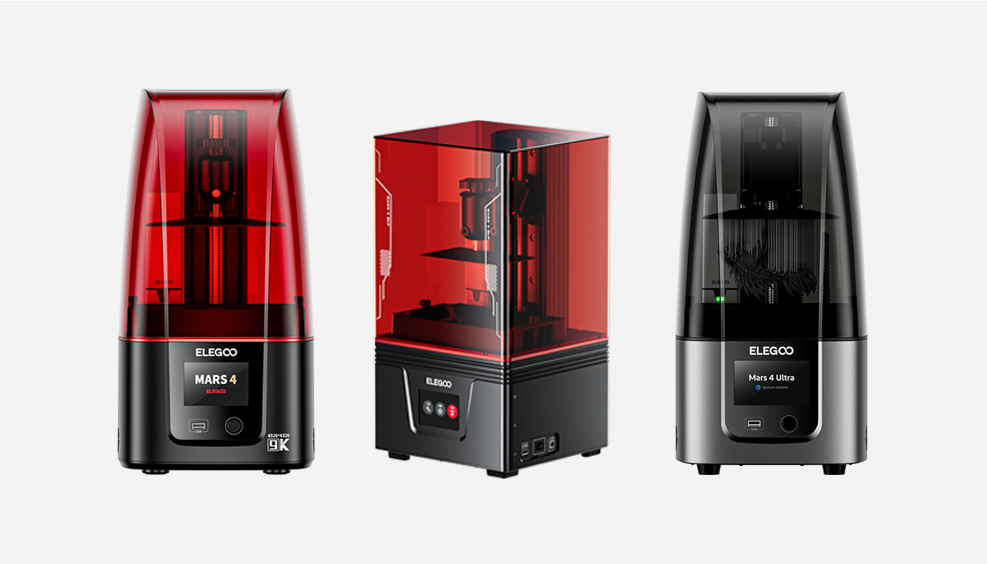
Im Jahr 2021 wurden über 500.000 Photopolymerisations-3D-Drucker verkauft. 2022 überstieg der Gesamtumsatz des Unternehmens 800 Millionen Yuan, was einem sechsfachen Anstieg des Jahresumsatzes entspricht. Im Jahr 2023 überstieg der Umsatz sogar 1,2 Milliarden Yuan, und das Unternehmen ist zu einem der führenden Unternehmen in der chinesischen Desktop-3D-Drucker-Branche geworden.
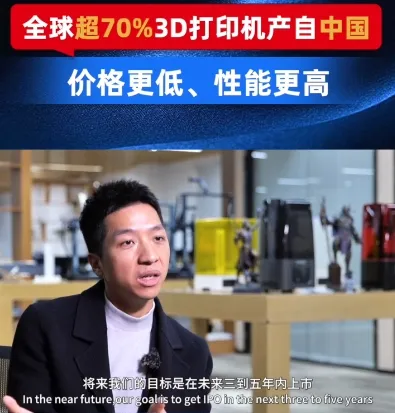
Der Verantwortliche sagte kürzlich in einem Interview, dass das Ziel von ELEGOO ein Börsengang (IPO) in den nächsten 3 bis 5 Jahren sei.
02
Marketing und Schlüsselstrategien von ELEGOO
Rückblickend auf den Weg von ELEGOO im 3D-Drucker-Markt ist sein Erfolg nachvollziehbar. In einer Phase, in der die heimische Branche gerade erst begann und die Lage angespannt war, erkannte ELEGOO das Potenzial des Überseemarktes und stürzte sich kopfüber in diesen.
Mit Preisvorteilen und einem hervorragenden Preis-Leistungs-Verhältnis schuf es sich eine Nische im Überseemarkt, so dass manche scherzhaft die Produkte von ELEGOO als „Preiskiller“ der Branche bezeichneten.
Doch allein das reichte nicht aus, um ELEGOO zu seiner heutigen Position zu verhelfen. Der Schlüssel zum Erfolg lag in seiner einzigartigen Übersee-Strategie.
Im Marketing vertraute ELEGOO seine Produkte nicht, wie andere Cross-Border E-Commerce-Unternehmen, den großen Händlern auf Amazon an, sondern behielt die Vertriebskanäle fest in der eigenen Hand. So blieb es natürlich auch von den späteren „Wellen der Kontosperrungen auf der Amazon-Plattform“ verschont.
Da 3D-Drucker eine Nischensparte sind, war der Verkauf über das System der großen Cross-Border-Händler nicht so effektiv wie der eigene Vertrieb. Daher stützten sich die Produkte von ELEGOO später hauptsächlich auf diversifizierte Plattformen wie Amazon und eigene Webshops (DTC) und setzten auf Direktvertrieb, was Zwischenschritte reduzierte und die Reaktionsgeschwindigkeit sowie Kundenzufriedenheit erhöhte.
Zweitens setzte ELEGOO auf differenziertes Marketing. Von Anfang an wählte es mit dem technisch anspruchsvolleren und teureren Photopolymerisations-3D-Drucker einen Markteinstiegspunkt. Der Vorteil davon war ein geringerer Wettbewerbsdruck und die Möglichkeit, potenzielle Kunden aus der bestehenden FDM-Nutzergruppe zu konvertieren.
Zudem hielt ELEGOO ein extrem hohes Tempo bei der Produktiteration. Im Vergleich zu traditionellen Marken waren die Produktaktualisierungszyklen kürzer, sodass neue Technologien schneller auf den Markt gebracht werden konnten, um die Nachfrage der Verbraucher nach Innovation und einem guten Preis-Leistungs-Verhältnis zu erfüllen.
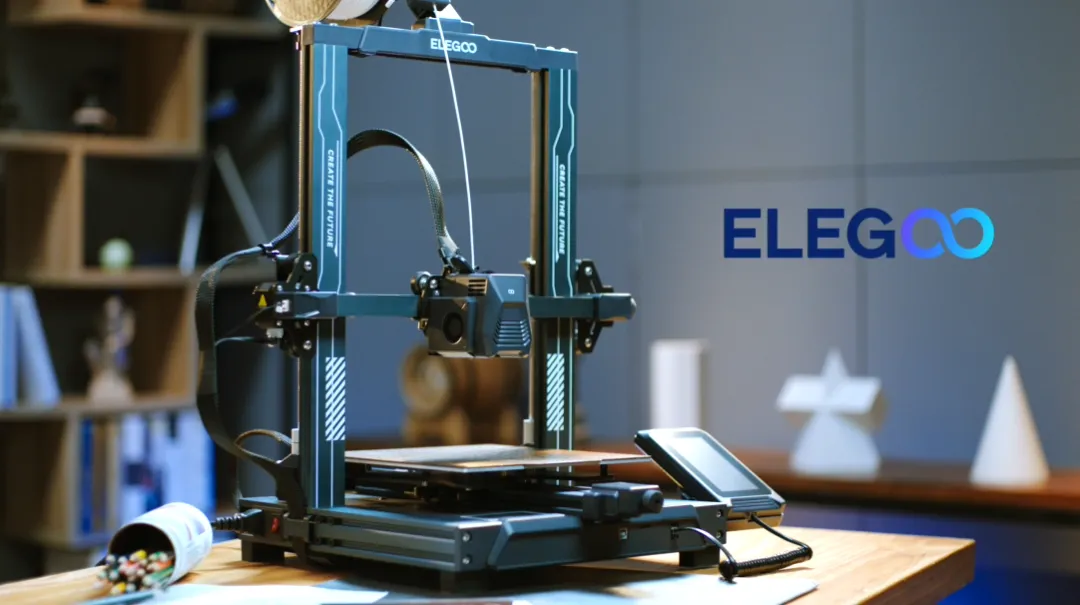
Im Lieferkettenmanagement arbeitete ELEGOO eng mit Lieferanten zusammen, ließ Schlüsselkomponenten anfertigen, senkte die Produktionskosten und verbesserte die Produktqualität. Beispielsweise entwickelte das Unternehmen gemeinsam mit vorgelagerten Lieferanten die Bildschirmtechnologie weiter, was den technologischen Fortschritt der gesamten Branche vorantrieb. Diese Kooperationsform senkte nicht nur die Kosten, sondern sicherte auch die Wettbewerbsfähigkeit der Produkte, sodass sich ELEGOO im 3D-Druckermarkt abheben konnte.
Beim Markenaufbau hat der Markenname ELEGOO eine tiefe Bedeutung und symbolisiert Elektronik und unendliche Möglichkeiten, um den Innovationsgeist der Nutzer zu wecken.
Im Gegensatz zu anderen Marken, die sich zuerst auf den Produktverkauf konzentrieren und dann mit dem Markenaufbau beginnen, ging ELEGOO einen Schritt voraus und begann mit der Markenkommunikation. Diese Strategie half, frühzeitig Markenvorteile aufzubauen und eine solide Grundlage für spätere Verkaufsaktivitäten zu schaffen.
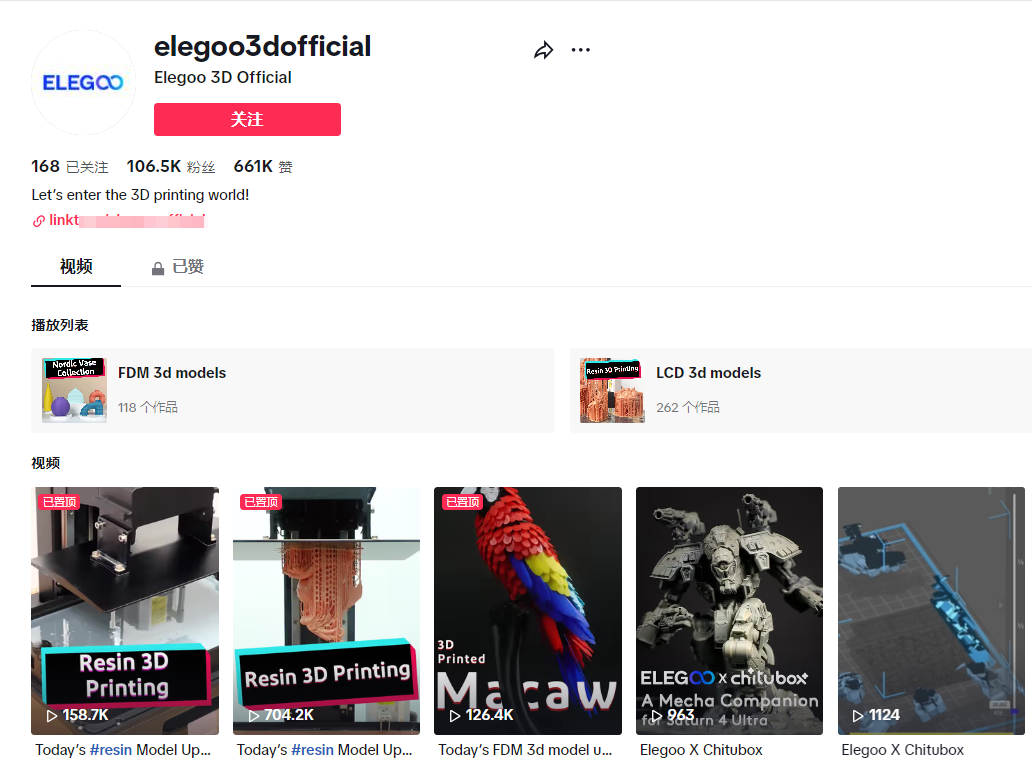
Zu den konkreten Strategien gehörten Social-Media-Marketing auf Plattformen wie TikTok und Facebook, Suchmaschinenoptimierung (SEO) sowie die Organisation von Offline-Events.
Diese Multi-Channel-Werbe- und Vertriebsstrategie half, eine breitere Zielgruppe potenzieller Nutzer zu erreichen, gleichzeitig die Interaktion und Kommunikation mit den Nutzern zu verstärken und den eigenen Webshops und anderen Verkaufsportalen zusätzlichen Traffic zu bringen.
Bis heute hat ELEGOO über Social-Media-Kanäle mehr als 200.000 Follower und insgesamt über 1 Million Nutzer angesammelt, davon allein 100.000 Follower auf TikTok, was eine natürliche Traffic-Quelle darstellt.
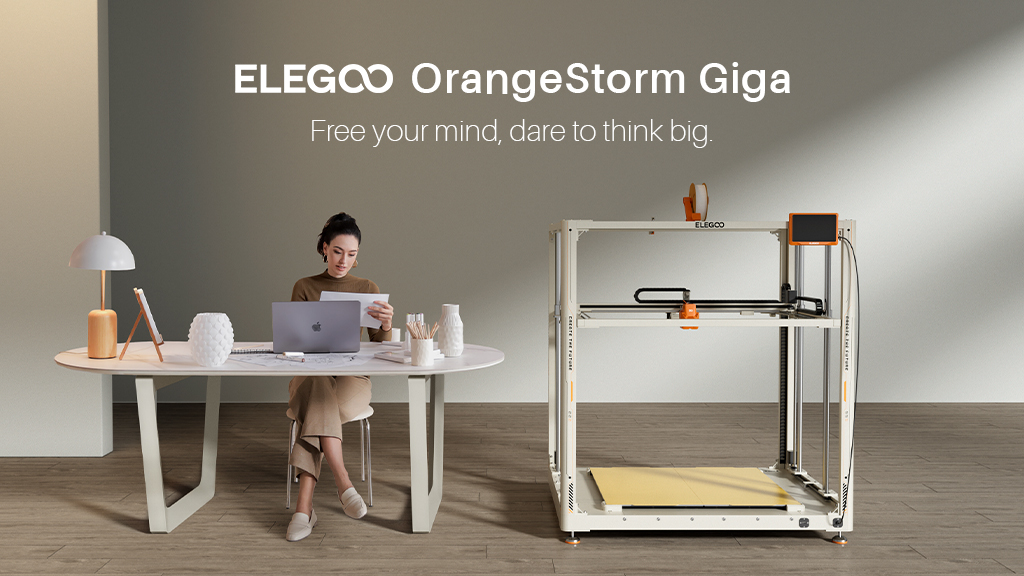
Derzeit werden 3D-Drucker in vielen Bereichen eingesetzt, darunter Bildung und Forschung, Modellbau und Figuren, Modedesign, DIY-Maker, Prototypenbau für kleine Unternehmen und Start-ups sowie die Medizinbranche, und bringen mehr Bequemlichkeit in das Leben der Menschen.
ELEGOO arbeitet auch daran, die 3D-Drucktechnologie weiter zu verbreiten und ein auf den 3D-Druck ausgerichtetes Innovationsökosystem aufzubauen, um diese Technologie zu einem Teil des täglichen Lebens zu machen und den Verbrauchern mehr Möglichkeiten zu bieten.
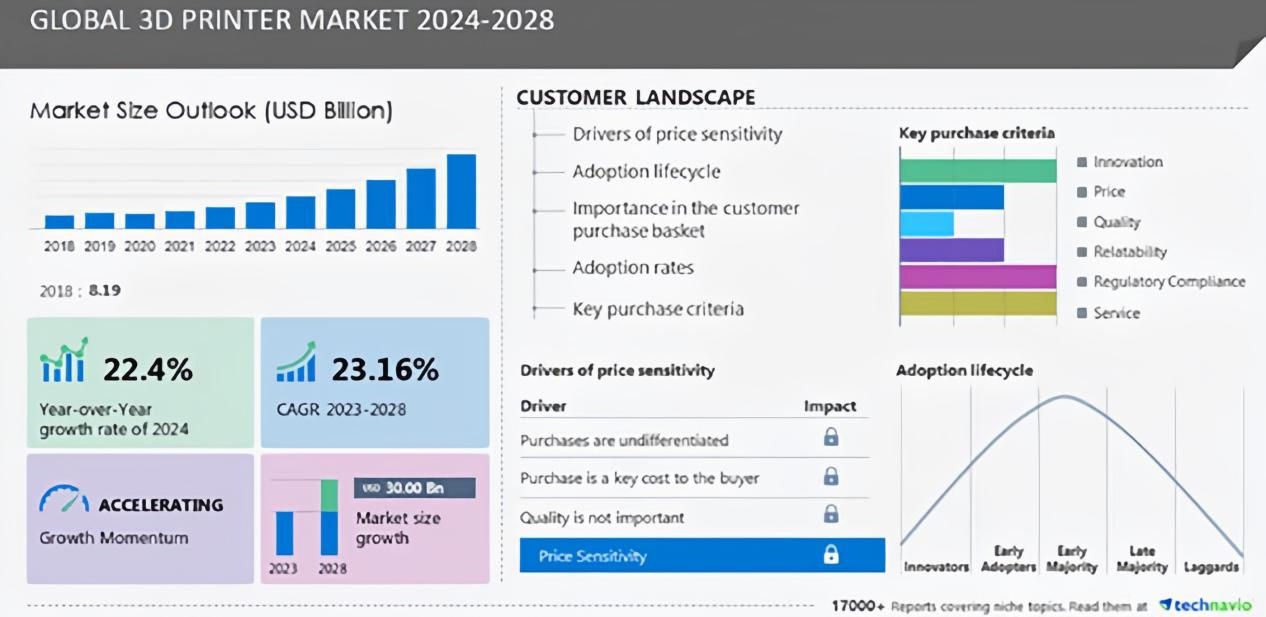
Laut einem aktuellen Bericht des globalen Technologieforschungs- und Beratungsunternehmens Technavio wird erwartet, dass der 3D-Druckermarkt von 2024 bis 2028 um 30 Milliarden US-Dollar wächst, bei einer durchschnittlichen jährlichen Wachstumsrate (CAGR) von 23,16 %.
Die steigende Nachfrage der Verbraucher nach personalisierten Produkten treibt einen Paradigmenwechsel im B2B-Bereich voran. Die Desktop-3D-Drucktechnologie mit ihrer Erschwinglichkeit und Leistungsfähigkeit ermöglicht es Unternehmen, effektiv auf die zunehmend vielfältigen Kundenbedürfnisse zu reagieren, dadurch Servicestandards zu verbessern und die Rentabilität zu fördern.
Aus dieser Perspektive wird der 3D-Druck zweifellos als ein hochpotenzieller „Blue Ocean“-Markt angesehen, der immer mehr Unternehmen anzieht.
Aufgrund des intensiven Wettbewerbs zwischen Unternehmen, der Aspekte wie Technologie, Marketing, Produktion und Preis umfasst, nehmen die Herausforderungen jedoch zu. Unternehmen müssen neben der Aufrechterhaltung von Produktinnovation und -differenzierung kontinuierlich die Produktionseffizienz und Marktdynamik im Auge behalten, um im zukünftigen harten Wettbewerb einen Vorteil zu behalten.