 2818
2818In einer Zeit, in der alles auf Effizienz und Innovation ausgerichtet ist, fragen sich viele Marken, wie traditionelle Produkte Markthürden überwinden und wieder aufleben können. Tea Drops, eine 2015 gegründete US-Marke, die für ihre gepressten Teeblöcke bekannt ist, gibt uns eine inspirierende Antwort.
1. Tradition umkrempeln, beginnend mit der Form
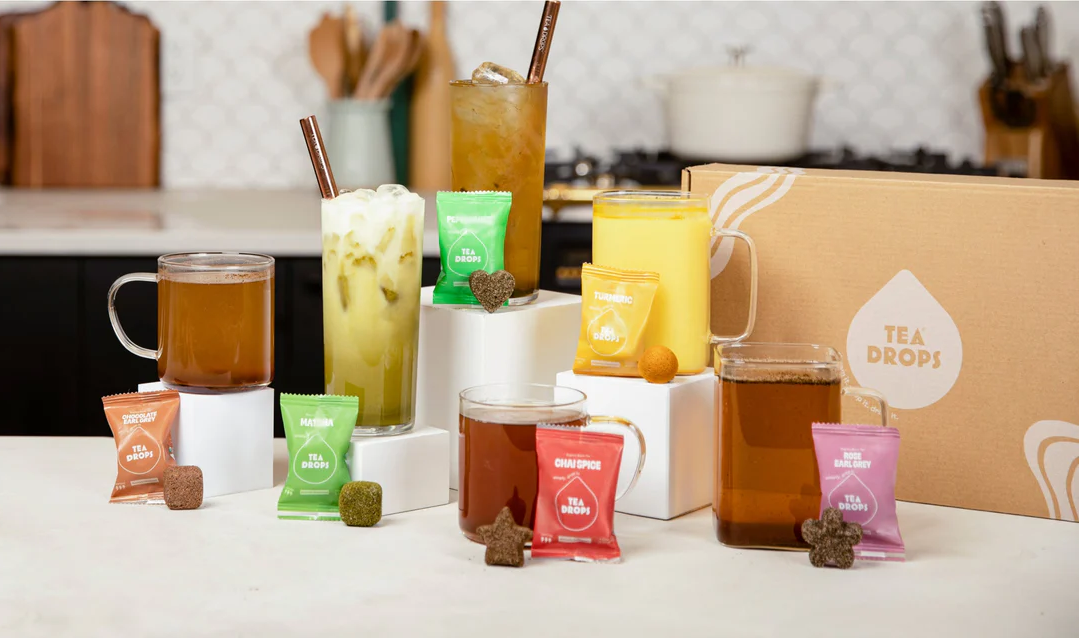
Der Erfolg von Tea Drops beruht zunächst auf der Neudefinition der Teeform.
Gründerin Sashee Chandran stammt aus einer tee-liebenden Familie; ihre Mutter kommt aus China, ihr Vater aus Sri Lanka. Sie wollte ein Teeprodukt schaffen, das besser zum modernen Lebensrhythmus passt, ohne die Teequalität zu beeinträchtigen. So entstand das Kernprodukt von Tea Drops – der lösliche Teeblock.
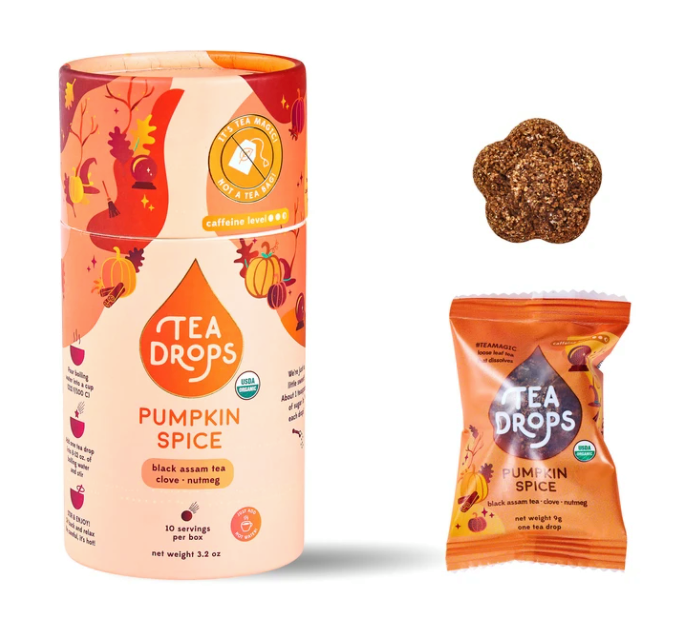
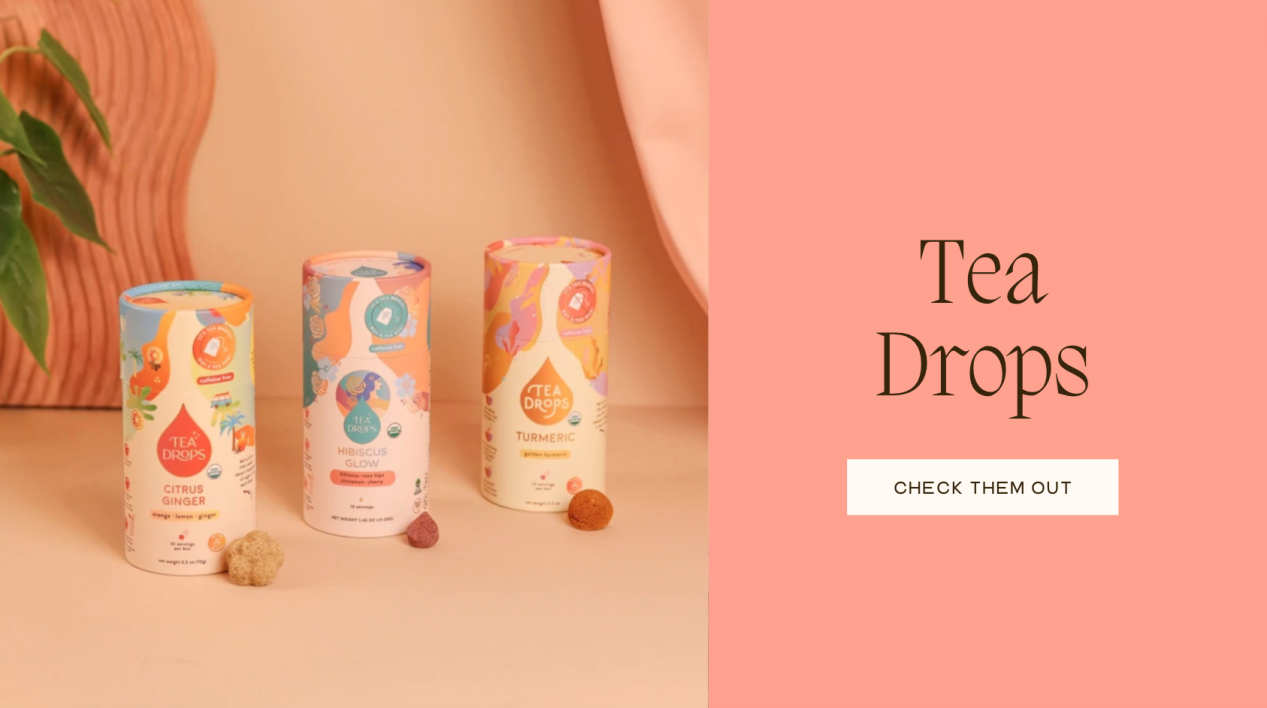
Zu Blüten gepresster Tee Bildquelle: Tea Drops Website
Diese Teeblöcke werden aus ganzen Teeblättern, Trockenfrüchten, Trockenblumen und Bio-Gewürzen gepresst. Sie bewahren den Geschmack von losem Blatttee, vereinfachen aber den Aufgussprozess erheblich.
Für Amerikaner, die an löslichen Kaffee gewöhnt sind, ist dieser „lösliche Tee" zweifellos eine erfrischende Wahl. Er ist nicht nur praktisch und schnell, sondern entspricht auch dem heutigen Streben der Verbraucher nach Natürlichkeit und Gesundheit.
Genau diese Innovation, die auf der Bewahrung traditioneller Essenzen basiert, verschaffte Tea Drops schnell einen Platz im Markt.

Gründerin Sashee Chandran Bildquelle: Internet
2. Markterschließung mit dem DTC-Modell, Nutzung sozialer Medien
Tea Drops ist sich bewusst, dass ein gutes Produkt allein nicht ausreicht; es braucht Kanäle für eine effektive Kommunikation mit den Verbrauchern. Im digitalen Zeitalter sind soziale Medien zweifellos eine der einflussreichsten Plattformen.
Daher setzte Tea Drops auf das DTC-Modell (Direct-to-Consumer) und baute über die eigene Website sowie TikTok, Instagram und Facebook ein soziales Netzwerk auf. Besonders auf TikTok gelang es der Marke, durch Influencer-Marketing und nutzergenerierte Inhalte eine eigene Community aufzubauen.
Durch die Zusammenarbeit mit internationalen Influencern zeigte Tea Drops nicht nur die Anwendungsmöglichkeiten seiner Produkte, sondern ließ diese Influencer auch für die Marke bürgen, was eine große Fangemeinde anzog. Videos von Influencern wie @yaslsa, @van.swagoner und @mona_made_it zeigten nicht nur die Einzigartigkeit der Tea Drops-Blöcke, sondern weckten durch durchdachte Inhalte das Interesse und die Kaufbereitschaft der Zuschauer.
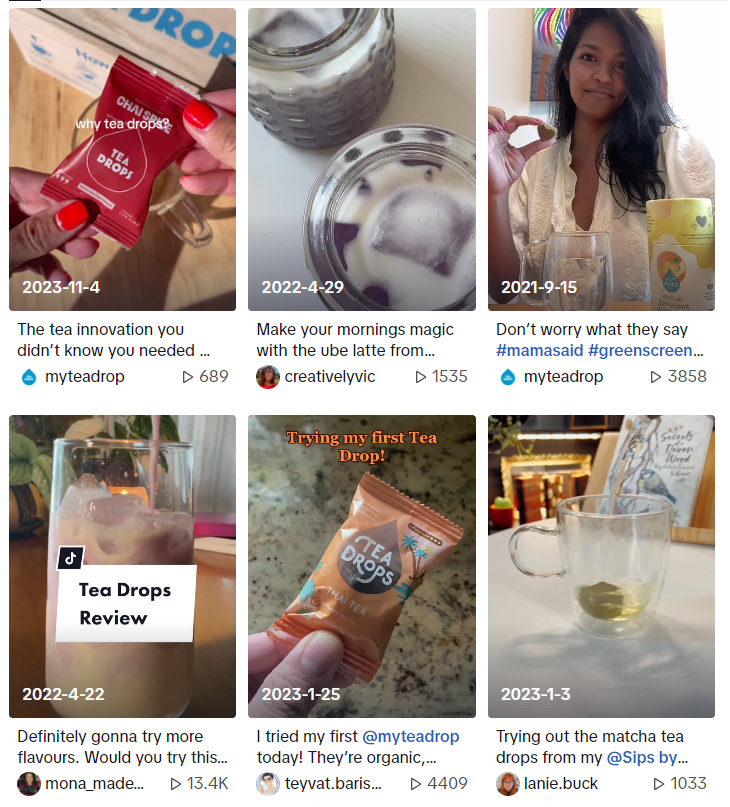
Durch diese sorgfältig geplanten Social-Media-Aktivitäten steigerte Tea Drops nicht nur erfolgreich die Markenbekanntheit, sondern baute auch eine starke Markenloyalität bei der jüngeren Generation auf.
Darüber hinaus betreibt Tea Drops eine eigene Marken-Website. Dort können Nutzer nicht nur Tee kaufen, sondern auch lernen, wie man diese gepressten Teeblöcke aufbrüht, und die Entwicklungsgeschichte der Marke erfahren.
Neben dem Online-Vertrieb sind auch verschiedene Supermärkte und Kaufhäuser Kooperationspartner von Tea Drops. Obwohl Tea Drops außer auf Amazon keinen TikTok-Shop betreibt, erweitert es durch Social-Media-Werbung die Markenbekanntheit und lenkt die Verbraucher dann zu eigenständigen Käufen auf der Website oder im stationären Handel, was indirekt den Umsatz steigert.

3. Kundenerfahrung an erster Stelle, jede Teestunde voller Überraschungen
Als DTC-Marke weiß Tea Drops, dass die Kundenerfahrung an erster Stelle steht. Nur wenn man die Verbraucher „packt" und der Marke mehr Nutzen bringt, kann die langfristige Entwicklung der Marke unterstützt werden.
Daher zeichnet sich Tea Drops nicht nur durch Produktinnovation und Marketingstrategien aus, sondern geht auch bei der Kundenerfahrung bis zum Äußersten.Ob das ansprechende Verpackungsdesign oder die benutzerfreundliche Anwendung – alles spiegelt das tiefe Verständnis der Marke für die Bedürfnisse der Nutzer wider. Die Nutzer erhalten nicht einfach nur Tee, sondern ein sorgfältig verpacktes „Überraschungsgeschenk", das ihnen das Gefühl gibt, geschätzt und umsorgt zu werden.
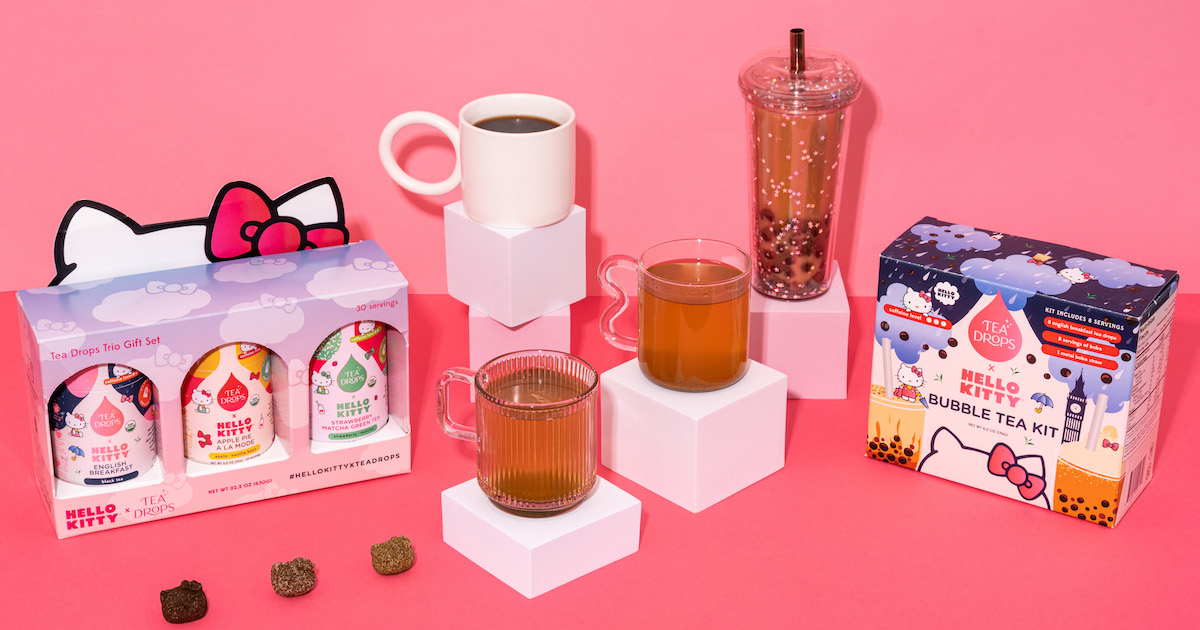
Tea Drops x Hello Kitty Bildquelle: Tea Drops Website
4. Soziale Verantwortung, der tiefere Wert der Marke
Eine Marke sollte neben dem kommerziellen Erfolg auch entsprechende soziale Verantwortung übernehmen. Dies gilt gleichermaßen in jedem Land.
So arbeitet Tea Drops beispielsweise mit dem Thirst Project (einer gemeinnützigen Organisation) zusammen, um Bedürftigen sauberes Trinkwasser zur Verfügung zu stellen. Diese Wohltätigkeit verbessert nicht nur das soziale Image der Marke, sondern gewinnt auch Respekt und Sympathie der Verbraucher.
Als ein von einer Minderheiten-Frau geführtes Unternehmen hat Tea Drops auch viel zur Förderung der Geschlechtergleichstellung und zur Unterstützung von Minderheiten beigetragen, was den kulturellen Wert der Marke weiter stärkt.
Diese Maßnahmen zur sozialen Verantwortung haben Tea Drops nicht nur Marktanerkennung eingebracht, sondern der Marke auch mehr emotionale Tiefe verliehen.
In einer Zeit, die von Schnelligkeit und Bequemlichkeit geprägt ist, ist es Tea Drops durch die moderne Transformation des traditionellen Tees gelungen, dieses uralte Getränk wieder in die Herzen der amerikanischen Verbraucher zu bringen.
Blickt man auf den heutigen globalen Teemarkt, so durchläuft die Teekultur einen tiefgreifenden Wandel. Vom traditionellen Teeaufguss bis hin zu innovativen Fertiggetränken und funktionellen Tees – die Bedürfnisse der Verbraucher werden vielfältiger und individueller. Dieser Trend zeigt sich nicht nur in westlichen Ländern, sondern auch in Asien, insbesondere in China, wo eine Welle neuer Teegetränke nach der anderen aufkommt.
China, als Ursprungsland des Tees, hat eine lange Teetradition. Dennoch bleibt es eine große Herausforderung, diese kulturelle Essenz mit modernen Konsumgewohnheiten zu verbinden und weltweit zu verbreiten.
Aber das bedeutet nicht, dass man es nicht versuchen sollte, denn mit dem Aufkommen der neuen Tee-Ära in China ist der Verdrängungswettbewerb in der Branche unumkehrbar. Teemarken werden in Zukunft zwangsläufig neue Schlachtfelder erschließen müssen.
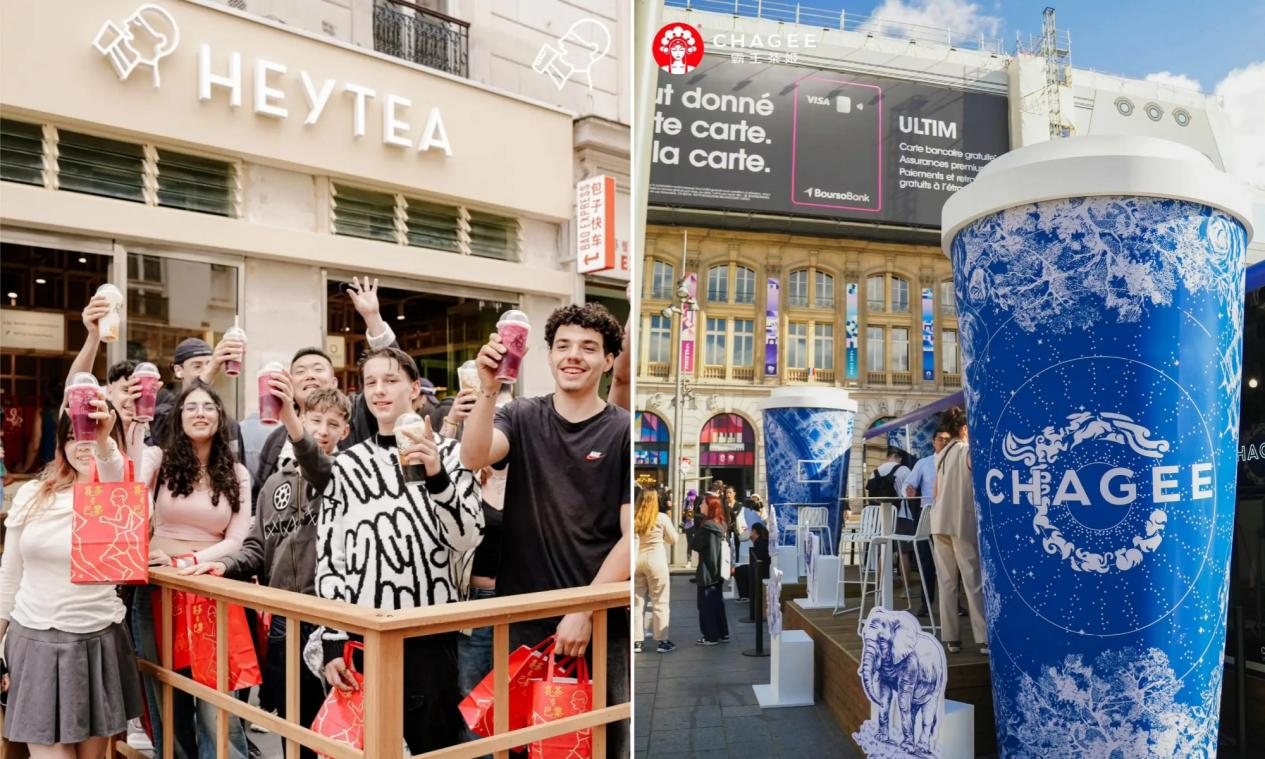
Marken wie CHAGEE und HEYTEA, die während der Olympischen Spiele in Paris ihre Geschäfte in Paris eröffneten, sind ein gutes Beispiel für eine gelungene Begegnung zwischen chinesischem Tee und internationalen Freunden.
In Zukunft müssen chinesische Teemarken, um auf dem internationalen Markt Fuß zu fassen, nicht nur auf traditionelle Stärken setzen, sondern auch in Produktform, Markenmarketing und Kundenerfahrung kontinuierlich forschen und innovieren.
Wie die Inspiration, die Tea Drops für den internationalen Markteintritt chinesischer Teemarken bietet: Innovation ist nicht nur die Erneuerung des Produkts, sondern auch ein tiefes Verständnis und eine Anpassung an Kultur, Konsumgewohnheiten und Markttrends.
Indem sie von den Erfolgen von Tea Drops lernen, haben chinesische Teemarken durchaus die Chance, sich auf dem globalen Markt ein eigenes Terrain zu erobern und die weitere Verbreitung und Entwicklung der Teekultur weltweit voranzutreiben.