 2425
2425With the rise of global automotive culture and outdoor lifestyles, car refrigerators are gradually evolving from a marginalized niche product to an essential piece of equipment for self-driving travel and camping leisure.
According to Market Research Future data, the global car refrigerator market is valued at $5.1 billion in 2024, and is expected to have a compound annual growth rate of 11.17% from 2025 to 2034.
By 2034, the global car refrigerator market size is expected to reach $14.7 billion.
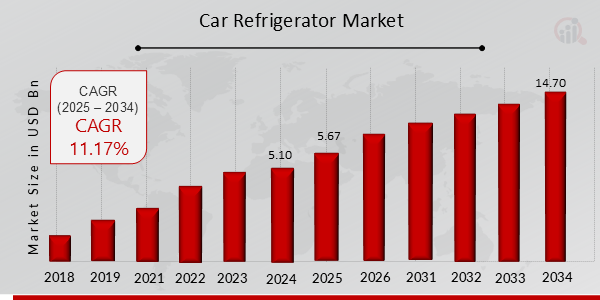
Image source: Market Research Future
Although car refrigerators have now become a popular accessory for automotive life, looking back to 2005, when cars were not yet fully popularized, car refrigerators were still a rather niche product for most consumers.
During this market gap, a Chinese company saw an opportunity, believing that with the popularization of cars, in-car refrigeration space would inevitably become a rigid demand. Based on this judgment, they chose car refrigerators as their entry point, gradually developing the market step by step, and eventually became a major overseas seller in this niche track.
This company is the car refrigerator brand ICECO (Indel) from Zhongshan, Guangdong.
It is reported that during the fiscal period from March 2020 to March 2024, the brand's average annual sales were 4.2985 billion yuan, with a median of 4.2264 billion yuan.
In 2024, its annual sales increased to 5.0498 billion, breaking through the 5 billion mark in one fell swoop.
Nowadays, ICECO has sold a total of 2 million car refrigerators, with products exported to 66 countries and regions worldwide, covering major markets such as Europe, America, Australia, the Middle East, and Latin America, and serving over 4 million global users.
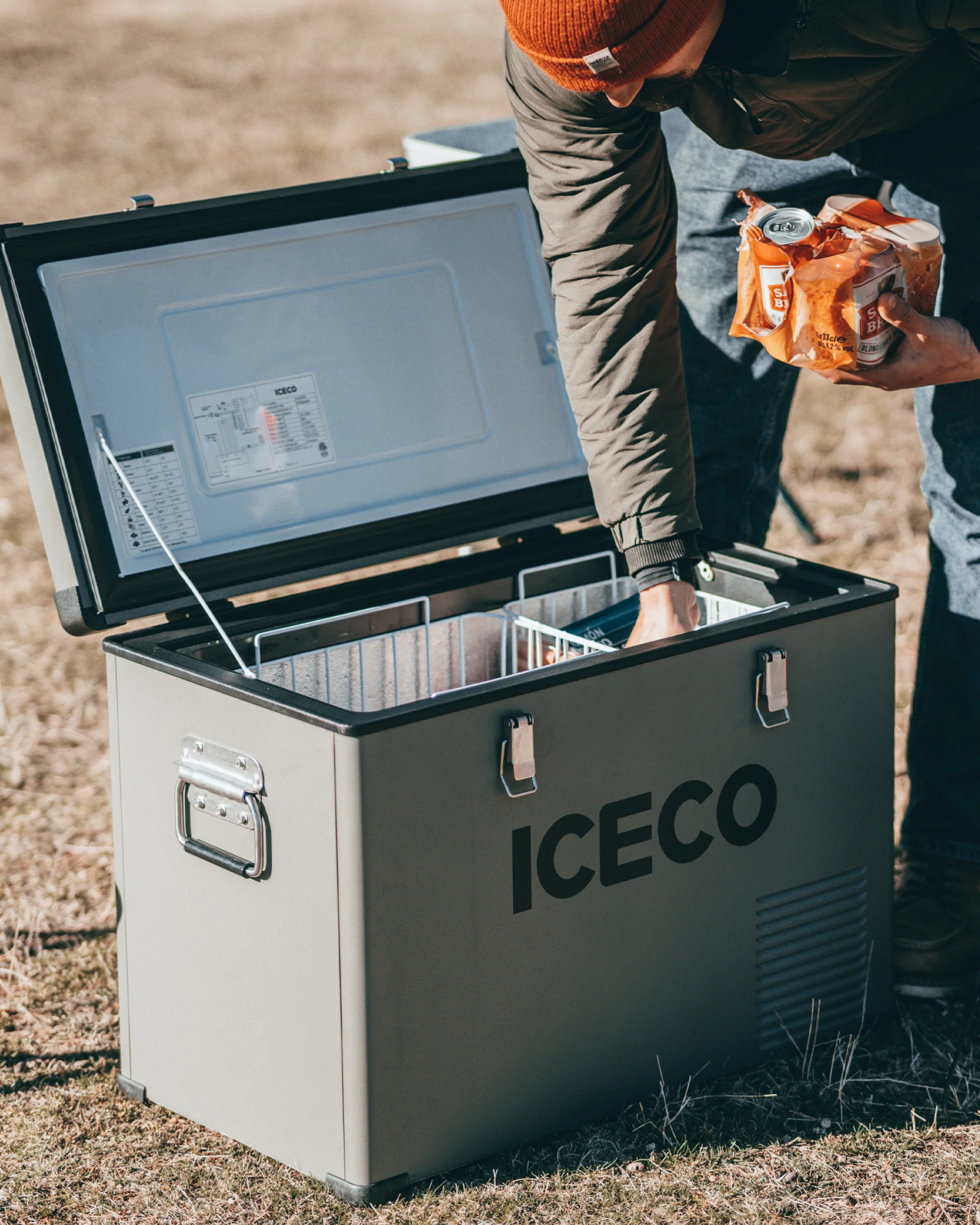
Image source: Google
From Crisis to Opportunity: Brand Rebirth by Focusing on the Track
It is understood that the story of ICECO began in 1997. After graduating from Xi'an Jiaotong University, the brand's founder Mr. Shi joined the Hong Kong-listed company Kelon Appliances.
In 2000, he met the founder of the Italian car refrigerator brand indelB during business dealings, which laid the groundwork for future cooperation.
In 2002, Mr. Shi decided to resign and start his own business. After three years of preparation, he officially established ICECO in 2005 as a joint venture with indelB, focusing on the field of mobile car refrigerators.
Subsequently, with precise market positioning, the brand expanded rapidly, and by 2012, the number of domestic stores had exceeded 1,000.

Image source: Google
However, the good times did not last long. Between 2013-2014, influenced by the financial investment boom, Mr. Shi began to invest across industries in chemical and pharmaceutical fields, and invested 200 million yuan in brand marketing. Due to lack of relevant industry experience and mature channels, more than 800 C-end stores were closed, the sales team was cut by 90%, and the company fell into a serious crisis of tight capital chain and near-paralysis of its main business.
At this critical juncture of life and death, a turning point quietly appeared in 2016. At that time, the new energy vehicle market ushered in explosive growth, and car owners' demand for refrigeration in car scenarios rose sharply. Mr. Shi, who had been paying close attention to market trends, keenly captured this signal: instead of struggling in unfamiliar fields, it was better to return to the refrigeration equipment track he was most familiar with and focus on the blue ocean of car refrigerators.
So he quickly cut off non-core businesses and refocused all resources on the R&D, production, and channel reconstruction of car refrigerators. This "narrowing the front and returning to the main business" strategic adjustment quickly paid off. In the 2017 "Double 11" e-commerce promotion, the total online sales of ICECO increased by 173% year-on-year, and with precise market positioning and product competitiveness, it topped the sales list of high-end car refrigerators in China.
In addition, while consolidating the retail market, the ICECO brand has also actively expanded its B-end business, successively cooperating with more than 40 automobile manufacturers such as Mercedes-Benz, Land Rover, Li Auto, and NIO to provide customized car refrigerator solutions.
This process from expansion to focus, from crisis to rebirth, laid a solid foundation for ICECO's subsequent international development.
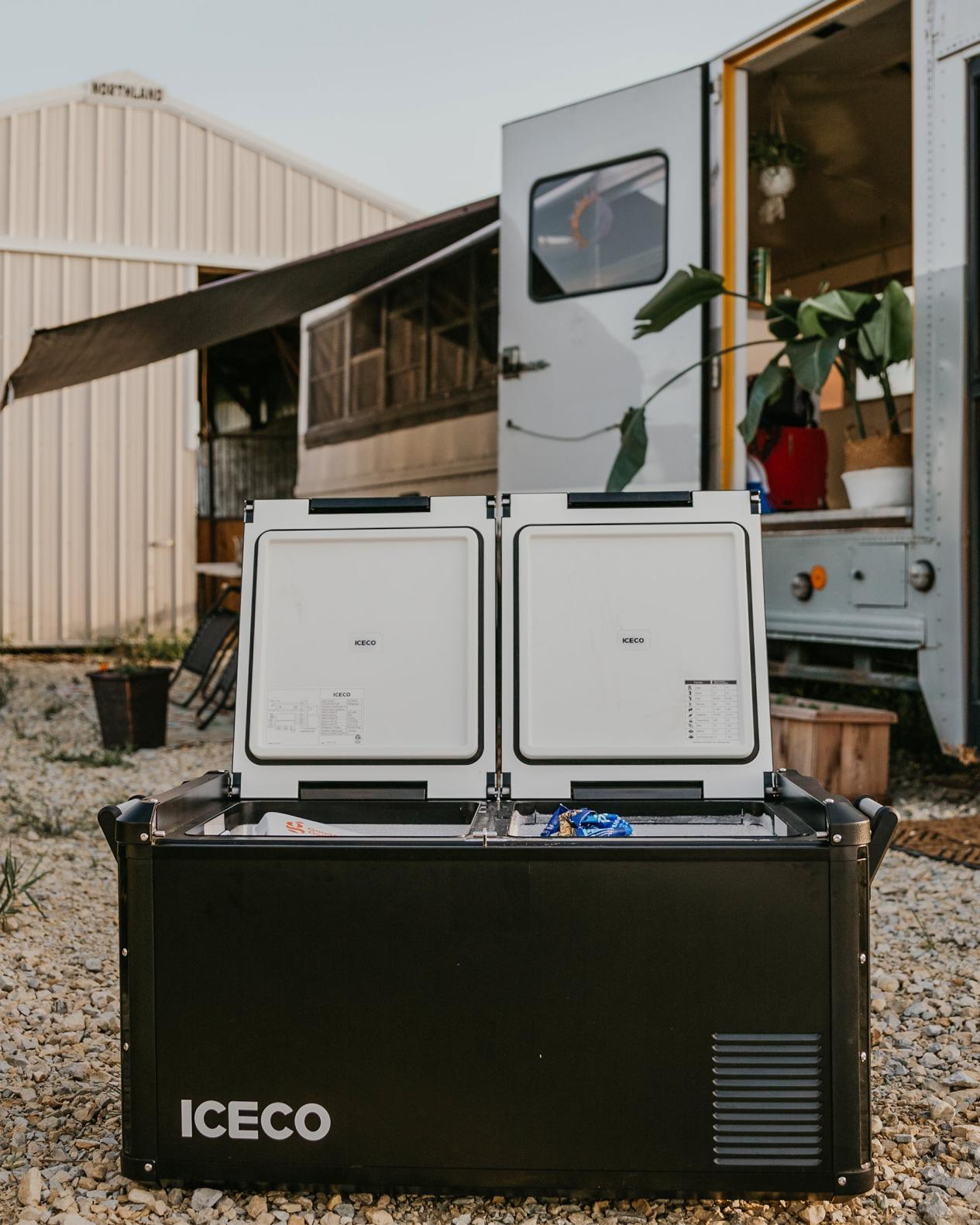
Image source: Google
First Overseas Battle: Leveraging the North American Market
In 2019, ICECO officially launched its overseas strategy, with the first stop in the North American market. Here, there is a mature automotive culture and outdoor lifestyle, with a large group of truck drivers, RV users, and camping enthusiasts, who have a natural demand for car refrigerators.

Image source: Google
However, ICECO did not blindly distribute goods directly, but instead made a precise entry in two steps.
The first step was to frequently appear at North American outdoor adventure expos and modified car shows, directly contacting high-value groups such as RV owners and off-road enthusiasts; the second step was to develop refrigerators that fit the trunk sizes of models such as Jeep and pickup trucks, and even launched features such as dual temperature zones and Bluetooth control to meet users' needs for outdoor refrigeration and freezing zones.
It is this scenario-driven product strategy that has enabled ICECO to quickly open up the North American market and gradually expand to Australia, Europe, and other regions.

Image source: Google
Social Media Marketing: Touching Potential Users with Real Scenarios
In addition to offline exhibitions and deep cultivation of user scenarios, the ICECO brand also attaches great importance to the role of social media in brand communication and user education.
On platforms such as TikTok and YouTube, it adopts differentiated content strategies, using real usage scenarios and professional reviews to enhance user trust.
--TikTok:
On TikTok, the ICECO brand collaborates with many outdoor and tech influencers to showcase product features through scenario-based short videos.
Outdoor sharing influencer @nikitacrump, who has 989,200 followers on TikTok, has collaborated with the ICECO brand to shoot promotional short videos for ICECO's car refrigerators.
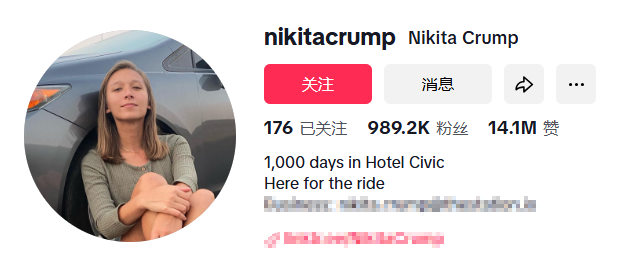
Image source: TikTok
In the video, the influencer, with the theme of how the car refrigerator changed her life, records her experience of using the ICECO refrigerator to store food and drinks during self-driving trips.
So far, this video has received 358,200 views and 23,600 likes.
It has attracted many potential users to ask about product details and usage in the comments section:
"Wow, I wonder if they have multiple colors?"
"How do you power this (car refrigerator)?"
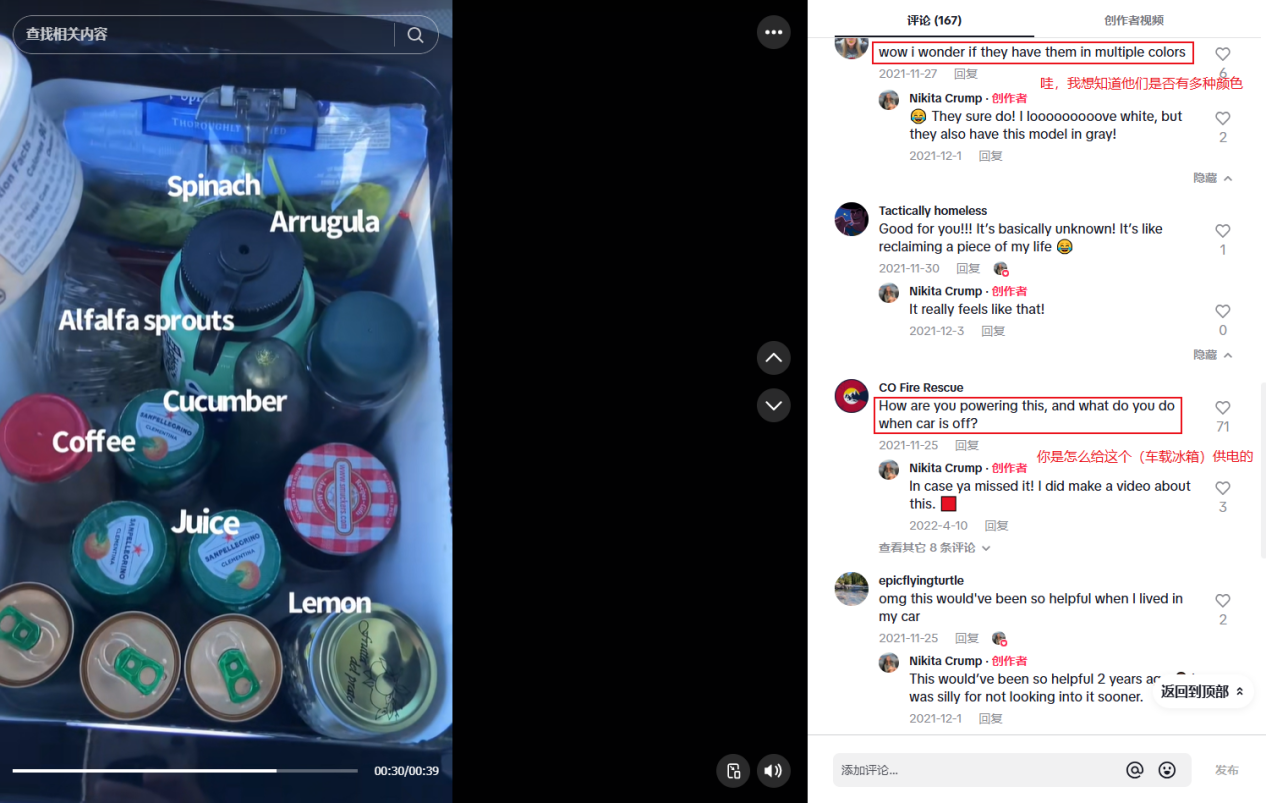
Image source: TikTok
--YouTube:
On YouTube, the ICECO brand chooses to cooperate with tech bloggers, conveying product value through professional reviews.
Tech blogger HOBOTECH, who has 256,000 subscribers, is a partner of the ICECO brand and has released a long video with an in-depth review of the ICECO APL35.
So far, this review video has received 60,000 views.
In the video, blogger HOBOTECH first does an unboxing demonstration, explaining to users the basics such as product material, size, capacity, and how to power it, then takes the product outdoors for use and conducts rigorous testing, allowing users to intuitively understand the product's performance during the process.

Image source: YouTube
The comments section of the video is filled with real feedback from users who have purchased, forming a good word-of-mouth communication effect:
"This is a very sharp mini fridge! ICECO did a great job on this product. The aluminum interior is easier to keep clean than plastic."
"Among my 6 compressor fridge/freezers! ICECO 21L dual zone with removable divider and Bluetooth is my favorite feature, and it's been used for 4 years without failure."
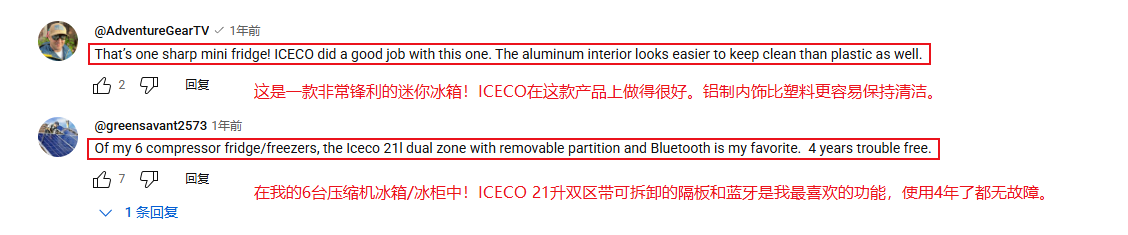
Image source: YouTube
Sales Channels: Third-Party Platforms + Independent Site Dual Layout
In addition to marketing on social media platforms, in terms of sales channels, the ICECO brand has adopted a dual-layout strategy of platform + independent site.
Actively entering mainstream e-commerce platforms such as Amazon, leveraging their traffic and logistics advantages to quickly reach target users. At the same time, ICECO has also built its own brand independent site.
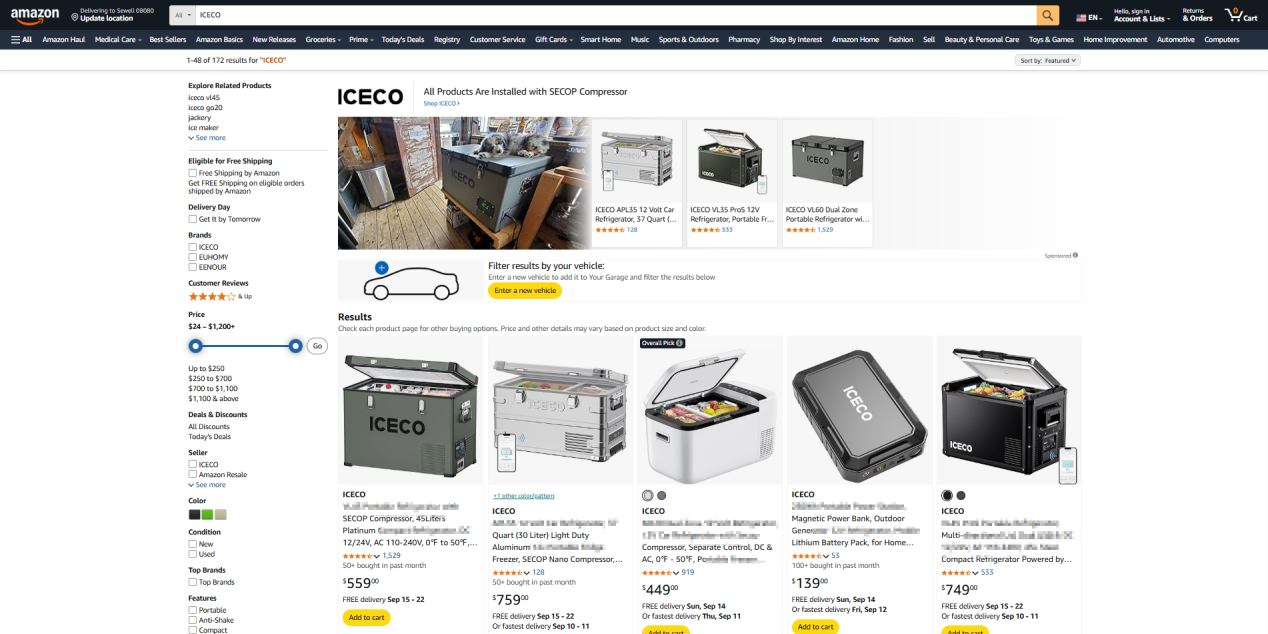
Image source: Amazon
On the independent site, a clear product classification system is adopted, with main products such as portable refrigerator freezers and outdoor equipment separately categorized.
The homepage also specially sets up a TOP PICKS section, centrally displaying the site's best-selling products to help consumers quickly find the products that best suit their needs.
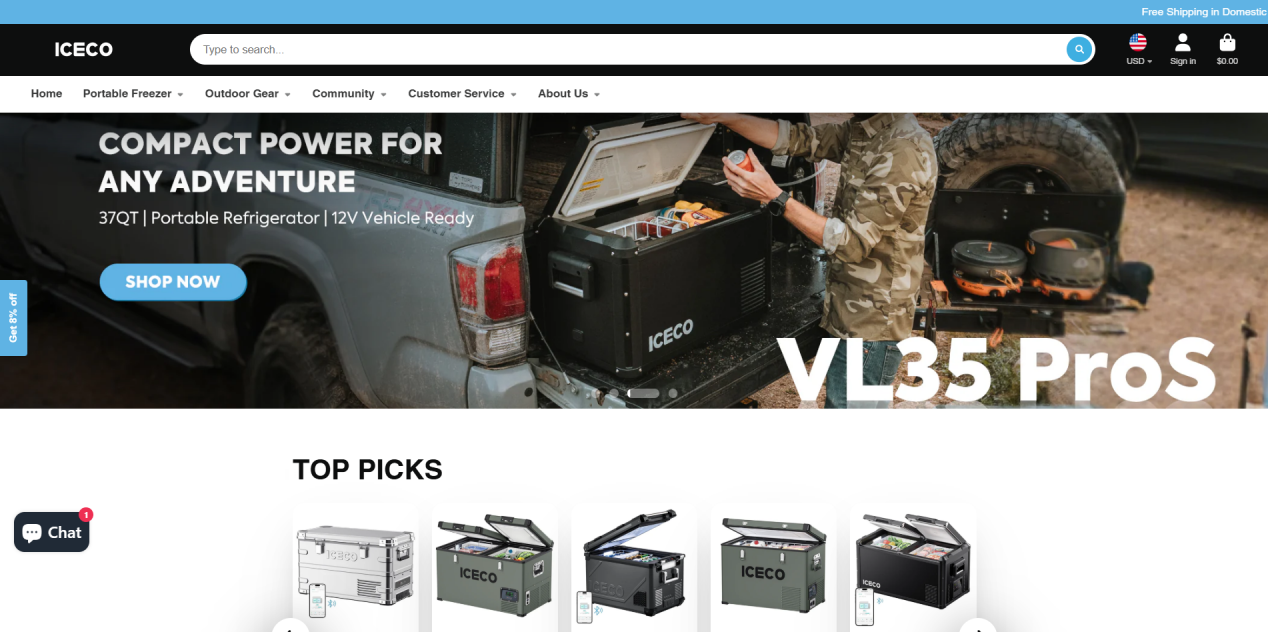
Image source: ICECO
In addition, ICECO has also built a user community platform on the site. This interactive space not only allows users to learn about the brand's offline event plans and new product release information in advance, but more importantly, provides a channel for users to share real usage experiences, facilitating communication between users and greatly helping to strengthen the emotional connection between users and the brand.
Therefore, other companies can also refer to ICECO's dual-channel layout strategy of third-party platforms + independent sites when promoting overseas. Through multi-line marketing methods, not only is short-term sales conversion ensured, but also a foundation is laid for the long-term development of the brand.
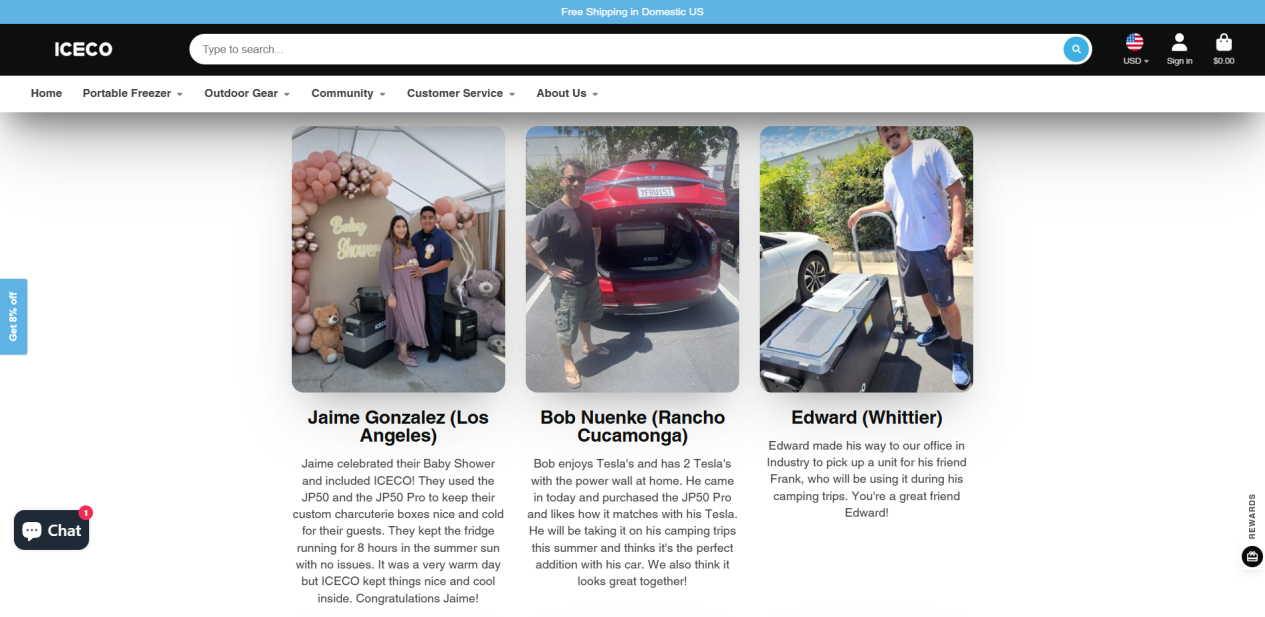
Image source: ICECO
Conclusion
ICECO's success provides a referable overseas expansion logic for many domestic brands focusing on niche fields: it does not rely on a single blockbuster or traffic dividend to win quickly, but steadily expands overseas markets through continuous scenario cultivation, product adaptation, and channel integration.
For other domestic brands aspiring to go overseas, to achieve results in overseas markets, companies need to calm down and understand the habits of users in different regions, respect local rules, and continuously optimize products and communication methods.After all, the overseas market environment is complex, and there are differences in consumer preferences, policies and regulations, and even cultural contexts in different countries. Only by polishing every link with a "localization" mindset can one break regional barriers and build brand trust.
In the future overseas track, the winners are never those who rely on low-cost supply chains to fight price wars or brands that rely on short-term traffic hype to grab attention. Those who can truly gain a foothold and achieve long-term growth are those companies that can accurately capture the pain points of users in different regions and provide solutions with innovative product design and service models. This "user pain point-oriented" core competitiveness is the key to crossing market cycles and resisting competitive risks.