 64
64A group of little figures has built a €447 million business.
It sounds a little incredible, but it is exactly what Tonies is doing.
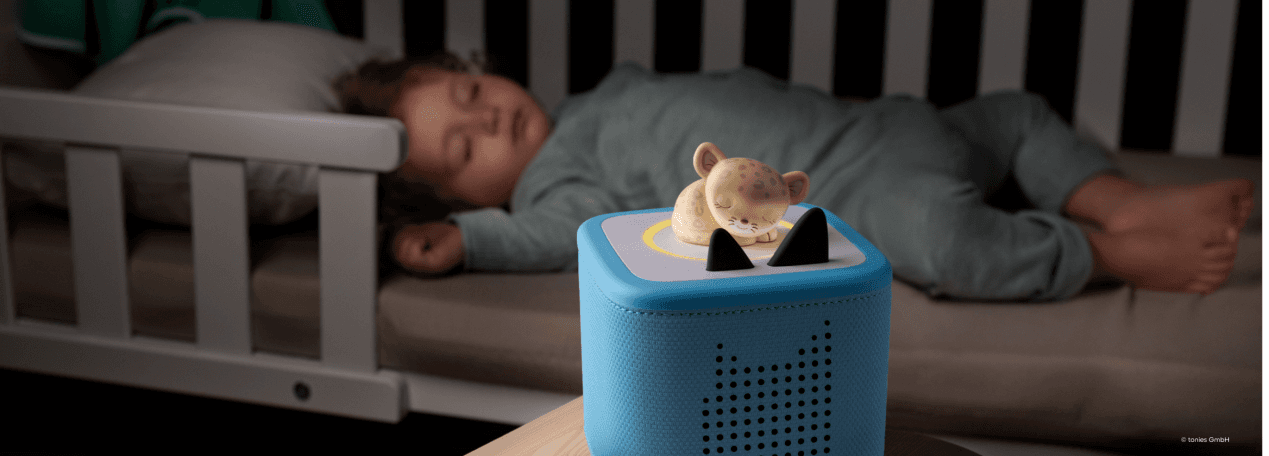
This German children's brand initially just wanted to solve a very simple problem: how can children listen to stories without staring at a screen all the time?
So, a Toniebox and a group of little figures that can play stories appeared.
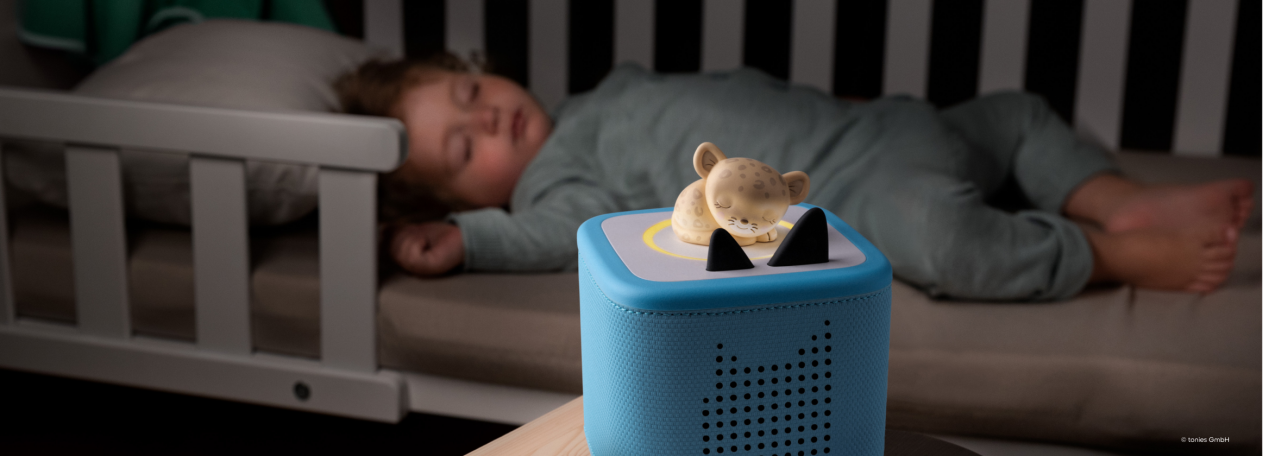
Image source: Tonies
In 2025, Tonies achieved revenue of €630.3 million, of which Tonie character revenue reached €447 million, up 37% year-on-year, clearly higher than the €161 million revenue from hardware itself。
A speaker is the entry point; a group of figures is the real business.
Now, Tonies has brought this playbook to TikTok: let IP attract attention, let creators show real family usage scenarios, and turn the choice 'beyond the screen' into a new consumer habit.
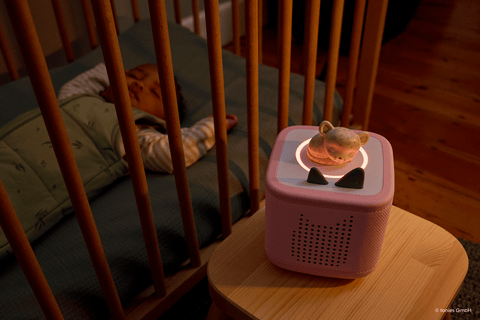
Image source: Tonies
Starting from parenting pain points, Tonies created a new business
Tonies' story began in 2013.
The two founders Patric Faßbender and Marcus Stahl are both fathers. They wanted to create a more child-friendly audio experience, allowing children to choose stories, music, and content themselves while reducing dependence on screens.
Tonies officially summarizes this as 'Made by Parents for Parents'.
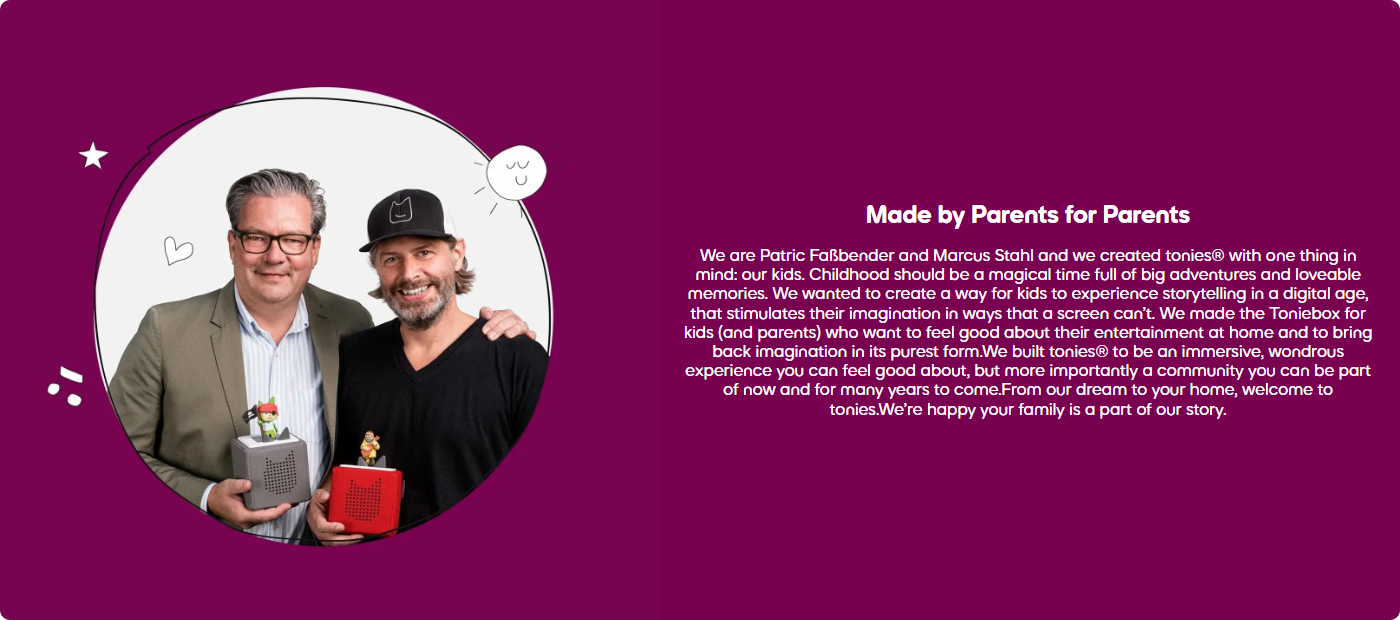
Image source: Tonies
Tonies' most critical innovation was not simply making a children's speaker, but changing the way children operate audio content.
A child only needs to place a Tonie character on the Toniebox to start playing the corresponding content. There are no complicated menus, and the child does not need to operate a phone themselves.
In 2016, the first-generation Toniebox was officially launched. After that, the brand gradually expanded from the German DACH market overseas and launched internationalization in 2018.
By 2025, Tonie's full-year revenue reached €630.3 million; Toniebox installations in the UK had also exceeded 1 million units.
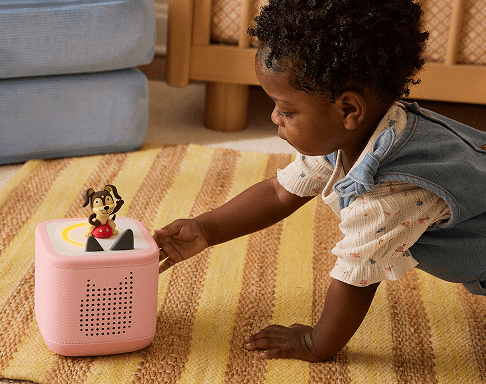
Image source: Tonies
The demand for 'screen-free' gave it a good market opening
Tonies' ability to take off is somewhat related to the changing ways children entertain themselves.
For today's parents, 'how to entertain children' is no longer just a content issue, but also a screen-management issue.
The 2025 children's media use survey released by Common Sense Media shows,In 2024, U.S. children aged 0–8 used screen media for an average of about 2 hours 27 minutes per day. Among them, children aged 5–8 averaged 3 hours 28 minutes per day。
This does not mean parents will completely reject digital entertainment. On the contrary, the real need is closer to this: children need content, but parents want this content consumption to be easier to manage.
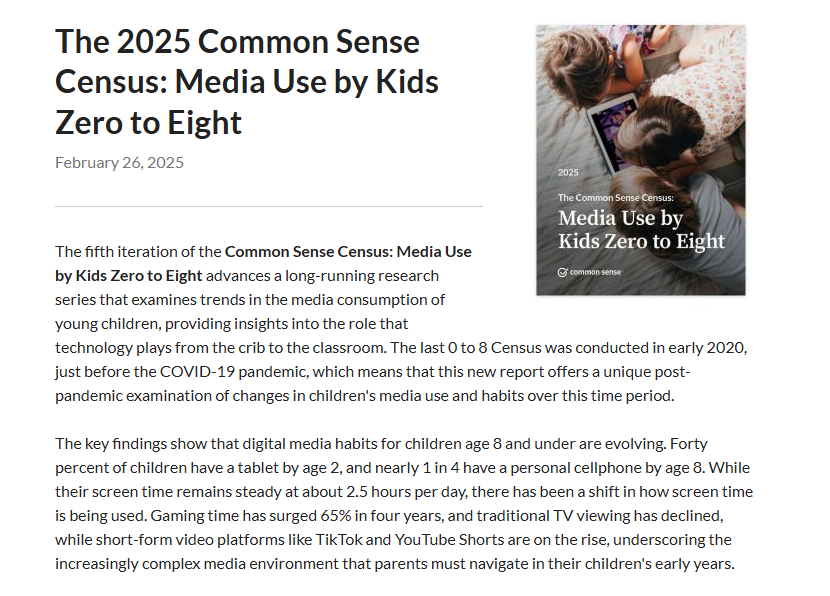
Image source: Common Sense Media
A 2025 Pew Research Center survey of 3,054 U.S. parents of children aged 12 and under also showed that 68% of parents believe children generally should not have their own smartphone until at least age 12; at the same time, 42% of parents believe they could do better at managing their children's screen time.
This is exactly what leaves room for “screen-free entertainment”.
What Tonies provides is not a product completely detached from digital content, but a different entry point: content can still be continuously updated, but when children access content, they do not need to face phones and tablets.
More importantly, Tonies has gradually turned this need from a product feature into a business ecosystem.
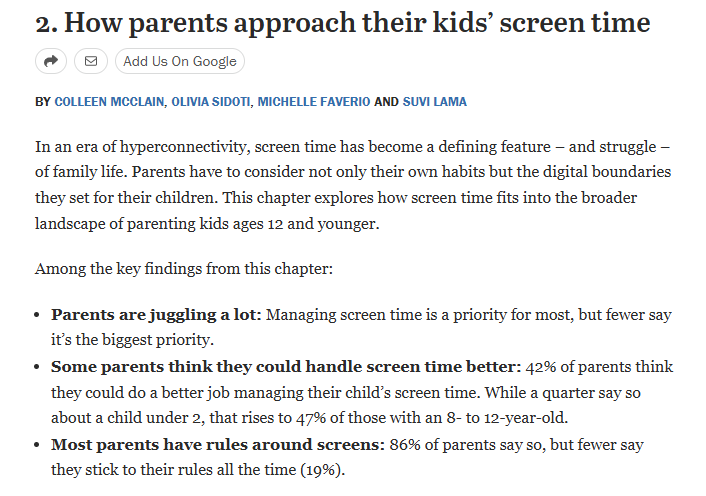
Image source: Pew Research Center
Moving to TikTok, how can Tonies continue to make the “doll business” bigger?
Once on TikTok, the problem Tonies faces has changed.
Users may not necessarily know what a Toniebox is, nor understand why a small doll can play stories.
Therefore, the brand needs even more to let consumers see how it is used.
Currently, Tonies has established an official store on TikTok Shop in the United States. The public page shows, tonies US has over1210,000 followers, about 19.910,000 videos, and has cumulatively sold1810,000 items; among them, IP products such as Ms. Rachel, Doggyland, Disney, etc. all have notable sales.
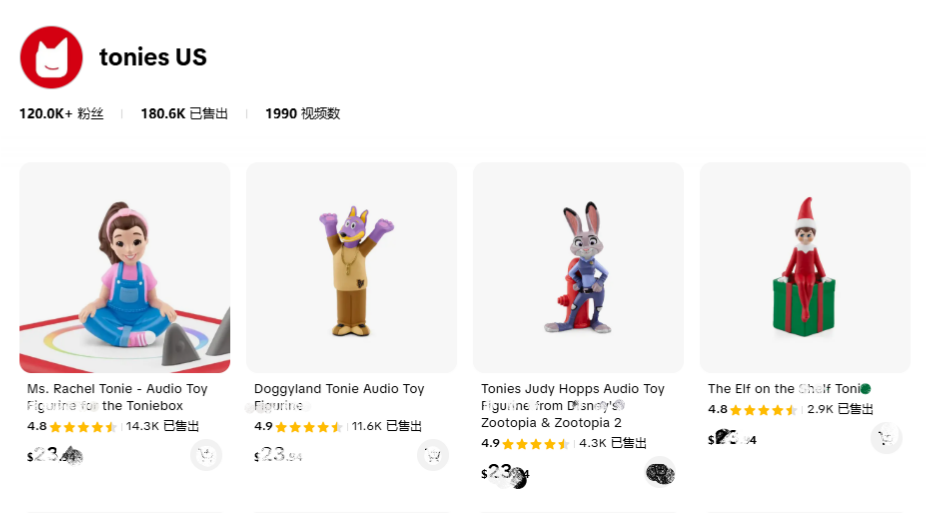
Image source: TikTok Shop
This also shows that the brand's product structure on TikTok is not simply promoting the Toniebox.
On the one hand, the Toniebox is responsible for completing the first purchase; on the other hand, individual specific IPs are turned into products that are easier to showcase in short videos.
For example, public data from TikTok Shop shows that,Ms. Rachel Tonie has cumulatively sold over 14,000 units, Doggyland Tonie over 11,000 units, and Disney-related characters also have thousands of units in sales.
This kind of product is naturally suited to short videos.
Pick a favorite character, place the figure on the speaker, and music or stories start immediately. The whole process needs little explanation, and users can understand how to use the product in seconds.
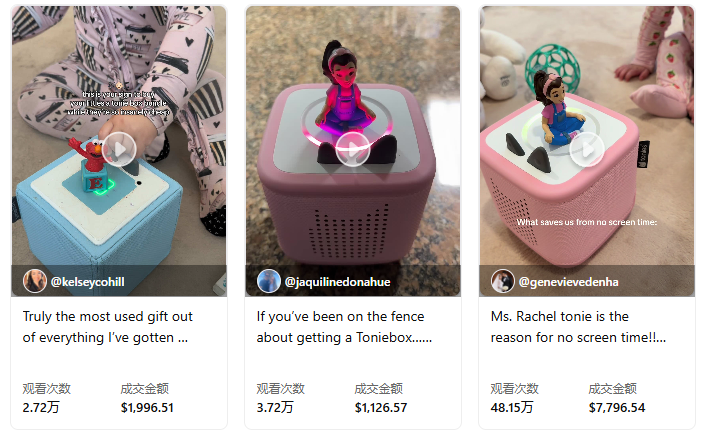
Image source: kalodata
For example, a restock video Tonies posted on TikTok about the “Ms. Rachel” character is a typical embodiment of this logic.
The video starts by using “Ms. Rachel restocked!!!” to create a sense of scarcity, then quickly shows the effect of placing the figure on the Toniebox, and uses on-screen text to supplement what this Tonie includes—from letters, colors, and emotions to daily habits, etc.
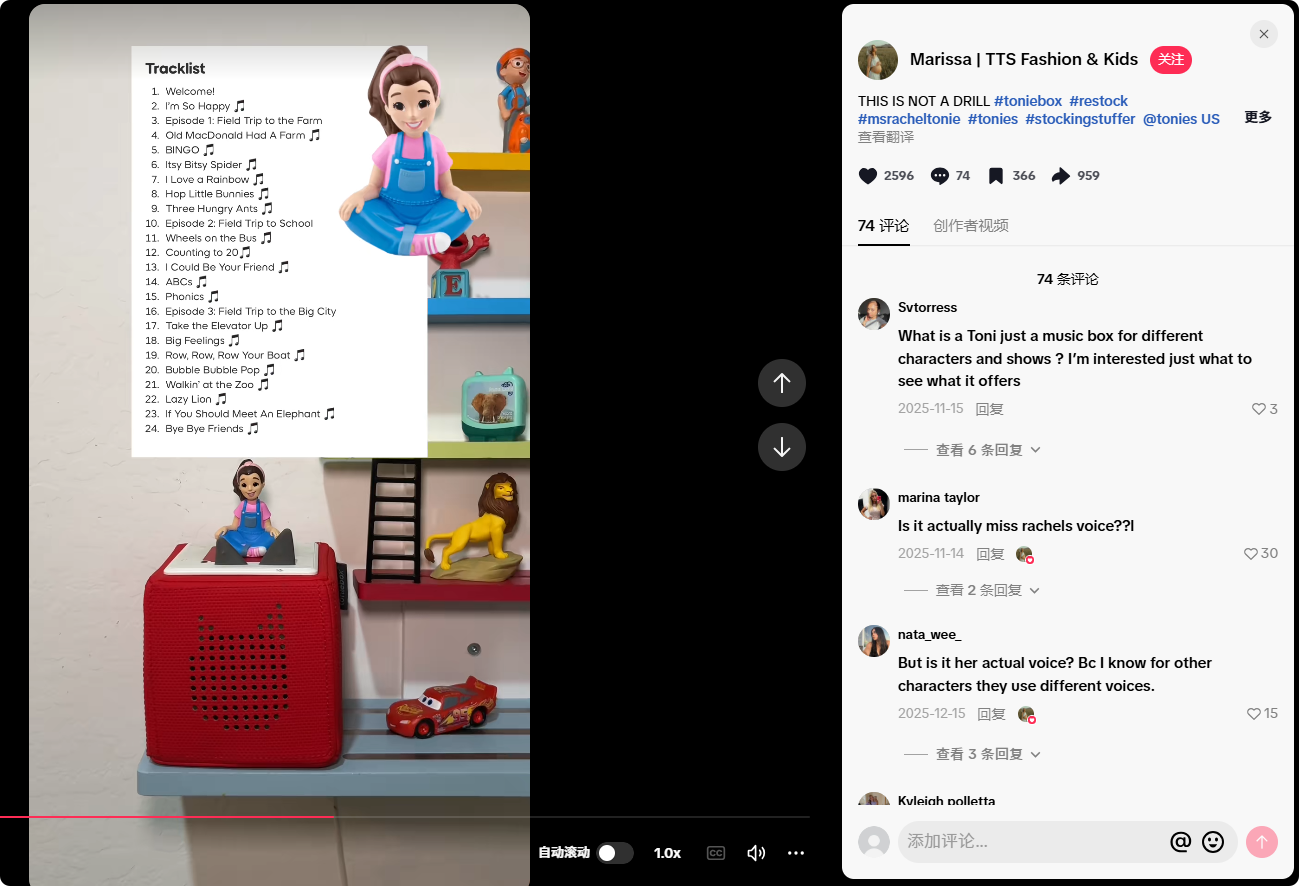
Image source: TikTok Shop
The entire video has no complicated product introduction. Instead, it uses “restock reminder + physical display + content information” to make the reason to buy clear within just over ten seconds, ultimately generating more than $34,000 in sales.
The key to this type of content is actually not making the product sound complicated, but directly putting the questions consumers care about most into the video: what it is, how to use it, what’s inside, and why it’s worth buying.
For a product like Tonies, which combines “hardware + content + IP,” short videos can precisely compress this information into just over ten seconds while leveraging the awareness of popular IP itself to further lower consumers’ understanding cost.
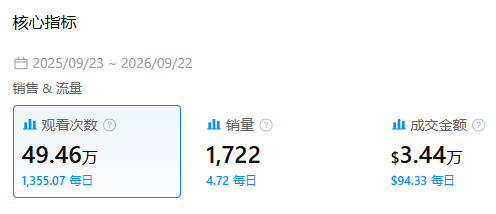
Image source: kalodata
At the same time, the Tonies U.S. team is also actively building a Creator-led marketplace.
A member of the Tonies U.S. team has publicly shared that the company launched TikTok Shop around Black Friday 2024, and has since continued testing and advancing around creator commerce.
In 2025, the team also participated in TikTok Shop’s offline matchmaking event for Toys & Games and Babies & Moms creators.
This means that for Tonies, TikTok is not simply adding another sales channel, but attempting to get more creators to incorporate the product into their own family-life content.
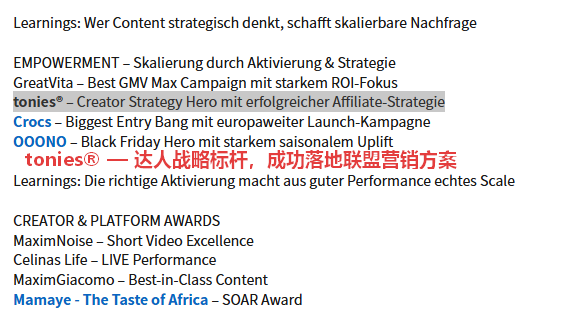
Image source: linkedin
Looking at data from the past 30 days, Tonies’ GMV on TikTok Shop is about $599,200, of which affiliate creators contributed $494,500, accounting for 82.52%, far higher than the brand’s own account at $29,700 and the mall channel at $75,000.
It can be seen that creators have become Tonies’ main source of transactions on TikTok Shop.
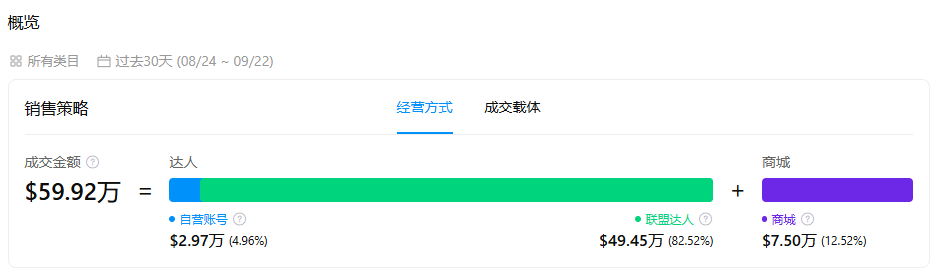
Image source: kalodata
In terms of creator types, Tonies does not only choose traditional mother-and-baby influencers, but rather family, parenting, and lifestyle creators who are closer to real life.
For example, @realmombestie’s account positioning is “therapist mom,” with content long centered on mom life, family finds, and daily discoveries; another creator, @jills.tonie.clips, who contributed about $46,100 in GMV, almost continuously creates around Tonies and related good finds, and is itself a highly vertical product-interest account.
It can be seen that the brand does not rely only on top-tier creators, but covers family-use and product-interest scenarios through different types of creators.
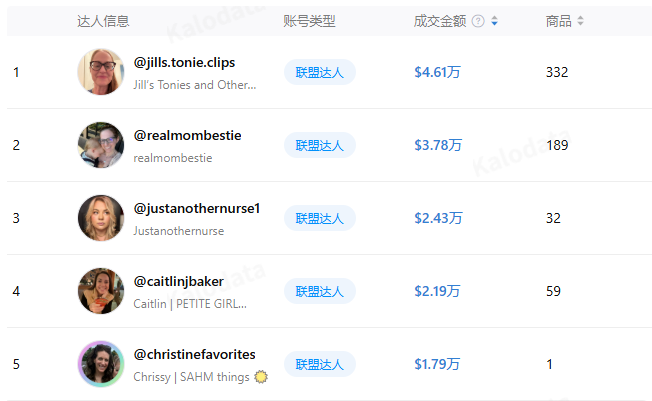
Image source: kalodata
Conclusion
Tonies’ growth shows that an increasingly obvious change is emerging in overseas markets: what consumers buy is not necessarily just a product with clear functions, but may be an experience built around content, interests, and lifestyle.
For domestic companies, when entering overseas markets, it is not necessary to focus all their attention on "how to sell products to more people."
Overseas markets are large enough, but competition is also becoming increasingly segmented. Rather than simply replicating mature domestic playbooks, it is better to start from the consumption habits and content environment of the target market, rethink how products should be seen and understood, and then further build a long-term business.
This may be where domestic brands continuing to go overseas are more worth investing.