 90
Many cross-border sellers have likely noticed a consumer trend that has become increasingly prominent year by year:When purchasing products, overseas consumers are paying more and more attention to an integrated user experience.
What is an integrated experience? Take electronic products as an example: people no longer just buy a single phone; instead, they choose the same brand for the full set of phone, tablet, computer, and earphones, relying on the brand ecosystem to obtain a smooth interconnected experience across devices.
The same applies to the home sector.Many overseas users live in detached houses, and their demand for whole-home intelligence is no longer about buying scattered individual products. They want an integrated whole-home smart solution that connects HVAC, energy storage, photovoltaics, and electricity scheduling.

Image source: Google
Upgraded demand and changed consumer attitudes have also brought new opportunities to going-global brands.
A smart home brand from ShenzhenORVIBO, is a representative that broke through by seizing the trend.
From a little-known niche brand at the beginning, tofirst-day orders for the new product launch exceeded 1.2 hundred million yuan, its rise story is far more interesting than imagined.
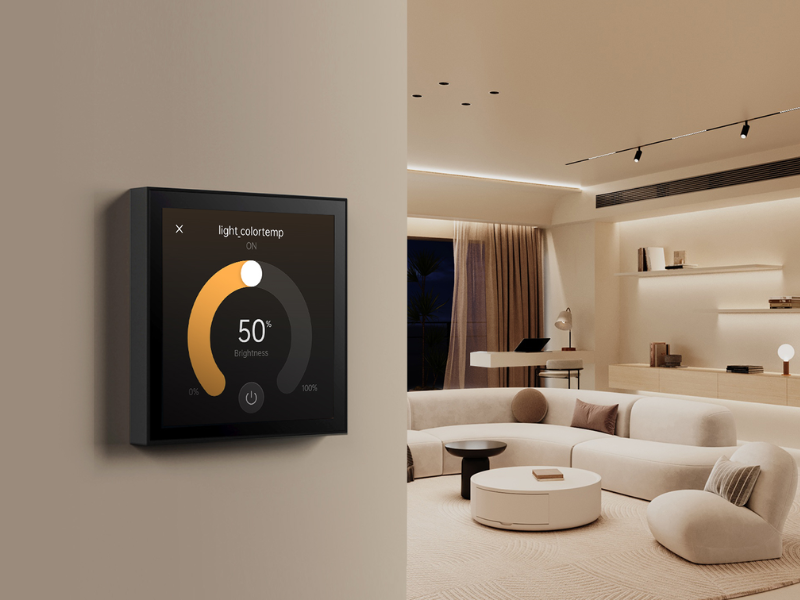
Image source: Google
A former HiSilicon employee left to start a business and entered the smart home device track
According to records, the brand's founder, Mr. Wang, once engaged in hardware R&D at HiSilicon and accumulated extensive hardware R&D experience.
His choice to enter smart home originated from his mother's need for a water heater that could be controlled remotely and did not need to consume power continuously.
In 2011, Mr. Wang officially founded the ORVIBO brand in Shenzhen, starting his smart home entrepreneurial journey. He selected smart switches as the entry point for whole-home intelligence, taking a differentiated route from many brands that prioritized home appliances and cameras during the same period.
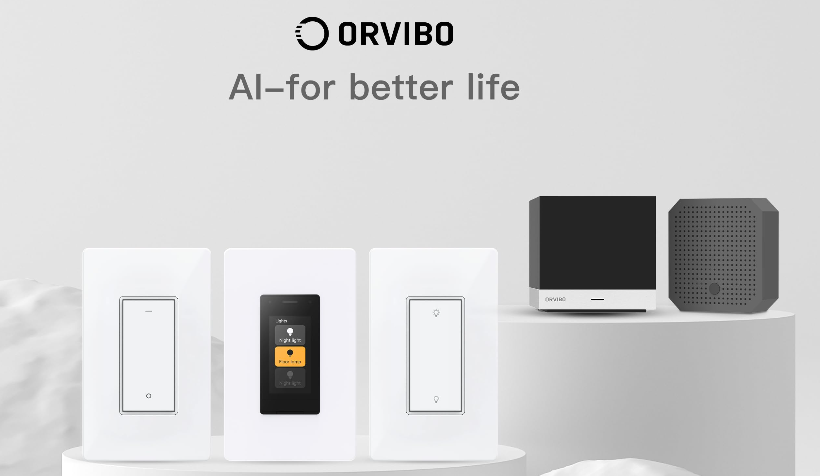
Image source: Google
From single products to a complete whole-home smart product matrix
In 2012, ORVIBO took the lead in launching the world's first GSM smart socket, realizing remote control via mobile phone.
In 2013, it further implemented Zigbee wireless networking + smart switches, starting to have a system linkage idea, but products were still mainly scattered hardware and had not yet formed a complete whole-home set solution.
The key turning point in development was in 2016, when ORVIBO released the landmark product MixPad 1.0. This screen-equipped central-control smart switch established the positioning of the central control panel as the core entry point for whole-home intelligence, pushing the brand from single-product sales to system solutions and no longer limited to single hardware.
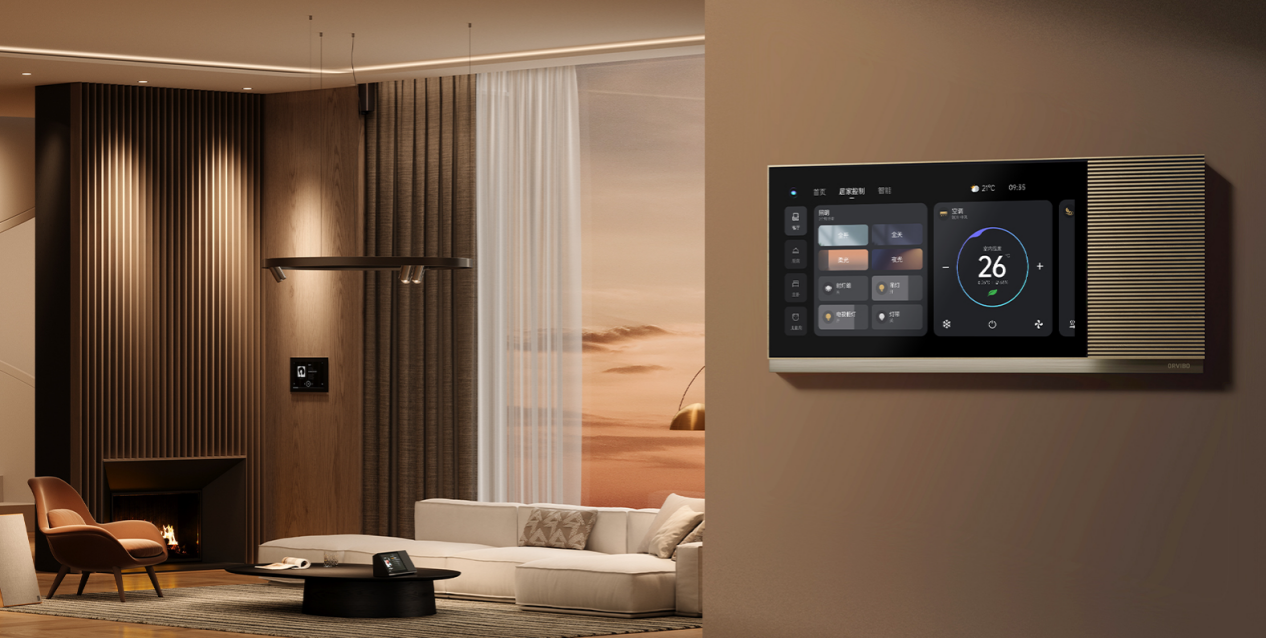
Image source: Google
By 2020, the brand further launched Home AI 3.0 + MixPad X, filling in product lines such as smart lighting, HVAC, water purification, audio and video, and whole-home networking, and the complete whole-home smart product matrix officially landed.
While its original whole-home smart business grew steadily, ORVIBO also continued to expand its product lines in new tracks.
Take the integrated air conditioner launched at the end of 2025 as an example; it is an important incremental business for ORVIBO, with orders exceeding 1.2 hundred million yuan on the first day of launch.
Against the industry backdrop of the traditional central air conditioner market declining 9% in 2025, this integrated air conditioner delivered a standout result of 1062% year-on-year growth.
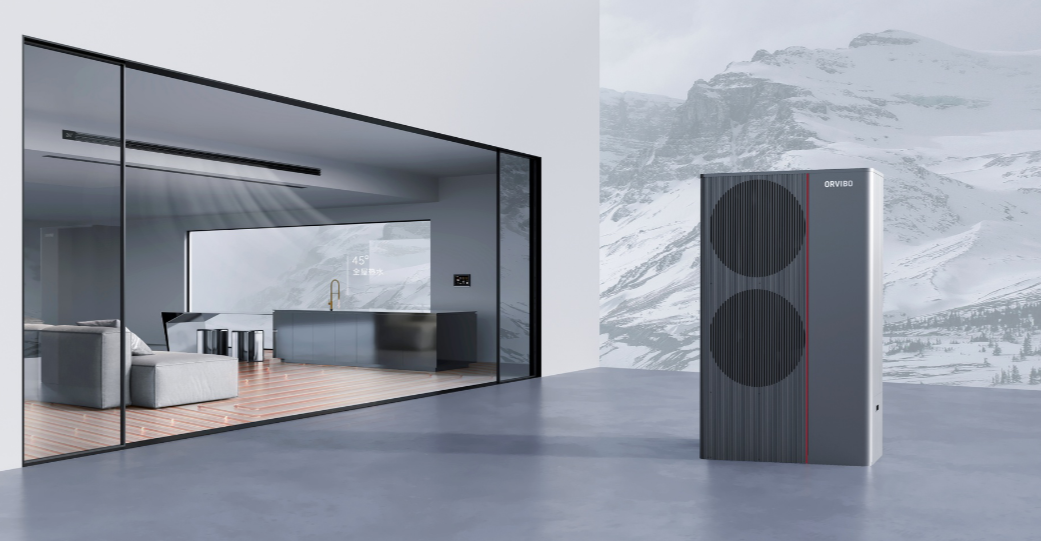
Image source: Google
Using local offline operation + multi-ecosystem compatibility to break into overseas markets
However, mature single products and complete solutions are only the foundation. To stand out among many whole-home smart brands overseas, ORVIBO relies on two trump cards:
First, it supports local offline operation to protect privacy.
Overseas consumers place great importance on local gateway capabilities, requiring devices to work normally even when disconnected and data to be stored locally, avoiding privacy risks brought by the cloud.
ORVIBO's self-developed Home AI OS whole-home smart system supports stable local offline operation, forming a clear difference from brands with pure cloud solutions and meeting overseas users' privacy demands.
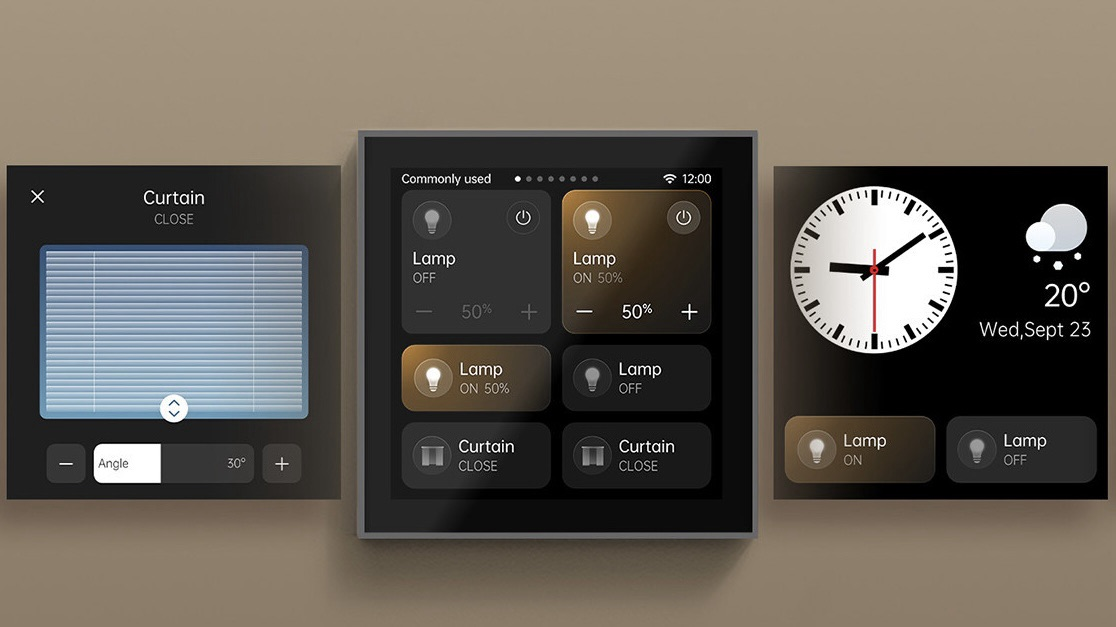
Image source: Google
Second, cross-platform compatibility lowers the barrier to use.
It is very difficult for a closed ecosystem to open up overseas markets. Relying on the Matter protocol, ORVIBO can connect to mainstream platforms such as Apple Home, Amazon Alexa, Google Home, and Samsung SmartThings, breaking down ecosystem barriers at once, significantly lowering the usage threshold for overseas users, and quickly winning market favor.
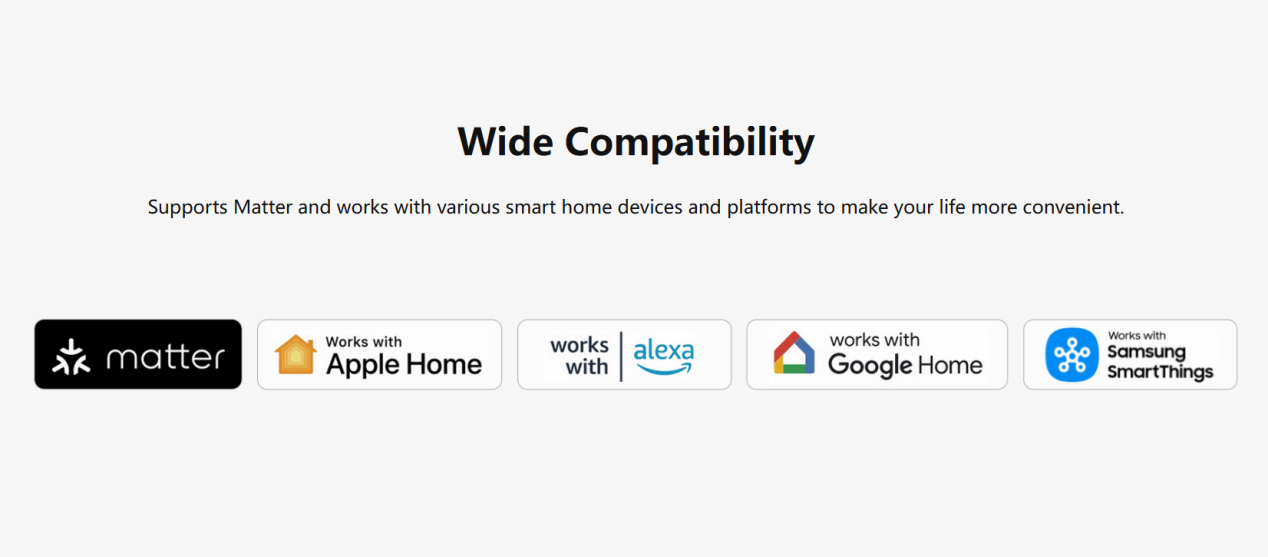
Image source: ORVIBO
Online-offline synergy to build an omni-channel overseas network
In addition, to reach more overseas consumers, ORVIBO has also built a complete overseas channel system.
On the offline side, ORVIBO has a total of 1600 experience stores and authorized showrooms worldwide, covering nearly 100 countries and regions.
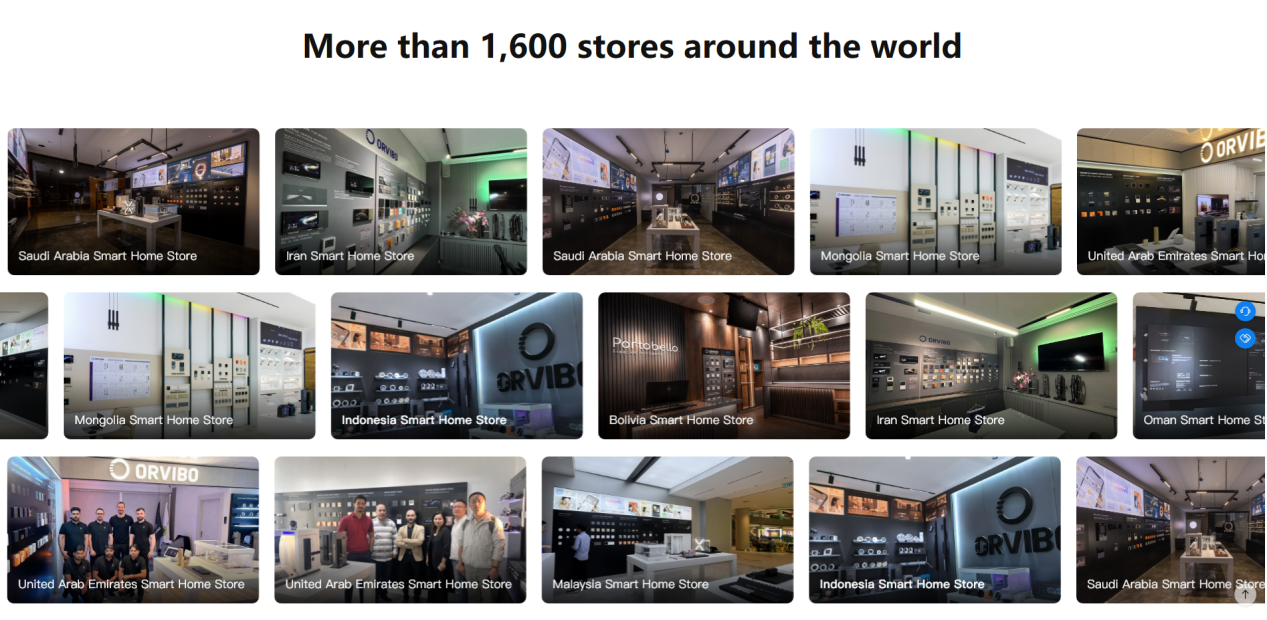
Image source: ORVIBO
Overseas, it does not mainly do direct sales; instead, it adopts a partner model with regional authorized distributors and local smart home integrators, with local partners responsible for solution design, installation and delivery, and localized after-sales service.
Online, there are two paths. On the one hand, it joins third-party e-commerce platforms such as Amazon, eBay, and AliExpress, listing standardized single products such as smart switches, sensors, door locks, and basic gateways, serving scattered C-end users and partial renovation needs of old houses.
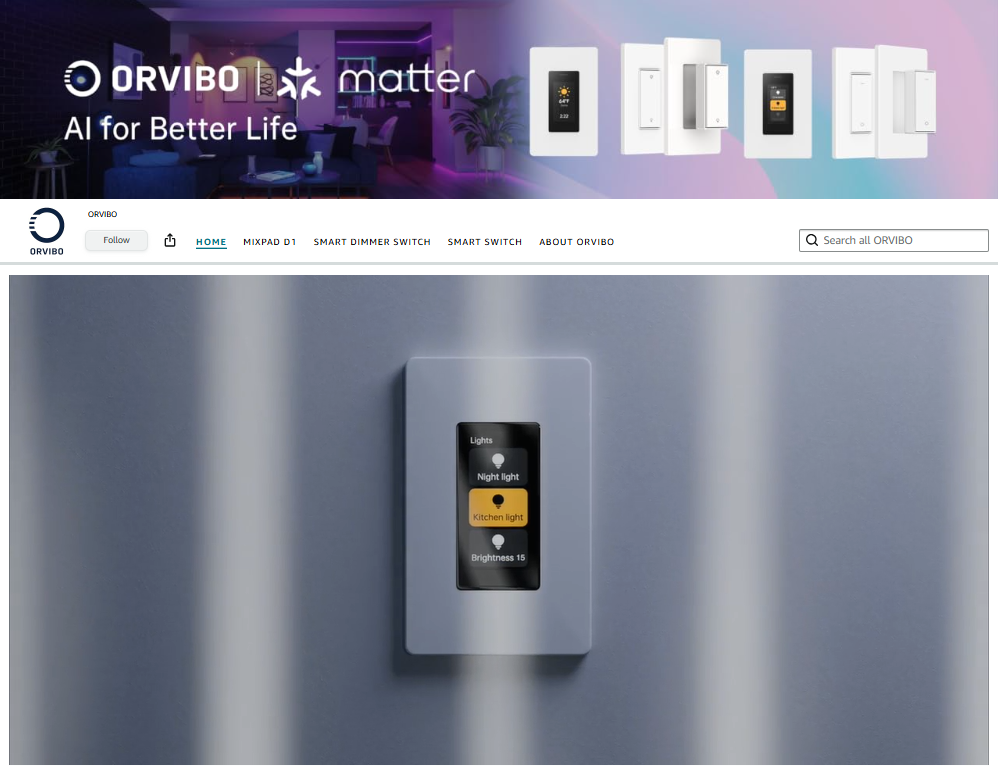
Image source: Amazon
On the other hand, ORVIBO has also built a multilingual independent website that automatically redirects to localized sites by region. It not only handles public-domain traffic and retail single products, but also supports users in booking local authorized integrators for on-site surveys and custom whole-home smart solutions.
Through the coordinated development of online and offline, the brand has built a sustainable overseas channel ecosystem.
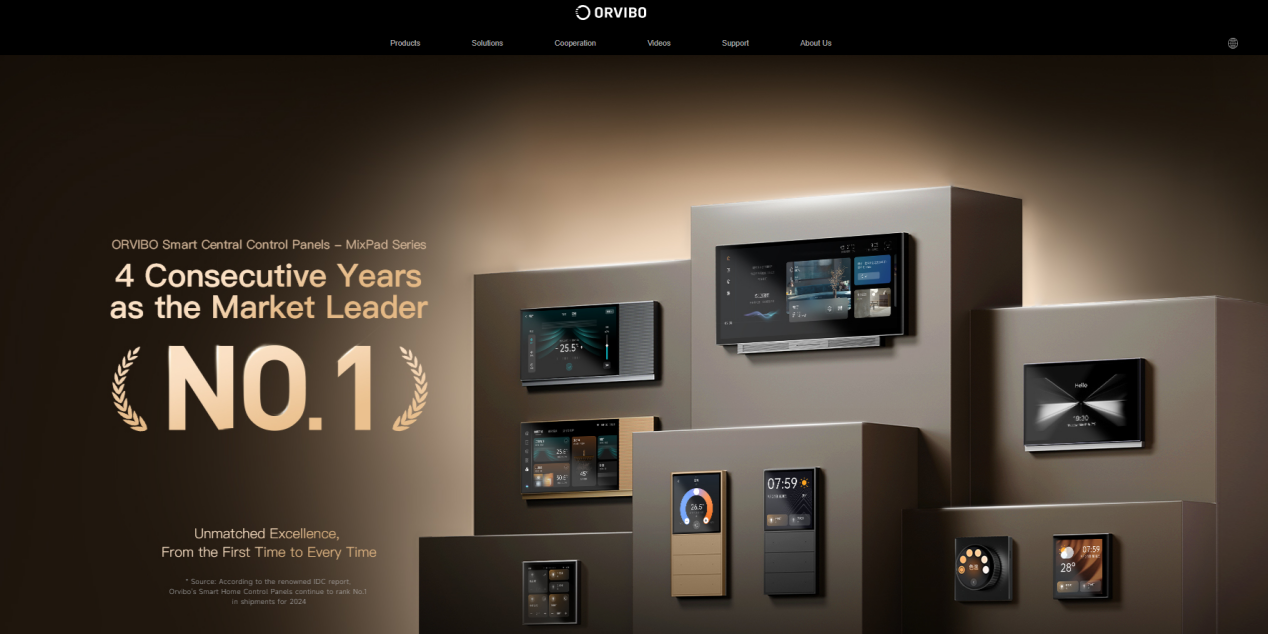
Image source: ORVIBO
Using visual social media content to dispel users' decision-making concerns
A comprehensive product portfolio and omnichannel layout have solved the questions of where to buy and what to buy, but whole-home intelligence is a high-consideration category, and overseas consumers still have many concerns before placing an order.
Social media platforms such as TikTok have therefore become an important front for ORVIBO to complete the conversion funnel and get closer to users.
Unlike images and text, which struggle to intuitively present linkage effects, short videos can dynamically demonstrate the linkage logic of smart devices and real usage scenarios, making the abstract whole-home smart experience concrete.
ORVIBO's content strategy on TikTok is mainly divided into two directions.
The first type leans toward professional feature education, focusing on product unboxing, hardware detail explanations, and button operation demonstrations.
The content clearly shows the appearance, specifications, and basic setup steps of individual products such as switches, central control screens, and sensors. It targets precise users who are inclined to research, helping them quickly become familiar with product specifications and understand the system's basic capabilities, and building professional awareness of the brand's product strength. It is suitable for screening potential customers in the early seeding stage.
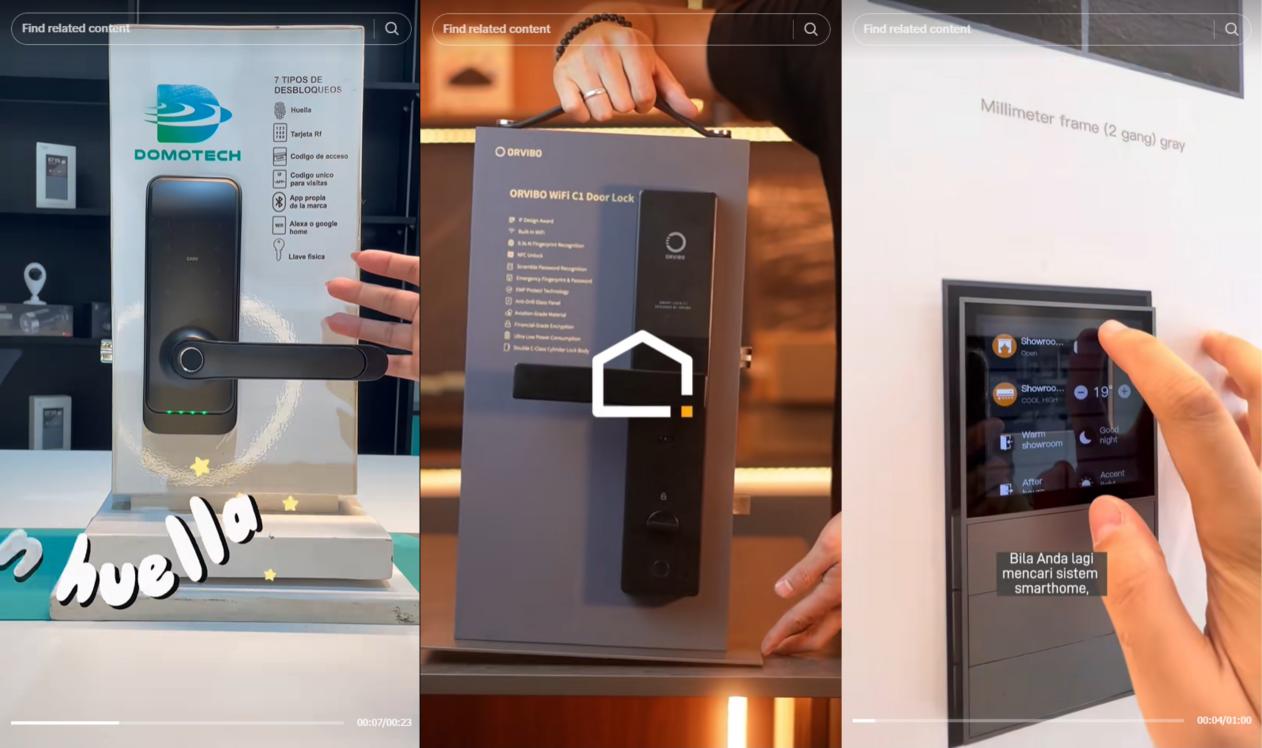
Image source: TikTok
The second type is immersive real-scene demonstration, which is also the content format with stronger conversion effects.
By directly recreating everyday scenarios in detached houses, it demonstrates voice and one-click central control panel linkage of HVAC, lighting, curtains, audio-visual, and other devices, simulating users' real usage state after moving in.
This highly immersive real-scene footage allows overseas users to imagine what this system would look like in their own homes and personally feel the convenience brought by whole-home intelligence. Starting from real life scenarios, it dispels concerns that smart systems are complicated and difficult to use or may lead to costly mistakes.
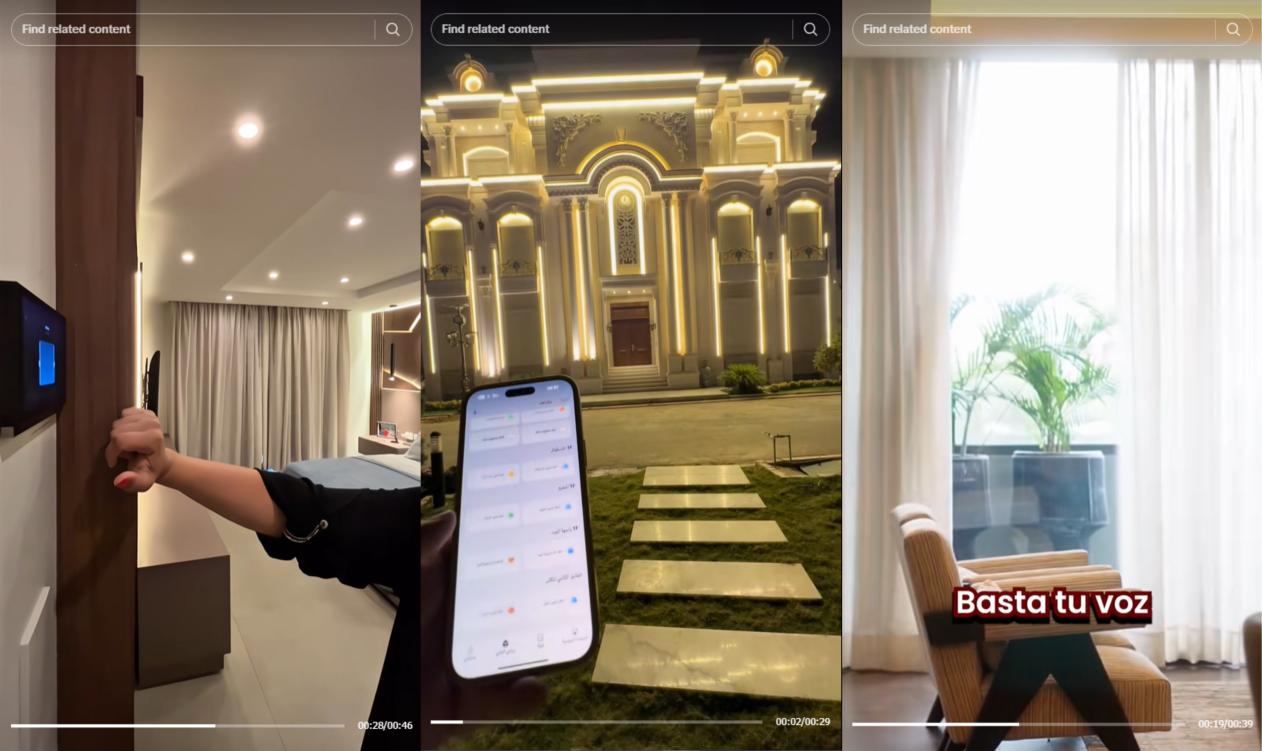
Image source: TikTok
Conclusion
From ORVIBO's path, it is easy to see that there is never only one road, but several things are unavoidable:Products must solve scenario pain points, channels must stay close to end users, and content must lower the decision-making threshold.
Everyone understands the principles; what is difficult is long-term dedication and implementing them item by item.
Competition in overseas markets is certainly fierce, but the opportunities brought by consumption upgrading are also considerable. Rather than engaging in involution in a red ocean, it is better to look outward for markets where supply gaps still exist.
Pioneers have already validated the direction; latecomers can refer to this path and find their own space.