 2722
2722The explosive popularity of Tuke has provided new ways for cross-border enterprises to expand overseas, with many companies venturing abroad in search of new growth.
According to data.ai's December report, Tuke's global monthly active users have reached 1.174 billion, and global downloads have hit 4.415 billion. Even in its main active regions, transaction amounts have exceeded 1 billion.
It can be said that Tuke is presenting us with a commercial blue ocean that is suitable for almost all industries.
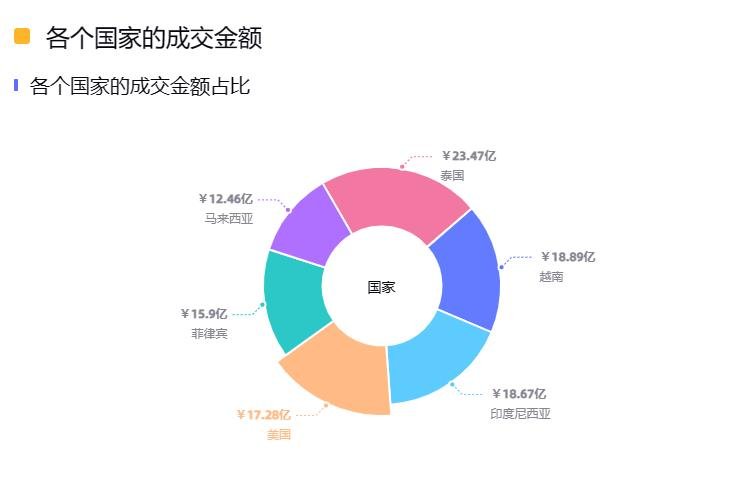
And it's not just the regions shown in the image—Tuke has also been deeply cultivating markets like Kazakhstan for many years, accumulating over 7 million users. These users are the potential customer base for enterprises expanding to Kazakhstan and other regions.
So the question is, why do enterprises need to expand overseas?
The biggest characteristic of Chinese enterprise development so far is "internal competition." To boost sales, many manufacturers have been quietly advancing industrial innovation, constantly improving products, and fiercely competing within their industries.
However, the result of this is that, apart from becoming invisible champions in their industries, it doesn't actually help much with revenue. This is because the sales channels of many manufacturers are controlled by middlemen, and manufacturers cannot benefit from the dividends.
With the deepening integration of digital and real economies, China's manufacturing industry has achieved industrial upgrades, coupled with the emergence of the new DTB (Direct To Buyer) model that allows direct access to end buyers.
Thus, going cross-border has become a more advantageous way for domestic enterprises to break through traditional concepts and open up new paths for revenue growth.
Therefore, Tuke believes that overseas enterprises can take advantage of Tuke's current popularity, ride the wave of Tuke, and open up a new foreign trade path different from OEM and private labeling, leading a new trend of brand globalization.
However, cross-border enterprises are ultimately different from ordinary product brands,and to go viral, besides innovating based on Tuke's content model, they also need to "make friends."
Just like when the sports helmet brand Giro was founded.

Giro is one of the world's most famous bicycle sports helmet brands. Its founder, Jim Gentes, was a competitive cyclist. When he first developed the Giro helmet, he was troubled by poor sales, so he approached his American cyclist friend Greg LeMond and asked him to wear the Giro helmet in competitions.
As a result, in the 1989 Tour de France, LeMond won 21 stages with a total lead of 8 seconds, and the brightly colored, sleek Giro helmet kept appearing on camera. From then on, the Giro brand became an instant hit.
This story became a classic example of early "influencer marketing."
Although there were no social platforms like Tuke or the concept of influencer marketing at the time, Gentes achieved excellent brand promotion by "making friends," which is truly impressive foresight.
In fact, this kind of example is equally applicable to domestic enterprises going overseas, but the difference lies in the choice of partners.
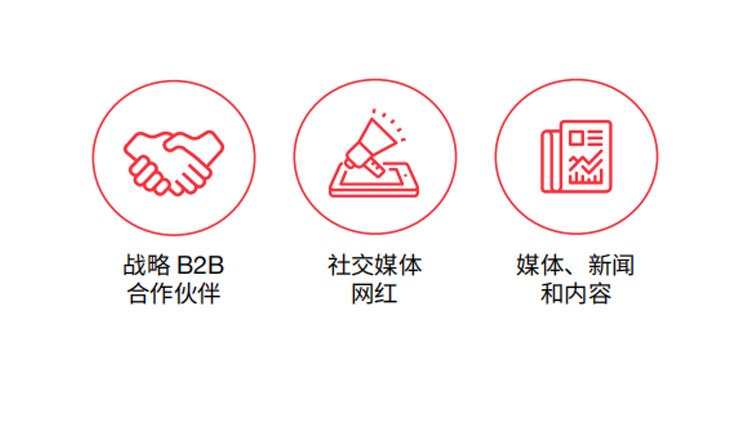
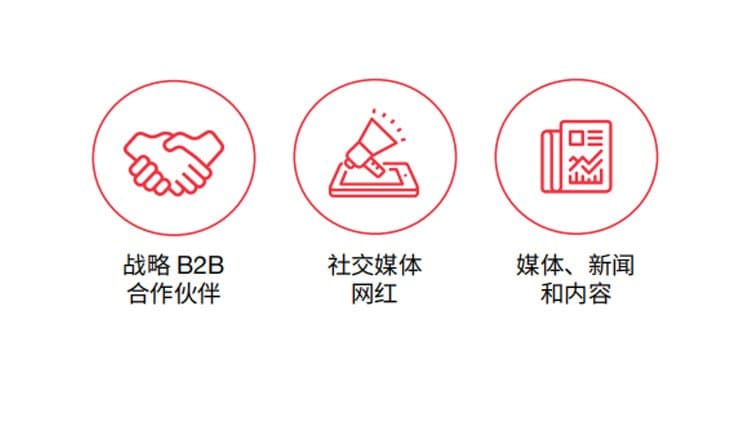
Unlike traditional promotion, in the partner marketing ecosystem, overseas enterprises have a variety of partner types, including not only media and content marketing traffic owners, and social media influencers, but also business partners.
These different types of partners, whether due to high-quality products and services, successful business models, or influential content creation, have already gained the trust and attention of their respective audiences.
By collaborating with these partners, cross-border enterprises can quickly benefit from this trust and attention, thereby expanding their own audience base and increasing brand exposure and traffic acquisition.
This is also how inquiries and orders can be obtained more quickly.
Therefore, for overseas enterprises to go viral on Tuke, as Tuke mentioned earlier, besides innovating content, "making friends" is also a necessary choice. It can greatly expand the brand's reach and help companies quickly open up local markets!