 1187
1187Amid the wave of technological iteration, many categories that were once niche and high-end are gradually shedding their exclusive labels, stepping out of elite-only tracks and fully entering the public consumer's field of vision.
From cars, computers, smartphones, to an endless stream of trendy digital hardware, what used to be high-end products have now become part of the daily lives of ordinary households.
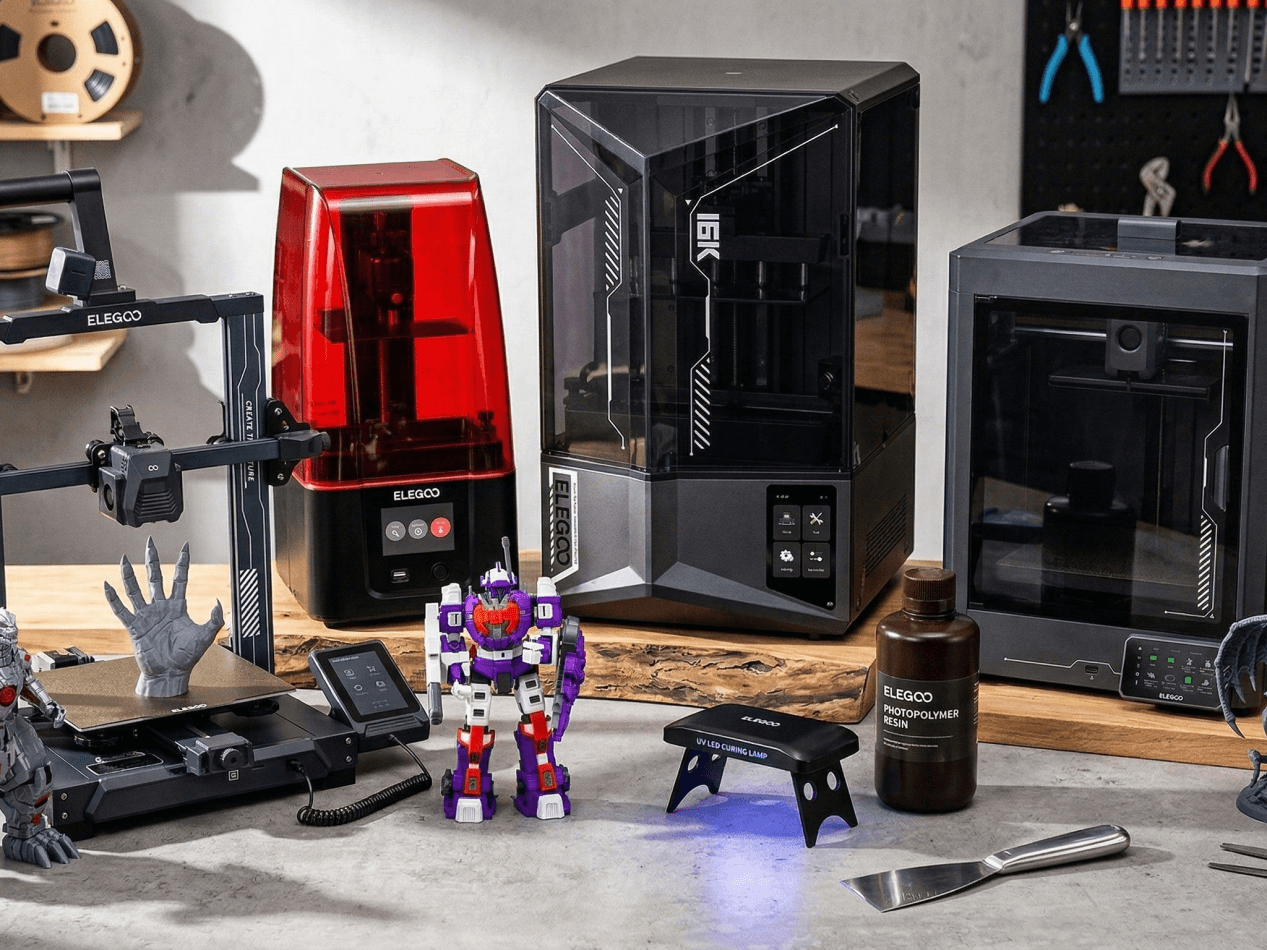
Take 3D printers as an example. A few years ago, they were still a very unfamiliar novelty, but now they are gradually entering many households, becoming a universal creation tool.
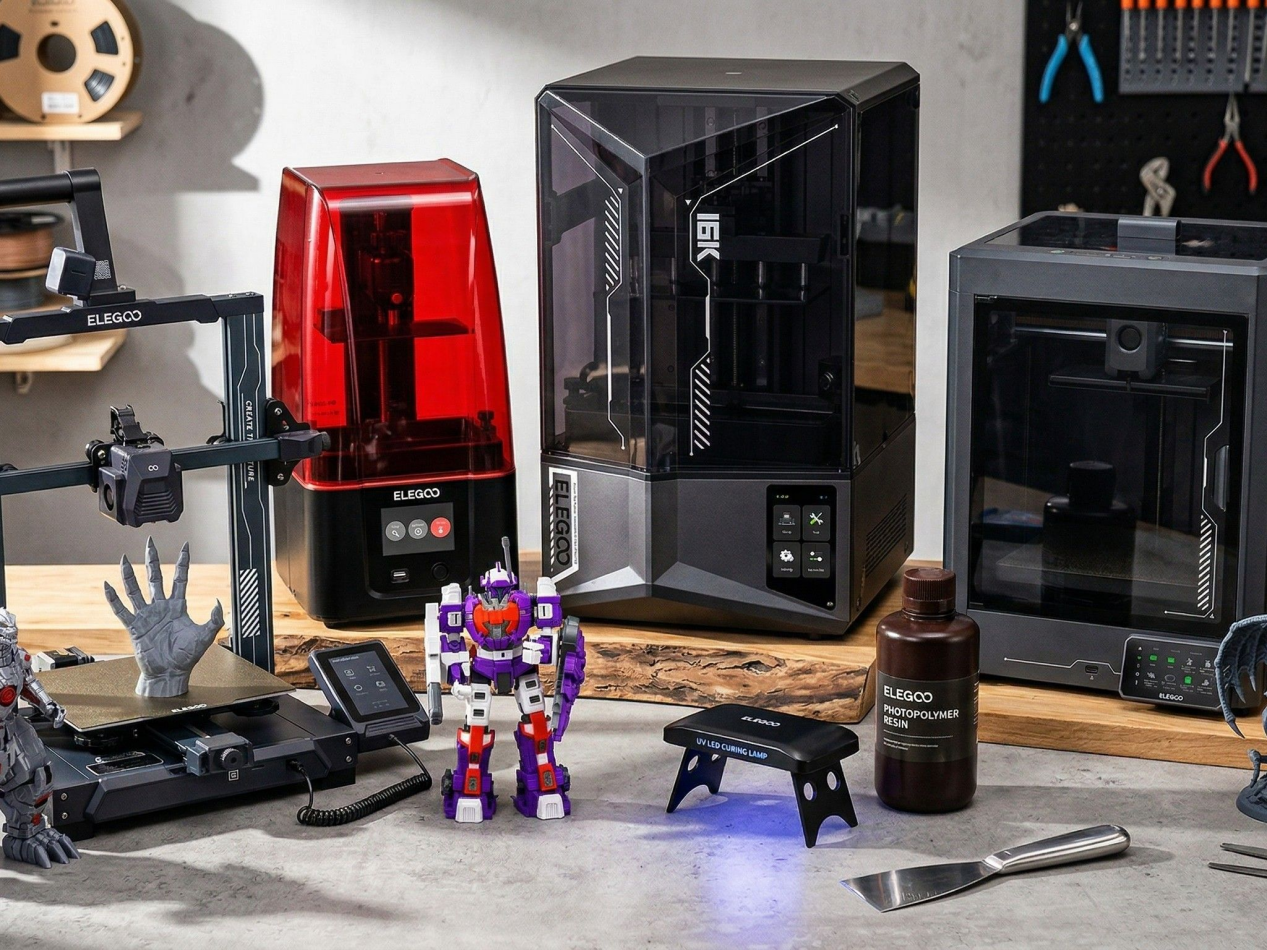
Image source:Google
Although still relatively niche domestically, they have already become popular in overseas countries such as Europe and America.
Many European and American countries have already incorporated 3D printing into primary and secondary school STEM curricula, allowing students to regularly practice hands-on skills by bulk purchasing entry-level equipment. In addition to education, its application in cultural and creative peripherals, figurine models, medical teaching aids, and other diverse fields has further stimulated C-end consumer demand, driving the market's continued rise in popularity.
With demand continuously expanding, the industry track has naturally ushered in rapid growth. Citing authoritative research data from Precedence Research:
The global 3D printing market size is expected to reach about $29.29 billion in 2025, and is projected to climb to $152.72 billion by 2035, with a compound annual growth rate of about 17.96% over ten years, showing a very prominent long-term growth momentum in the industry.
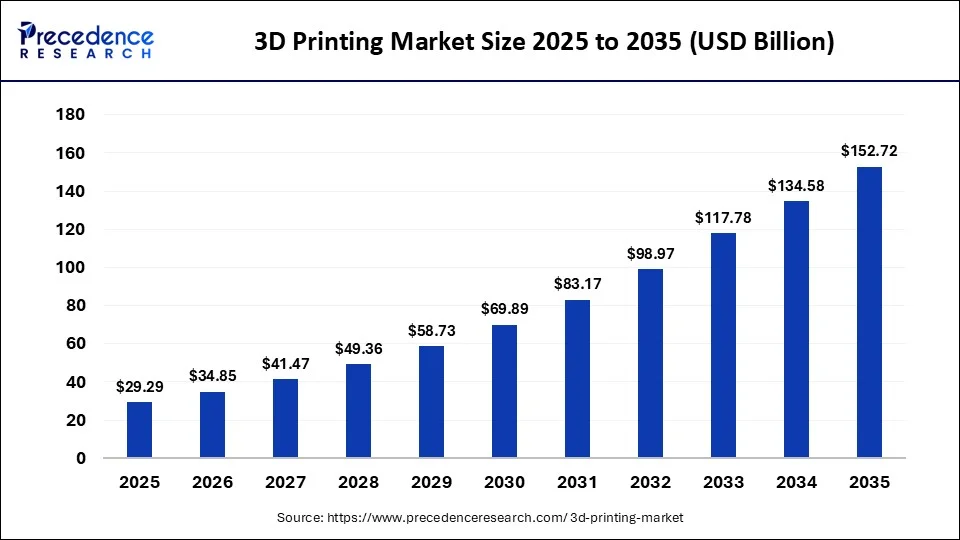
Image source:Precedence Research
This golden track of high prosperity and high growth has naturally attracted a large number of brands to enter the competition, and many emerging 3D printing dark horse brands have emerged in China as well.
Today, we are going to talk aboutELEGOO, which is a highly representative benchmark brand among them.
From a small seller of circuit board kits to an industry leader with annual sales of 1.6 billion,let's take a look at how it has blazed a remarkable path in Tuke.
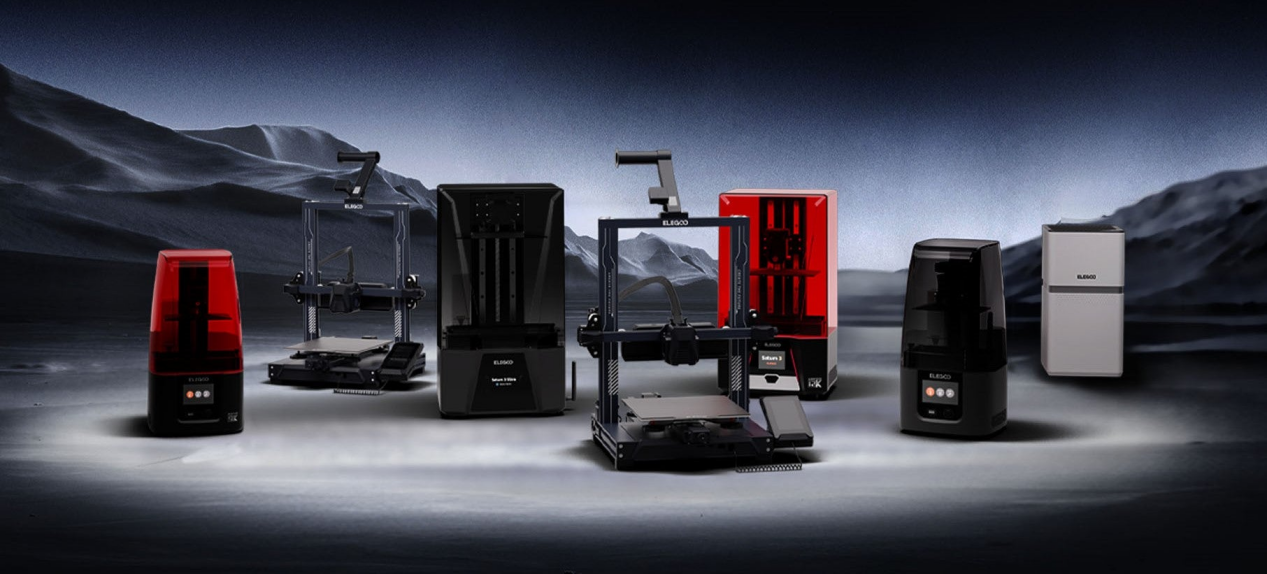
Image source:Google
The "breakthrough" transformation of two postal colleagues
The birth of the ELEGOO brand starts with the experiences of its two founders.
According to public information, Mr. Chen, founder of ELEGOO, and Mr. Hong were classmates in university. After graduating in 2013, the two joined China Post together, responsible for e-commerce innovation projects, which became their starting point for getting to know cross-border e-commerce and entering the industry.
Later, the business department they were in underwent strategic adjustment, the original project was terminated, and the two keenly discovered a new business opportunity: overseas markets had a strong demand for Chinese electronic components.
After spotting the opportunity, in 2015, Mr. Chen and Mr. Hong left their jobs to start a business, co-founding Shenzhen Intelligent Pie company, and the ELEGOO brand was officially born in the same year.
Image source:Google
In the early days of its founding, the company did not directly enter the 3D printing industry, but relied on the Huaqiangbei supply chain, mainly engaged in the assembly and cross-border sales of STEM education kits. With ultra-high cost performance, it quickly opened up overseas markets, and its clients included well-known institutions such as Yale University laboratories.
In 2017, its STEM products on the Amazon platform performed brilliantly, with annual revenue reaching 300-400 million yuan, firmly ranking first in the category, and 98% of sales coming from Amazon.
However, the good times did not last long. In 2018, the STEM track gradually became saturated, and the company's performance growth stagnated. The team repeatedly discussed and deliberated in their office in Shenzhen's urban village for three days, and finally made a major strategic decision: a comprehensive transformation to enter the 3D printer track.
In 2019, ELEGOO launched its first desktop photopolymerization printer Mars, officially entering the consumer 3D printing field. Although priced at only $299, it was equipped with 2K high-precision printing configuration. With its extreme cost performance, it quickly went viral, loved by many geek players, and annual sales quickly broke through 300 million yuan.
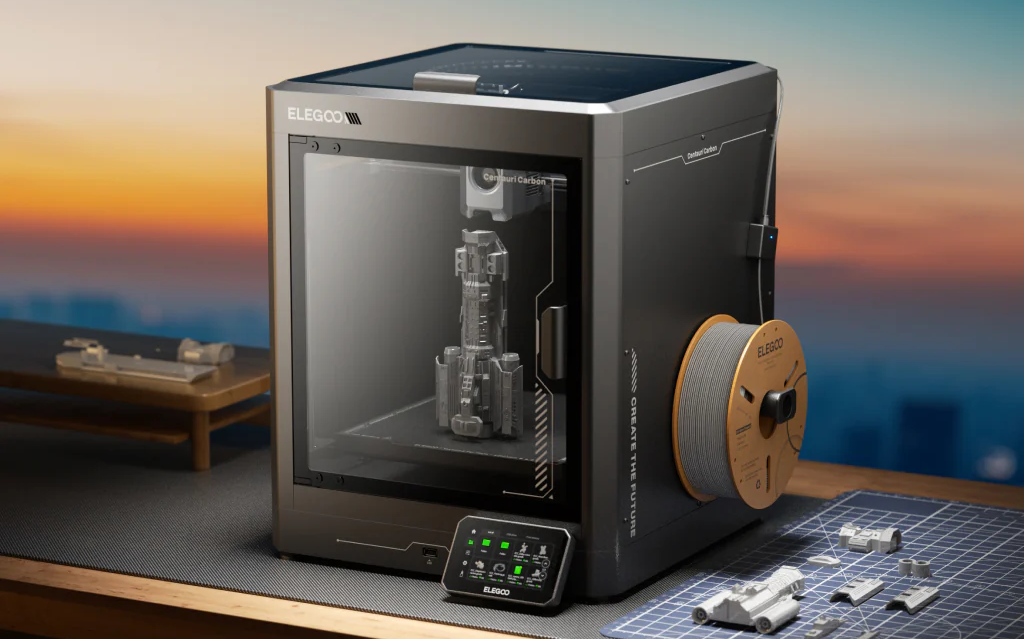
Image source:Google
Since then, the brand's development has steadily risen, firmly establishing its market position in the 3D printing track.
In 2020, the brand released the world's first 4K photopolymerization printer Saturn under $500, and within just one minute of its launch on the official website, sales exceeded ten million yuan.
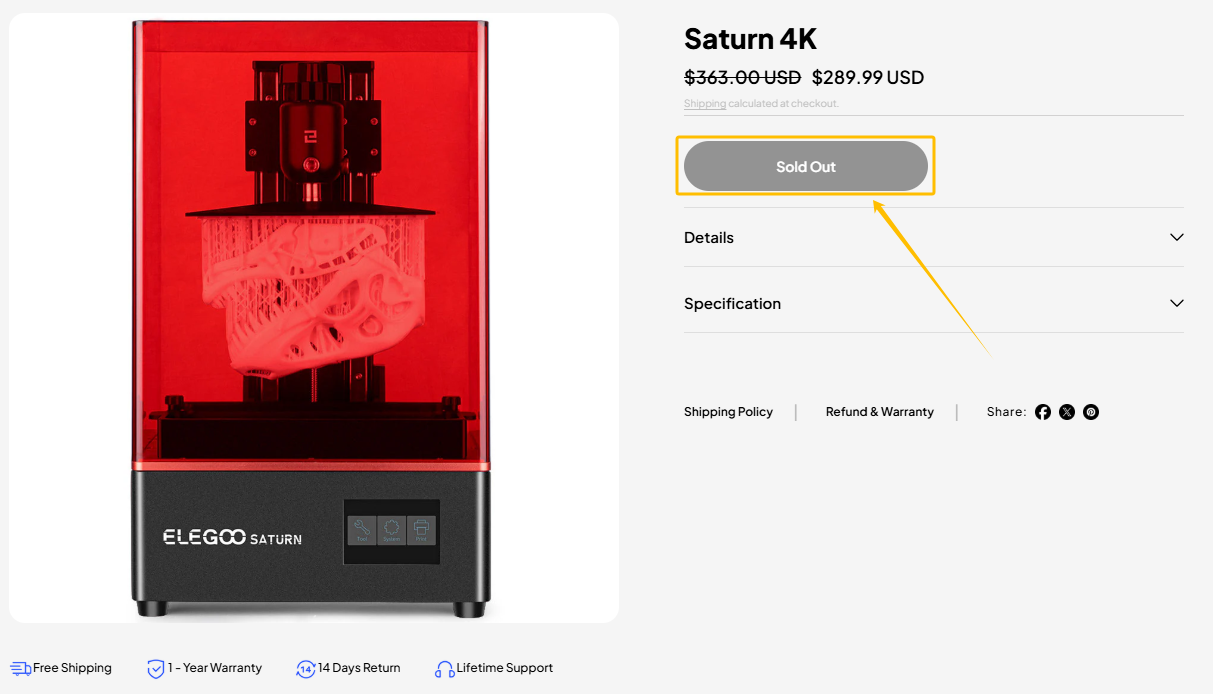
Image source:ELEGOO
In 2021, ELEGOO's Jupiter model equipped with a 12.8-inch 6K large screen officially launched on Kickstarter, and the final crowdfunding amount exceeded 30 million, with the brand's technical strength and market recognition rising simultaneously.
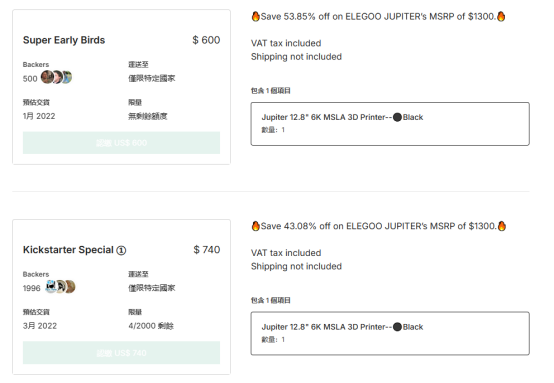
Image source:Kickstarter
By 2024, the company's total annual revenue had reached 1.6 billion yuan, and 3D printer products had shipped over one million units in total.
In 2025, the brand also received a billion-yuan strategic investment from DJI Innovations, fully accelerating its global layout and market expansion.
Up to now, ELEGOO has grown into a veritable leading Tuke brand in the global consumer 3D printing track.
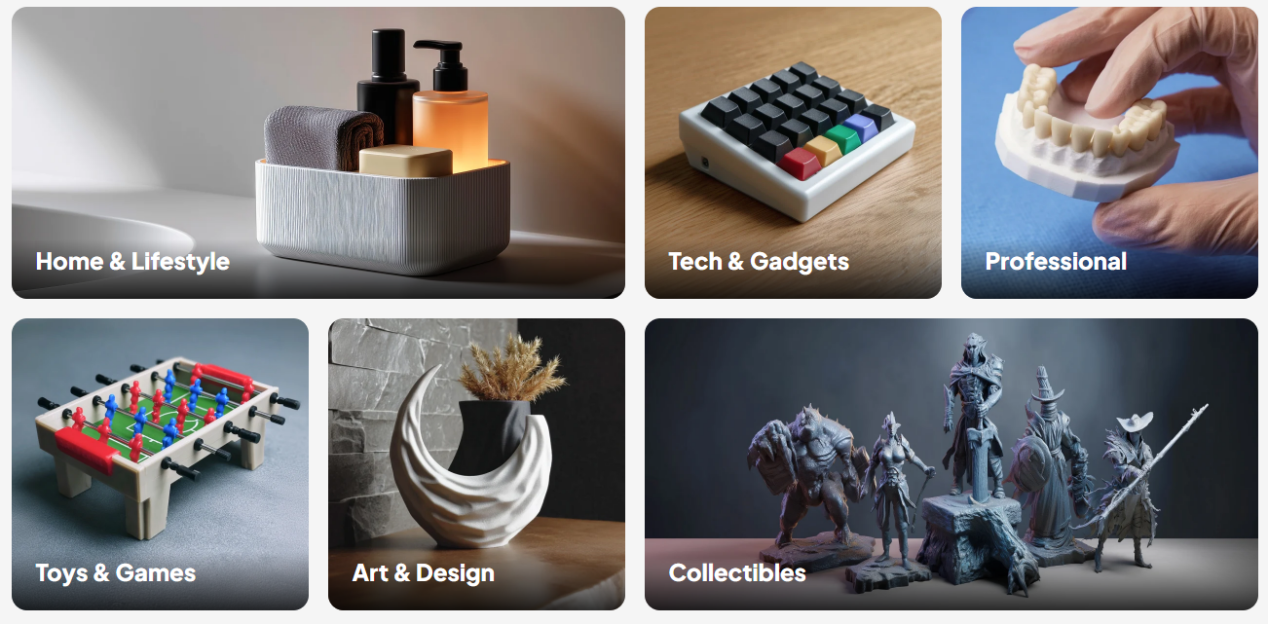
Image source:ELEGOO
Independent site+TikTok: Not just selling goods, but also gaining fans
The advantages of product performance and cost-effectiveness can certainly drive sales growth, but to gain a firm foothold in overseas markets and achieve long-term stable development, ELEGOO's two real core weapons are actually its independent site and TikTok as two main channels.
1. Independent site: Deeply cultivating the community ecosystem, increasing user stickiness
On the independent site, each model comes with 3D product models and detailed parameter comparisons, allowing potential users to quickly understand the product and intuitively select models.
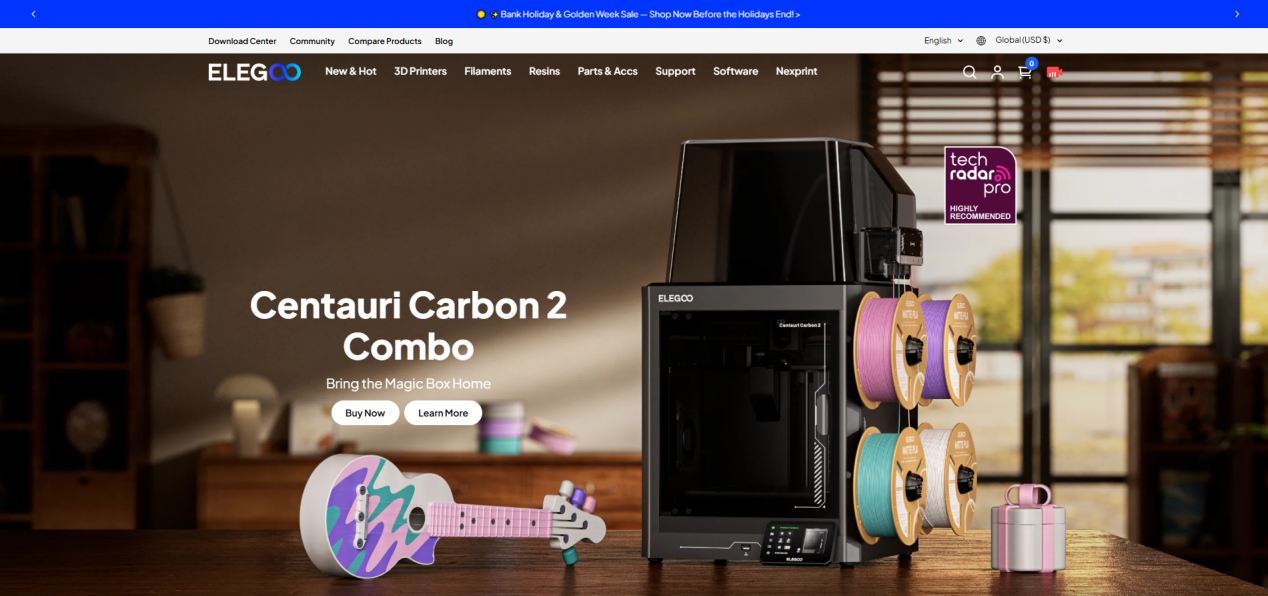
Image source:ELEGOO
The most attractive feature for users is the site's model resource community section, which offers a complete range of printable models and production tutorials for various objects.
Relying on this user co-creation operation model, it not only enhances users' sense of participation and belonging, but also continuously accumulates organic traffic. Users are no longer just browsing, but are more willing to interact and share their works, eventually becoming purchasing customers and long-term loyal fans of the brand.
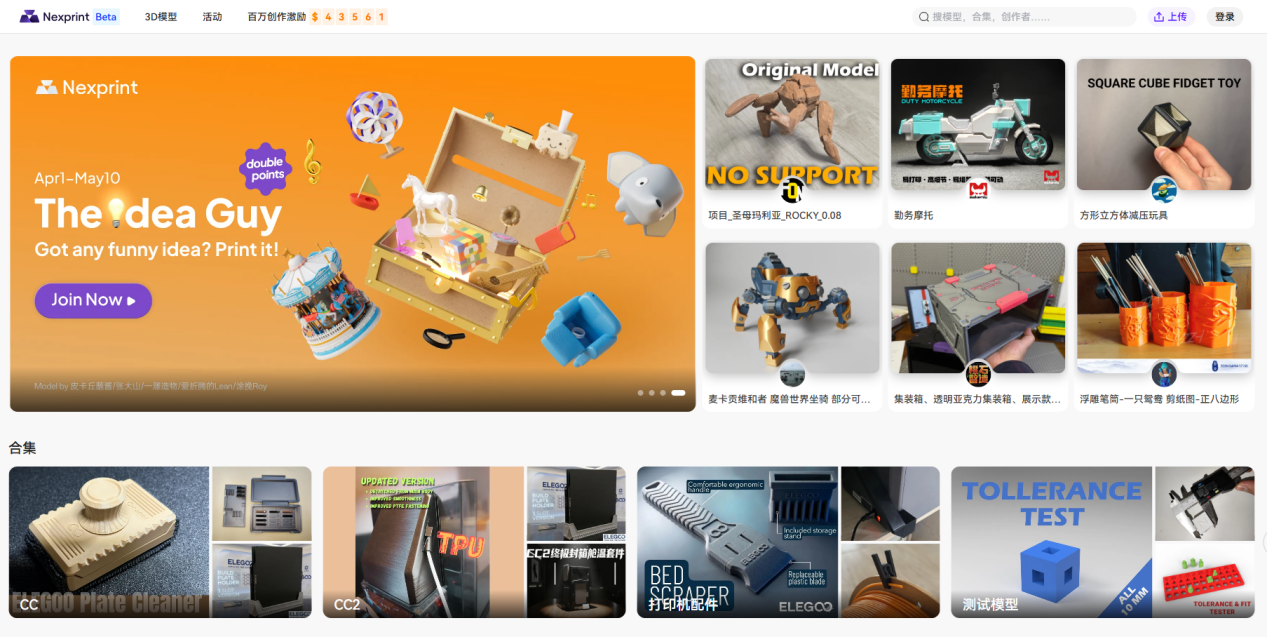
Image source:ELEGOO
2. TikTok: Short video seeding, directly targeting young creators
If the independent site is for private domain accumulation, then TikTok is ELEGOO's other trump card for breaking out and attracting traffic.
Its brand account @elegoo3dofficial currently has 230,300 followers, with total likes exceeding 2.4 million. Although the fan base is not top-tier, the video hits are very impressive, with more than 20 videos exceeding one million views each.
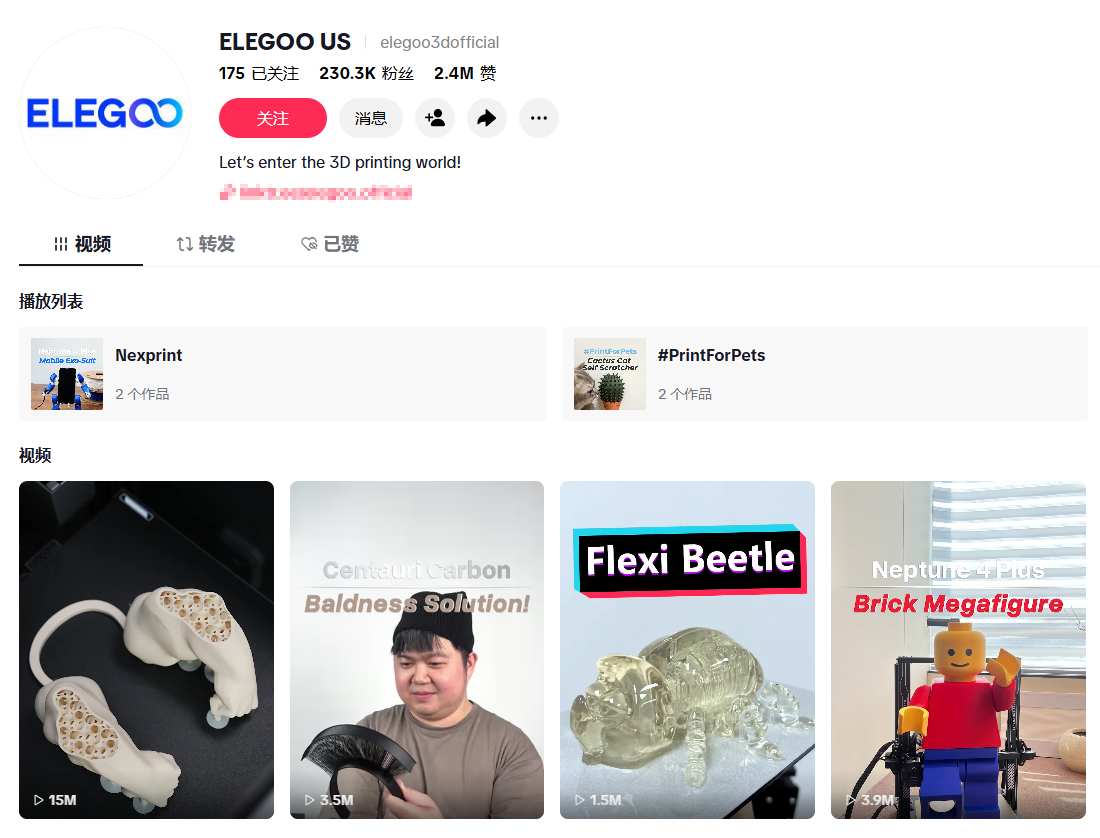
Image source:TikTok
The videos posted on the account focus on the immersive printing process:
On the one hand, they film practical and useful items such as shoes, tableware, storage boxes, which are down-to-earth and widely spread, easily reaching a large number of potential ordinary consumers;
On the other hand, they create fun and creative works such as cat toys and anime characters, lowering the technical threshold and making it easier to go viral, precisely capturing young creators and hobbyists.
One of the videos documents the process of using ELEGOO 3D printer to make a toy arm model for a kitten, which has now exceeded 15 million views and received 454,400 likes, sparking a lot of user discussion. This fully demonstrates that this kind of fun scenario content is very likely to go viral and amplify brand exposure.
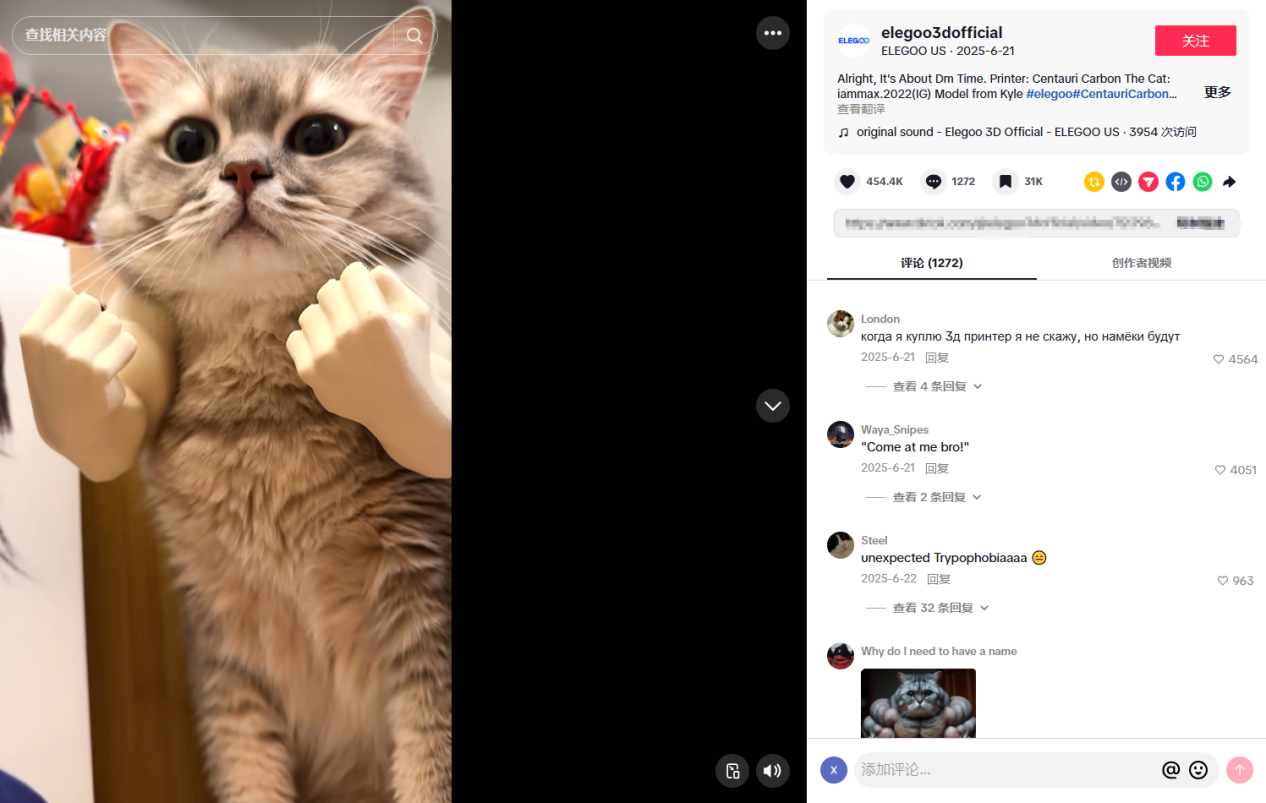
Image source:TikTok
In addition to operating the official account, ELEGOO is also well-versed in influencer collaboration, leveraging external content to further expand brand exposure.
When choosing influencers, the brand does not blindly pursue top KOLs, but instead focuses on vertical mid-tier and small influencers, most of whom have between 10,000-100,000 followers, offering high cost-effectiveness and good conversion results.
For example, 3D printing influencer @JAM3D with 56,000 followers has collaborated with ELEGOO to launch a creative short video.
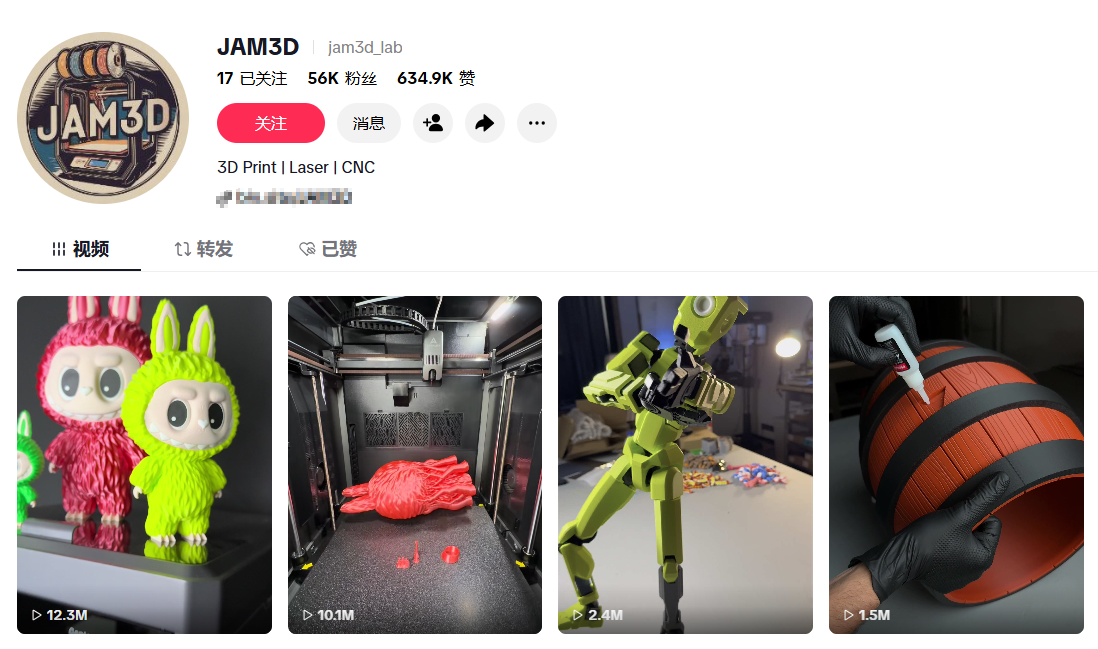
Image source:TikTok
The video is themed on the currently popular IP LABUBU (Labubu), demonstrating the process of using ELEGOO 3D printer to print each part separately and then assembling them into a complete finished product.
Currently, this creative video has garnered 12.3 million views and 122,500 likes. Many users in the comments section are discussing LABUBU, marveling that with this machine, they can make their own trendy toys, which is very fun.
It is not difficult to see that the creation form of vertical influencers combined with popular IP can both stimulate fan interaction and discussion within the community and shape product reputation, achieving efficient seeding.
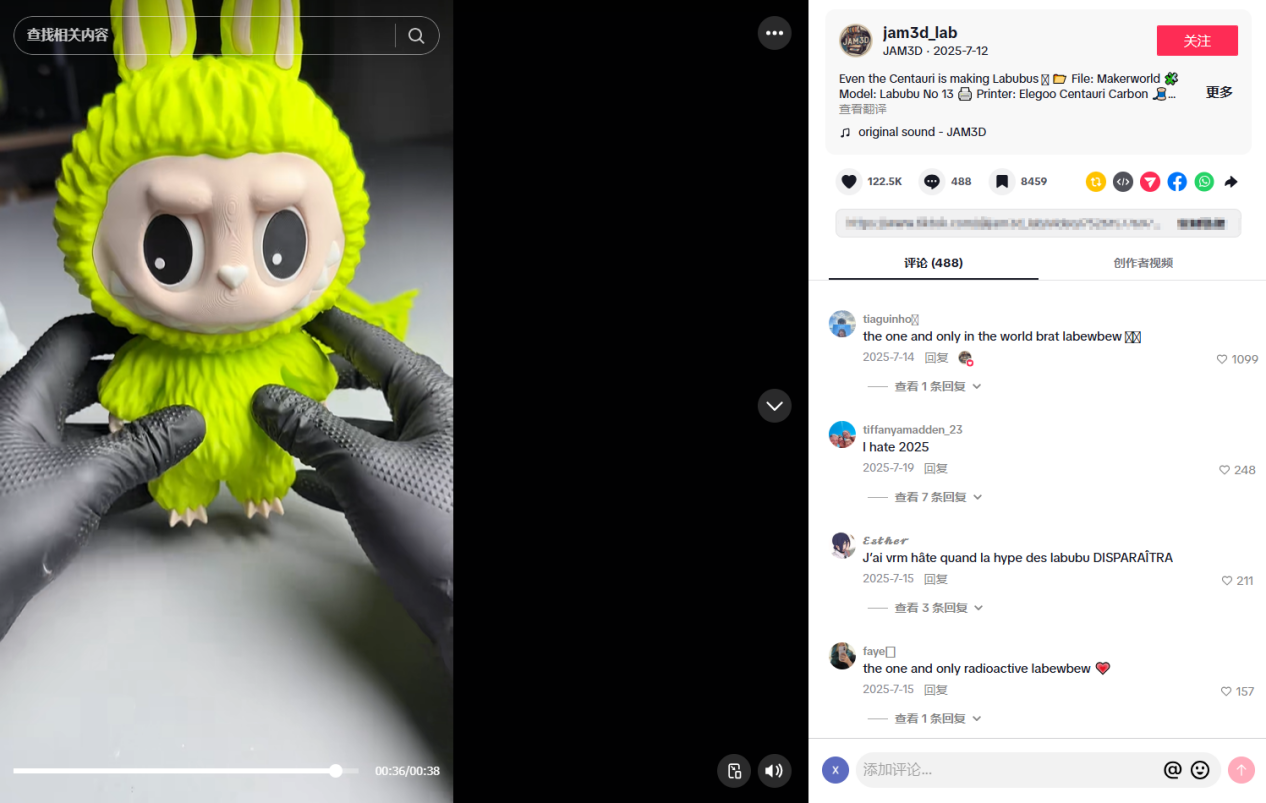
Image source:TikTok
Conclusion
When we talk about Chinese brands going Tuke, it often seems like a high threshold, but the story of ELEGOO clearly tells us that a brand that focuses on niche needs and knows how to communicate with global users has every opportunity to gain a foothold in overseas markets.
At present, the consumer-level application of 3D printing is just beginning to explode. From courses in European and American primary and secondary schools to handicraft creations in thousands of households, the demand window is fully opening.
For domestic enterprises, now is the best time to deeply enter this track and use mature online channels and innovative social content to reach global buyers.
The opportunities in overseas markets have always been there, it's just a matter of who is truly willing to step in.