 1822
1822Starting September 1, 2026, Amazon Europe will officially implement a return policy adjustment involving multiple categories, significantly shortening the original 30-day return window to 14 days.
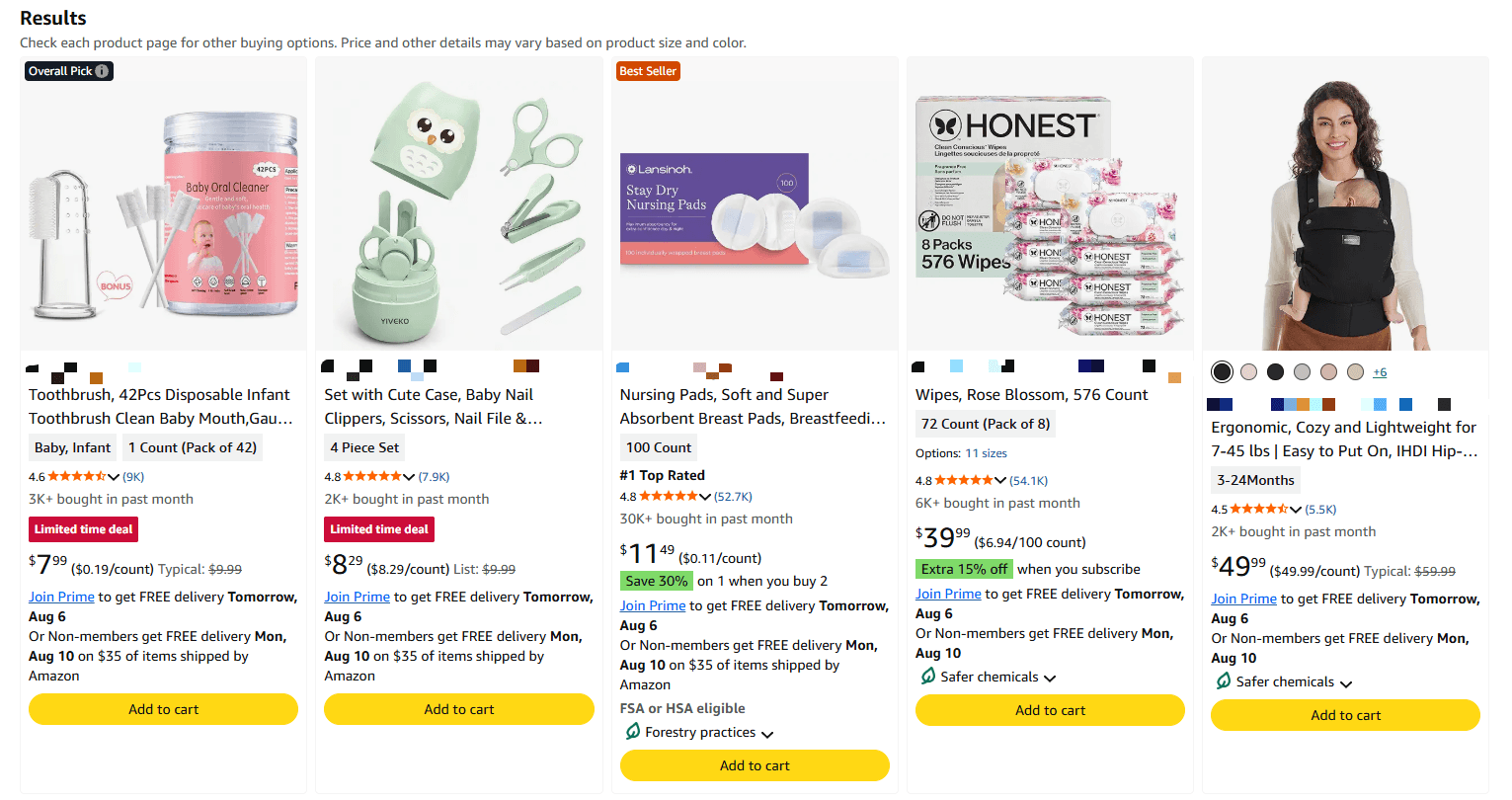
This change covers more than ten popular product categories including mother and baby, beauty, home, pets, food and beverages, furniture, musical instruments, tires, etc., and regardless of whether sellers use FBA or self-fulfillment, they must comply with the new rules.
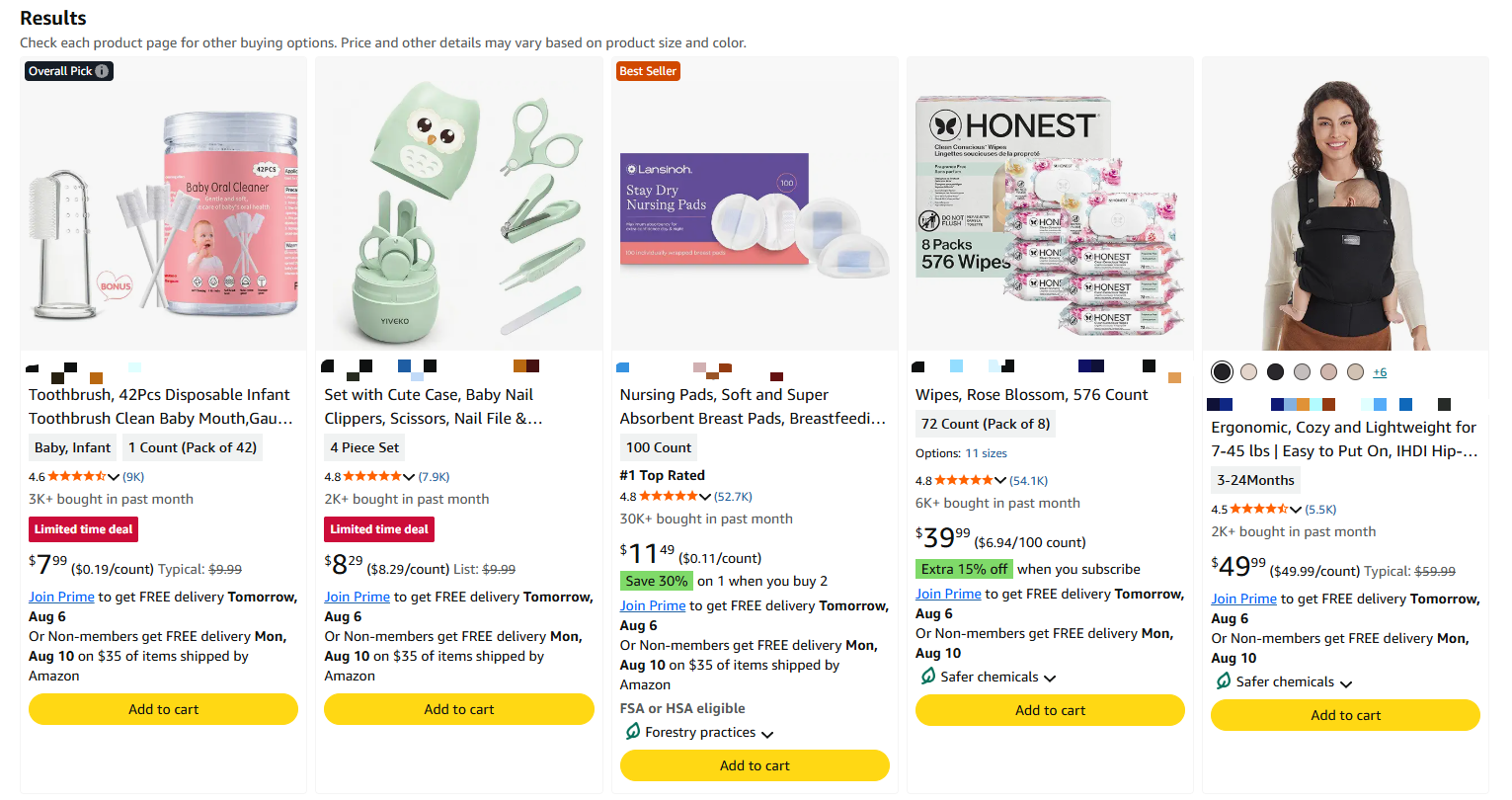
Image source: Amazon
However, Amazon has also reserved an adaptation period for the market: orders with a delivery date before October 1, 2026 will still follow the original 30-day return rule, providing a buffer for both sellers and buyers.
Platform Safety Net Shrinks
This adjustment is not a simple service downgrade, but a deep restructuring of after-sales logic.
In the past, Amazon proactively provided a voluntary return guarantee of up to 30 days for the vast majority of products in the European market, a standard far exceeding the 14-day right of withdrawal period required by EU law.
After the new rules take effect, the platform will adjust the default after-sales guarantee period back to align with the EU statutory standard, namely 14 days. This means Amazon will no longer offer a longer return period as a standard platform-wide service, but instead turn it into a differentiated competitive tool that sellers can decide independently whether to provide.
Sellers need to note in particular that the EU statutory 14-day right of withdrawal is mandatory and does not change with platform policy changes. What Amazon's new rules compress is the additional protection voluntarily provided by the platform, so it does not cross the legal red line.
But the platform has simultaneously opened up the withdrawal right setting options in the seller backend, allowing merchants to proactively extend the return period based on their own products and business strategies, in exchange for better customer experience and potential conversion rates.

Image source: Google
Direct Impact on Sellers
For cross-border sellers deeply cultivating the European marketplace, the impact of this adjustment is multi-dimensional. If the product detail page, after-sales emails, or store policies still state the old 30-day return period while the actual execution has changed to 14 days, it is very likely to trigger buyer complaints and lead to penalties.
Therefore, sellers must thoroughly review and simultaneously update all related statements in Listing descriptions, auto-reply templates, invoice information, and legal terms before September 1 to ensure a unified approach.
From a cost perspective, the shortening of the return period may reduce return rates for some products, especially seasonal, perishable, or experience-based products, because consumers face greater pressure to make return decisions within a shorter time.
This may be a marginal benefit for categories long plagued by high return rates (such as clothing and beauty). But at the same time, the time window for sellers to handle returns, refunds, and restocking has also been compressed, placing higher demands on the response speed of after-sales teams and logistics coordination efficiency. Sellers unable to adapt to fast-paced return handling may face higher dispute rates and capital occupation pressure.

Image source: Google
Competitive Landscape Changes
The deeper significance of this adjustment lies in shifting the game of after-sales service from the platform versus consumer level to direct interaction between sellers and consumers.
In the past, 30-day returns were a unified endorsement given by Amazon to all sellers, and consumers trusted platform rules; in the future, 14 days will be the new normal, and sellers willing to proactively extend the return period can clearly display a longer return window on the product detail page, thus creating differentiated appeal.
It is foreseeable that the return period will become another explicit dimension for European marketplace sellers to compete for customer mindshare, following price and delivery speed.

Image source: Google
Conclusion
Amazon's shortening of the return period to 14 days across multiple categories is by no means a simple policy tightening, but a paradigm shift in after-sales logic. It marks the platform's transition from unified all-encompassing handling to statutory frameworks and customizable value-added services.
For sellers, timely information synchronization and compliance checks are the top priority, while the long-term approach lies in re-examining the position of the return policy within the overall competitive strategy—whether to hold the cost bottom line or trade services for growth.
In today's increasingly standardized and refined cross-border e-commerce, those who can adapt to rule changes more quickly and skillfully use new tools to shape differentiated advantages will take the lead in the next phase of competition.
The effective date of September 1 is approaching, and the ability to act will determine the divergence.