 1335
1335Starting July 31, 2026, TikTok Shop Thailand's local store will officially implement new rules for listing second-hand goods.
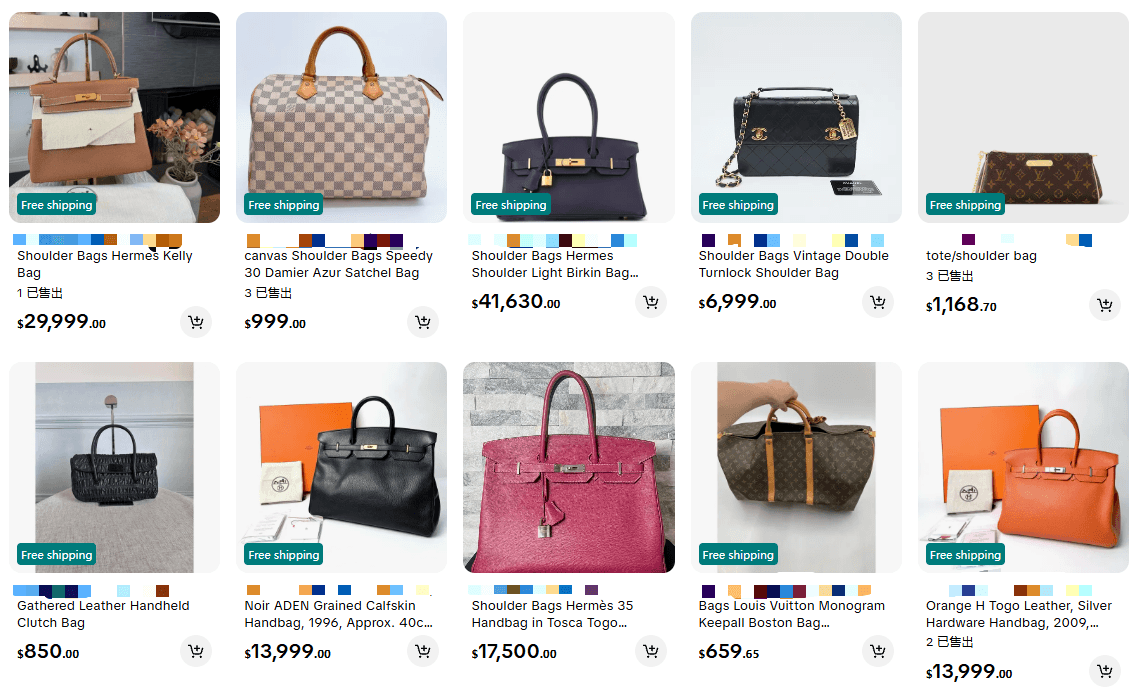
This adjustment covers two core categories: luxury second-hand (watches, bags, fashion accessories) and general second-hand (luggage, refurbished phones and digital products, men's and women's clothing and footwear). All second-hand goods will be open only to corporate legal entity sellers, and individual sellers will be completely phased out.
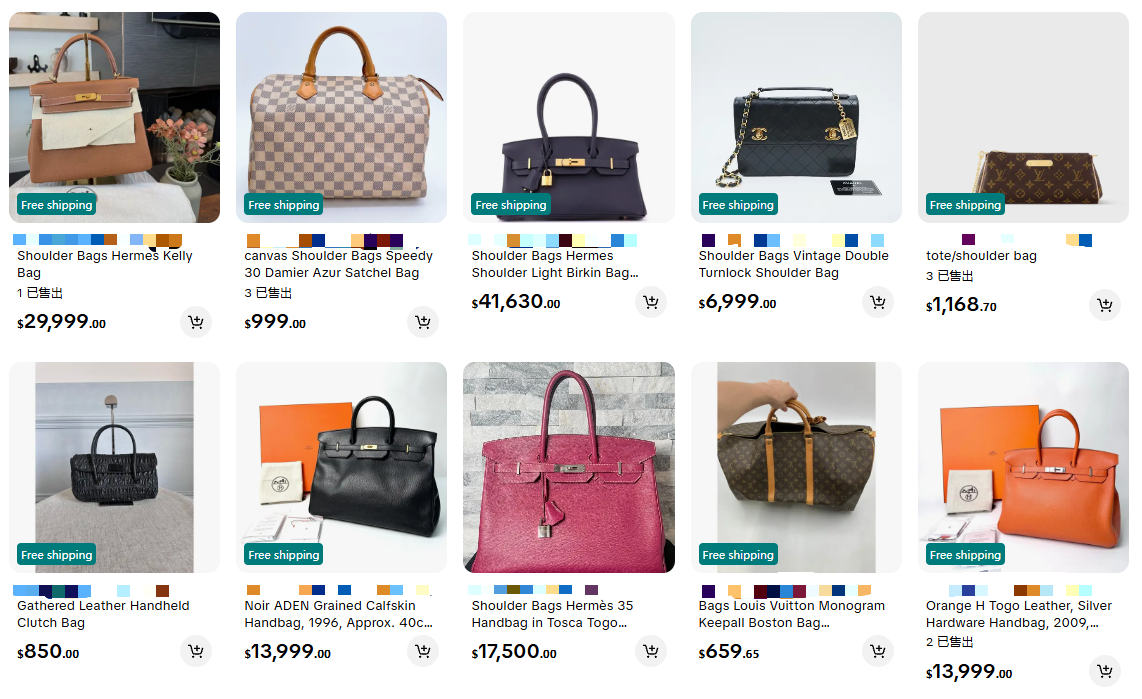
Image source: TikTok Shop
This means that individual second-hand sellers who were previously active on the platform through personal credibility and live-streaming sales will no longer be able to conduct second-hand transactions on TikTok Shop Thailand.
Qualification thresholds are clear, with different restrictions for the two categories.
In terms of specific qualification requirements, the bar for luxury second-hand sellers is significantly higher. They must submit a valid business license and complete brand certification by choosing one of four options: on-site store photos, purchase vouchers for 5 brands on sale, venue proof, or third-party authenticity appraisal certificates.
The general second-hand category is relatively lenient; sellers only need to provide either on-site store photos or purchase documents for at least 5 brands.
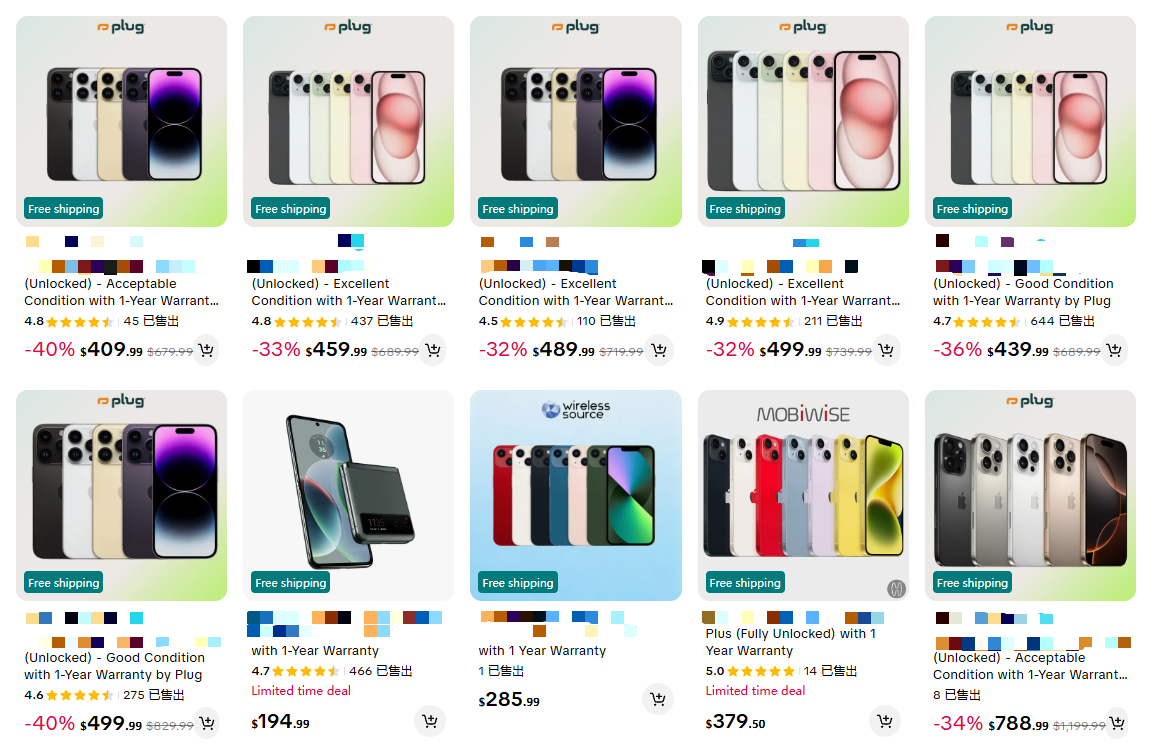
Image source: TikTok Shop
Regardless of category, merchants already selling must immediately submit supplementary documents to update their qualifications. New entrants must first complete review in the Seller Center before listing products. Products that fail review will be directly rejected, and the platform reserves the final review right.
Overall, through this rule adjustment, TikTok Shop Thailand is pushing second-hand goods transactions from the previously relatively loose individual business model toward a corporate, qualification-based, traceable and compliant operation stage.
The difficulties and pressure faced by individual sellers
For individual second-hand sellers who have long relied on the TikTok Shop platform for survival, the impact of this new rule is direct.
In the past, individual sellers could earn good returns on the platform at low cost by relying on flexible supply channels and price advantages in live-streaming rooms. Individual sellers did not need complex qualification certificates; as long as the products were attractive and the live streams were engaging, they could accumulate a group of loyal repeat customers.

Image source: Google
However, after the new rules take effect, a business license becomes the most basic entry ticket, and purchase vouchers and on-site store photos become mandatory trust endorsements. Individual sellers who cannot or are unwilling to register a business will be directly shut out.
Sellers' response strategies
Sellers with different sizes and resource conditions need to formulate practical response strategies based on their own situations.
The first path is to register as a corporate legal entity and achieve compliant transformation.
For sellers with decent financial strength and relatively standardized supply channels, registering a business license as soon as possible is the most direct and effective way. At the same time, sort out existing purchase vouchers, store lease contracts or venue proof, and choose the most suitable certification path for submission based on the platform's certification options.
The second path is to find qualified partners and continue participating in second-hand transactions indirectly.
For small and medium sellers with mixed supply sources and unable to provide complete documents, rather than barely registering a business and still facing the dilemma of insufficient certification materials, it is better to turn to establish supply cooperation relationships with qualified brand owners, large recyclers, or second-hand trading companies.
Through models such as consignment, joint operation, or supply profit sharing, combine your own supply capability with the partner's qualification advantages. This allows you to continue leveraging your product selection and sales abilities while staying compliantly on the platform.
The third path is a long-term task that all sellers should advance simultaneously, namely re-sorting and adjusting their product structures.
Reduce reliance on products with unclear origins and no traceability, and proactively shift toward brand-authorized, officially refurbished, or clearly traceable channels. This is not only a stopgap measure to cope with current qualification reviews, but also a process of accumulating long-term trust assets for future operations.
Image source: Google
Conclusion
TikTok Shop Thailand's adjustment of its second-hand goods policy this time marks a shift for second-hand e-commerce from a loose stage relying on individual flexible operations in the past to a new compliance stage with corporate legal persons as the main body and authentic product traceability as the core requirement.
For individual sellers, this is a watershed that must be faced: either complete their own compliance transformation or find a new way out.