 2020
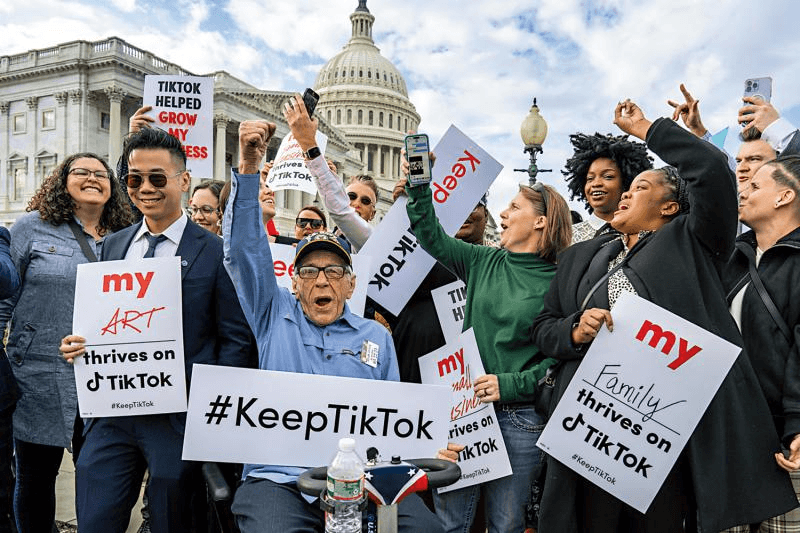
2020TikTok is currently at the forefront of the American political and social stage, facing pressure from multiple sides.
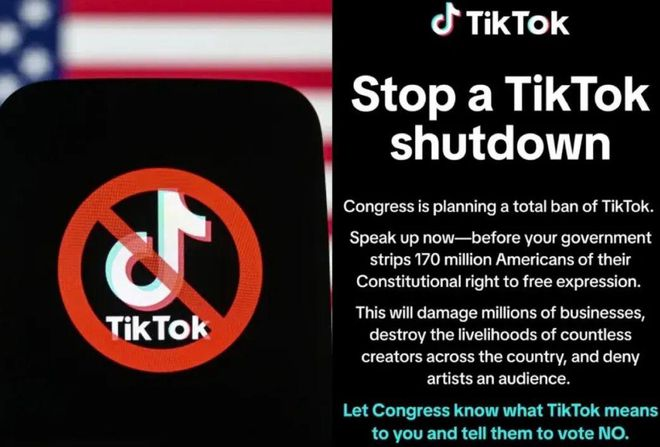
At present, the U.S. House of Representatives has passed a bill to ban TikTok, requiring TikTok's parent company ByteDance to sell its U.S. operations, otherwise TikTok will face a complete ban. The bill has since been sent to the Senate for review and is awaiting the outcome.
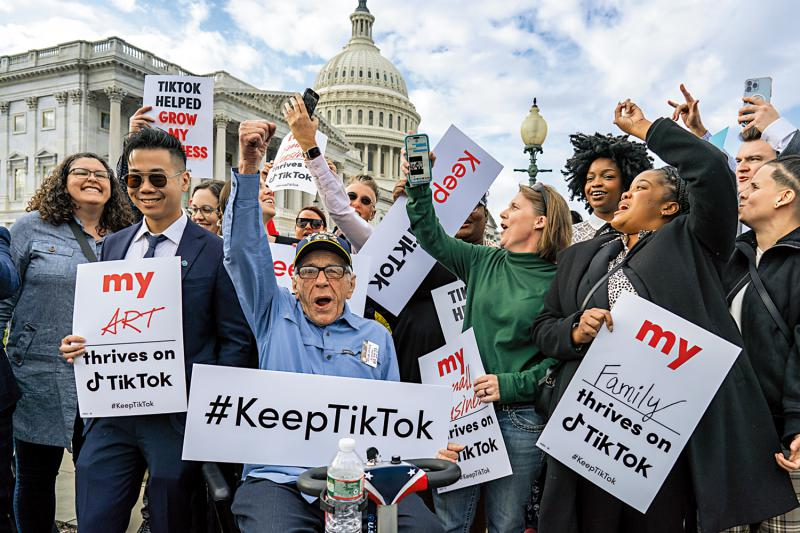
The poll results are not optimistic
The outcome of the review is still unknown, but according to the latest U.S. poll results, the current situation is quite unfavorable for TikTok.
On March 27, U.S. business news network CNBC released a poll showing: Nearly half of Americans support a ban on TikTok or forcing it to sell, a view based on concerns over national security. Compared to a February survey by the Associated Press and the NORC Center for Public Affairs Research (31% supported banning TikTok, 35% opposed), the support rate has risen significantly.
Under pressure from the FTC
According to Tuke's understanding, the U.S. Federal Trade Commission (FTC) is also investigating TikTok and considering whether to file a lawsuit against it.
Reports indicate that the FTC has been investigating TikTok's privacy and data security issues for the past few years and may decide in the coming weeks whether to file a lawsuit or reach a settlement with TikTok.
At the same time, the FTC is also investigating whether TikTok violated the Children's Online Privacy Protection Act, which requires companies to notify parents and obtain their consent before collecting data from children under 13.
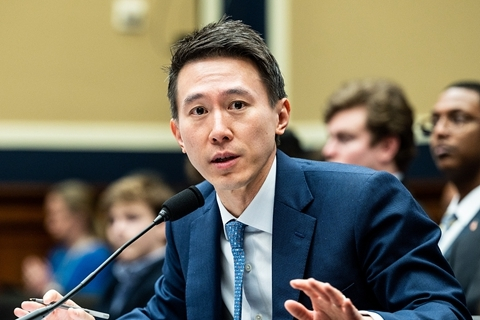
TikTok previously admitted to Congress that its employees in China can access U.S. user data, but denied that the Chinese government can access its user database. Based on these factors, the FTC will investigate whether TikTok has engaged in "unfair or deceptive" business practices.
Challenging the First Amendment
Although the House of Representatives has passed the ban bill, TikTok's fate in the Senate is still unclear, as the issue involves the oversight of multiple committees. In this regard, Commerce Committee Chair Maria Cantwell holds a reserved attitude, advocating for a hearing first and hinting that the House version needs to be amended.
It is worth mentioning that even if the relevant bill passes the Senate and is signed by the President, a legal challenge based on the First Amendment of the Constitution is almost inevitable.
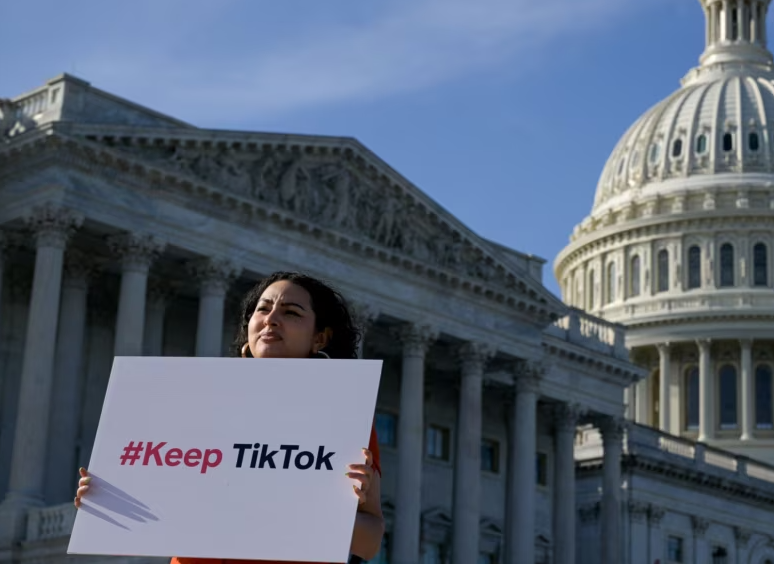
Allegra Harpootlian, communications strategist for the American Civil Liberties Union, once said that the House bill is essentially a ban on Tuke (TikTok), and "directly or indirectly banning Tuke would violate the First Amendment, because it would stifle freedom of speech and restrict the public's access to important information."
Previously, in two lawsuits in the U.S. related to TikTok, TikTok won both cases.
In November 2023, a judge in Indiana dismissed a lawsuit against TikTok over teen safety issues, partly on the grounds that under the Indiana Deceptive Consumer Sales Act, downloading a free app does not constitute a "consumer transaction."
Around the same time, a federal judge in Montana also temporarily halted the ban on TikTok, saying the ban could be unconstitutional.
Judge Donald Molloy once said in his ruling, "By banning TikTok, the legislature not only harms the First Amendment rights of the user plaintiffs, but also cuts off a source of income that many people rely on."
Regarding the part about "cutting off a source of income that many people rely on," this is indeed the case.
On the same day the House overwhelmingly passed the TikTok ban bill (March 13), TikTok released a research report conducted by Oxford Economics. The report shows:
Nearly 40% of small and medium-sized businesses say TikTok is vital to their survival, emphasizing TikTok's important contribution to the U.S. economy and its role as an indispensable part of American social structure.
Therefore, the ban bill against TikTok is actually very difficult to implement, as it involves violating the First Amendment. Under heavy pressure in the U.S., TikTok still has hope for victory!
Conclusion
TikTok is facing tremendous challenges and pressure in the U.S., including the ban bill, poll pressure, and the FTC investigation. However, despite the seemingly grim situation, TikTok may still see a turnaround. The Senate's attitude is still unclear, and the ban bill may face a constitutional First Amendment challenge. Moreover, TikTok's contribution to the U.S. economy and its importance to small and medium-sized businesses also increase the difficulty of implementing the ban. Therefore, the future of TikTok in the U.S. is still full of uncertainty, and Tuke will continue to follow up with subsequent content!