
 2647
2647¿Quién dice que el poder adquisitivo de los hombres es el más bajo?
Esta marca, vaciando los bolsillos de los hombres, ¡gana 1.400 millones al año!
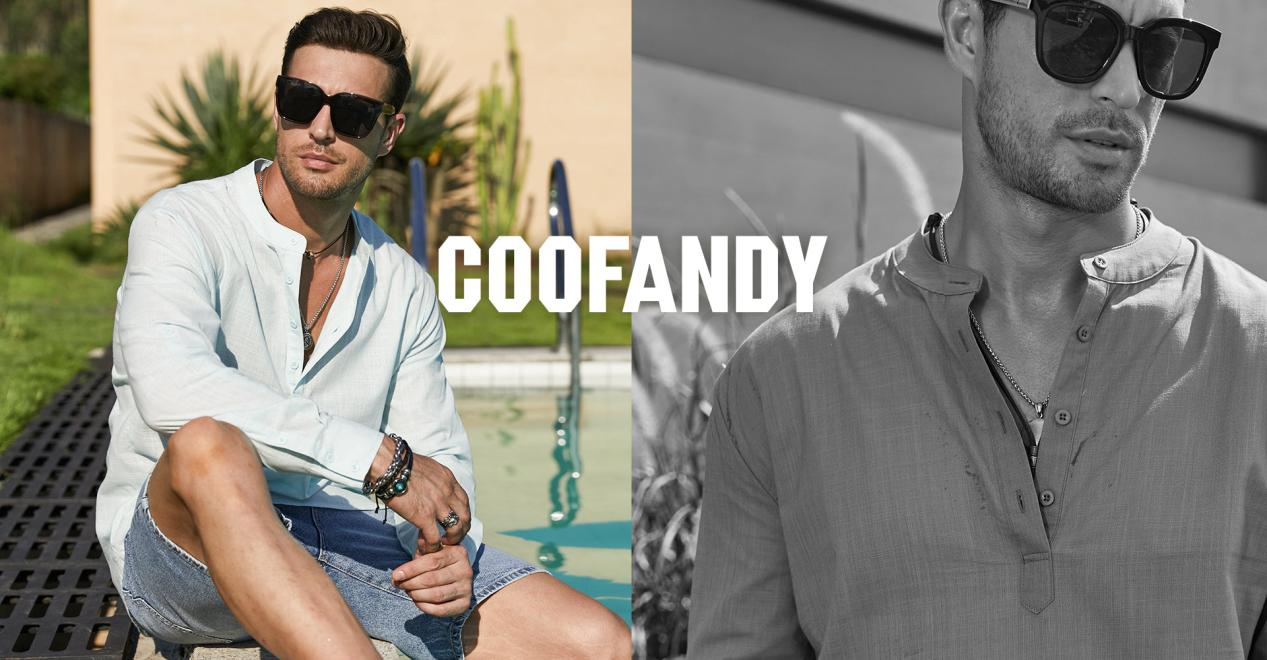
Mientras todos miraban fijamente a Shein y Temu compitiendo en el sector de la moda femenina, la empresa con sede en Shenzhen, Saiwei Shidai, ha criado silenciosamente una "vaca lechera" —la marca de ropa masculina Coofandy.
En solo 8 años, logró unos ingresos anuales de 1.455 millones de yuanes, con una tasa de crecimiento anual del 58,63%, convirtiéndose en una marca fenomenal en el mercado de ropa masculina de América del Norte.
Hoy, Tuke les mostrará cómo esta marca "saca dinero" de los bolsillos de los hombres.
Fuente: Coofandy
Rompiendo prejuicios, el despertar del poder adquisitivo masculino
La marca Coofandy nació en 2015, pertenece a Saiwei Shidai Technology Co., Ltd., y es la única marca bajo Saiwei centrada en el mercado de ropa masculina.
Basada en un posicionamiento claro del mercado, la marca se dedica a ofrecer ropa masculina asequible que combina estilos de negocios, casual y deportivo para múltiples escenarios, satisfaciendo las necesidades de vestimenta en diferentes ocasiones. En 2023, los ingresos de la marca Coofandy alcanzaron los 1.455 millones de yuanes, con una tasa de crecimiento anual del 58,63%, convirtiéndose en una de las marcas más destacadas bajo Saiwei Shidai.
"Paquete completo" de marcas Saiwei Fuente: Saiwei Shidai
Con el crecimiento continuo de la marca y la expansión de su cuota de mercado, la influencia de Coofandy también comenzó a penetrar en el mercado internacional. El 8 de septiembre de 2024, llegó un momento clave: su debut en la Semana de la Moda de Nueva York.
Los modelos de primer nivel Sean O'Pry y Rafael Miller desfilaron con los trajes de la serie de la marca, y gracias a este desfile lleno de estilo, la marca logró atraer la atención del mundo de la moda.
Esta medida no solo aumentó significativamente la visibilidad de la marca, sino que también consolidó su posicionamiento de alta calidad y moda, fortaleciendo aún más su estatus en el mercado como una marca de ropa masculina de alta relación calidad-precio.
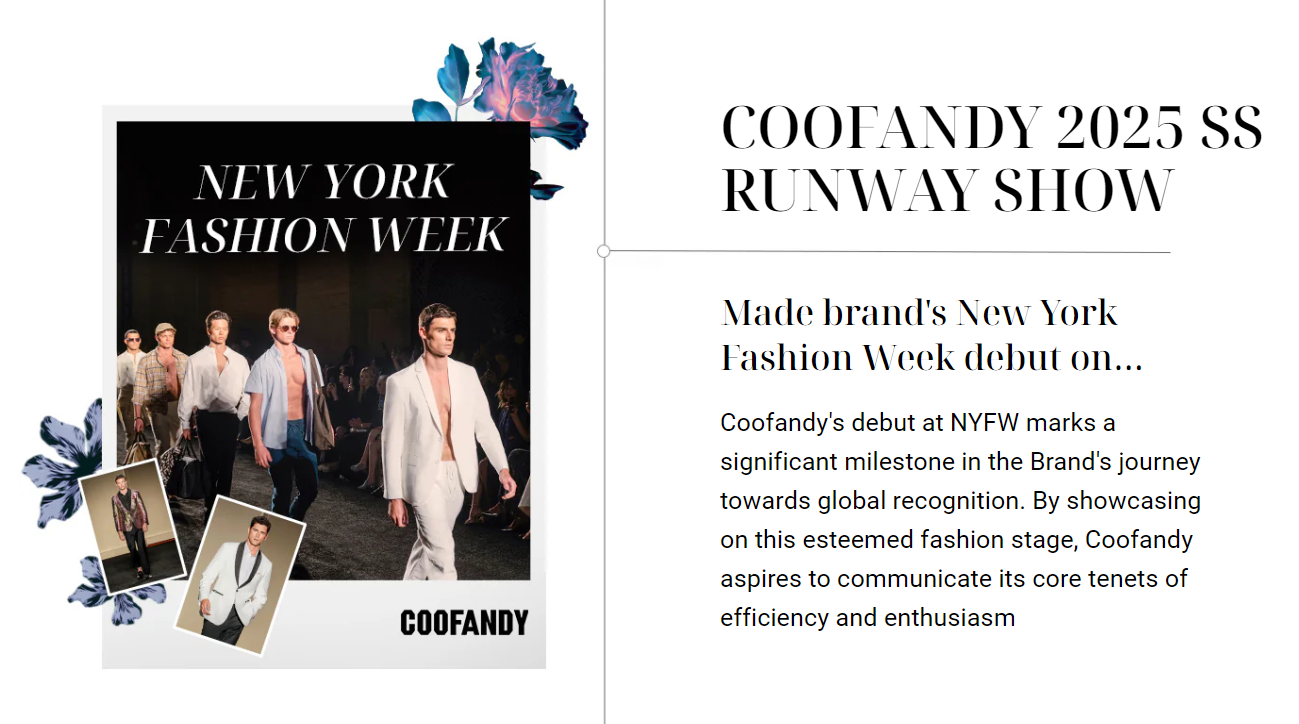
Debut en la Semana de la Moda de Nueva York Fuente: Coofandy
¿La exportación de ropa masculina se convierte en un "camino dorado"?
Con la creciente demanda de moda entre los consumidores masculinos, el mercado global de ropa masculina muestra una tendencia hacia la diversificación, personalización y rejuvenecimiento. Según datos de plataformas de terceros, se espera que el tamaño del mercado global de ropa masculina en 2024 alcance los 573.500 millones de dólares, y esta tendencia continuará creciendo en los próximos años.
En este contexto, el mercado de ropa masculina finalmente ha tenido su "momento de gloria", ya no es un retorno a la era de "los hombres se visten de manera informal", sino la formación de hombres modernos que prestan más atención a la autoexpresión y el gusto. Esto significa que no solo el diseño de la ropa, sino incluso la personalidad y la actitud detrás de la vestimenta, se han convertido en claves para que las marcas ganen el mercado.
En este entorno, encontrar un posicionamiento diferenciado propio se ha vuelto crucial para que muchas marcas de ropa masculina se destaquen, y la rápida ascensión de Coofandy se debe precisamente a su preciso posicionamiento en el mercado y a su flexible estrategia de marca.
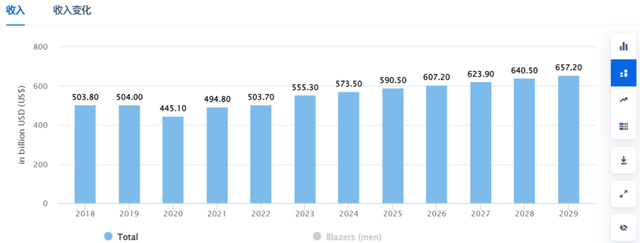
Fuente: Statista
Posicionamiento preciso de necesidades multi-escenario "asequible y de alta calidad"
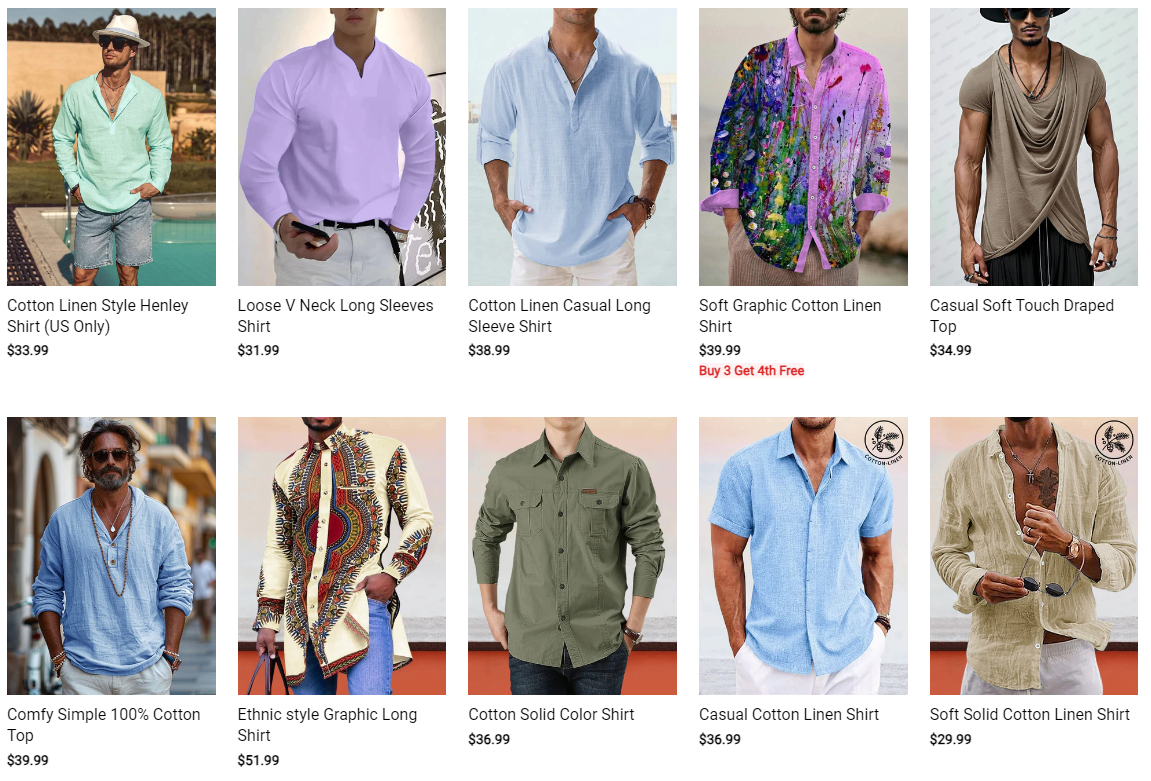
En su estrategia de producto, Coofandy capta con precisión la necesidad de los consumidores masculinos de vestimenta para múltiples escenarios y completa. La marca se centra en tres escenarios principales: negocios, casual y deportivo, con un diseño que sigue el concepto de "simple y cómodo", buscando satisfacer la estética de elegancia discreta de los hombres modernos.
Sus productos tienen un precio entre 19 y 119 dólares, cubriendo completamente el grupo de consumo principal del mercado norteamericano, y la marca continúa expandiendo sus categorías de productos, ajustando el rango de tallas para considerar las diferencias físicas multiétnicas, desde las camisas básicas iniciales hasta esmóquines de fiesta, ropa de playa y otros segmentos específicos, ampliando constantemente el espacio del mercado.
Fuente: Coofandy
Modelo de "pequeño front-end + gran back-end" impulsado por datos
Para respaldar una expansión de productos tan rápida y la demanda del mercado, la marca Coofandy también ha trabajado mucho en la gestión de la cadena de suministro.
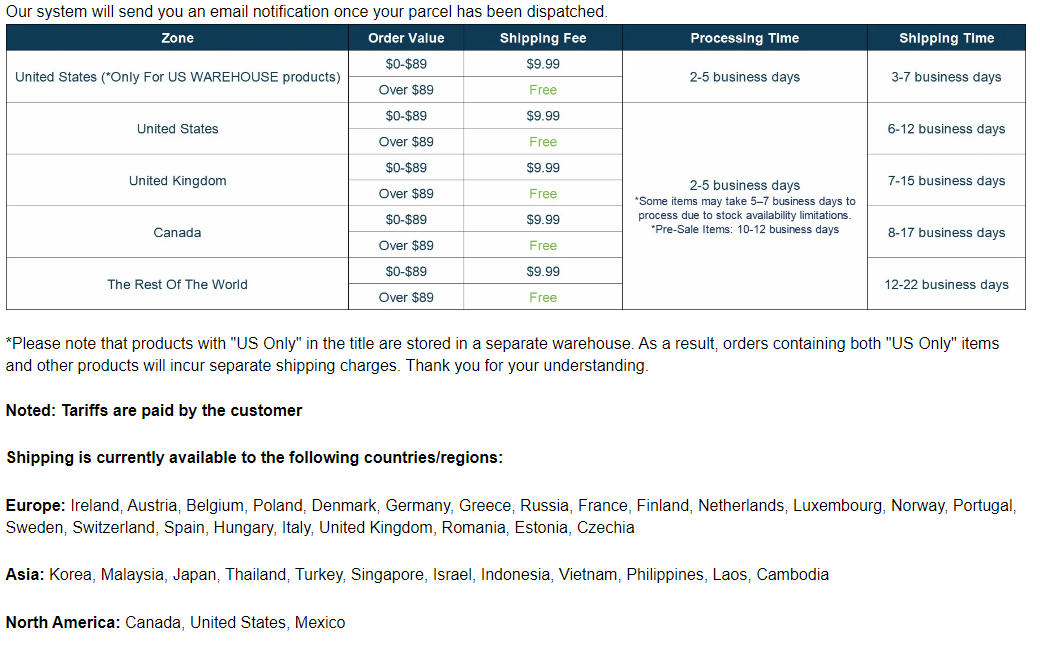
Según los cambios en la demanda del mercado, pueden ajustar rápidamente los SKU y adoptar un método de producción de lotes pequeños y múltiples variedades, lo que mantiene la frescura del producto y reduce la presión del inventario. Además, optimizan la distribución de la cadena de suministro en el sudeste asiático, transfiriendo algunos pedidos a regiones de menor costo, y colaboran con plataformas como Amazon para reducir los costos logísticos, mejorando aún más la relación calidad-precio de la marca.
Fuente: Coofandy
Distribución online y offline, resonancia de tráfico
Además de las ventajas de producto y cadena de suministro, la marca Coofandy también ha invertido mucho en la distribución de canales, utilizando la plataforma global TikTok para maximizar la conversión de tráfico y crear un ciclo de marketing eficiente.
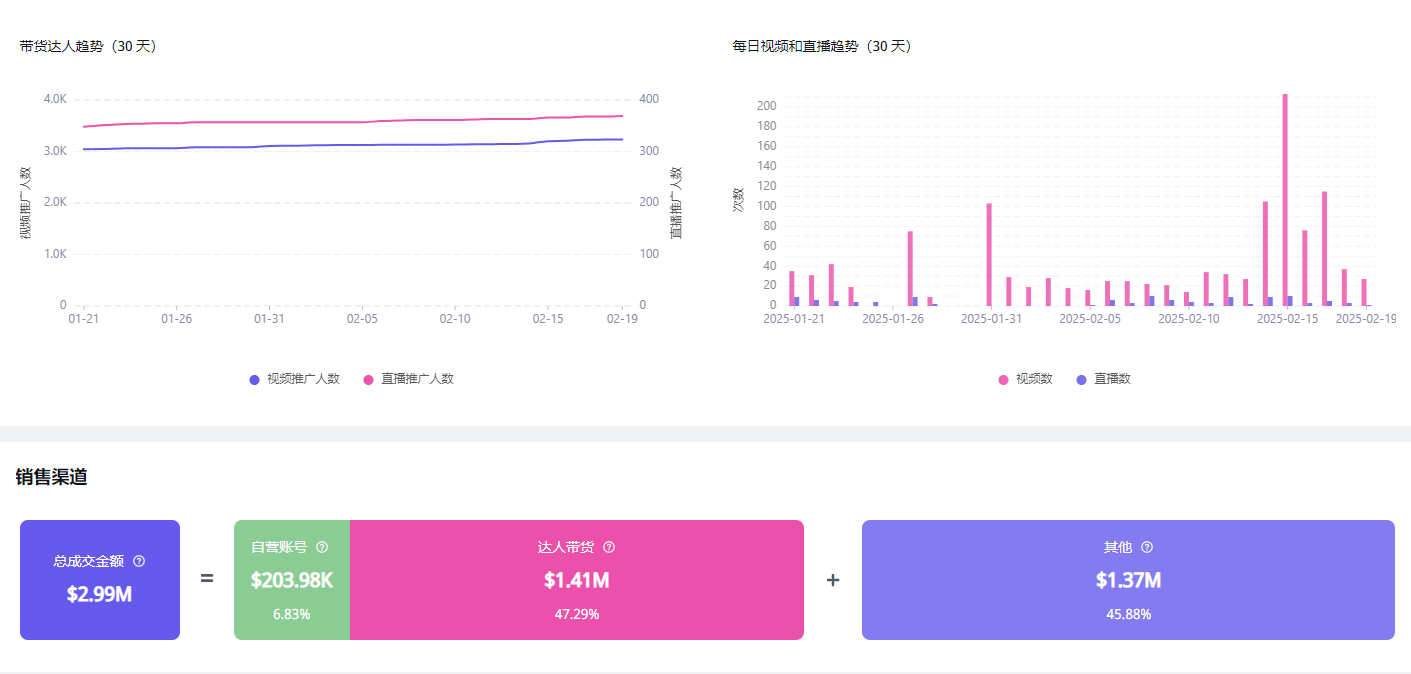
La marca Coofandy colabora con más de 5.800 influencers en TikTok, logrando una fuerte credibilidad social a través del marketing de "personajes". Según estadísticas, la proporción de ventas a través de influencers de la marca alcanza el 47,29%.
Fuente: Echotik
En la selección de influencers, no se limitaron a colaborar solo con bloggers de moda masculina, sino que ampliaron el alcance para incluir a influencers de moda femenina, fitness e incluso familiares.
Esta estrategia les ayudó a llegar a diferentes grupos de consumidores, especialmente a los tomadores de decisiones de compra en el hogar.
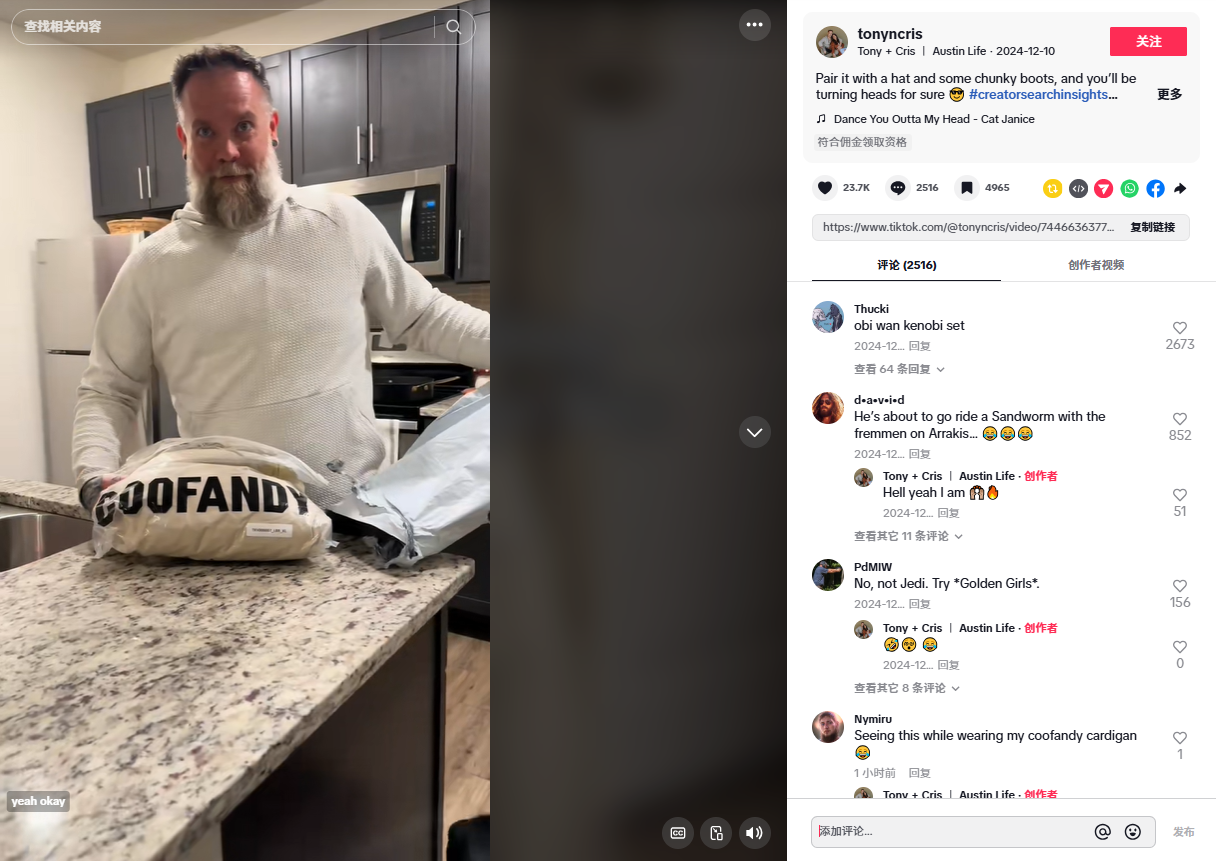
Tomando como ejemplo al influencer de TikTok @tonyncris, este blogger de Texas cubre temas como vida familiar, viajes y deportes, siendo muy querido por una amplia audiencia.
En la colaboración con la marca, @tonyncris mostró el efecto de combinación del nuevo conjunto de tres piezas de la marca y compartió su experiencia personal de uso. Este video no solo mostró de manera realista el efecto de vestimenta del producto, sino que también logró resonar con la audiencia, generando finalmente hasta 4,8 millones de impresiones para la marca, aumentando aún más su reconocimiento.
Fuente: TikTok
La marca Coofandy no solo se enfoca en el marketing online, sino que también fortalece la conexión emocional entre la marca y los consumidores a través de actividades offline, mejorando aún más la afinidad de la marca. Este enfoque de marketing combinado online y offline no solo aumenta la visibilidad de la marca, sino que también genera una mayor identificación por parte de los usuarios objetivo.
Por ejemplo, en abril de 2024, lanzaron un desafío único durante la temporada de graduación. La actividad no solo seleccionó los mejores atuendos a través de Instagram y TikTok, sino que también organizó un "viaje en autobús" de un mes en Boston. Esta actividad llevó la marca al lado de los estudiantes, combinando fiestas y premios para atraer a los jóvenes, con una atmósfera de interacción muy intensa. Esta creativa actividad offline logró llegar con precisión al grupo estudiantil, no solo profundizando la conexión entre la marca y los consumidores jóvenes, sino también aumentando efectivamente la penetración de la marca en el mercado.

Fuente: Coofandy
Conclusión: La próxima década de la exportación de ropa masculina
El estallido de Coofandy confirma una tendencia: el mercado de consumo masculino está pasando de "necesidades funcionales" a "valor emocional". Cuando los hombres de la Generación Z comienzan a mirarse al espejo 8 veces al día y están dispuestos a invertir el 20% de sus ingresos mensuales en vestimenta, la imaginación de este sector apenas comienza a abrirse.